

Slurry Seals: Tackling Abrasive Mineral Processing

Slurry pumps failing too fast? Discover how heavy-duty mechanical seals with tungsten carbide faces handle high solids, extend MTBF, and reduce downtime in mineral processing plants.
Key Takeaways
- Slurry seals enhance equipment life by providing excellent wear resistance, making them ideal for abrasive mining conditions.
- Investing in slurry seals reduces maintenance costs and downtime, leading to significant operational savings for mining companies.
- Implementing proper maintenance practices, like regular inspections and lubrication, can extend the lifespan of slurry seals and improve overall efficiency.
Introduction: Why Mineral Slurries Destroy Standard Seals
In the mining and mineral processing industry, few components face a more hostile environment than mechanical seals in slurry pumps. Every day, these precision devices battle a relentless assault of solid particles, high pressures, and corrosive chemicals.
The problem is staggering: some mining operations report replacing standard mechanical seals as frequently as once per week on critical slurry pumps. Each failure means costly downtime, lost production, and expensive maintenance crews working around the clock.
What makes mineral slurries so destructive?
Consider the typical composition:
-
Solids concentration: 30-70% by weight
-
Particle size: From microns (concentrates) to millimeters (coarse tailings)
-
Particle hardness: Quartz (Mohs hardness 7) is common in many ores
Standard seals designed for clean water simply cannot survive this environment. The result? Premature failure, process leaks, and mounting maintenance costs.
Enter the slurry seal. Designed specifically for abrasive applications, these heavy-duty mechanical seals employ a combination of hardened materials, robust geometries, and intelligent flushing strategies to deliver reliable performance where standard seals fail.
This comprehensive guide explores how slurry seals tackle the challenges of mineral processing and how you can extend their life in your operation.
Core Design Principles of Effective Slurry Seals
To survive in abrasive environments, slurry seals incorporate several key design features that distinguish them from standard industrial seals.
1. Hard Face Materials
The sealing interface is the front line in the battle against abrasion. Material selection here is critical.
Tungsten Carbide (WC)
-
Properties: Exceptional toughness, high impact resistance, good thermal conductivity
-
Best for: Coarse particles, high-impact applications (cyclone feed, mill discharge)
-
Binder options: Cobalt (standard), Nickel (corrosion-resistant)
-
Limitation: Can be susceptible to chemical attack in aggressive environments
Silicon Carbide (SiC)
-
Properties: Extremely hard (second only to diamond), excellent chemical resistance
-
Best for: Fine particles, corrosive slurries, high-speed applications
-
Variants: Reaction-bonded (RBSC), sintered (S-SiC)
-
Limitation: Brittle—can fracture under impact from large particles
The Winning Combination: Many slurry seals use a tungsten carbide vs. silicon carbide configuration—tungsten carbide on the rotating face (toughness) and silicon carbide on the stationary face (hardness).
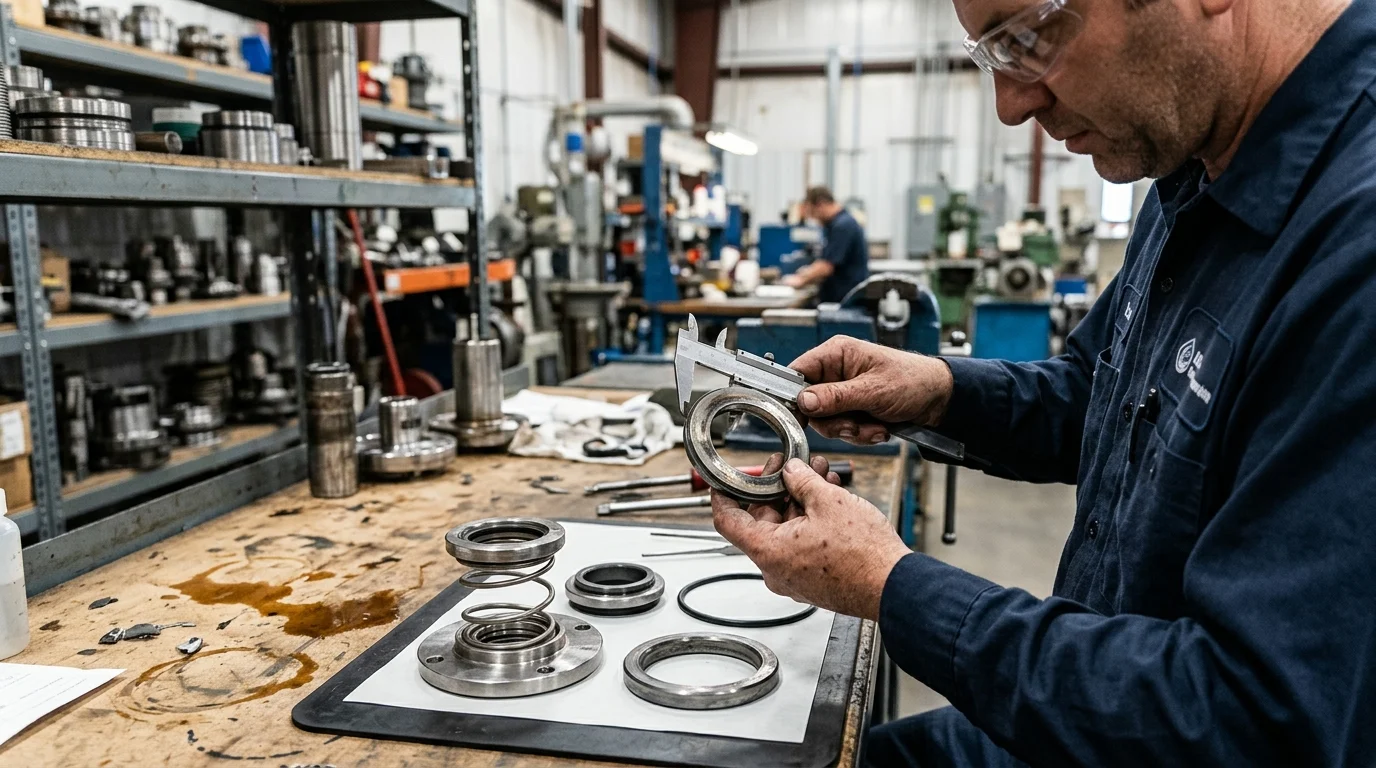
2. Heavy-Duty Spring Design
Standard multi-spring designs are vulnerable to clogging. Slurry seals employ:
Single Large Spring (Cantilever or Wave Spring)
-
Large gaps between coils prevent particle entrapment
-
Consistent face loading even as particles try to wedge between faces
-
Easier to clean if clogging occurs
Spring Protection
-
Springs located away from the fluid path
-
Protective shrouds to deflect solids
3. Stationary Seal Design
In standard rotating seals, the flexible element rotates with the shaft, constantly churning through the slurry. Stationary designs keep the flexible element static, dramatically reducing wear on O-rings and bellows.
Advantages:
-
Reduced centrifugal separation of solids
-
Less abrasion on elastomers
-
Better tolerance for shaft misalignment
4. Flush and Quench Systems (API Plans)
For severe slurry duty, mechanical seals cannot survive without external support. The most common arrangement is API Plan 12:
How it works:
Clean fluid (usually water) is injected directly into the seal chamber at a pressure 1-2 bar above the pump discharge pressure.
What it does:
-
Creates a clean fluid barrier between seal faces
-
Prevents solids from entering the seal gap
-
Cools the seal faces
-
Flushes away any particles that do enter
Flow rates typically range from 2-10 L/min depending on slurry concentration and particle size.
5. Safety Improvements
Safety is paramount in mining operations, and slurry seals contribute significantly to enhancing safety measures. The following table outlines specific safety improvements associated with slurry seals:
| Safety Improvement Description | Impact |
|---|---|
| Improved safety and production efficiency while reducing water consumption. | Addressed bearing failure in slurry tailing pumps at a potash mine. |
| Reliability upgrade improves reliability by 700%. | Enhanced performance of lime slurry pumps for a major steel producer. |
| $84,000 saving with reliability upgrade from packing. | Improved mean time between failure (MTBF) on a water pump in a mining facility. |
These improvements not only enhance operational efficiency but also reduce the risk of accidents, creating a safer working environment for all personnel involved.
Case Studies of Slurry Seals in Mining
Mining Operations Success Stories
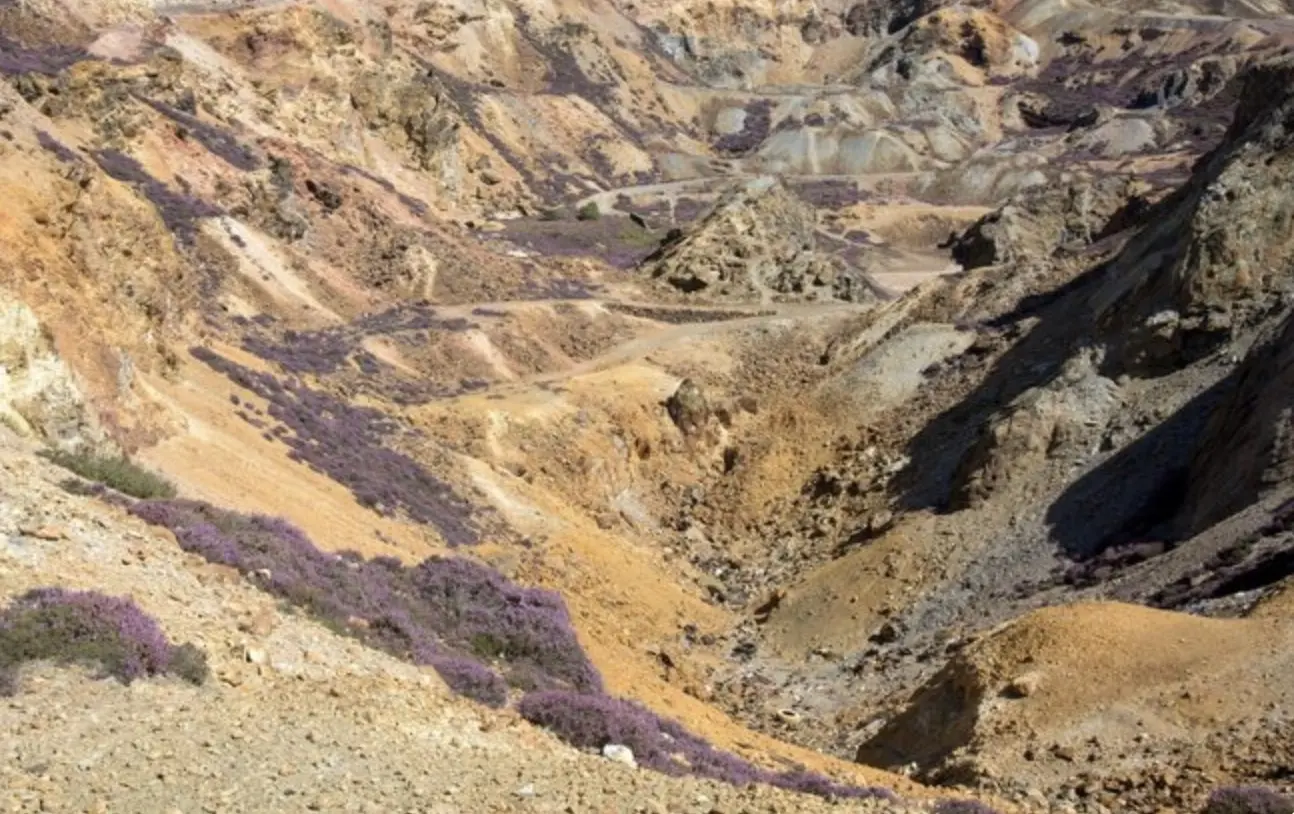
Numerous mining operations have successfully implemented slurry seals, overcoming significant operational challenges. These challenges often include abrasive and corrosive wear, clogging from solids, motor and seal failures, and efficiency losses due to variable slurry characteristics. By adopting slurry seals, companies have reported remarkable improvements in their processes.
For instance, a copper mining operation in South America faced severe wear issues with their existing seals. After switching to slurry seals, they observed a dramatic reduction in equipment failures. The average time between failures (MTBF) increased from three months to twelve months, showcasing the effectiveness of the new sealing technology.
Another success story comes from a potash mine that struggled with bearing failures in their slurry tailing pumps. The introduction of slurry seals not only mitigated these failures but also enhanced overall production efficiency. The engineered solution combined reliability with ease of installation, leading to a safer and more productive work environment.
Best Practices for Slurry Seal Implementation
Choosing the Right Slurry Seal
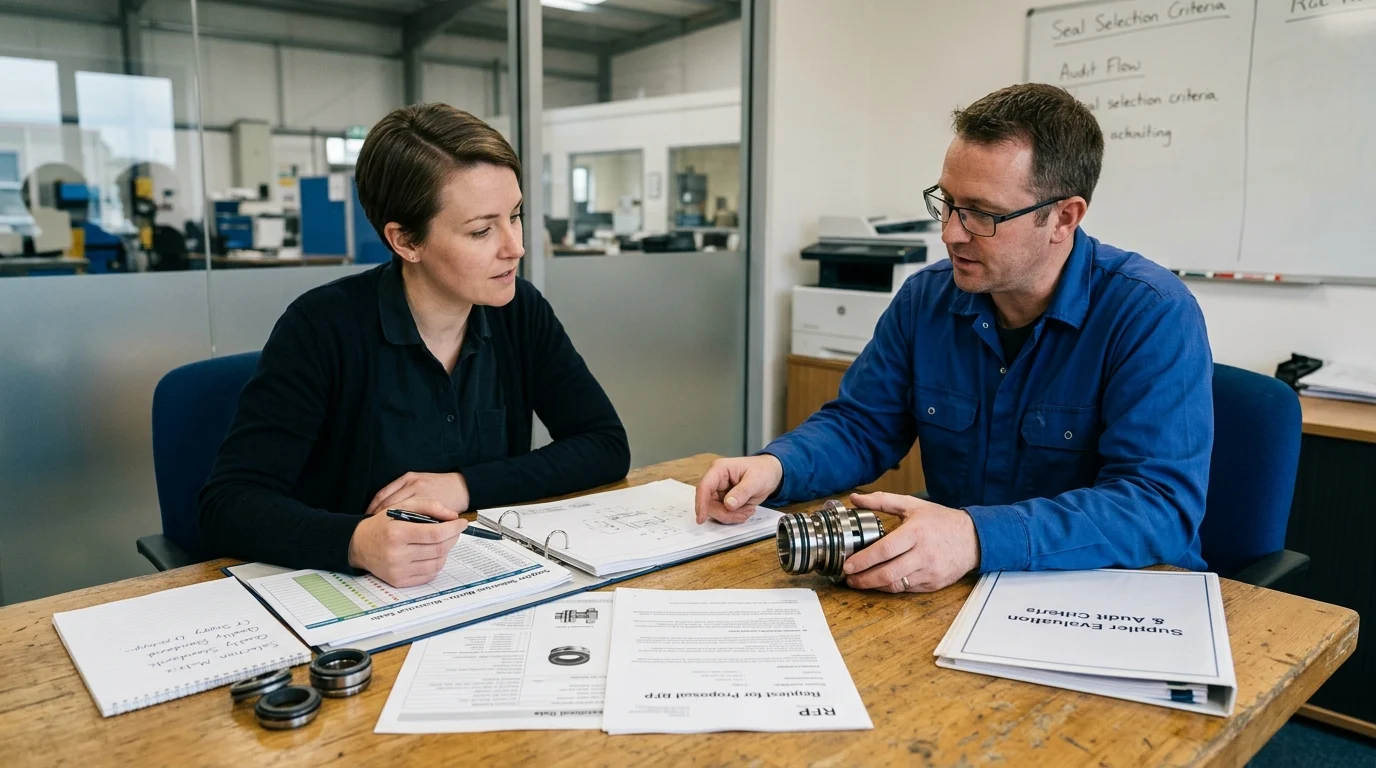
Selecting the appropriate slurry seal is crucial for optimizing performance in mining operations. Consider the following factors when making your choice:
- Material Compatibility: Ensure the seal material can withstand the specific slurry composition. Use wear- and corrosion-resistant materials tailored to the slurry's characteristics.
- Seal Design: Choose seals designed for high-pressure and abrasive conditions. Mechanical seals often provide better performance than traditional packing.
- Manufacturer Recommendations: Always follow the manufacturer's guidelines for installation and operation to maximize the seal's effectiveness.
| Challenge | Causes | Solutions |
|---|---|---|
| Improper Material Selection | Highly abrasive slurries | Use wear- and corrosion-resistant materials suitable for the specific slurry. |
| Inadequate Slurry Concentration | Uneven wear due to poorly controlled concentration | Regularly monitor slurry concentration and optimize operating parameters. |
Maintenance Tips for Longevity
Proper maintenance practices can significantly extend the lifespan of slurry seals. Implement these strategies:
- Lubrication: Regularly lubricate slurry pump bearings to minimize friction and wear. Follow manufacturer recommendations for lubrication intervals and use high-quality lubricants.
- Inspection: Conduct routine inspections to identify and address seal wear or damage. Replace any worn seals promptly to prevent leaks.
- Training: Provide training for on-site technicians to ensure effective handling and maintenance of slurry seals. Proper training minimizes the need for future interventions.
By adhering to these best practices, mining operations can enhance the reliability and efficiency of their slurry seals, ultimately leading to improved performance and reduced operational costs.
Slurry pumps in mineral processing face some of the harshest conditions in any industry. Standard mechanical seals—designed for clean fluids—simply cannot survive in this environment.
The solution is clear: Heavy-duty slurry seals engineered specifically for abrasive applications, with:
-
Hard face materials (tungsten carbide, silicon carbide)
-
Robust spring designs that resist clogging
-
Appropriate flush plans (API Plan 12)
-
Correct material selection for your specific slurry
While the initial investment in high-quality slurry seals may be higher, the total cost of ownership tells a very different story. Extended MTBF, reduced maintenance, and avoided production losses deliver ROI that standard seals cannot match.
As mining moves deeper, becomes more automated, and faces increasing ESG pressure, the importance of reliable, efficient sealing will only grow. The mines that invest in proper sealing solutions today will be the ones operating reliably tomorrow.
Need Help with Your Slurry Seal Application?
Every mining operation is unique. The right seal for your application depends on:
-
Specific mineral and particle characteristics
-
Process conditions (pressure, temperature, flow)
-
Equipment configuration
-
Site infrastructure (flush water availability, maintenance capabilities)
Our engineering team specializes in tough mining applications. We can help you analyze your specific challenges and recommend the optimal sealing solution.
Contact Our Mining Team Today!
FAQ
What are slurry seals used for in mining?
Slurry seals protect equipment from abrasive materials, enhancing durability and efficiency in mineral processing.
How do slurry seals improve safety in mining operations?
Slurry seals reduce the risk of leaks and equipment failures, creating a safer working environment for personnel.
What factors should be considered when selecting a slurry seal?
Consider material compatibility, seal design, and manufacturer recommendations to ensure optimal performance in specific mining conditions.