

Solving Flygt Seal Leakage with Comprehensive Maintenance Tips

Maintaining the Flygt pump seal is crucial for preventing leaks. Effective Flygt pump seals ensure optimal operation and reduce downtime. Seal leaks can lead to significant operational inefficiencies, increasing costs and disrupting workflows. Regular maintenance of the Flygt pump seal can mitigate these risks and enhance the overall performance of Flygt systems.
Key Takeaways
- Regular inspections are essential. Schedule monthly checks to monitor wear, pressure, and temperature for early detection of potential issues.
- Proper installation techniques matter. Follow manufacturer guidelines closely to avoid common errors that lead to seal failures.
- Implement operational best practices. Train staff on correct procedures and develop standard operating procedures to quickly address unusual signs like leaks or vibrations.
Common Causes of Flygt Seal Leaks
Flygt seal leaks often arise from various operational issues, technical malfunctions, and installation errors. Understanding these causes can help in implementing effective preventive measures.
Operational Issues
Operational issues frequently contribute to Flygt seal leaks. Maintenance records indicate several common problems:
| Operational Issue | Description |
|---|---|
| Improper Installation | Incorrectly fitting the seal can lead to immediate failure. |
| Pressure Fluctuations | Sudden changes in pressure can cause seal face separation, increasing leakage. |
| Inadequate Lubrication | Lack of proper lubrication can result in increased wear and overheating of the seal. |
| Temperature Fluctuations | Extreme temperatures can distort the seal, leading to potential failure. |
| Chemical Compatibility | Exposure to incompatible chemicals can deteriorate seal materials, causing premature failure. |
Improper pump operation also plays a significant role in seal leakage. Factors such as misalignment and excessive vibration can compromise the seal's effectiveness. For instance, excessive vibration can lead to premature failure, as the seal tolerates only a limited degree of shaft movement. Addressing these operational issues is essential for maintaining the integrity of the Flygt pump seal.
Technical Malfunctions
Technical malfunctions are another major cause of Flygt seal failures. Common issues include inadequate sealing surfaces, improper installation procedures, and material degradation over time. These malfunctions can lead to significant operational challenges, such as leakage, which may result in environmental hazards and increased maintenance costs.
Additionally, material defects or design flaws can exacerbate leakage incidents. For example, advanced sealing materials resist degradation under harsh conditions, preventing catastrophic leakage events. Proper engineering of thermal compensation features also helps maintain optimal face loading across temperature ranges, reducing the risk of failure.
Installation Errors
Installation errors are critical factors that can lead to Flygt seal leakage. Experts identify several common mistakes:
- Improper installation and misalignment are major causes of Flygt pump seal failures.
- Incorrect seal orientation and inadequate compression of seal faces can lead to seal leakage.
- Regular alignment checks and vibration analysis are recommended to prevent misalignment issues.
Ensuring correct installation practices is vital for the longevity and effectiveness of Flygt seals. By addressing these common causes, operators can significantly reduce the likelihood of seal leaks and enhance the overall performance of their systems.
Prevention Strategies for Flygt Pump Seal Leaks

Regular Inspection Practices
Regular inspections play a vital role in preventing Flygt pump seal leaks. Scheduled inspections through condition monitoring can lead to early detection of issues, significantly reducing seal leak incidents. Implementing monitoring technologies, such as vibration analysis and temperature measurement, provides real-time insights into seal performance. These practices allow maintenance teams to intervene promptly, minimizing unplanned downtime and repair costs.
Operators should establish a routine inspection schedule that includes:
- Checking for signs of wear or damage.
- Monitoring operating conditions, such as pressure and temperature.
- Assessing lubrication levels to ensure optimal performance.
By adhering to these practices, operators can maintain the integrity of the Flygt pump seal and enhance overall system reliability.
Proper Installation Techniques
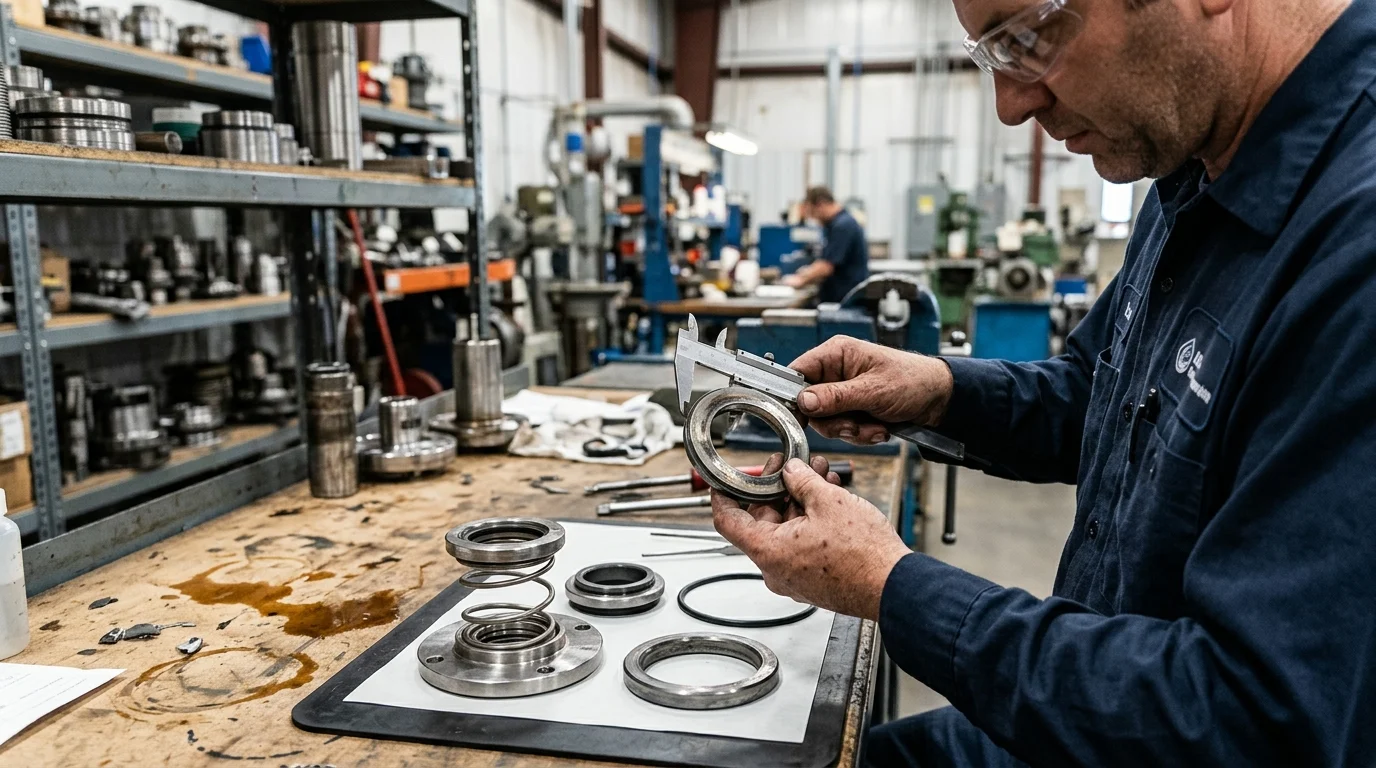
Proper installation techniques are crucial for ensuring the longevity of Flygt seals. Following manufacturer guidelines can significantly reduce the risk of installation errors. Here are the key steps outlined in manufacturer manuals:
- Preparation and Inspection: Clean all pump components and inspect the shaft and seal chamber for wear or damage.
- Verifying Compatibility: Ensure the FS-SL80 seal is compatible with your pump model and gather necessary tools.
- Preparing Seal Components: Unpack and inspect seal components, applying lubricant to O-rings.
- Installing the Stationary Seal Face: Carefully install the stationary seal face into the seal chamber.
- Mounting the Rotating Seal Assembly: Slide the rotating seal assembly onto the pump shaft and secure it.
- Post-Installation Checks: Verify proper installation and perform initial start-up procedures.
Adhering to these steps minimizes human error, a leading cause of premature seal failure. Additionally, built-in verification steps during installation further ensure seal durability.
Operational Best Practices
Implementing operational best practices is essential for minimizing Flygt seal leakage. Operators should follow these recommendations:
- Follow the manufacturer's guidelines for installation to ensure compatibility with the pump model.
- Ensure proper alignment between the rotating shaft and pump housing during installation.
- Conduct regular inspections to detect signs of wear or damage early.
- Maintain cleanliness and lubrication of seals to prevent performance issues.
Furthermore, training personnel on correct operating procedures enhances overall system performance. Developing standard operating procedures (SOPs) for routine checks and troubleshooting can also help in recognizing and responding to unusual noises, vibrations, or leakage promptly.
By integrating these operational best practices, organizations can significantly reduce the risk of Flygt seal leaks and ensure optimal performance of their systems.
Comprehensive Maintenance Tips for Flygt Seals

Scheduled Maintenance Routines
Implementing a scheduled maintenance routine is essential for the longevity of Flygt seals. Regular inspections help identify potential issues before they escalate. Operators should adhere to the following practices:
- Conduct weekly visual inspections to check for signs of wear or leakage.
- Perform monthly checks of operating parameters, including pressure and temperature.
- Schedule comprehensive examinations every six months or annually, depending on the application.
Additionally, routine maintenance should include:
- Regular cleaning of seal faces to remove debris.
- Ensuring proper lubrication to maintain optimal performance.
- Monitoring operating conditions to prevent excessive wear.
Tools and Materials for Repairs
Having the right tools and materials is crucial for effective Flygt seal repairs. Operators should prepare the following items before starting any maintenance work:
- Shut down the pump and isolate it from the power source.
- Remove the protective cover of the pump.
- Gently remove any visible debris using a soft brush or cloth.
- Clean the seal surfaces with a mild detergent or solvent.
- Rinse the seals thoroughly with clean water.
- Inspect the seals again to ensure all contaminants have been removed.
- Apply a thin layer of lubricant for optimum performance.
Following these steps ensures that the repair process is efficient and minimizes the risk of future leaks.
When to Seek Professional Help
Operators should recognize when to seek professional assistance. If they encounter persistent leakage issues despite following maintenance routines, it may indicate deeper problems. Additionally, if the seal shows signs of significant wear or damage, consulting a professional can prevent further complications. Engaging experts ensures that repairs are conducted correctly and that the Flygt pump seal operates efficiently.
Identifying and addressing Flygt seal leaks is vital for maintaining operational efficiency. Implementing comprehensive maintenance practices enhances reliability and reduces costs. Regular upkeep prevents unexpected failures, ensuring optimal performance and longevity of Flygt pumps. Prioritize these practices for sustained success.
FAQ
What are the signs of a failing flygt pump seal?
Common signs include visible leaks, unusual noises, and increased vibration during operation.
How often should I inspect my flygt pump seal?
Inspect the flygt pump seal at least once a month to ensure optimal performance and prevent leaks.
Can I replace the flygt pump seal myself?
Yes, with proper tools and knowledge, operators can replace the flygt pump seal. However, professional help is recommended for complex issues.