



Why fast OEM seal delivery matters beyond unit price
Procurement professionals often focus heavily on the unit price of industrial components, but the actual cost equation for critical hardware is far more complex. In modern manufacturing, the availability of components directly dictates operational continuity. A missing O-ring or hydraulic gasket can paralyze an entire assembly plant, shifting the procurement priority from baseline cost to supply chain velocity.
Hidden costs of late seal deliveries
The most severe financial impact of a delayed shipment is not the administrative hassle, but the resulting production downtime. In automotive or heavy machinery manufacturing, an assembly line stoppage can incur costs ranging from $10,000 to over $50,000 per hour. When a critical seal is out of stock, OEMs also face secondary costs such as expedited emergency freight charges, overtime pay for idled factory workers, and potential contractual penalties for missing final product delivery deadlines.
Furthermore, inconsistent delivery schedules force buyers to maintain artificially high buffer stocks. Holding excess inventory ties up capital and consumes valuable warehouse space, counteracting lean manufacturing principles. Ultimately, saving a few cents on the unit price of a seal becomes irrelevant if late deliveries trigger thousands of dollars in operational losses.
What fast OEM seal delivery means in practice
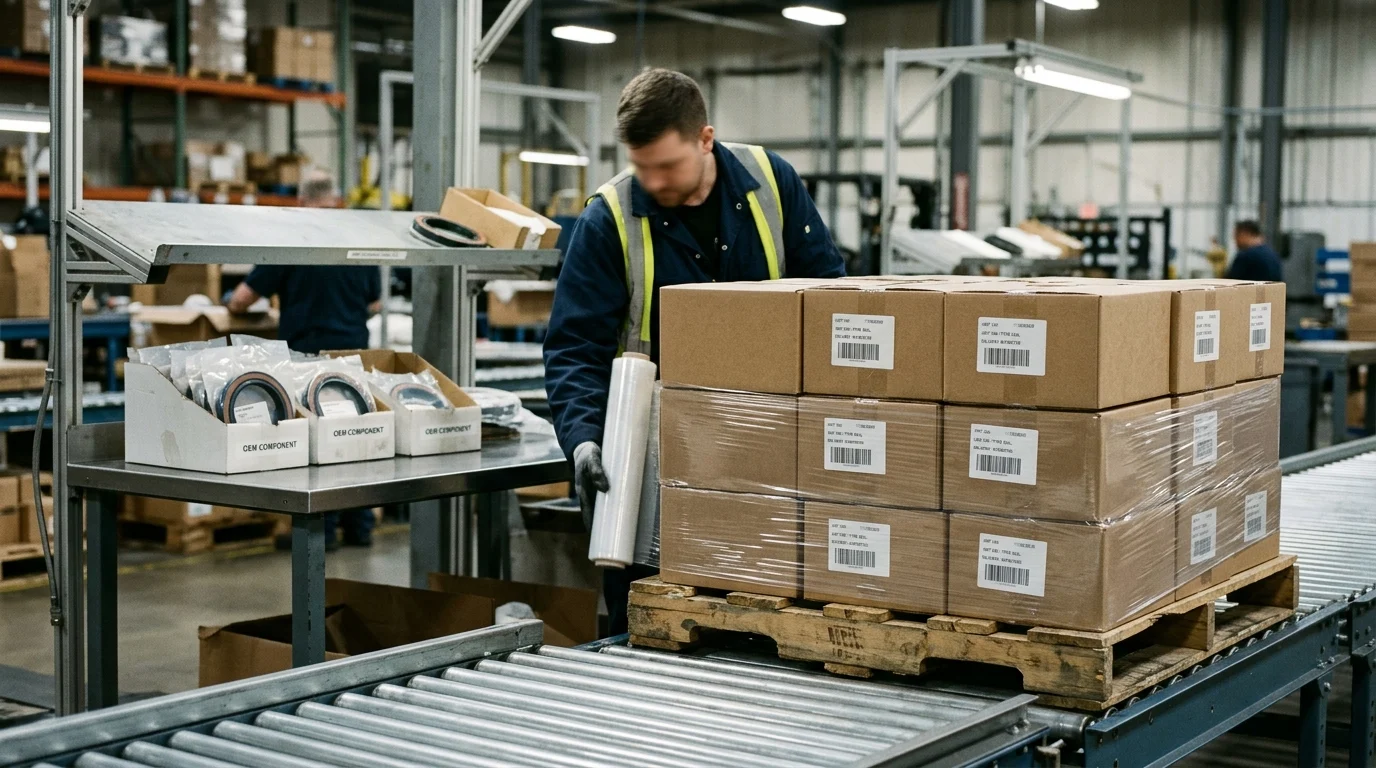
In industrial procurement, fast delivery OEM seals refers to a supplier's ability to consistently meet aggressive lead times without compromising dimensional accuracy or material performance. For standard stocked items, fast delivery typically translates to order dispatch within 24 to 48 hours.
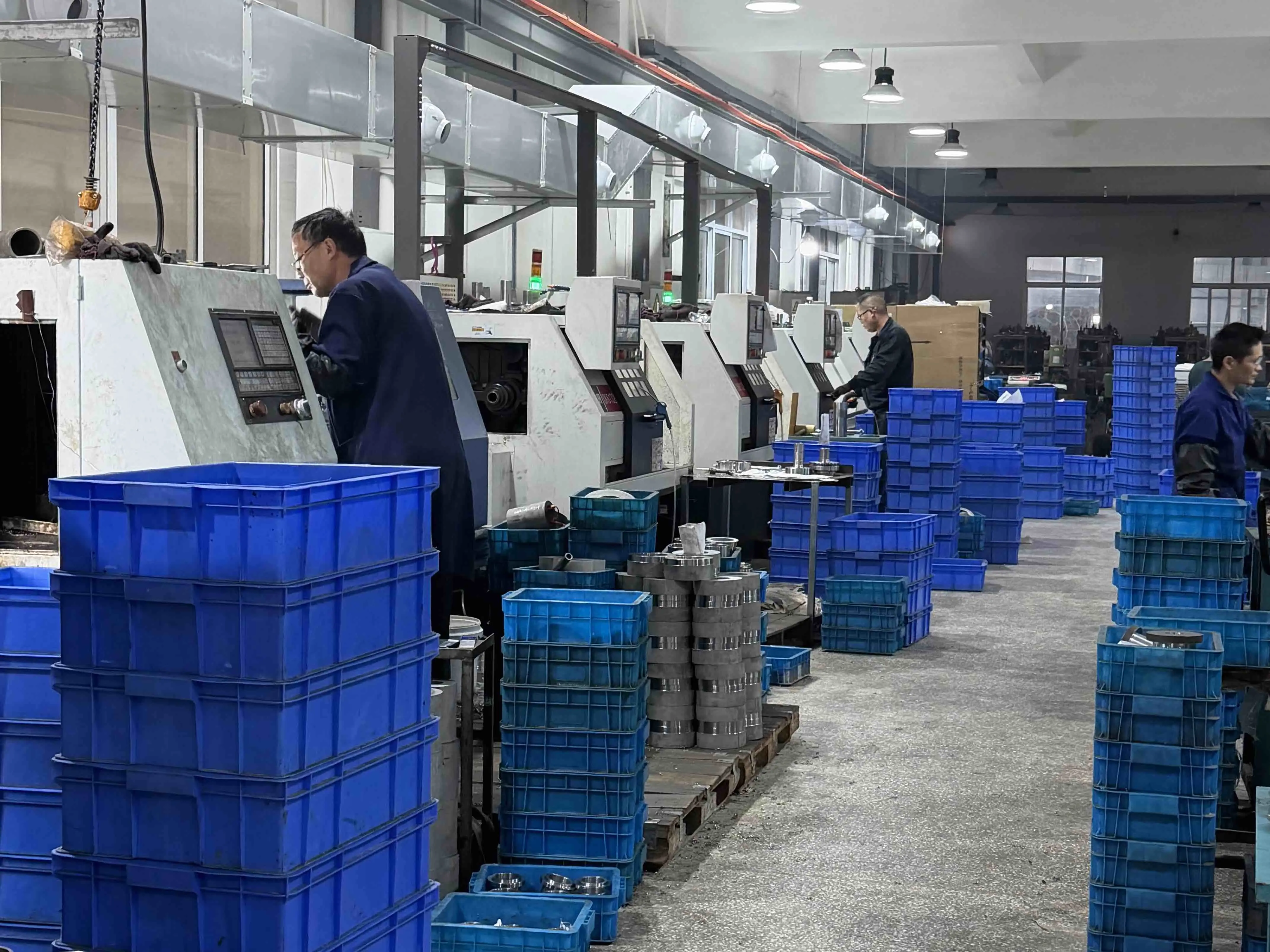
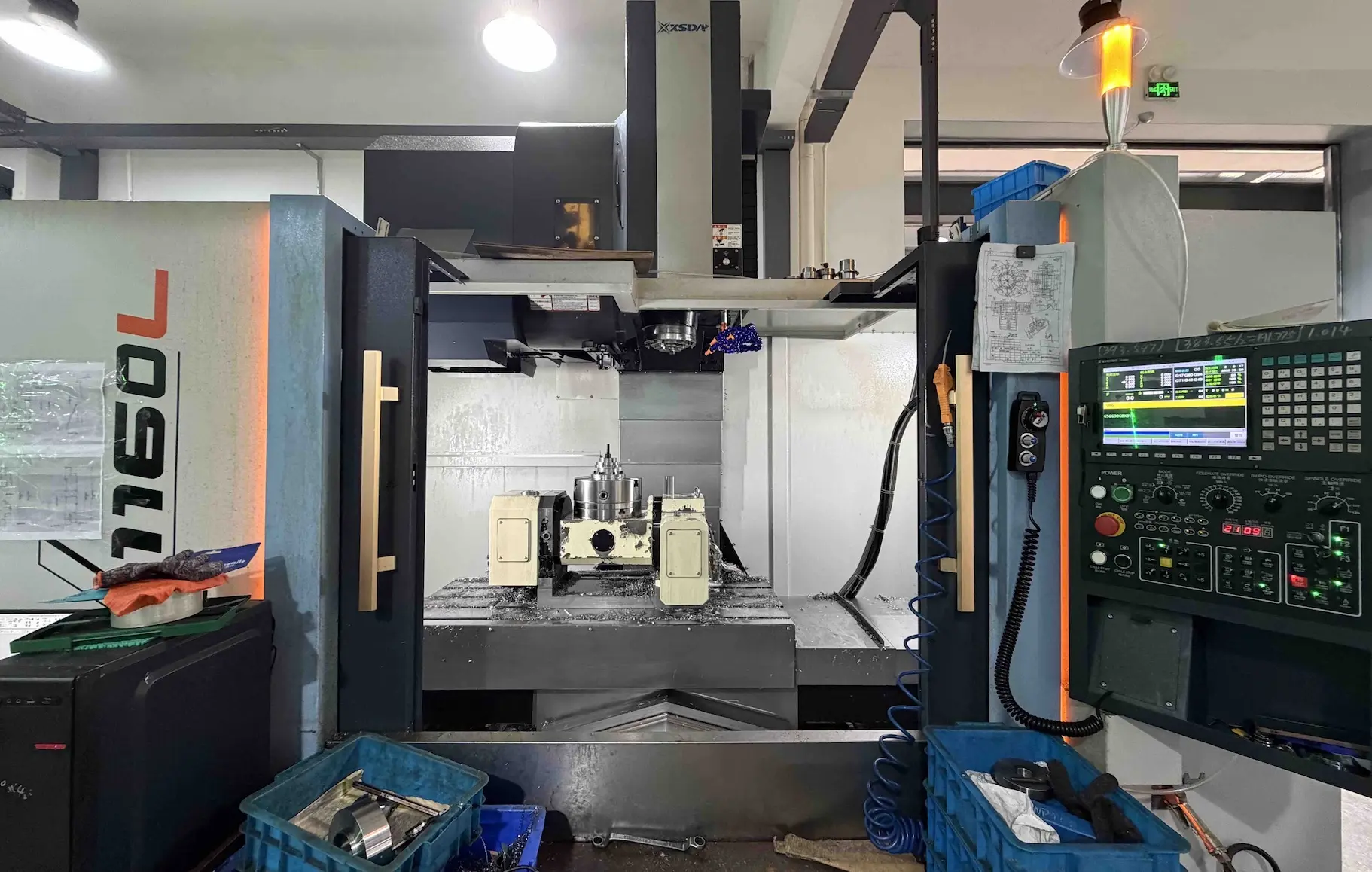
However, true supply chain agility is proven during custom or non-stock orders. In practice, a highly capable supplier can fulfill non-stock custom seal requirements with a standard lead time of 7 to 10 working days. For urgent production emergencies, expedited options can compress this cycle to just 3 to 5 days. Achieving these metrics requires the supplier to have raw materials pre-staged and dedicated quick-turn manufacturing cells ready to activate.
Why OEM seal deliveries get delayed
When a shipment of critical components fails to arrive on time, it is rarely an isolated accident. Delivery delays are typically the symptom of deeper systemic inefficiencies within the manufacturing or logistics network. Understanding these structural weaknesses is the first step in auditing a supply chain for long-term resilience.
Common supply chain bottlenecks for custom and standard seals
One of the most frequent bottlenecks in custom seal production is the procurement and compounding of specialized raw elastomers, such as aerospace-grade FKM or highly saturated NBR. If a manufacturer relies exclusively on just-in-time material purchasing, upstream chemical shortages will immediately halt their extrusion or molding lines.
Another major constraint is tooling and minimum order quantity (MOQ) management. Creating new molds for custom profiles can introduce a 4-to-6-week delay if the supplier outsources their toolroom operations. Additionally, rigid production queues cause delays; if a factory requires a 10,000-piece batch to justify machine setup, smaller OEM orders will languish in the backlog until enough aggregate demand triggers a production run.
Supplier criteria that predict delivery reliability
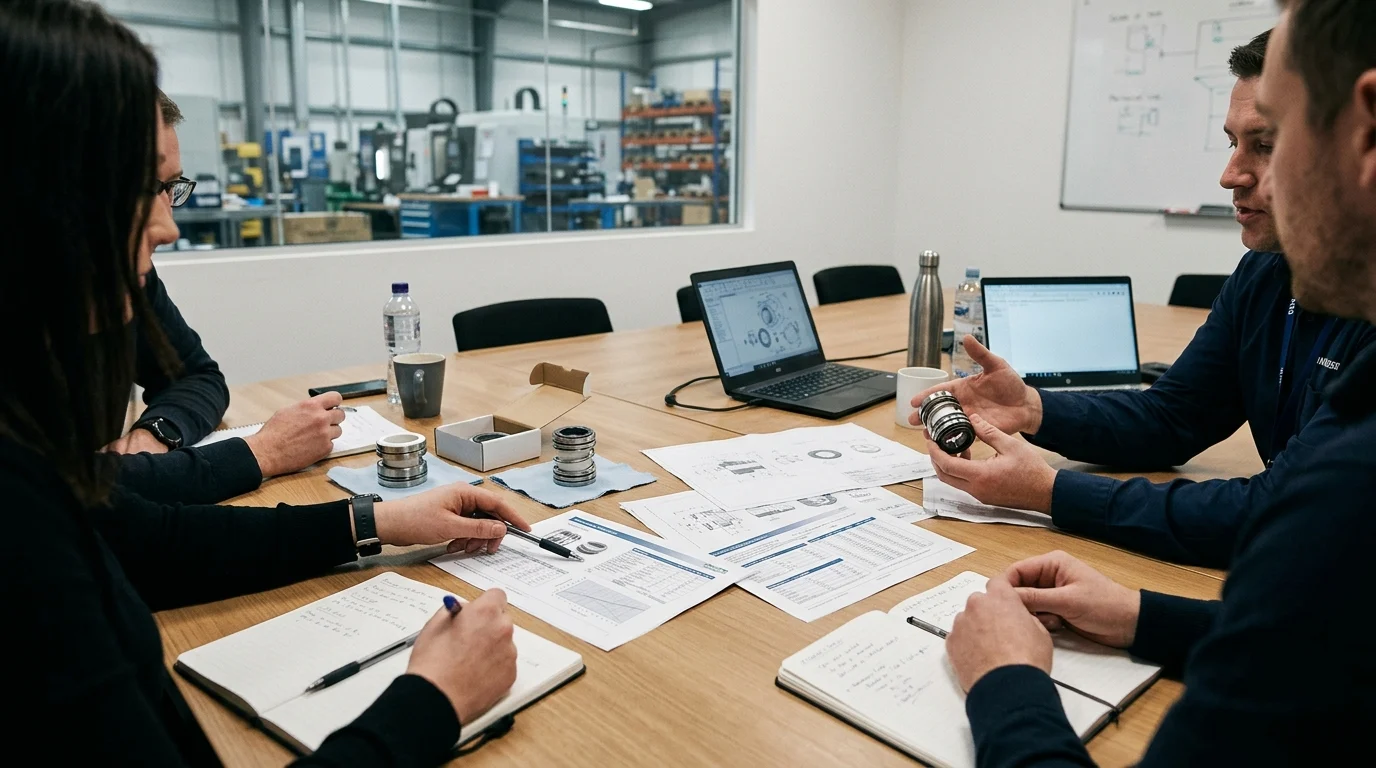
Procurement teams must evaluate specific operational criteria to predict whether a manufacturer will be a reliable partner. True reliability is evidenced by in-house tooling capabilities, vertical integration of elastomer mixing, and a transparent digital infrastructure for order tracking.
The table below illustrates the contrasting metrics between standard and highly reliable seal suppliers:
| Supplier Capability | Average/Standard Supplier | High-Reliability Partner |
|---|---|---|
| Custom Tooling Lead Time | 4 to 6 weeks | 1 to 2 weeks (In-house) |
| Non-Stock Lead Time | 20 to 30 days | 7 to 10 days |
| Expedited Production | Rarely supported | 3 to 5 days |
| Order Visibility | Manual email updates | Real-time digital tracking portal |
| Missed Deadline Policy | Buyer pays premium freight | Supplier covers expedited shipping |
How OEM buyers can secure faster seal delivery
Securing reliable component streams requires moving away from reactive purchasing and establishing structural integration with capable manufacturing partners. By leveraging sophisticated inventory frameworks, buyers can effectively eliminate the risk of line stoppages.
How supplier systems support fast delivery
The speed at which a manufacturer can deliver is not an accident; it is the direct result of systemic capabilities in inventory strategy, production elasticity, and logistics. Advanced suppliers utilize digital order tracking portals, allowing procurement teams to monitor real-time status from order confirmation through final shipment.
GW SEAL's commitment highlights this systemic approach. By actively investing in expansive buffer inventory, scalable capacity, and robust logistics networks, they ensure that an OEM partner's production line never stops due to a missing seal. Furthermore, accountability is built into the system: in the rare event that a promised delivery date is missed, expedited shipping is provided at no extra cost to the buyer.
Practical sourcing steps for buyers
When evaluating OEM seal supplier reliability, buyers must look beyond the initial quotation. The primary action step for procurement is to assess a supplier's delivery infrastructure because delivery capability directly dictates production continuity. Buyers should inquire about the availability of quick ship seals and demand clear service level agreements (SLAs) for both standard and expedited requests.
To secure the fastest possible turnaround, buyers should establish Vendor Managed Inventory (VMI) or Just-In-Time (JIT) programs with their suppliers. These programs synchronize manufacturing outputs with the OEM's exact assembly schedule, effectively shifting the burden of inventory management to the supplier while guaranteeing zero-delay availability. Ultimately, partnering with a supplier that treats delivery speed as a core competency ensures that manufacturing operations remain lean, predictable, and profitable.
Key Takeaways
- Wholesale sourcing and supply-chain implications for fast delivery OEM seals
- Specifications, compliance, and commercial terms buyers should validate
- Actionable recommendations for distributors and procurement teams
Frequently Asked Questions
For standard stocked seals, fast delivery usually means dispatch within 24–48 hours. For custom non-stock seals, reliable suppliers often deliver in 7–10 working days, with urgent options in 3–5 days.
A delayed seal can stop production, trigger emergency freight, add overtime costs, and cause missed shipment penalties. In many plants, one hour of downtime costs far more than any small unit-price savings.
Common causes include raw material shortages, outsourced tooling, long production queues, and high MOQs. Delays are more likely when suppliers lack in-house tooling or do not keep key elastomer materials ready.
Share forecasts early, confirm material and drawing details upfront, and qualify suppliers with quick-turn capacity. It also helps to keep safety stock for critical parts and use suppliers that offer order tracking.
GW SEAL emphasizes in-house manufacturing capability, faster tooling response, and OEM seal solutions designed for quick turnaround. Buyers can shorten lead times by sending specifications early through www.gwoemseal.com and confirming urgency at quotation stage.