

How a Leading Manufacturer Supports Your Unique Design Requirements
Introduction
Choosing an OEM mechanical seal manufacturer affects far more than unit cost. The right supplier can improve seal life, reduce leakage risk, and limit unplanned downtime by matching materials, face designs, and support capabilities to your actual operating conditions. This article explains what to assess beyond price, including engineering depth, customization options, quality control, testing standards, and responsiveness for demanding applications. By the end, you will have a practical framework for comparing manufacturers based on total lifecycle value rather than short-term purchasing savings, making it easier to select a partner that supports reliability, safety, and long-term equipment performance.
Why evaluate an OEM mechanical seal manufacturer beyond price
When sourcing critical rotating equipment components, procurement teams often default to the lowest unit price. However, evaluating an OEM seal manufacturer solely on upfront costs ignores the substantial financial impact of operational downtime, maintenance labor, and premature component degradation. A comprehensive evaluation must account for the total cost of ownership across the equipment's entire operational lifecycle.
Where standard mechanical seals fail in demanding conditions
Off-the-shelf mechanical seals are engineered for broad, general-purpose applications, which leaves them vulnerable in extreme industrial environments. In sectors like oil and gas, mining, or chemical processing, standard elastomers and face materials rapidly degrade when subjected to abrasive slurries, high-viscosity fluids, or corrosive acids. For instance, standard carbon-ceramic faces may experience catastrophic failure when system pressures exceed 300 PSI or when continuous operating temperatures surpass 400°F (204°C). Under such demanding conditions, microscopic face distortions occur, leading to fluid leakage, secondary bearing damage, and unexpected pump shutdowns.
How custom OEM support reduces total lifecycle cost
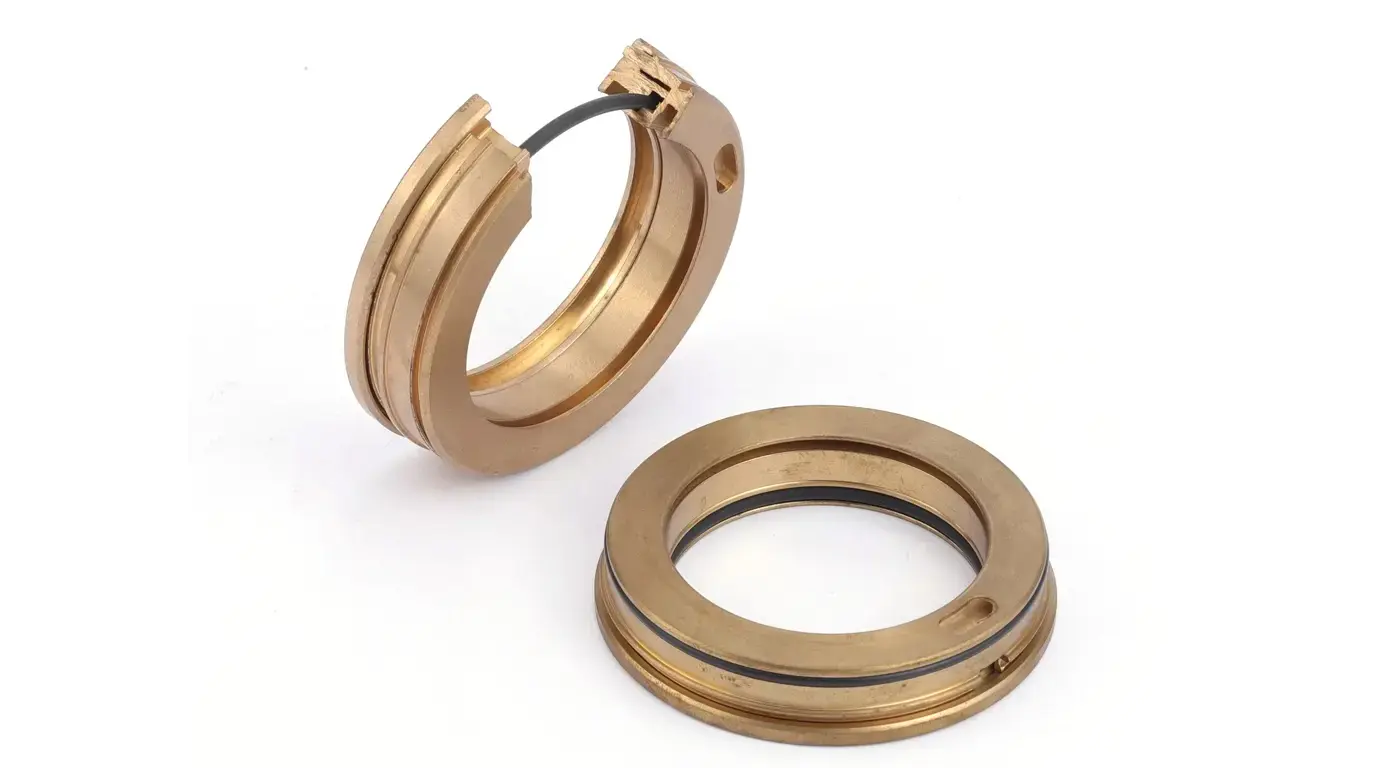
Partnering with a specialized manufacturer allows industrial facilities to engineer solutions tailored to exact fluid dynamics and thermal parameters. Custom designs optimize face topography and utilize advanced metallurgy, directly extending the Mean Time Between Failures (MTBF). By upgrading to application-specific seal geometries, industrial plants frequently observe a 30% to 40% reduction in overall lifecycle costs. The initial premium paid for a custom-engineered seal is rapidly offset by the elimination of repetitive maintenance cycles, reduced product loss, and the prevention of catastrophic pump failures.
What technical capabilities define a strong OEM mechanical seal manufact
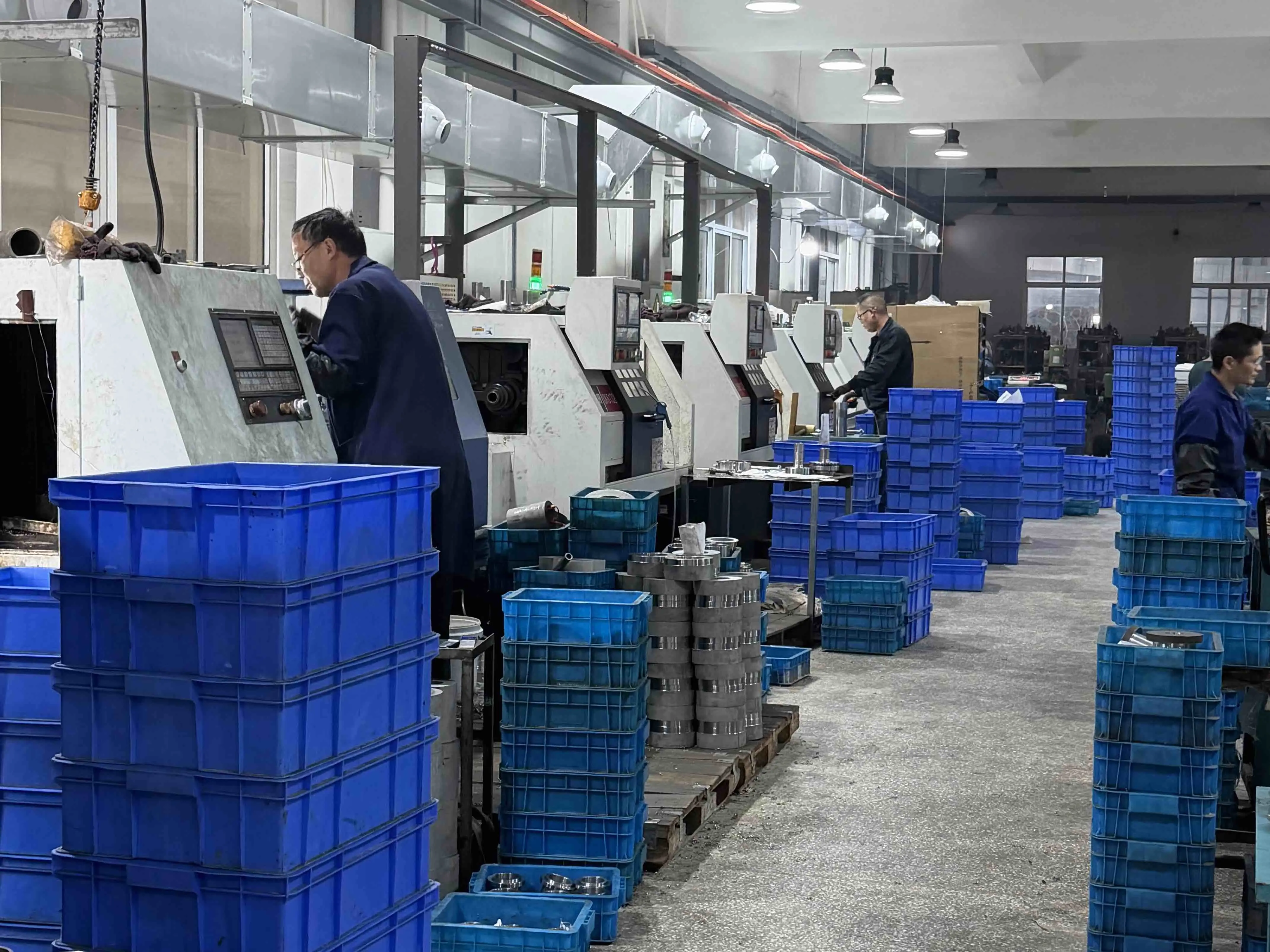
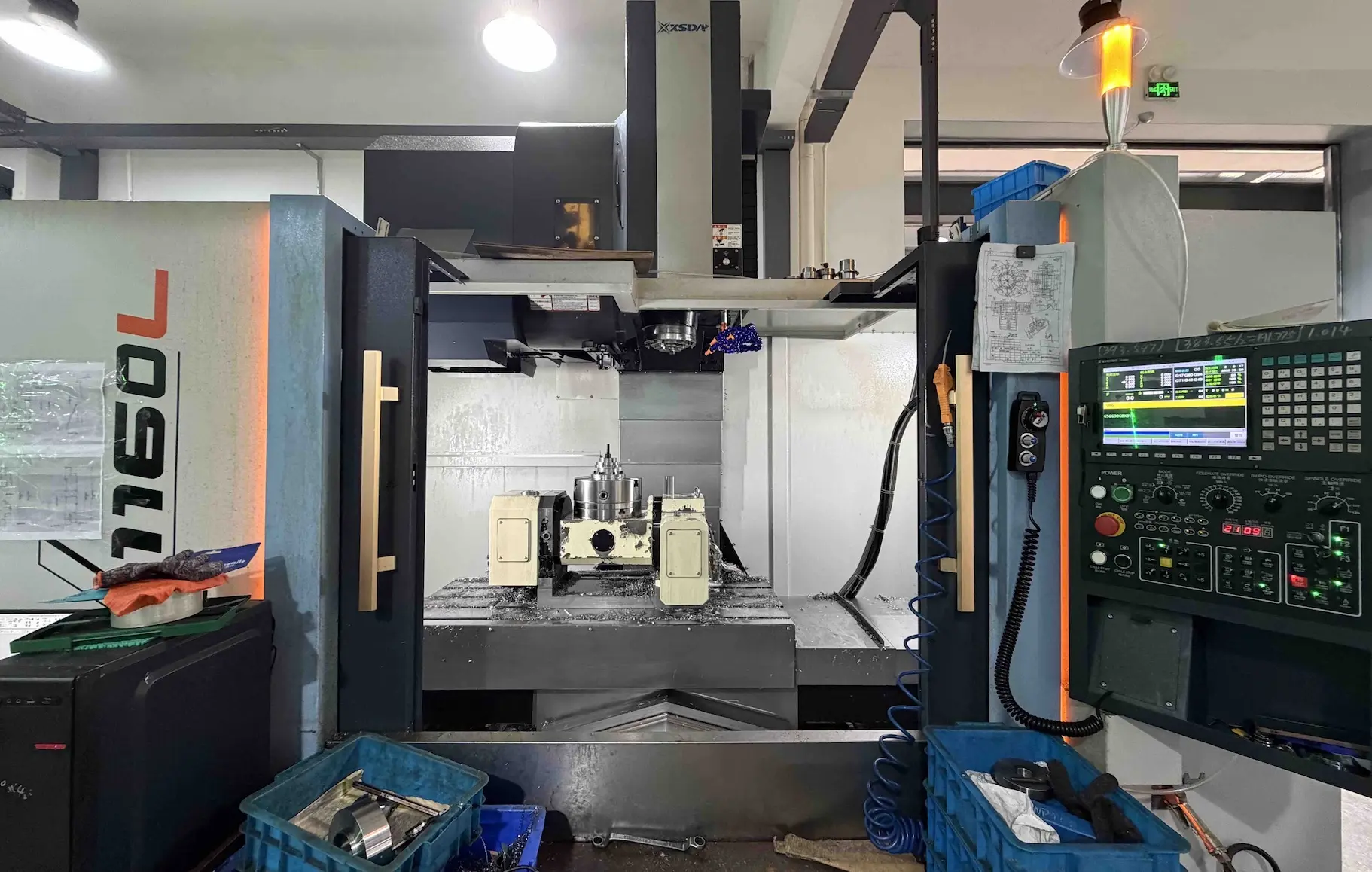
A robust manufacturer must possess the engineering infrastructure to translate complex fluid handling challenges into reliable, precision-machined sealing solutions. Evaluating their technical capabilities ensures the final product will withstand specific operational stresses while maintaining strict compliance with industry safety standards.
Which engineering, materials, and application data to review
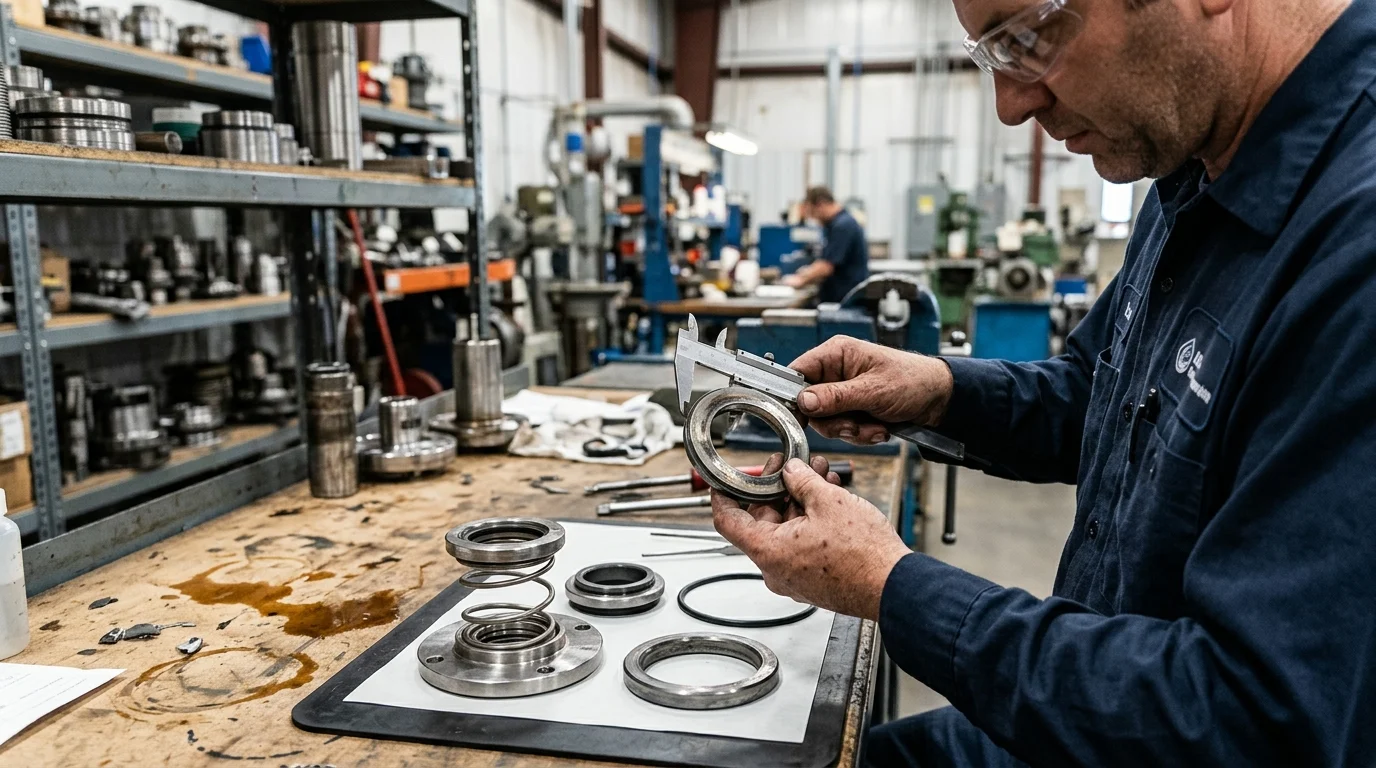
Technical vetting begins with a comprehensive review of the supplier's material science expertise and engineering library. A highly capable manufacturer should offer an extensive portfolio, often exceeding 1,500 distinct seal profiles, to accommodate diverse rotating machinery including pumps, mixers, and compressors. Procurement engineers must verify the availability of premium face materials, such as sintered Silicon Carbide (SiC) or Tungsten Carbide (TC). These materials offer superior hardness—frequently exceeding 2,500 Vickers—and exceptional thermal conductivity to dissipate heat generated by friction.
How to compare custom, cartridge, and standard seal options
| Seal Architecture | Installation Complexity | Typical Maintenance Downtime | Best Application Environment |
|---|---|---|---|
| Standard Component | High (Requires precise measurement) | 4 to 6 hours | General water and light chemical duty |
| Cartridge Seal | Low (Pre-assembled unit) | 1 to 2 hours | High-pressure, critical fluid handling |
| Custom OEM | Moderate to Low (Application specific) | Variable based on design | Extreme temperatures, abrasive slurries |
How procurement teams should choose an OEM mechanical seal manufacturer
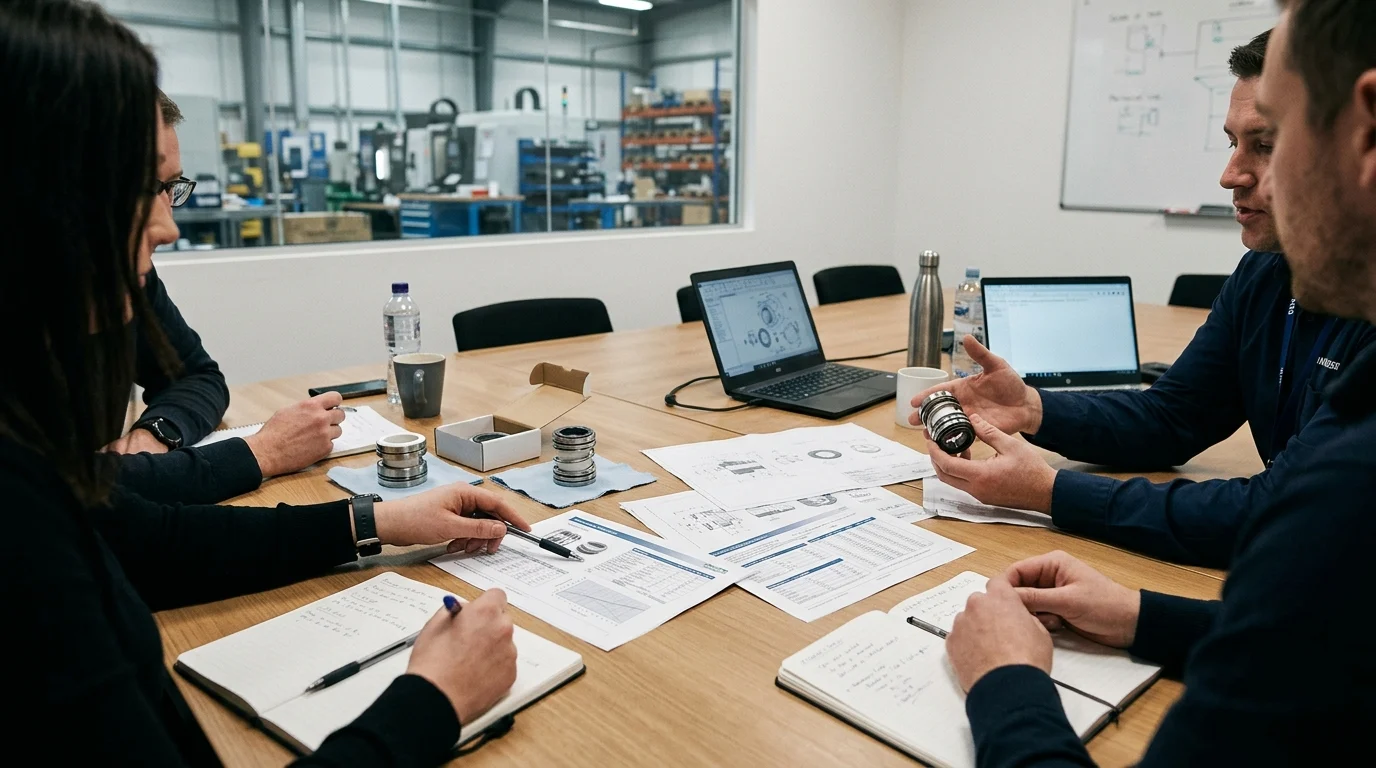
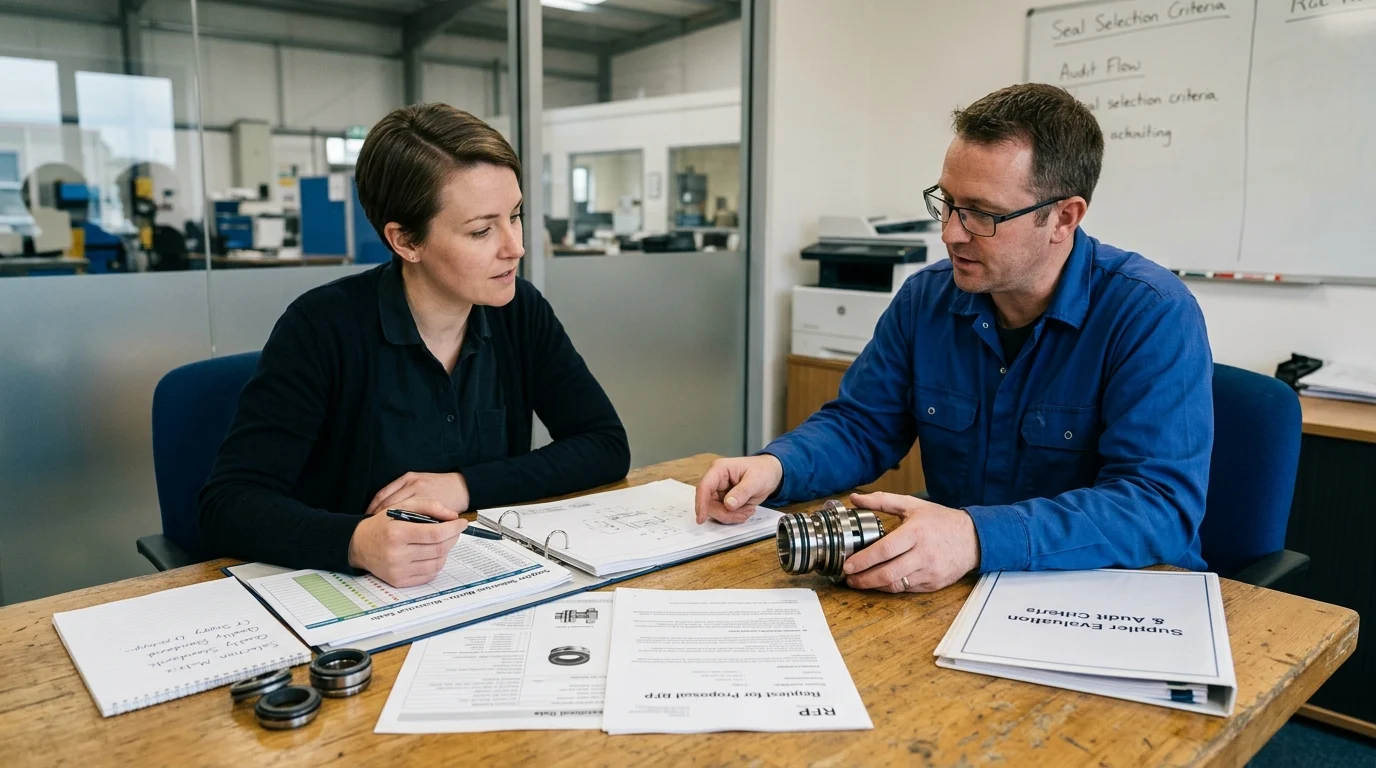
Identifying a reliable supply partner requires procurement teams to look beyond technical specifications and assess the organizational resilience of the manufacturer. Establishing a clear, step-by-step journey to a custom mechanical seal—from initial technical consultation and raw material selection to precision machining and final ISO-certified assembly—ensures consistent quality and reliable global fulfillment.
Which quality, certification, inventory, and delivery factors matter
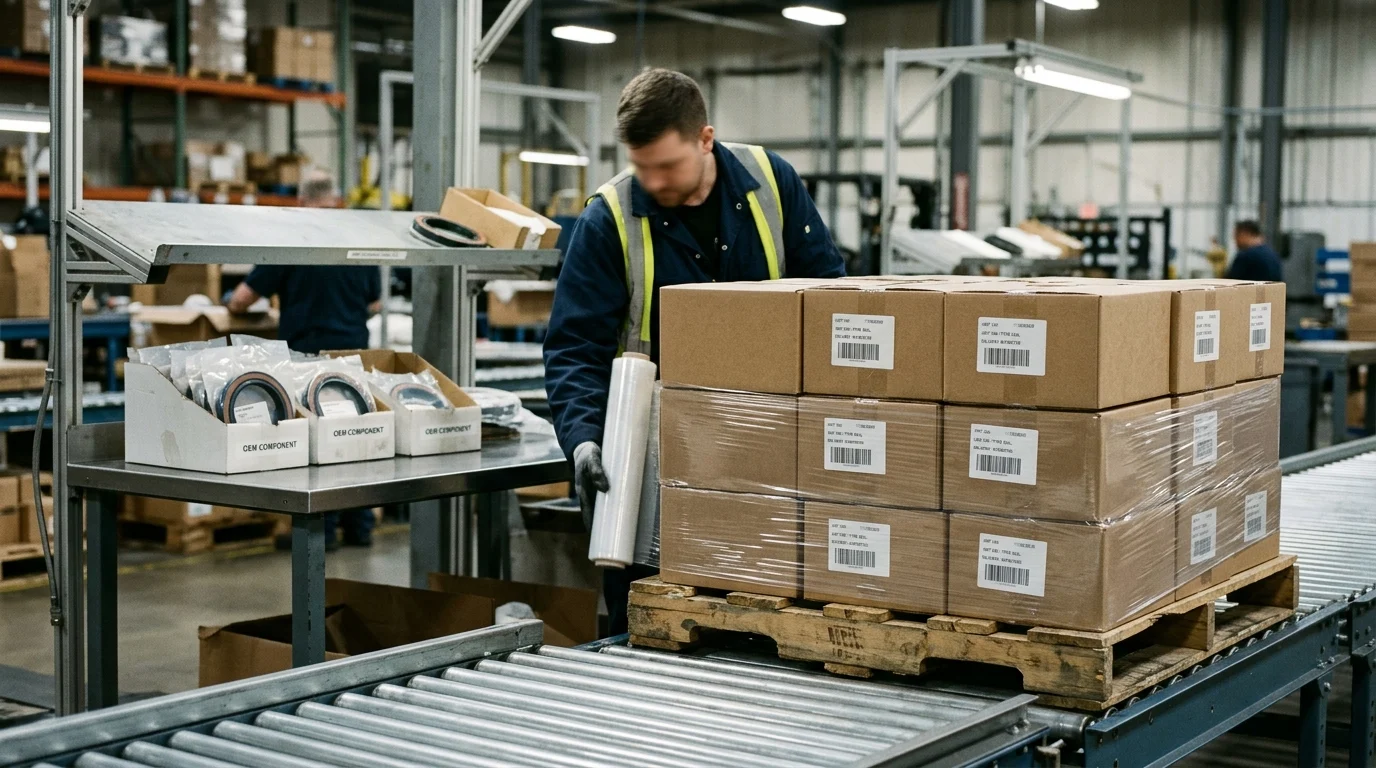
Supply chain volatility demands manufacturers with robust inventory management and stringent quality control frameworks. Top-tier suppliers mitigate supply risks by maintaining substantial physical inventories; for example, a facility operating a 2,000-square-meter warehouse integrated with a modern Warehouse Management System (WMS) can dramatically accelerate order fulfillment. Lead times for critical replacement components can be compressed from standard industry averages down to an expedited window of just 3 to 7 days. Additionally, verifiable ISO 9001 certification guarantees that every phase of production adheres to rigid, repeatable quality standards.
How to assess supplier fit for long-term OEM partnership
Long-term viability hinges on a supplier’s historical performance and their ability to provide high-value alternatives to legacy market brands. Manufacturers with over two decades of dedicated industry experience possess the advanced tooling and institutional knowledge required to produce exact, high-quality alternatives to established names like John Crane, EagleBurgmann, Vulcan, or Roten. By choosing a specialized OEM seal manufacturer, procurement departments secure highly engineered components at a more competitive price point without sacrificing operational reliability.
Key Takeaways
- The most important conclusions and rationale for OEM mechanical seal manufacturer
- Specs, compliance, and risk checks worth validating before you commit
- Practical next steps and caveats readers can apply immediately
Frequently Asked Questions
Review lifecycle cost, seal failure history, material compatibility, engineering support, lead times, quality control, and after-sales service. A lower unit price can become costly if it increases downtime or maintenance.
Choose a custom OEM seal for abrasive slurries, corrosive fluids, high pressure, extreme temperatures, or legacy equipment. Custom designs improve fit, material performance, and long-term reliability.
Look for options such as Silicon Carbide, Tungsten Carbide, carbon, ceramics, and compatible elastomers. The manufacturer should recommend materials based on fluid, temperature, pressure, and speed.
Cartridge seals are pre-assembled and preset, reducing installation error and downtime. They are practical for high-pressure or critical fluid handling where fast, reliable maintenance is important.
Ask for application references, engineering data, material options, quality certifications, customization experience, and technical support processes. A capable supplier should help diagnose failures and improve seal performance.