



Save Money on Mechanical Seals: Smart OEM Strategies

OEMs often face significant cost challenges when sourcing OEM Mechanical Seals. Common issues include:
- Expense of downtime during seal failure
- Costs associated with sourcing new or custom parts
- Risks of using non-OEM or lower-quality parts
- Costs related to inadequate maintenance or improper installation
- Potential operational shutdowns due to seal issues
- Supply chain vulnerabilities affecting part availability
Understanding these challenges is crucial for OEMs aiming to optimize their expenditures on OEM Mechanical Seals, and partnering with GW SEAL can provide effective solutions to mitigate these costs.
Key Takeaways
- Consolidate suppliers to reduce costs by up to 20%. Fewer suppliers lead to better relationships and bulk discounts.
- Optimize seal designs to simplify installation and maintenance. Simplified designs can save on labor costs and improve reliability.
- Focus on Total Cost of Ownership (TCO) rather than just initial price. High-quality seals may cost more upfront but save money in the long run.
Strategy 1: 🛒 Smart Sourcing – Consolidate and Partner with OEM Mechanical Seals
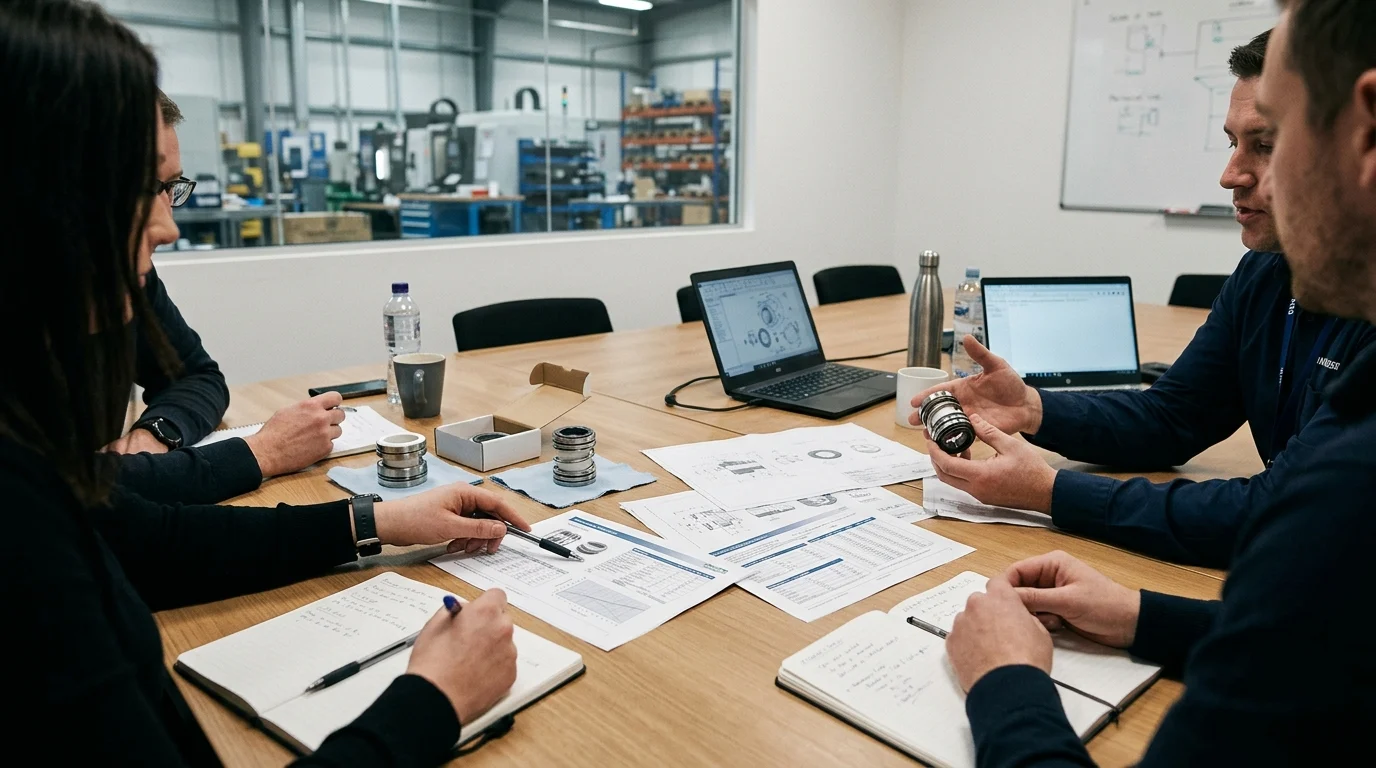
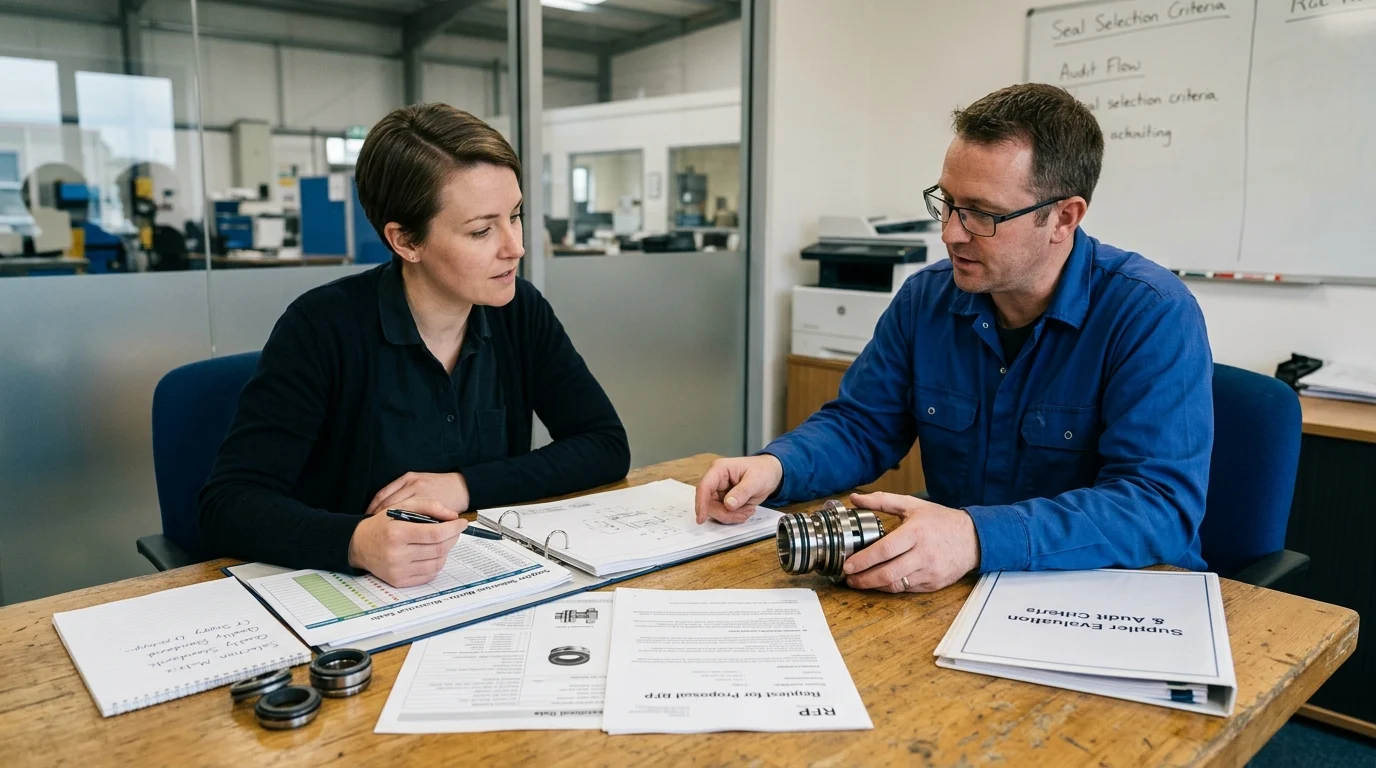
OEMs can significantly reduce costs by consolidating their suppliers for mechanical seals. This strategy not only streamlines procurement but also enhances supplier relationships. By partnering with fewer suppliers, OEMs can achieve several financial benefits:
| Benefit | Description |
|---|---|
| Cost Reduction | Managing fewer suppliers reduces administrative overhead and leads to bulk discounts, achieving savings of up to 20% on indirect procurement expenses. |
| Improved Efficiency | Consolidation simplifies procurement processes, resulting in a 15% improvement in lead times and procurement cycle efficiency. |
| Enhanced Supplier Relationships | Stronger relationships with key suppliers lead to better communication, favorable pricing, and collaborative innovation. |
| Reduced Risk | Fewer suppliers enable better quality control and supply chain visibility, minimizing production disruptions. |
| Increased Focus on Core Business | Internal teams can focus more on strategic initiatives rather than managing a fragmented supplier base. |
Global supply chain disruptions can complicate the sourcing of OEM mechanical seals. These disruptions often lead to production delays and increased lead times for critical sealing solutions. Additionally, volatility in raw material prices, especially for specialized elastomers and fluoropolymers, can affect manufacturers. Such fluctuations compress profit margins, resulting in higher costs for end-users.
By consolidating suppliers, OEMs can mitigate these risks and ensure a more stable supply chain. This proactive approach not only enhances operational efficiency but also supports long-term cost savings.
- Provide framework agreements for OEM customers to lock in annual prices.
- Offer tiered discounts based on committed annual usage volume.
- Supply a full range of seal types through one-stop service, reducing the number of suppliers.
Strategy 2: ⚙️ Design Optimization – Reduce Unnecessary Complexity in OEM Mechanical Seals
Design optimization plays a crucial role in reducing costs associated with OEM mechanical seals. Simplifying designs can lead to significant savings in both installation and maintenance. By focusing on essential features, OEMs can minimize unnecessary complexity, which often drives up costs.
Problem:Excessive customization leads to high costs.
- Non-standard dimensions → mold costs and small-batch production premiums
- Special materials → long procurement lead times and high unit prices
- Multiple models → complex inventory management
Solution:Prioritize standard parts while meeting functional requirements.
Specific Measures
- Dimensional standardization: Adopt standard shaft diameters and cavity dimensions compatible with commonly used seals on the market.
- Material simplification: Reduce the variety of sealing face and elastomer materials, lower costs through bulk purchasing.
- Modular design: Adopt a unified design for pump seal chambers, allowing seals to be shared across the same pump series.
By optimizing designs, OEMs can not only improve operational efficiency but also ensure compliance with environmental regulations. Effective sealing solutions minimize product wastage and prevent leaks, which can lower overall operational costs.
Support of GW SEAL
- Engineers can provide selection suggestions during the design phase.
- Provide a standard product catalog to encourage the adoption of universal specifications.
- Assist in value engineering analysis to identify cost optimization points.
Strategy 3: ⚖️ Total Cost of Ownership (TCO) – Buy Better, Not Cheaper for OEM Mechanical Seals

When evaluating mechanical seals, OEMs must consider the Total Cost of Ownership (TCO) rather than just the initial purchase price. This approach shifts the focus from short-term savings to long-term value. High-quality mechanical seals may have a higher upfront cost, but they often lead to lower overall expenses throughout their lifecycle.
Understanding TCO
TCO encompasses various cost factors, including:
- Acquisition Costs: The initial price of the seal.
- Installation Costs: Expenses related to fitting the seal into the equipment.
- Operational Costs: Energy consumption and personnel costs during operation.
- Maintenance Costs: Regular upkeep and repairs needed to keep the seal functioning.
- Downtime Costs: Financial losses incurred during production halts due to seal failures.
- Disposal Costs: Expenses associated with removing and disposing of the seal at the end of its life.
A comprehensive understanding of these factors allows OEMs to make informed decisions. For instance, a comparison of high-quality mechanical seals versus low-cost alternatives reveals significant differences in TCO:
| Aspect | High-Quality Mechanical Seals | Low-Cost Packing |
|---|---|---|
| Initial Cost | Higher | Lower |
| Maintenance | Less frequent | Frequent adjustments |
| Energy Consumption | Lower due to reduced friction | Higher due to friction |
| Service Intervals | Longer | Shorter |
| Total Cost of Ownership | Lower over lifecycle | Higher over lifecycle |
This table illustrates that while low-cost seals may seem attractive initially, they often lead to higher maintenance and operational costs over time.
Hidden Costs of Cheap Seals
Purchasing cheaper mechanical seals can introduce hidden costs that OEMs often overlook. These include:
- Increased maintenance and replacement costs due to frequent failures.
- Higher downtime costs from production halts.
- Potential regulatory compliance costs for testing and certification.
- Labor inefficiencies caused by poor seal performance.
- Supply chain disruptions leading to unpredictable lead times.
- Damage to customer relationships from quality issues.
- Shorter lifespan necessitating more frequent replacements.
These hidden costs can significantly impact an OEM's bottom line, making it essential to evaluate the long-term implications of seal choices.
The Importance of Quality
Investing in high-quality mechanical seals can yield substantial benefits. Premium seals typically offer:
- Reduced Downtime: High-quality seals minimize the risk of failure, leading to fewer production interruptions.
- Lower Maintenance Costs: With less frequent replacements and repairs, overall maintenance expenses decrease.
- Enhanced Reliability: Quality seals improve operational efficiency and reduce the likelihood of product contamination.
In critical applications, such as oil and gas, the cost of downtime can reach $220,000 per hour. Therefore, the choice of mechanical seals directly influences operational efficiency and profitability.
Strategy 4: Inventory Management – Reduce Carrying Costs of OEM Mechanical Seals
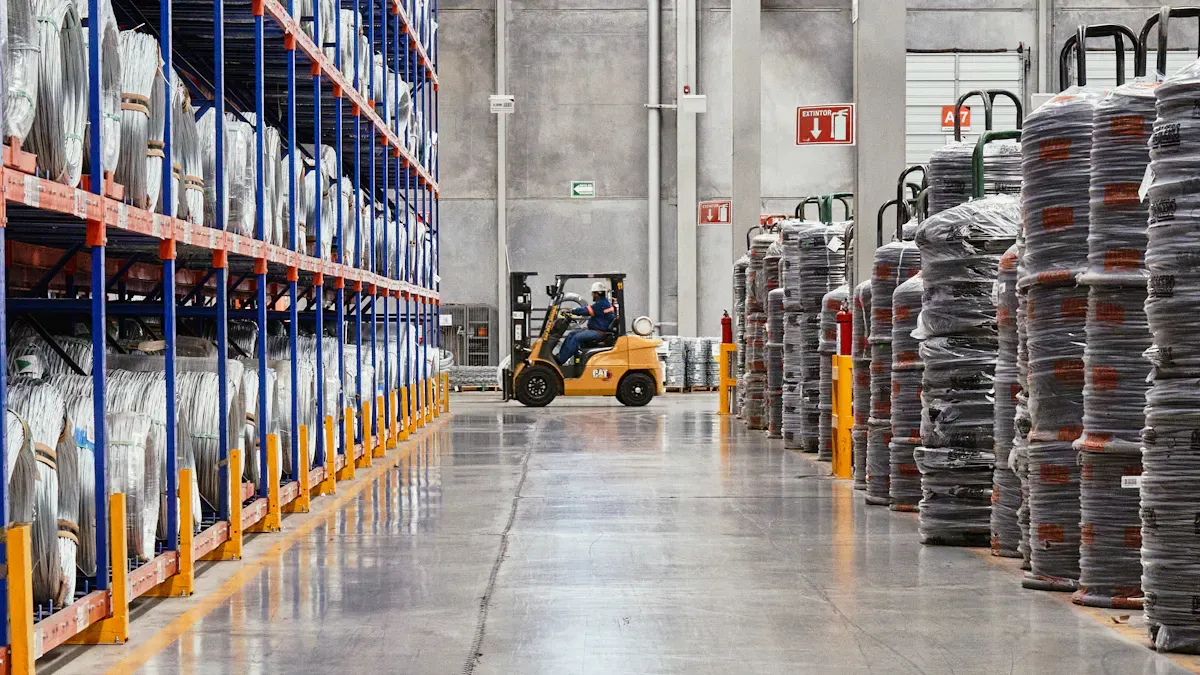
Effective inventory management is crucial for OEMs looking to reduce carrying costs associated with mechanical seals. By implementing strategic approaches, companies can optimize their inventory levels and minimize expenses.
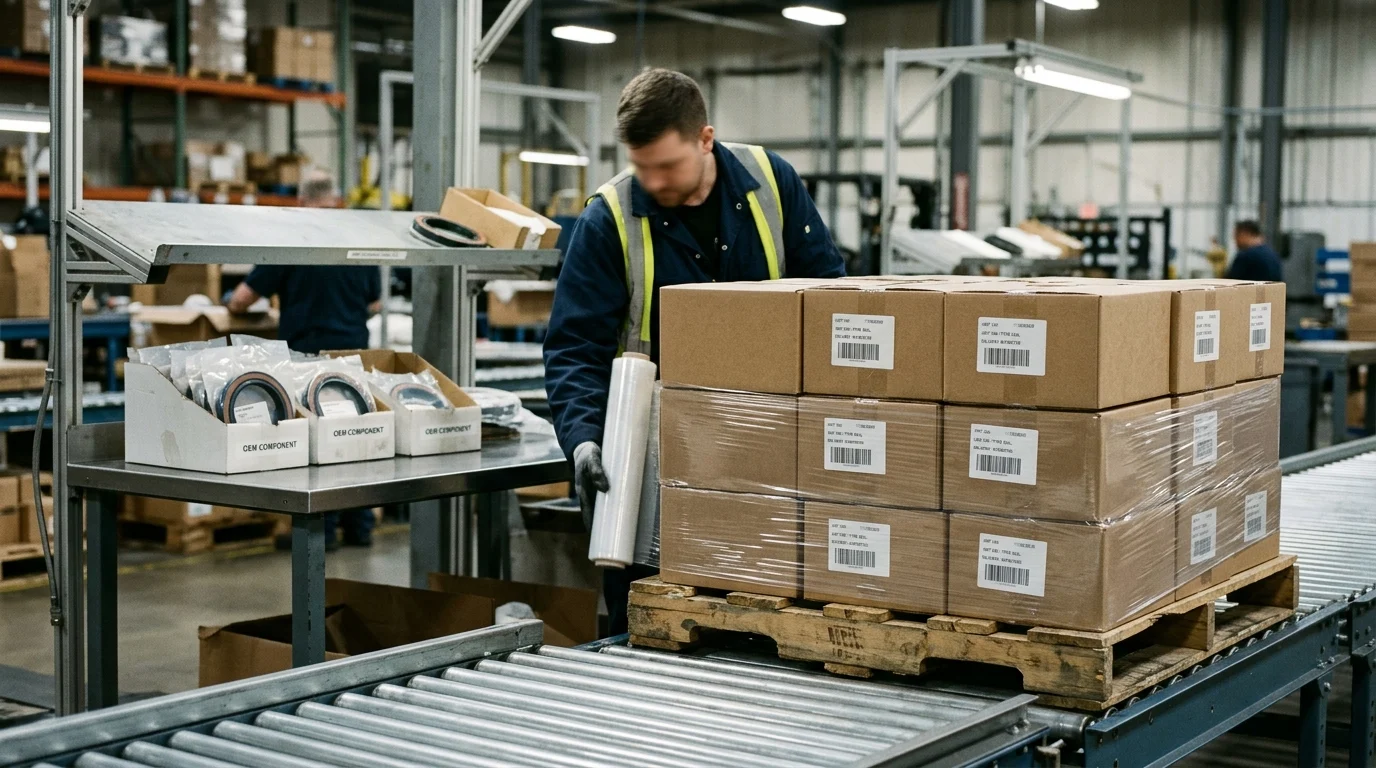
One effective strategy is the Just-In-Time (JIT) inventory system. Smart manufacturers using JIT can achieve reductions in carrying costs of 30-40%. This approach ensures that parts arrive only when needed, reducing the need for large stockpiles.
Another key tactic involves establishing agreements with suppliers. By managing high-usage consumables and fast-moving spares, OEMs can significantly lower holding costs. Prioritizing components based on criticality and risk also aids in effective inventory management. This prioritization helps focus resources on the most essential items, ensuring availability without excess.
Additionally, digital inventory management systems enhance cost efficiency. These systems provide:
| Evidence Point | Description |
|---|---|
| Real-time visibility | Offers up-to-date information on stock levels, reducing overstocking risks. |
| Predictive consumption forecasting | Utilizes historical data to anticipate future needs, optimizing order quantities. |
| Vendor lead-time integration | Aligns procurement schedules with supplier delivery times, minimizing delays. |
By leveraging these strategies, OEMs can streamline their inventory processes, reduce carrying costs, and improve overall operational efficiency.
Strategy 5: 🔧 Life Extension – Maintain, Don’t Just Replace OEM Mechanical Seals
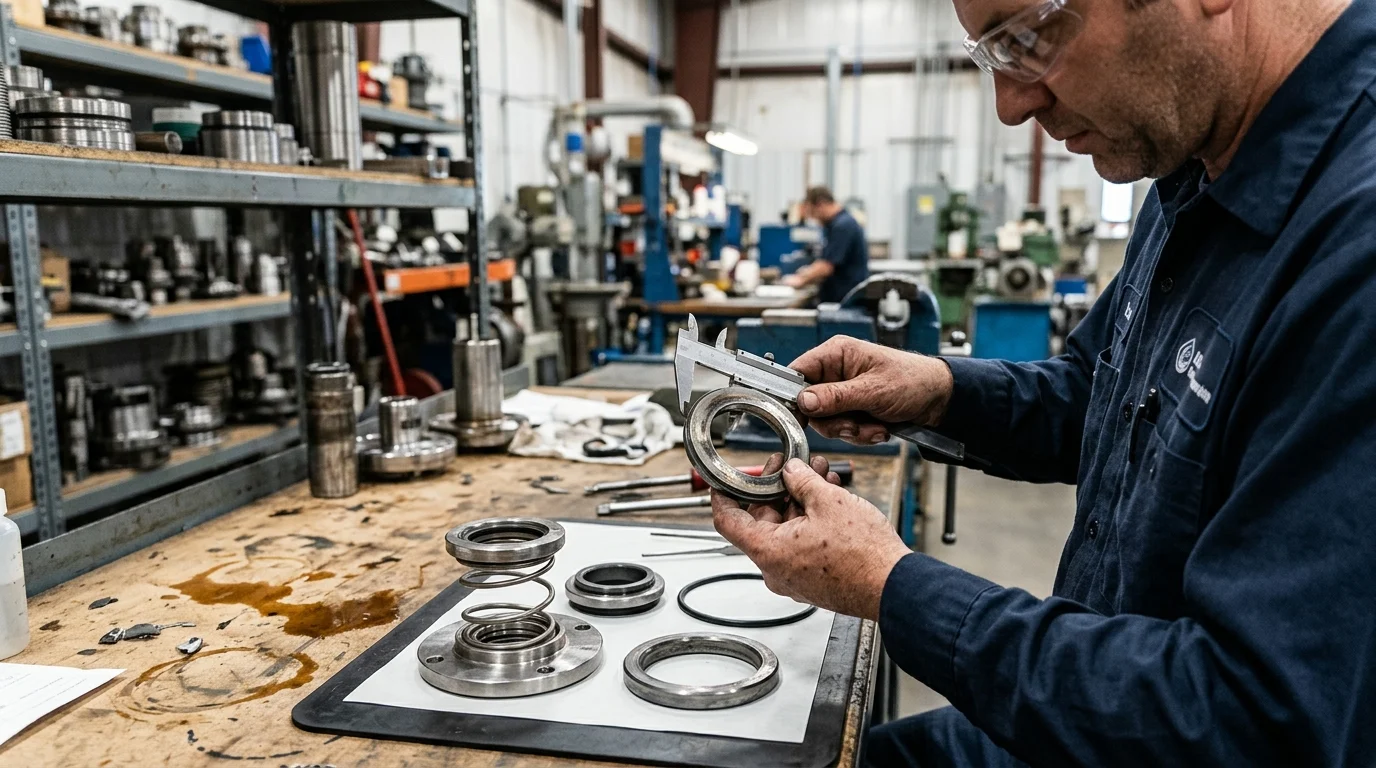
Maintaining OEM Mechanical Seals through proactive strategies can significantly extend their service life. Instead of waiting for seals to fail and replacing them, OEMs should focus on regular maintenance. This approach can enhance performance and reliability while reducing costs.
Key practices for effective maintenance include:
- Regular Inspections: Conducting routine checks helps identify early signs of wear. This proactive measure can prevent unexpected failures.
- Proper Lubrication: Ensuring seals receive adequate lubrication reduces friction and wear, enhancing their longevity.
- Alignment Checks: Regularly verifying alignment prevents excessive vibration, which can lead to premature seal failure.
- Monitoring Conditions: Keeping an eye on operating conditions allows for adjustments that maintain optimal performance.
Research indicates that proactive maintenance can extend the service life of mechanical seals to 90-100%. In contrast, reactive replacement strategies often result in a lifespan of only 65-75%.
The cost savings associated with extending the lifespan of mechanical seals through regular maintenance are substantial. Consider the following benefits:
| Strategy | Benefit |
|---|---|
| Regular Inspection | Identifies early signs of wear, preventing unexpected failures. |
| Proper Lubrication | Reduces friction and wear, enhancing seal performance and longevity. |
| Seal Repair Kits | Cost-effective for minor damages, reducing the need for replacements. |
| Scheduled Maintenance | Prolongs seal lifespan, saving on repair costs through proactive care. |
| Training and Education | Improves efficiency and reduces seal-related issues, saving time and money. |
| Quality Replacement Seals | Higher initial cost but reduces frequency of replacements and maintenance. |
By investing in maintenance, OEMs can avoid unexpected shutdowns, production losses, and emergency repairs. The cost of a seal failure can be 5 to 20 times higher than the seal itself, making maintenance a wise investment.
Case Study: How One OEM Saved 30% on Seal Costs
One OEM successfully reduced its mechanical seal costs by 30% through strategic initiatives. This company implemented a comprehensive approach that included smart sourcing, design optimization, and proactive maintenance.
First, the OEM consolidated its supplier base. By partnering with fewer suppliers, they achieved bulk discounts and improved communication. This consolidation led to a 20% reduction in procurement expenses.
Next, the OEM focused on design optimization. They simplified seal designs, which reduced installation time and minimized errors. This change not only lowered labor costs but also enhanced the reliability of the seals.
The OEM also prioritized maintenance planning. They established a pre-installation checklist to ensure proper setup. This checklist included verifying equipment dimensions and checking for shaft misalignment. Following installation guidelines, such as adhering to manufacturer torque specifications, further improved seal performance.
Regular monitoring of operating conditions became a standard practice. The OEM scheduled inspections to assess seal wear and elastomer degradation. This proactive approach extended the life of the seals and reduced replacement frequency.
The following table summarizes key lessons learned from this case study:
| Category | Key Points |
|---|---|
| Pre-Installation Checklist | - Verify equipment dimensions, alignment, and surface finishes. |
| - Check for shaft runout or misalignment. | |
| Installation Guidelines | - Follow manufacturer instructions (e.g., correct torque on all bolts). |
| Maintenance Planning | - Regularly monitor operating conditions (temperature, pressure, vibration). |
| Cost-of-Ownership | - High-performance seals may have higher upfront costs but offer improved reliability and extended life. |
Through these strategies, the OEM not only saved costs but also enhanced operational efficiency.
Putting It All Together: A Smart OEM Action Plan for Mechanical Seals
To optimize costs associated with OEM Mechanical Seals, manufacturers should implement a structured action plan. This plan should focus on several key strategies that enhance efficiency and reduce expenses.
- Conduct a Total Cost of Ownership (TCO) analysis: This analysis helps evaluate the lifetime costs of seals, allowing OEMs to make informed purchasing decisions.
- Consolidate materials: Standardizing on fewer types of seals reduces inventory costs and minimizes errors during procurement.
- Consider bulk buying: Purchasing in larger quantities can leverage economies of scale, resulting in lower per-part costs.
- Optimize hardware design: Streamlining designs can extend seal life, thereby reducing installation and downtime costs.
By following these action items, OEMs can create a more efficient procurement process. This approach not only lowers costs but also enhances the reliability of mechanical seals. Regularly reviewing these strategies ensures that manufacturers remain competitive in a challenging market.
Incorporating these practices into daily operations will lead to significant long-term savings. OEMs that prioritize these strategies will find themselves better positioned to manage costs effectively while maintaining high-quality standards.
Smart savings strategies for OEM mechanical seals focus on long-term benefits rather than short-term cuts. By adopting these strategies, OEMs can achieve:
- Cost reductions: Using OEM-equivalent parts can lower costs by up to 50% while maintaining quality.
- Increased reliability: Scheduled preventive maintenance can reduce unplanned downtime by 40%.
- Proactive maintenance: Regular checks can prevent major failures, saving thousands on repairs.
FAQ
Q: Does reducing mechanical seal costs necessarily mean sacrificing quality?
A: Not necessarily. Through smart strategies (standardization, supplier consolidation, JIT), you can save costs without compromising quality. Blindly pushing for the lowest price is what sacrifices quality.
Q: Will standardized design limit product performance?
A: In most applications, standard seals can fully meet the requirements. GW SEAL engineers will evaluate your specific operating conditions to ensure safe selection.
Q: How much higher is GW SEAL's price compared to low-cost alternatives?
A: Our pricing is positioned in the mid-to-high range, but the total cost of ownership (TCO) is significantly lower. We recommend comparing total cost rather than unit price.
Q: How do I start working with GW SEAL?
A: Contact our OEM team, and we will arrange a free cost-saving potential assessment.