



OEM Mechanical Seals TCO: Why Cheaper Isn't Always Better
Introduction
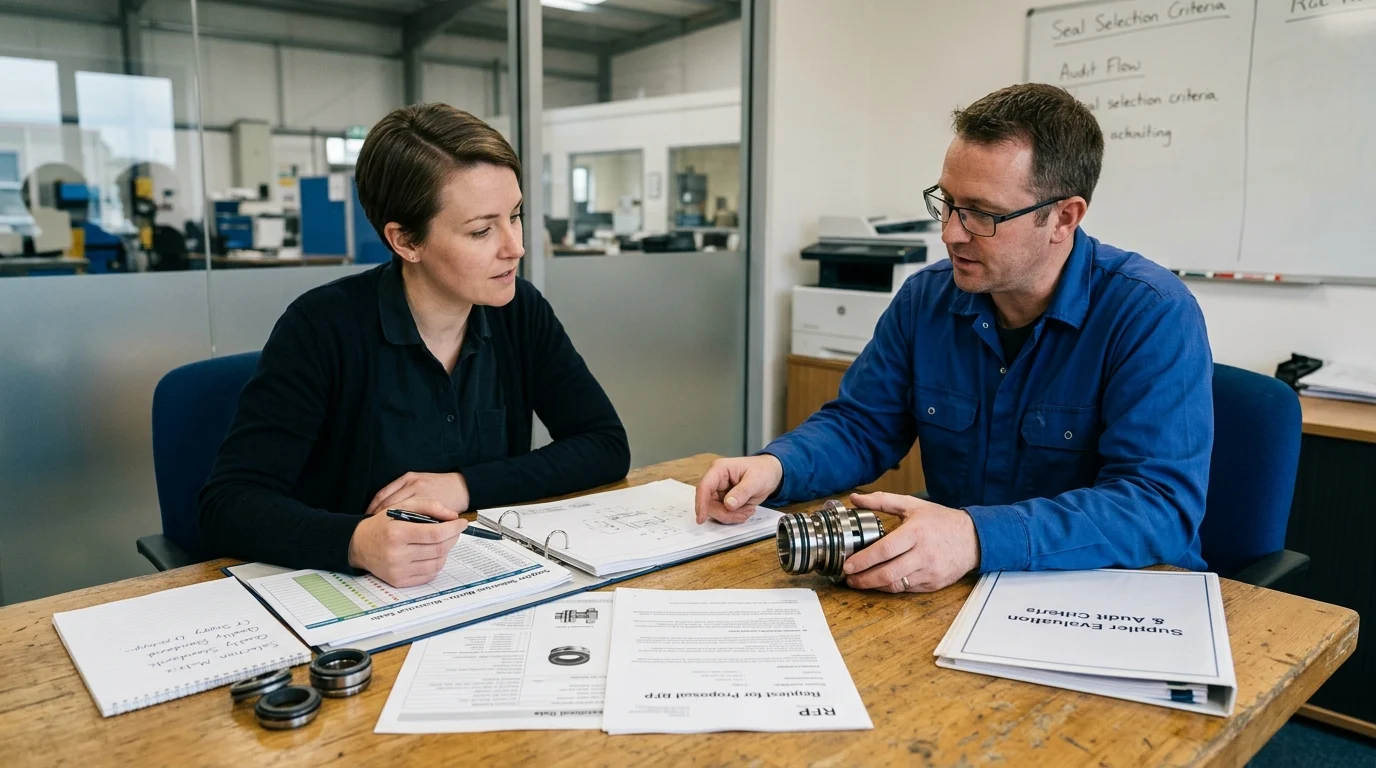
Choosing a lower-priced OEM mechanical seal may reduce the purchase order total, but it rarely reflects the full cost of keeping rotating equipment reliable. This article explains how total cost of ownership shifts the conversation from unit price to the expenses that matter most over time: installation labor, energy loss, maintenance frequency, spare parts, unplanned downtime, and disposal or compliance costs. By comparing short-term savings with lifecycle performance, readers will see why a cheaper seal can become the more expensive option and how to evaluate OEM seal decisions with a more practical, operations-focused financial lens.
Why Lower-Priced OEM Mechanical Seals Can Raise Total Cost
When facility managers evaluate cheaper seals versus OEM components, the initial price tag often drives the procurement decision. However, historical data regarding typical lifecycle expenses reveals a startling operational reality: the upfront purchase price usually accounts for only 5% to 15% of the overall financial burden. Focusing exclusively on this small fraction inevitably leads to inflated maintenance budgets over time.
Understanding the total cost of ownership mechanical seals requires shifting the focus from capital expenditure to long-term operational efficiency. By examining the hidden expenses associated with subpar components, reliability engineers can better protect their rotating equipment and their bottom line.
Defining total cost of ownership beyond unit price
To accurately assess an investment, operators must look far beyond the initial invoice. The true financial impact of a sealing solution is captured by a comprehensive formula: TCO = Purchase Price + Installation Labor + Energy Loss + Maintenance/Spares + Unplanned Downtime Loss + Environmental/Disposal Costs.
Evaluating these variables across standardized time spans—specifically 3-year, 5-year, and 10-year lifecycles—provides a realistic financial projection. For instance, a budget seal might appear cost-effective in year one, but by year three, the cumulative costs of replacement parts and labor will often surpass the price of a premium component. Utilizing a mechanical seal TCO calculator helps procurement teams quantify exactly how a seemingly inexpensive part can drain maintenance budgets through repeated, predictable failures over a decade of operation.
Why downtime and maintenance costs are often underestimated
The primary reason cheap seals fail prematurely is compromised manufacturing tolerances, which directly accelerate mechanical wear and thermal degradation. When a seal fails, the resulting unplanned downtime is rarely an inexpensive event. In continuous process sectors, such as oil and gas refining or chemical processing, an hour of halted production can incur financial losses ranging from $10,000 to $50,000.
These excessive downtime penalties, combined with emergency labor rates for off-hours maintenance and potential regulatory fines for environmental leaks, rapidly eclipse any initial savings gained at the procurement stage. Furthermore, frequent replacements demand higher inventory churn, compounding the administrative and logistical costs that are frequently omitted from standard purchasing evaluations.
Key Cost Drivers When Comparing OEM Mechanical Seals
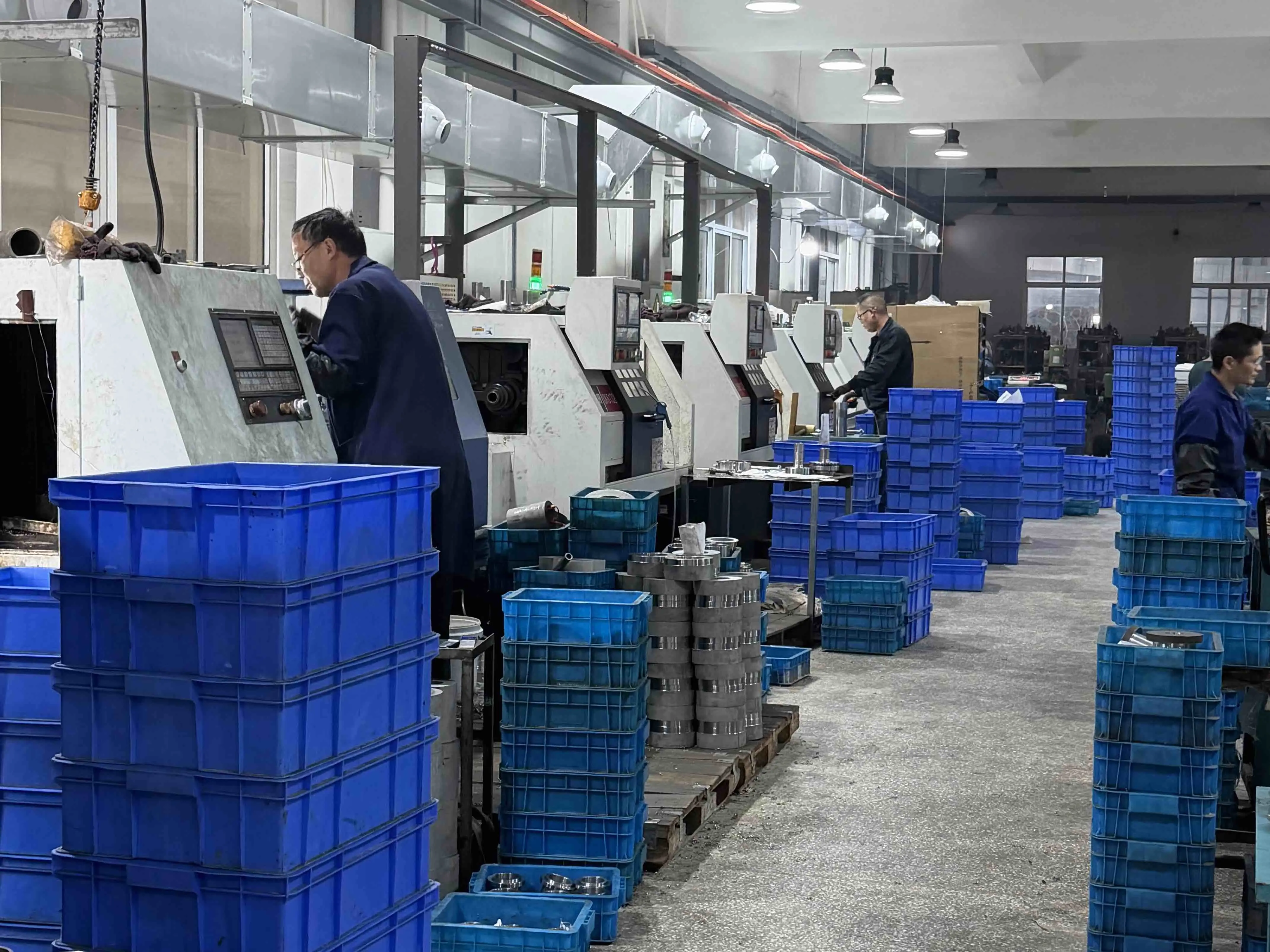
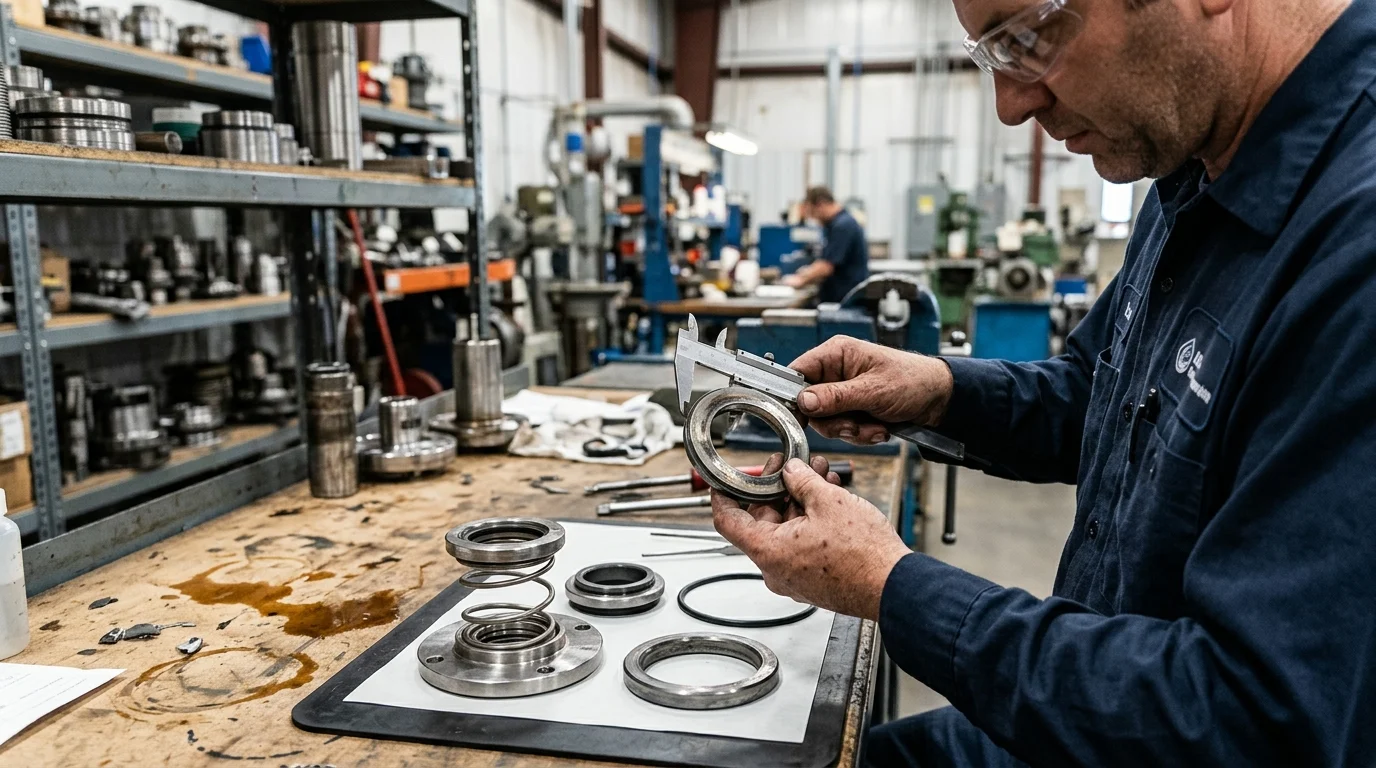
Identifying the specific variables that inflate operational budgets is essential for making informed sourcing decisions. Mechanical seals are highly precise devices; their operational integrity relies on exacting dimensional standards. For example, optimal face flatness is typically measured within 2 to 3 helium light bands, which equates to an incredibly tight tolerance of 0.58 to 0.87 micrometers. Deviating from these specifications drives up secondary costs exponentially.
How material quality, fit, and installation affect cost
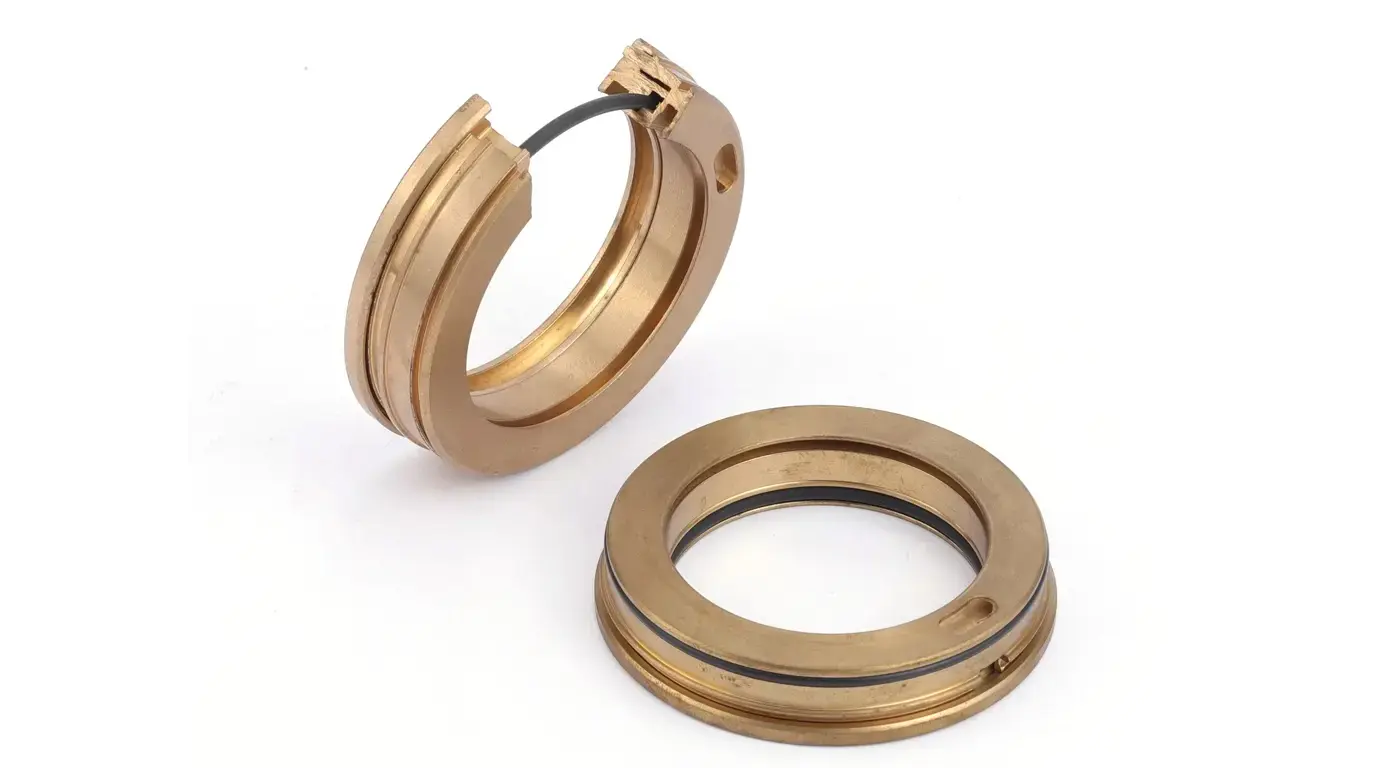
Material selection and machining precision are primary cost drivers in fluid containment. High-grade silicon carbide faces or premium elastomers resist aggressive chemical attacks and thermal distortion far better than budget-grade materials. Substandard O-rings or poorly machined seal faces lead to improper fitment, which immediately increases installation labor hours.
Moreover, a poor fit causes continuous energy loss through elevated friction and parasitic drag on the pump shaft. Over a standard 5-year lifecycle, the excess electrical energy consumption required to overcome this friction, paired with the frequent replacement labor required by lower-priced seals, heavily skews the total cost upward. A robust mechanical seal TCO calculator will consistently flag energy inefficiency as a major hidden penalty of budget components.
Low-price seals vs high-value seals comparison
| Cost Category | Low-Price Alternative | High-Value OEM Equivalent |
|---|---|---|
| Initial Purchase Share | 5% - 15% of TCO | 5% - 15% of TCO |
| Expected Lifespan | 6 - 12 months | 3 - 5+ years |
| Face Flatness Tolerance | > 1.0 micrometers | < 0.87 micrometers |
| Unplanned Downtime Risk | High (Frequent failures) | Low (Predictable wear) |
| 5-Year Replacement Labor | 5x - 10x intervals | 1x - 2x intervals |
This table highlights that while the initial capital expenditure might represent the same percentage of their respective total costs, the aggregated labor, downtime risks, and operational inefficiencies of the budget option severely inflate the actual dollar amount of its long-term financial burden.
How to Reduce OEM Mechanical Seal TCO Without Sacrificing Reliability
Achieving cost efficiency does not require sacrificing equipment reliability. By partnering with sophisticated manufacturers that rival top-tier global brands, industrial facilities can optimize their supply chains, secure premium components, and lower their overall lifecycle costs without absorbing excessive premium price markups.
Practical sourcing, stocking, and replacement steps
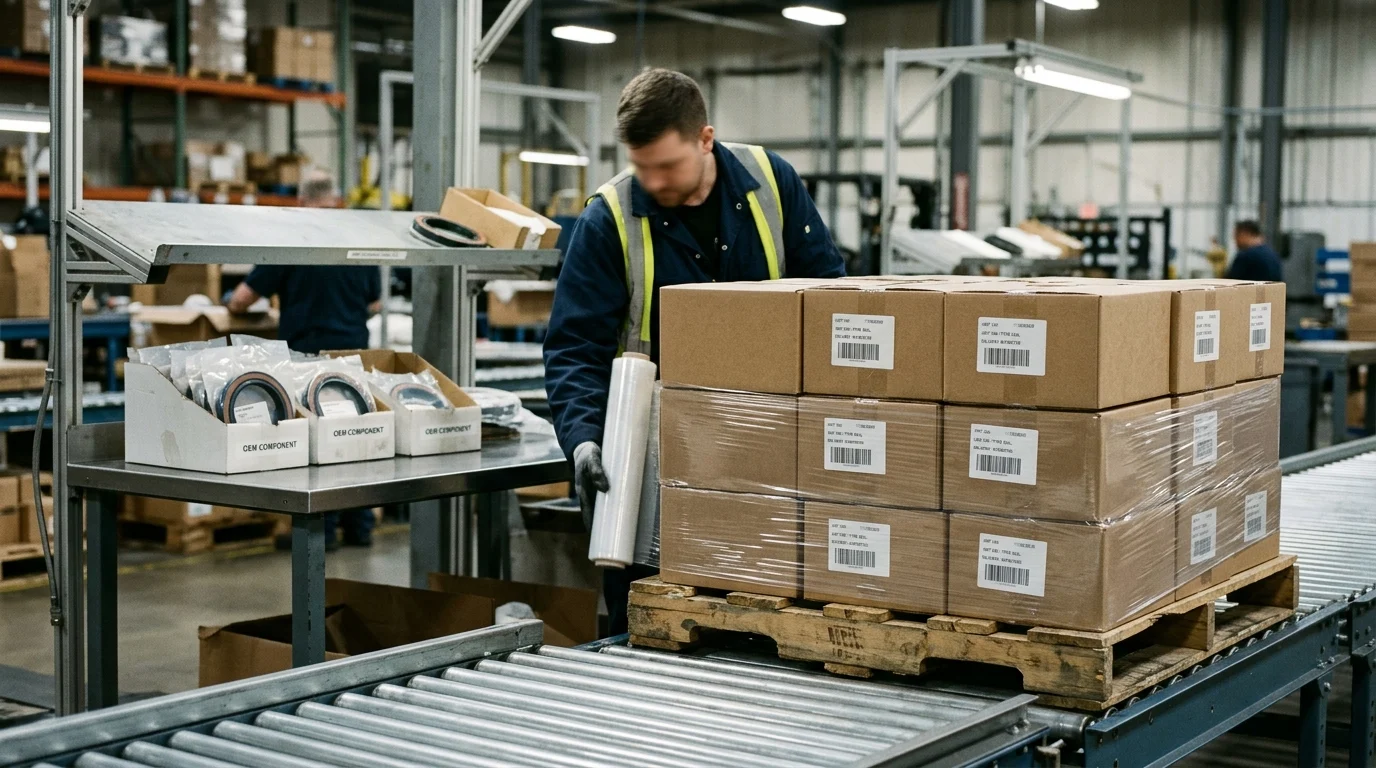
Effective inventory management and strategic sourcing are critical steps for reducing total lifecycle expenses. A persistent challenge in pump maintenance is the prolonged lead time for specialized replacement parts, which forces plants to hold expensive, localized safety stock. Modernizing this approach involves vendor consolidation and relying on agile supply partners.
Advanced alternative manufacturers like GW SEAL utilize extensive 2,000-square-meter warehouses managed by sophisticated Warehouse Management Systems (WMS). This robust logistical infrastructure allows order lead times to be compressed to within 3 to 7 days. Such rapid availability drastically reduces a facility's inventory holding costs and virtually eliminates the risk of extended downtime waiting for critical cartridge, spring, or bellows seals.
How supplier capability and quality control reduce risk
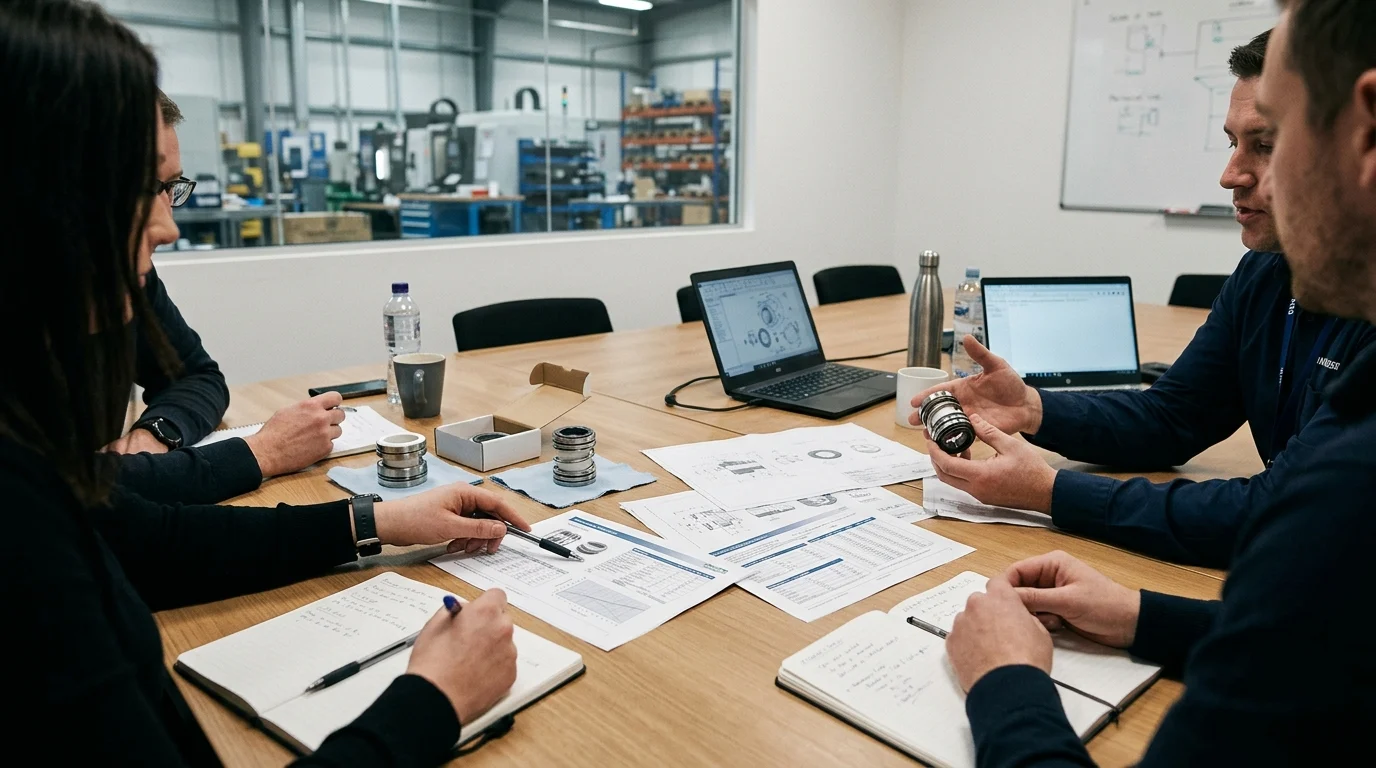
Supplier capability and stringent quality assurance directly correlate with operational risk mitigation. With over 20 years of dedicated professional experience and a comprehensive catalog exceeding 1,500 types of mechanical seals, established alternative manufacturers provide exact drop-in replacements for major industry brands such as John Crane, EagleBurgmann, Vulcan, and Roten. These alternatives cover a vast array of equipment, including Flygt, Grundfos, Wilo, and Lowara pumps.
Operating under strict ISO9001 quality management ensures that every component—from initial raw material selection to precision machining and final assembly—meets rigorous OEM standards.
Key Takeaways
- The most important conclusions and rationale for OEM mechanical seals
- Specs, compliance, and risk checks worth validating before you commit
- Practical next steps and caveats readers can apply immediately
Frequently Asked Questions
Because unit price is only a small part of TCO. Replacements, labor, energy loss, leaks, and downtime usually outweigh the initial savings within a few service cycles.
Include purchase price, installation labor, energy use, spare parts, maintenance frequency, unplanned downtime, and environmental or disposal costs over 3, 5, and 10 years.
Poor tolerances and lower-grade materials wear faster, run hotter, and leak sooner. That increases emergency maintenance and can shut down pumps unexpectedly, especially in continuous-process plants.
Budget seals often last 6 to 12 months, while well-made OEM equivalents commonly deliver 3 to 5+ years, depending on service conditions, installation, and media compatibility.
Use a mechanical seal TCO calculator and compare expected life, labor intervals, power loss, and downtime cost. Request material specs and tolerance data before approving a lower-price option.