


Why Choosing the Right Mechanical Seal Manufacturer Is a Long-Term Supply Decision
In rotating equipment and fluid control, procurement goes beyond securing the lowest unit price. Sourcing a reliable mechanical seal manufacturer is a strategic decision impacting operational continuity. Industrial pumps, mixers, and compressors require precise sealing to prevent leaks and system failures. For B2B buyers and distributors, today's supplier choice dictates supply chain stability and profitability for years.
Partnering with an established manufacturer like GW SEAL ensures consistent dimensional standards, predictable lead times, and robust engineering support. Treating seal sourcing as a long-term partnership protects organizations against supply chain volatility. A dedicated partner actively contributes to inventory optimization, aligning stock levels with field demands.
Long-term agreements also enable deeper technical collaboration. As regulations tighten and processes become more aggressive, buyers need suppliers capable of adapting material formulations and designs. A proven manufacturer provides the foundation to navigate these shifts without compromising equipment integrity or margins.
Risks of switching suppliers too often
Frequently changing suppliers for minor cost savings risks operational stability. Inconsistent machining tolerances, varying elastomer grades, and fluctuating quality control can cause premature seal failures. Constantly onboarding new vendors also increases administrative burdens, complicates warranties, and disrupts inventory standardization, erasing perceived upfront savings.
How reliable supply supports uptime and total cost of ownership
Reliable supply chains are the backbone of industrial uptime. When a manufacturer guarantees stock and consistent delivery, maintenance teams can execute overhauls without delay. This predictability lowers Total Cost of Ownership (TCO) by reducing safety stocks, minimizing expedited shipping fees, and cutting revenue losses from unplanned downtime.
Why OEM replacement seals matter for distributors and maintenance buyers
Offering a comprehensive catalog of OEM replacement mechanical seals is a major competitive advantage for distributors. End-users frequently face high costs and long lead times purchasing directly from original equipment manufacturers. High-quality, direct-fit replacements allow distributors to capture market share through faster fulfillment and better margins, while maintenance buyers benefit from seamless retrofits requiring no gland plate modifications.
What Buyers Should Define Before Sourcing a Mechanical Seal Manufacturer
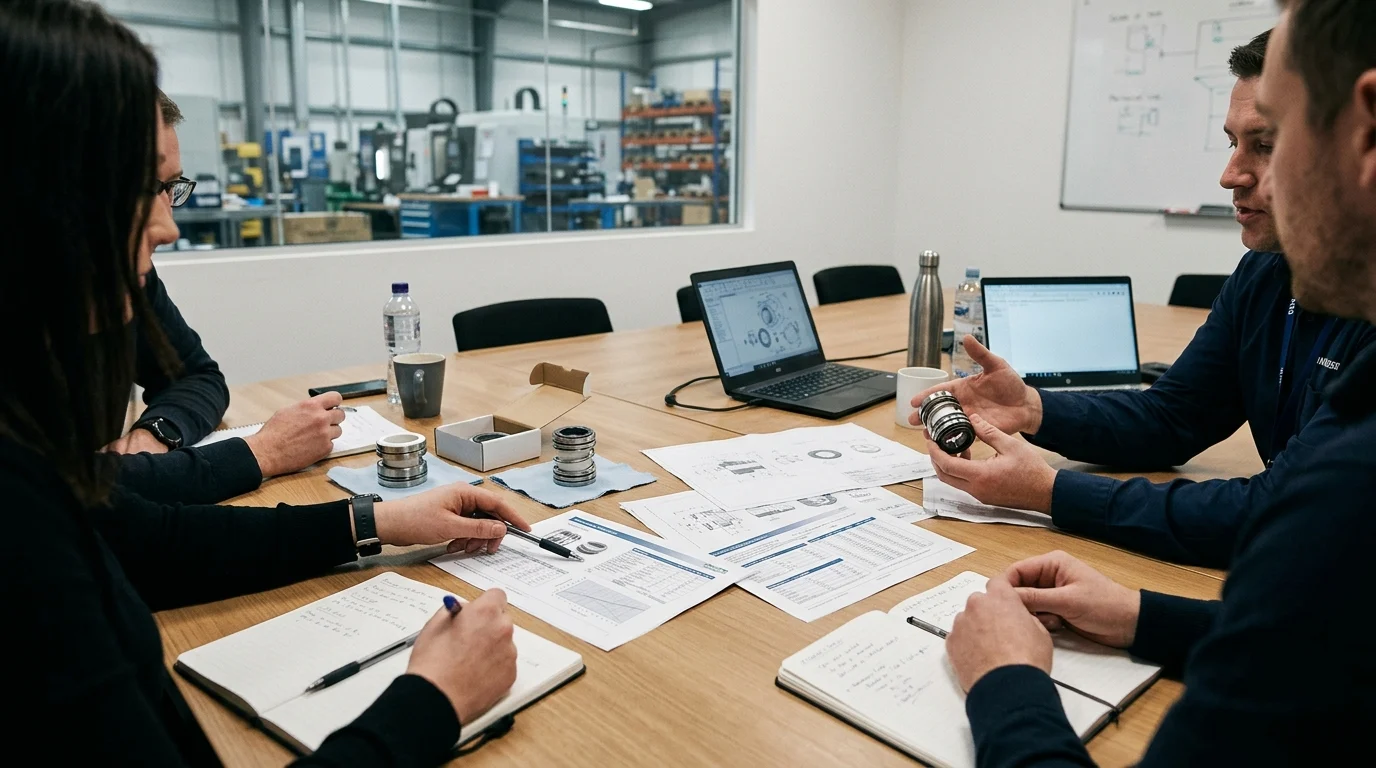
Before initiating an RFQ, procurement teams must rigorously define their technical and commercial requirements. Vague specifications lead to mismatched capabilities, inaccurate pricing, and wasted negotiations. A well-documented sourcing brief should detail the exact scope of supply, expected volumes, and necessary certifications.
International standards, like API 682 for oil and gas or ISO 21049 for pumps, often dictate fundamental design parameters. Buyers must clarify whether they need standard catalog items, reverse-engineered legacy seals, or custom solutions for specialized applications. This ensures shortlisted manufacturers possess the required tooling and expertise.
Buyers must also define commercial expectations upfront, including target pricing, required incoterms (e.g., FOB or CIF), and payment structures. Establishing these parameters early helps importers and distributors filter out suppliers lacking the financial or logistical capacity for continuous international trade.
Core product definitions and replacement requirements
Buyers must identify the exact seal types their market demands, categorizing them by design (e.g., elastomer bellows, conical spring, or wave spring). Documenting specific OEM cross-reference codes, shaft sizes, and operating limits is critical to ensure exact dimensional matches without equipment modifications.
Required technical specifications
Technical specifications form the core of any sealing contract. Documents must clearly state required face materials (e.g., silicon carbide, tungsten carbide), secondary elastomer grades (Viton, EPDM), and hardware metallurgy (316 Stainless Steel). Operating parameters like temperature ranges, pressure limits, and rotational speeds must be explicitly defined.
Application mapping by industry
Different industries impose vastly different demands. A dairy processing seal requires FDA or EHEDG compliant materials, whereas a wastewater seal must withstand abrasive particulates. Buyers should map required inventory against target industries—like food and beverage, pharmaceuticals, or chemical processing—to ensure materials meet sector regulations.
How to Evaluate Product Range and Engineering Capability
A manufacturer's portfolio reflects their engineering maturity and production capacity. B2B buyers must look beyond a single product line to assess catalog breadth. A wide-ranging product selection allows distributors to consolidate their vendor base, reducing administrative costs and simplifying logistics.
Engineering capability is equally vital. Manufacturing standard seals must be complemented by the capacity to troubleshoot complex challenges. Suppliers like GW SEAL employ engineering teams to assist with face material selection, thermal dynamics analysis, and custom modifications, transforming the supplier into a strategic consultant.
Buyers should also investigate the manufacturer's approach to new product development. When legacy pumps are discontinued, a proactive supplier updates their database and tooling to produce direct-fit replacements, ensuring distributors never lose customers to obsolescence.
Mechanical seal types and range coverage
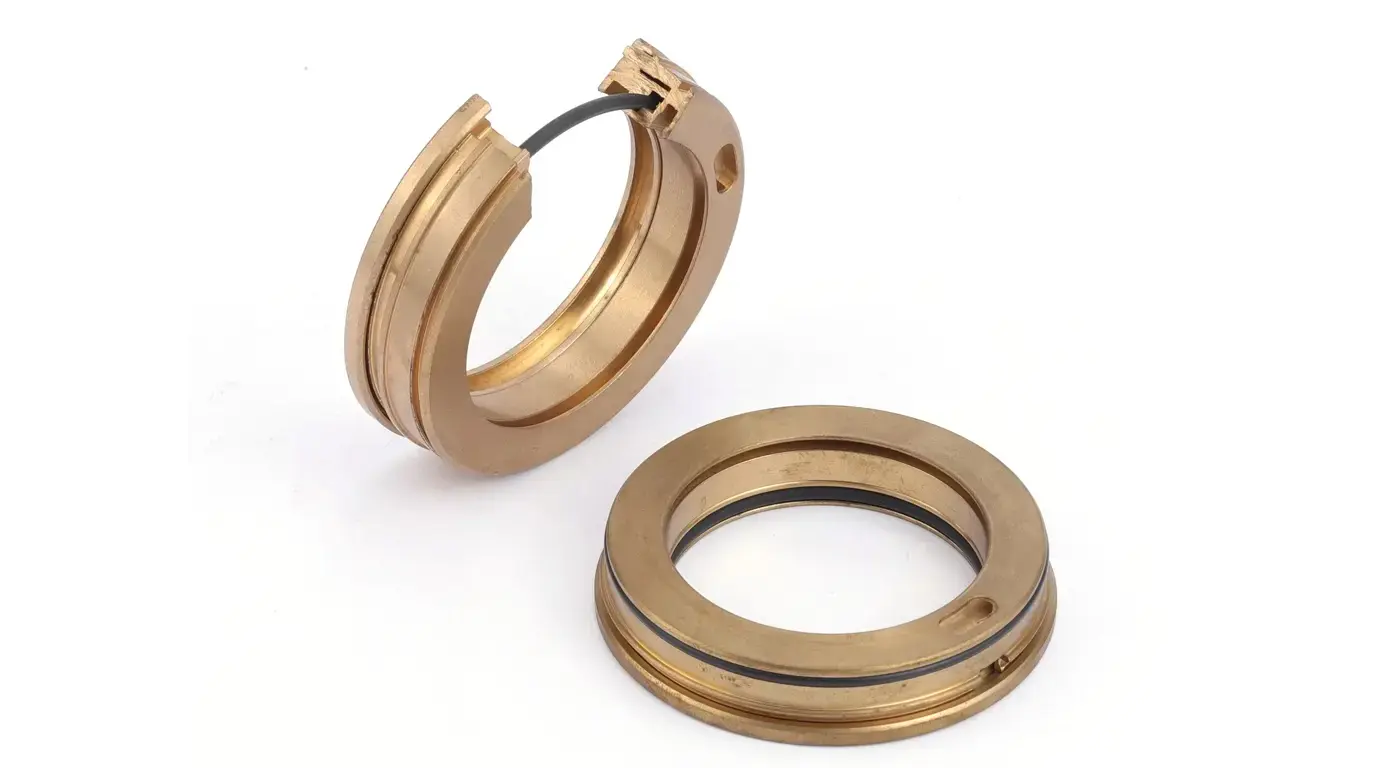
A robust manufacturer should offer a complete spectrum of designs, including single and double spring seals, balanced and unbalanced configurations, and heavy-duty cartridges. Broad coverage ensures distributors can serve multiple sectors—from commercial water pumps to industrial chemical mixers—from a single source.
OEM replacement and direct-fit capability
Accurately replicating complex OEM designs is a hallmark of a premier manufacturer. Sourcing an exact alfa laval pump seal replacement requires precise dimensional engineering to drop into the existing chamber flawlessly. Direct-fit capabilities eliminate costly pump modifications and reduce installation time.
Engineering support and failure analysis
When seals fail prematurely, buyers rely on manufacturers for root cause analysis. Top-tier suppliers provide detailed reports identifying issues like dry running, chemical attack, or improper installation. This support allows distributors to offer value-added consulting, improving long-term equipment reliability.
Which Quality, Compliance, and Traceability Checks Matter Most
Quality control is a critical necessity in the mechanical seal industry. A single defective seal can cause environmental spills, production halts, and safety hazards. B2B buyers must rigorously audit quality management systems. ISO 9001:2015 compliance is a baseline indicator of disciplined, repeatable processes.
Traceability is also non-negotiable. Procurement teams must ensure manufacturers can trace every seal to its original raw material batches. This requires meticulous documentation, including material test reports (MTRs) for metals and batch certifications for elastomers. In regulated sectors like pharmaceuticals, traceability is legally required.
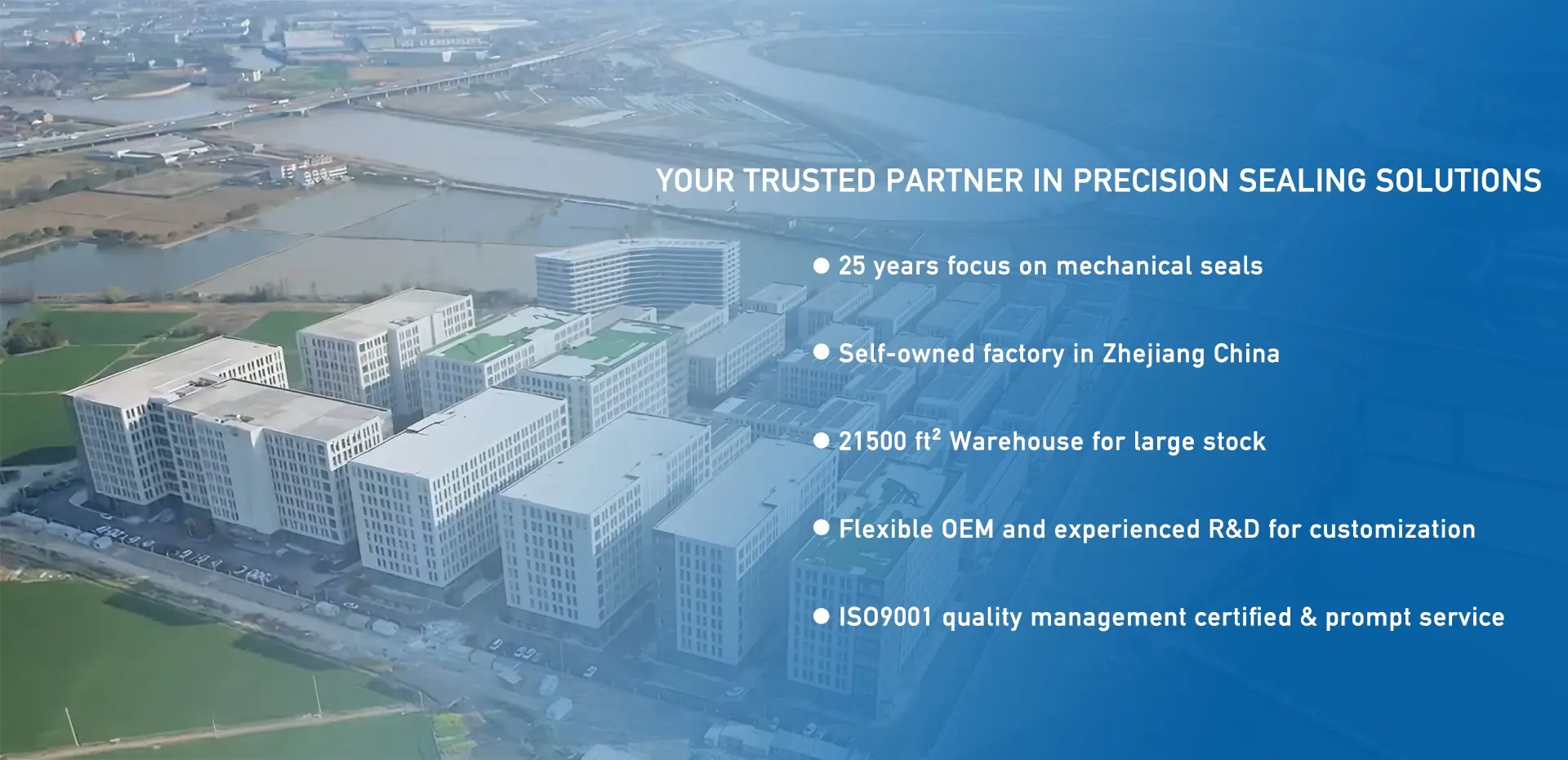
Finally, buyers must distinguish between genuine manufacturers and trading companies. Traders often lack control over manufacturing, leading to inconsistent quality. Engaging directly with a manufacturer ensures transparent communication, better pricing, and direct oversight of quality protocols.
Quality systems and inspection controls
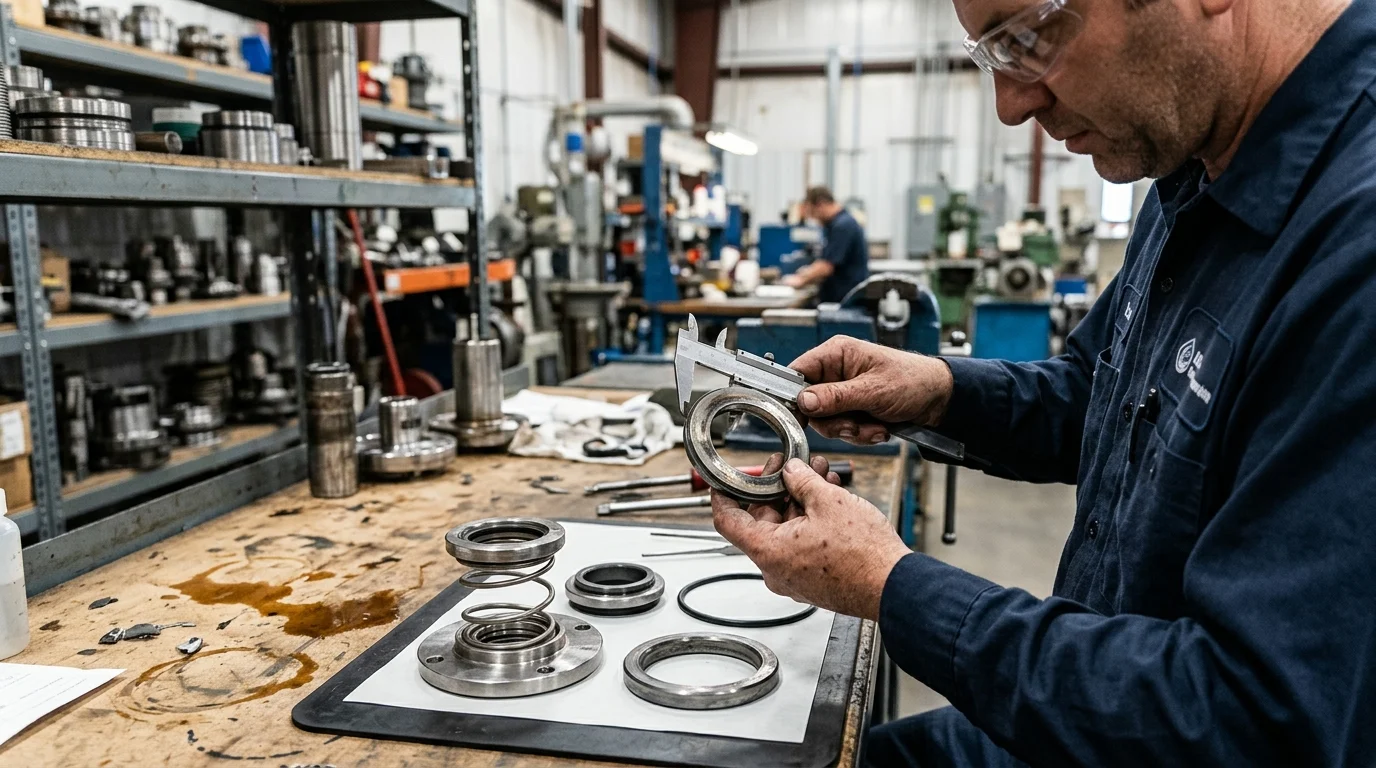
Effective quality control encompasses the entire production lifecycle. Buyers should seek manufacturers utilizing advanced metrology, such as optical flat testing for face flatness and coordinate measuring machines (CMM) for dimensional accuracy. Rigorous pressure and dynamic run-testing must be standard before export clearance.
Material documentation and regulatory compliance
Material compliance protects buyers from regulatory penalties and failures. Suppliers must provide verifiable documentation proving materials meet global standards, such as WRAS for drinking water, FDA for food contact, or REACH/RoHS. Authentic material certificates validate supply chain integrity.
Manufacturer vs trader comparison points
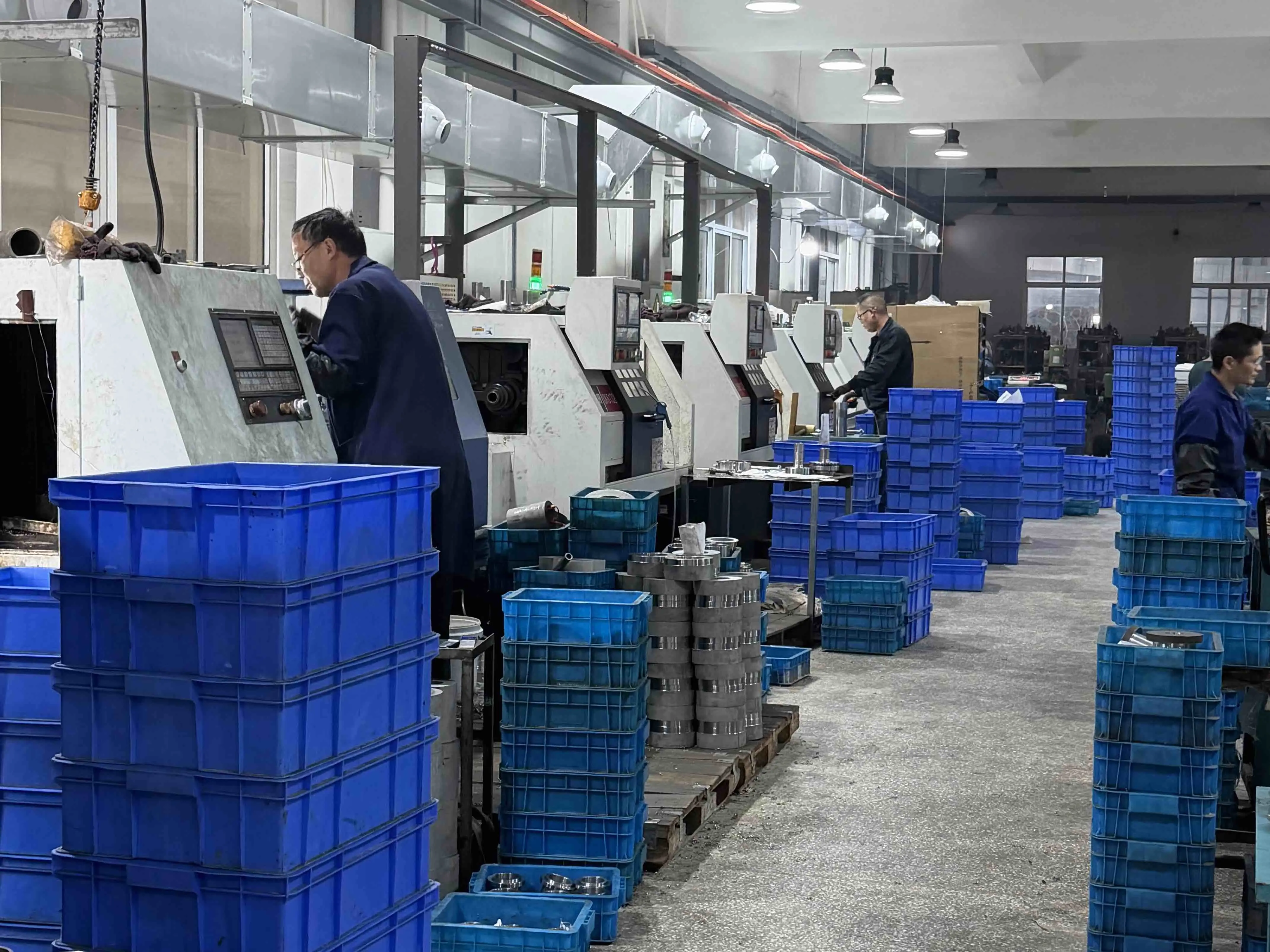
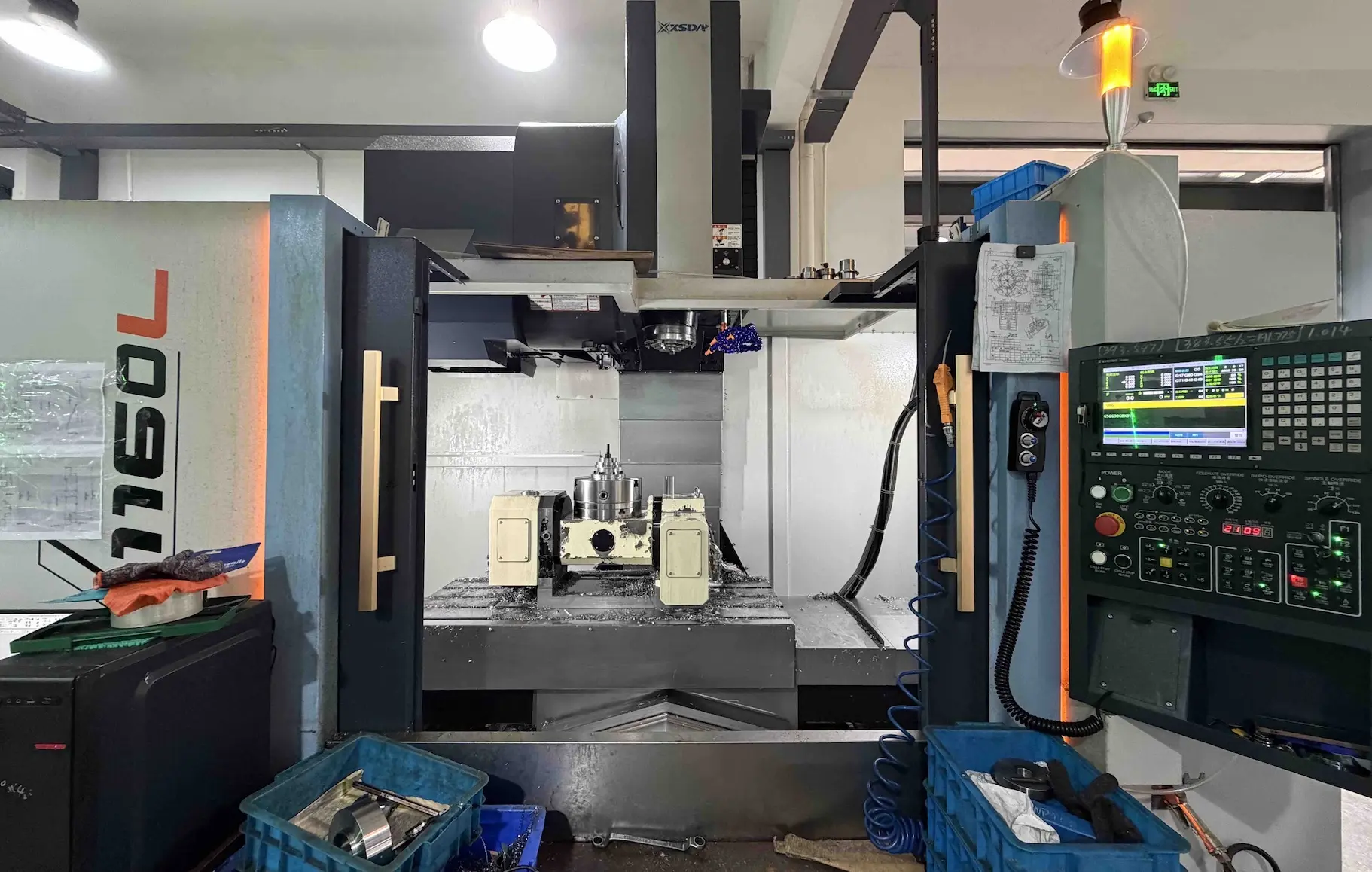
To verify authenticity, buyers should request a virtual or physical view of factory. True manufacturers readily demonstrate CNC machining centers, lapping machines, and vulcanization presses. They maintain in-house engineering and direct inventory control, whereas traders often obscure goods' origins and lack technical depth.
How to Compare MOQ, Stock, Packaging, and Logistics
Commercial viability heavily depends on favorable logistical terms. Minimum Order Quantities (MOQ) can make or break distribution agreements. Excessively high MOQs cause poor cash flow and bloated inventory. Conversely, suppliers allowing mixed-batch ordering enable buyers to maintain agile inventory levels.
Stockholding models are equally critical. A manufacturer maintaining vast ex-stock inventory of standard components can dispatch orders rapidly, shielding buyers from typical 6-to-8-week lead times. This approach is vital for supporting urgent maintenance requirements.
Packaging plays a vital role in international sourcing. Mechanical seals feature highly polished, fragile faces easily damaged in transit. Export packaging must be robust, utilizing custom-molded inserts, vacuum sealing, and ISPM 15 compliant crating. Accurate barcode labeling further streamlines warehouse receiving.
MOQ and inventory models
Flexible MOQs allow importers to balance purchasing risk. Strong partners offer low MOQs on standard items while defining volume requirements for custom seals. Suppliers utilizing data-driven inventory models anticipate demand, ensuring high-turnover items are available for immediate dispatch.
Lead times and urgent order support
In the MRO sector, speed is paramount. Buyers should evaluate standard lead times against emergency order capabilities. Manufacturers with robust raw material reserves and agile scheduling can prioritize urgent requests, minimizing costly end-user downtime.
Export packaging and shipment accuracy
Proper packaging prevents transit damage and disputes. Each seal should be individually boxed with protective face covers and marked with OEM cross-references and batch numbers. High shipment accuracy—matching packing lists to invoices and physical goods—prevents customs delays and receiving errors.
How to Build a Supplier Selection Process for Long-Term Supply
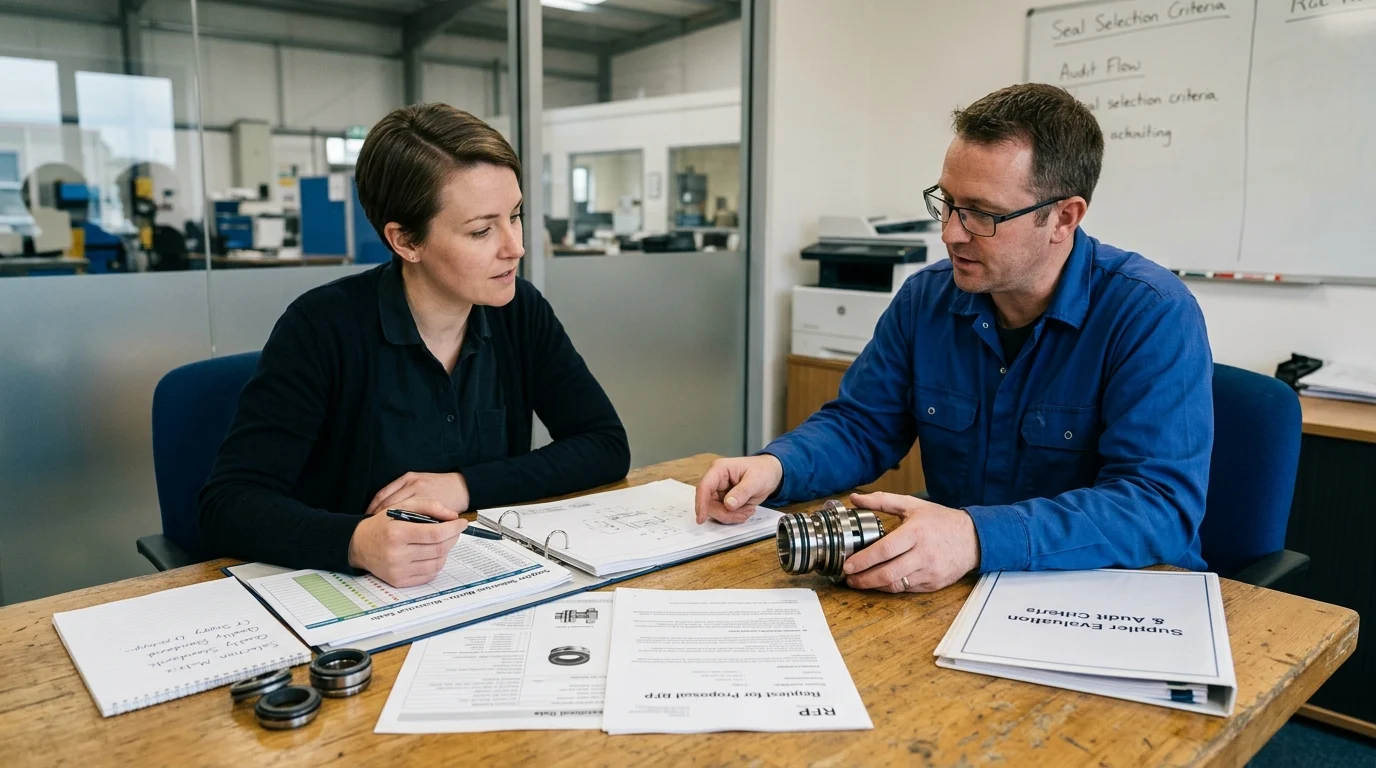
Transitioning from a vendor shortlist to a finalized agreement requires a structured selection process. Procurement teams should avoid decisions based solely on the lowest quote. Instead, implement a multi-stage workflow including capability screening, sample testing, facility auditing, and contract negotiation.
A standardized supplier scorecard effectively removes bias. By assigning weighted scores to critical criteria—like quality certifications, production capacity, pricing, and communication—buyers can objectively compare manufacturers. This data-driven approach ensures the chosen partner aligns with strategic procurement goals.
Once a supplier is selected, focus shifts to partnership development. Long-term agreements should include KPIs for on-time delivery, defect parts per million (DPPM), and cost-reduction initiatives. Quarterly business reviews (QBRs) maintain alignment and foster continuous improvement.
Sourcing workflow from shortlist to agreement
The workflow should begin with an NDA, followed by a detailed RFQ. Buyers should then request physical samples for metallurgical and dimensional testing. Once approved, a formal factory audit—virtual or physical—should precede negotiating the Master Supply Agreement (MSA).
Supplier scorecard criteria
| Evaluation Criterion | Weight | Description of Requirement |
|---|---|---|
| Quality & Certifications | 30% | ISO 9001:2015, material traceability, and in-house testing capabilities. |
| Production & Range | 25% | Breadth of catalog, direct-fit OEM capability, and engineering support. |
| Commercial Terms | 20% | Competitive landed costs, favorable payment terms, and flexible MOQs. |
| Logistics & Fulfillment | 15% | Ex-stock availability, lead time reliability, and robust export packaging. |
| Communication | 10% | Responsiveness, English proficiency, and dedicated account management. |
Procurement priorities for long-term partnerships
For enduring success, prioritize transparency, financial stability, and scalable capacity. A partner like GW SEAL proactively shares market insights, warns of raw material shortages, and collaborates on cost-engineering projects to ensure mutual profitability over decades of cooperation.
FAQ
Navigating mechanical seal procurement generates common questions from B2B buyers. Understanding these nuances streamlines sourcing and prevents costly misunderstandings regarding OEM replacements, order volumes, and essential documentation.
How to verify direct-fit OEM replacement seals
To verify compatibility, consult the manufacturer's cross-reference database for oem mechanical seals. Suppliers should provide technical drawings confirming critical dimensions—like operating length, shaft diameter, and seat housing—exactly match original specifications without requiring modifications.
What MOQ is reasonable for mixed assortments
Reasonable MOQs depend on production methods. For standard stocked items, top-tier manufacturers often accept mixed-assortment orders with low minimums (e.g., 5-10 pieces per SKU). However, for custom-engineered or rare legacy seals requiring new tooling, MOQs logically increase to offset setup costs.
Which documents to request before signing a supply agreement
Before finalizing agreements, request the manufacturer's ISO 9001:2015 certificate, sample Material Test Reports (MTRs), and a quality control manual. Requesting a blank Master Supply Agreement (MSA) and warranty policy upfront ensures commercial alignment on liability, defect resolution, and territory protections.
Key Takeaways
- Wholesale sourcing and supply-chain implications for mechanical seal
- Specifications, compliance, and commercial terms buyers should validate
- Actionable recommendations for distributors and procurement teams