




 Introduction: Why Seal Leakage Matters in Water Treatment
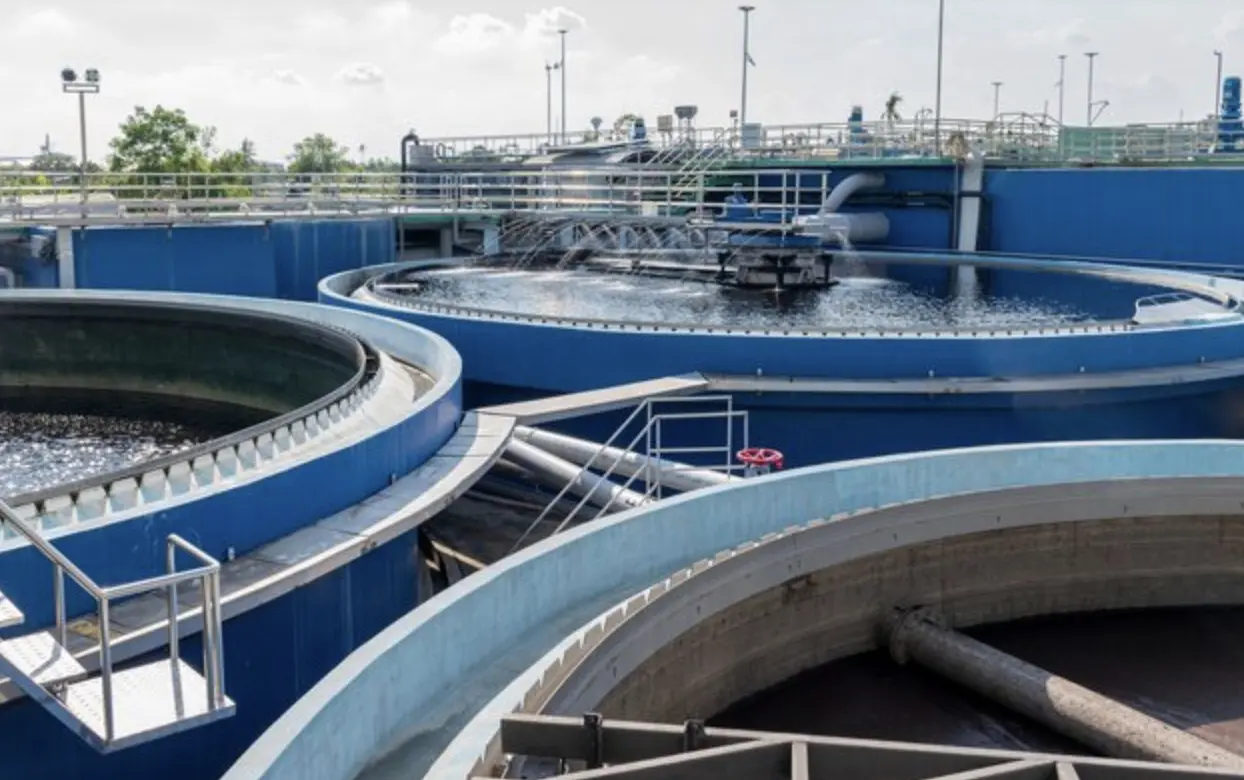
In water treatment facilities, a dripping mechanical seal is more than just an annoyance. For municipal water supply, every drop lost represents wasted resources and potential pressure drops. In wastewater treatment, leaks can cause environmental violations, foul odors, and regulatory fines. Seawater desalination plants face aggressive corrosion that accelerates seal failure. And in cooling water systems, leaks reduce efficiency and increase makeup water costs.
Single mechanical seals are the workhorses of the water industry—used in clean water pumps, sewage pumps, sludge pumps, and chemical dosing pumps. But why do they leak so often in these applications? And more importantly, how can you stop it?
This article provides a practical, step-by-step guide to diagnosing and eliminating leakage in single mechanical seals for water treatment applications.
How single mechanical seals work in wastewater pumps
Single mechanical seals act as the primary barrier between a pump's rotating shaft and its stationary casing. Their fundamental purpose is to prevent pressurized fluid inside the pump volute from escaping while allowing the shaft to rotate freely. Understanding this mechanism is essential for buyers sourcing the correct specifications for their operational needs.
The effectiveness of these seals relies on precision engineering and a delicate balance of hydraulic and mechanical forces. When properly specified and installed, single mechanical seals provide a highly efficient, low-friction solution that outperforms traditional gland packing in longevity and reliability.
Core seal components
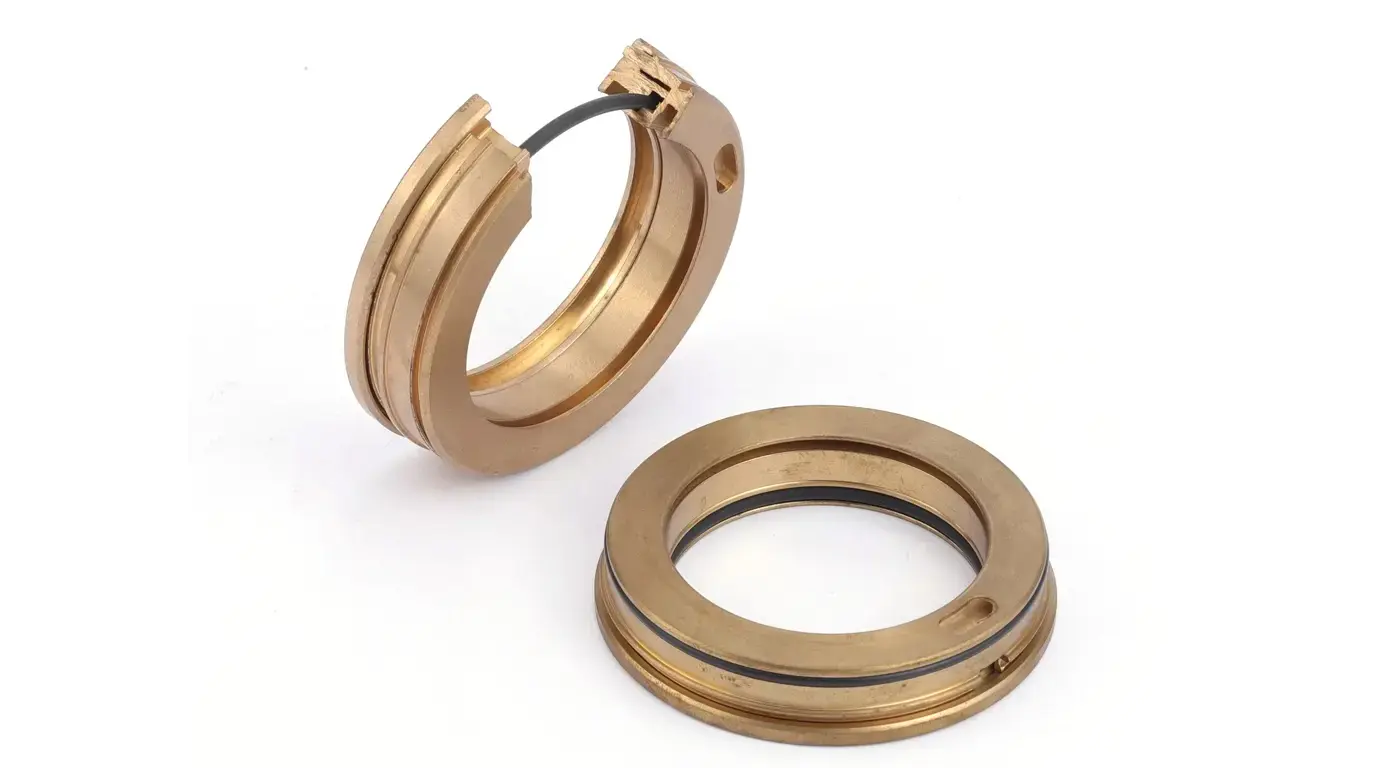
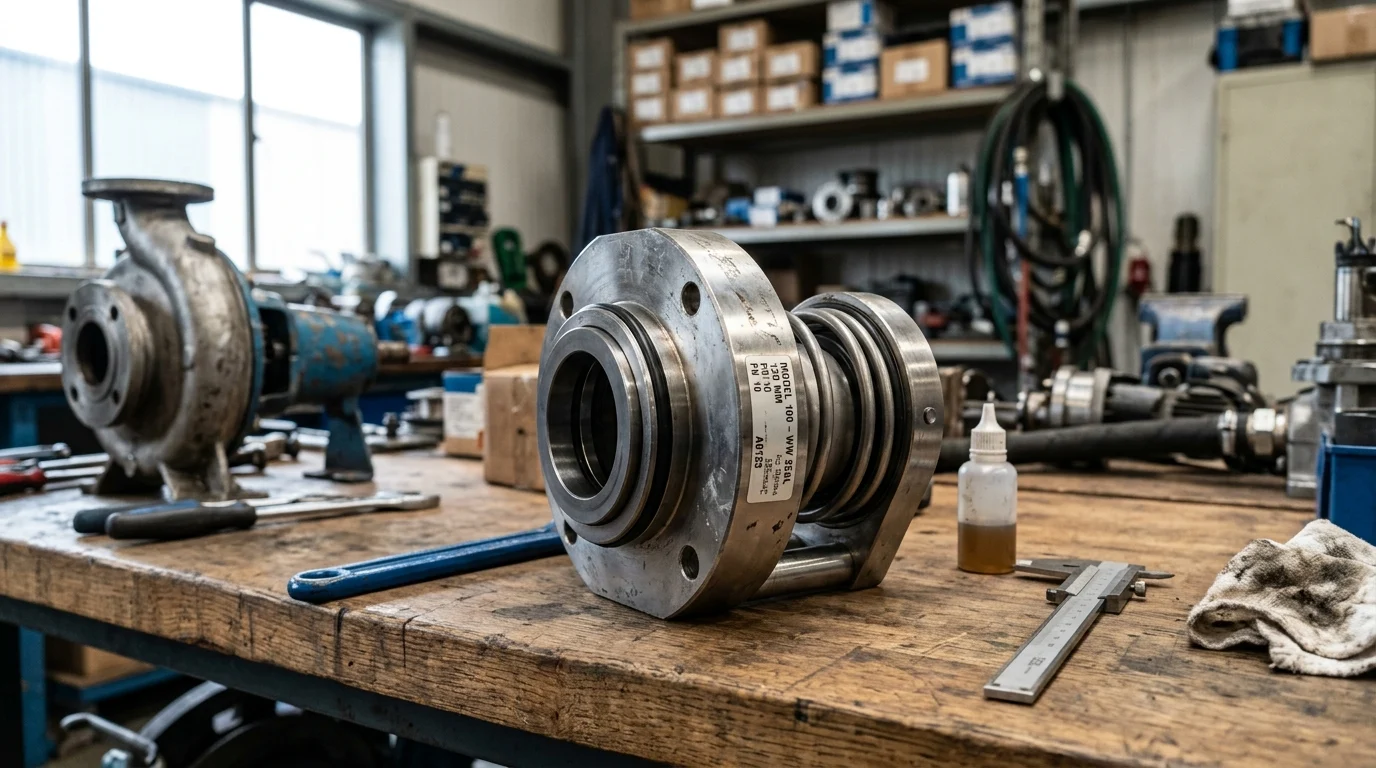
A standard single mechanical seal consists of several critical components: a rotating face attached to the pump shaft, a stationary face fixed to the pump casing, secondary sealing elements (like O-rings or V-rings), and a loading mechanism (springs or metal bellows). The precise interaction between these components determines the seal's overarching efficacy.
How the sealing interface controls leakage
Primary sealing occurs at the microscopic interface between the highly lapped flat surfaces of the rotating and stationary faces. A microscopic fluid film migrates between these faces, providing essential lubrication and cooling. This film must be maintained at an optimal thickness: if too thick, visible leakage occurs; if too thin, the faces suffer severe friction and rapid degradation.
Operating conditions that affect performance
Fluid film stability is heavily influenced by external operating conditions. Fluid temperature, system pressure, and the pumped medium's viscosity all dictate how well the seal performs. Variations in these parameters can cause the fluid film to vaporize or break down, leading directly to premature seal failure and system downtime.
Common causes of wastewater pump seal leakage
Wastewater environments present highly hostile conditions for fluid handling equipment. Unpredictable particulates, aggressive chemicals, and fluctuating hydraulic loads mean standard off-the-shelf seals frequently underperform. Recognizing the root causes of wastewater seal failure is the first step in implementing a permanent corrective strategy.
Procurement teams must analyze historical failure data to identify patterns. Whether the issue stems from mechanical shock, chemical degradation, or thermal distortion, diagnosing the exact failure mode is crucial for selecting a superior replacement product that withstands specific site conditions.
| Cause | Typical Scenario | What You See |
|---|---|---|
| Abrasive wear | Raw water with sand | Deep grooves on seal faces |
| Fiber wrapping | Wastewater with rags, hair | Springs clogged, faces separate |
| Dry running | Low suction level, air ingestion | Heat cracks, burnt faces |
| Cavitation | Poor suction piping | Pitting, vibration-induced leaks |
| Chemical attack | Dosing pumps (NaOCl, PAC) | Swollen O-rings, corroded faces |
| Scaling | Hard water, cooling systems | Deposits push faces apart |
| Installation errors | After maintenance | Damaged O-rings, cocked gland |
How to diagnose seal leakage step by step
When a leak is detected, a systematic diagnostic approach prevents the wasteful cycle of blindly replacing seals without addressing underlying system faults. Effective seal leakage troubleshooting requires operators to document the exact nature of the leak, the condition of failed components, and operational metrics at the time of failure.
For B2B distributors providing after-sales support, guiding end-users through a structured diagnostic process adds significant value. It shifts the conversation from a simple parts transaction to a comprehensive engineering consultation, building long-term vendor trust.
Step 1: Observe the leak pattern
-
Continuous dripping → Worn or damaged seal faces
-
Intermittent leakage → Cavitation or pressure fluctuations
-
Leak location: Faces, gasket, or shaft sleeve?
Step 2: Check operating conditions
-
Suction pressure (below NPSH required?)
-
Fluid temperature (within seal limits?)
-
Flush line (clogged?)
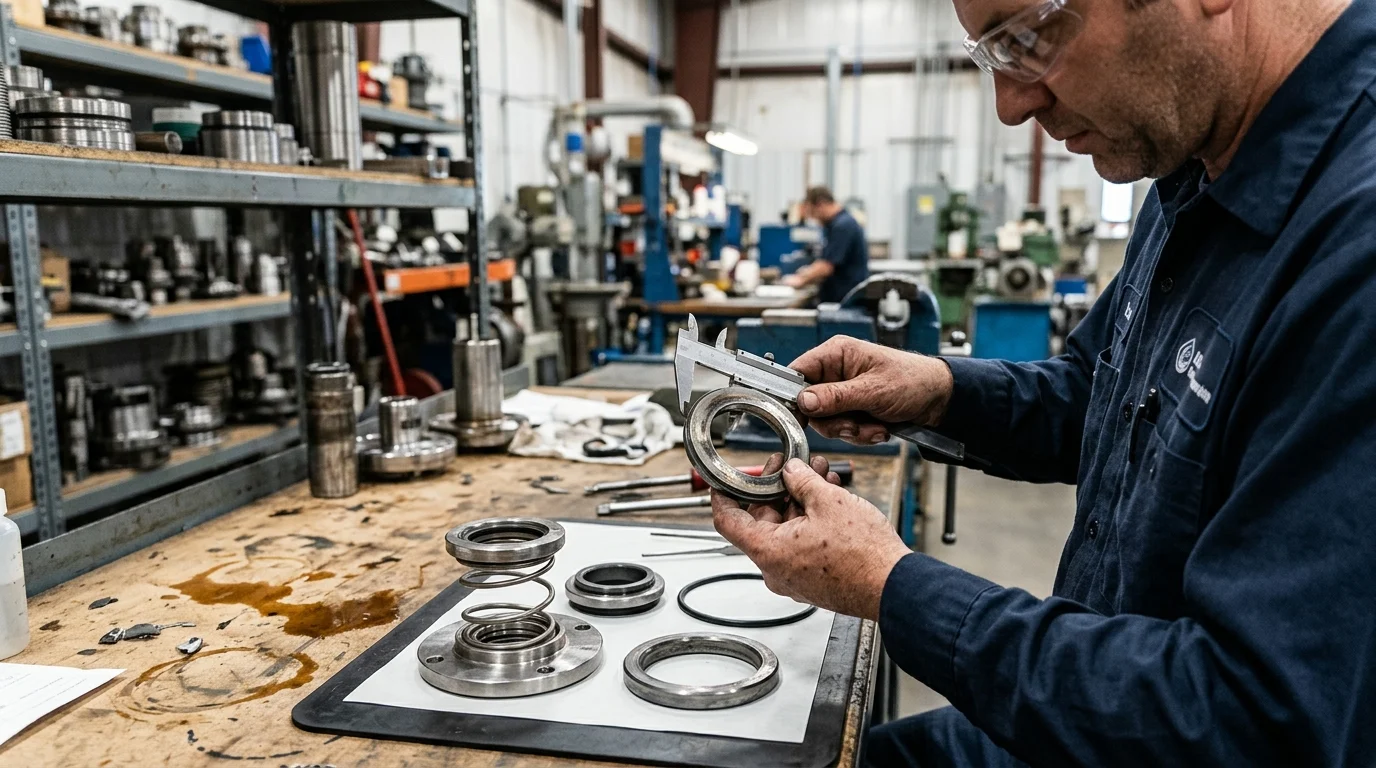
Step 3: Disassemble and inspect
-
Seal faces: Sand scratches, heat cracks, pitting?
-
O-rings: Hardened or swollen (especially in dosing pumps)?
-
Springs: Wrapped with fibers or rusted?
Step 4: Root cause analysis
GW SEAL offers free failure analysis for water treatment customers—simply send us your failed seal.
Proven ways to reduce leakage
Achieving zero visible leakage in water treatment applications is entirely possible through targeted engineering upgrades. Rather than accepting frequent replacements as a standard operating expense, facilities can implement strategic modifications that address the specific challenges of their fluid media.
Sourcing high-performance oem mechanical seals tailored to exact site conditions is often the most cost-effective long-term strategy. This involves upgrading construction materials, modifying the seal environment, or redesigning the sealing arrangement altogether.
Material upgrades for longer seal life
Transitioning from standard carbon/ceramic faces to harder materials like Silicon Carbide (SiC) or Tungsten Carbide (TC) drastically improves resistance to abrasive wear in sludge and grit applications. Similarly, upgrading secondary elastomers to Perfluoroelastomers (FFKM) ensures resilience against highly corrosive chemical dosing applications and extreme temperature fluctuations.
Flush plans for dirty and solids-laden service
Implementing an API standard flush plan is critical for maintaining a clean seal environment. For solids-laden wastewater, an external clean water flush (Plan 32) injects clean fluid into the stuffing box. This creates a higher pressure zone that keeps abrasive particulates away from delicate seal faces, drastically reducing wear and leakage.
When to upgrade beyond a single seal
While single seals are universal, certain extreme applications—such as handling highly toxic industrial effluent or strictly regulated chemicals—require an upgrade to dual (double) mechanical seals. Dual seals utilize a pressurized barrier fluid that entirely prevents the pumped media from escaping into the atmosphere, ensuring absolute environmental compliance.
Installation and operating practices that prevent leakage
Even premium-grade mechanical seals will fail prematurely if subjected to improper installation or poor operational practices. The human element plays a massive role in the lifecycle of fluid handling equipment. Therefore, strict adherence to standardized protocols is non-negotiable for achieving reliable performance.
For wholesale buyers and project managers, ensuring that installation contractors and facility operators are thoroughly trained is just as important as sourcing the right hardware. Emphasizing rigorous quality control during the installation phase prevents the vast majority of early-life seal failures.
Case Study: Reducing Leakage in a Municipal Wastewater Pump Station
Background: A medium-sized sewage lift station with four submersible pumps experienced seal leakage every three months.
Diagnosis: GW SEAL engineers found:
-
Severe face wear from sand in wastewater
-
Springs wrapped with fibers, unable to maintain face contact
-
Clogged flush line
Solution:
-
Upgraded to tungsten carbide faces + large spring stationary seal
-
Added external clean water flush (Plan 32) at 2 L/min
-
Trained operators to back-flush lines regularly
Results:
-
Leakage interval extended from 3 months to 18 months
-
Annual maintenance cost reduced by 60%
-
Pump station reliability dramatically improved
Frequently Asked Questions (Water Treatment Focus)
Q: Is visible dripping acceptable in a potable water pump?
A: No. For drinking water, any visible leakage is unacceptable. Zero visible leakage is the standard.
Q: Can I use the same seal for clean water and wastewater?
A: Not recommended. Wastewater requires specialized designs (large springs, hard faces). GW SEAL offers different series for each.
Q: How do I prevent seal failure in a sodium hypochlorite dosing pump?
A: Use EPDM O-rings and silicon carbide faces. Avoid FKM (Viton) which swells in hypochlorite.
Q: What’s the most common cause of seal leakage in seawater pumps?
A: Corrosion pitting. Use super duplex or titanium for metal parts, and silicon carbide for faces.
Q: How can I contact GW SEAL for water treatment support?
A: Contact our water treatment team for free leakage diagnosis and on-site support for qualified projects.
Clean Water, Clean Operation – Zero Leakage Is Achievable
Seal leakage in water treatment applications is not inevitable. With proper diagnosis, material selection, flush plan optimization, and careful installation, zero visible leakage is an achievable goal.
GW SEAL specializes in water treatment sealing solutions—from municipal water to industrial wastewater to seawater desalination. We don’t just supply seals; we provide full lifecycle support to keep your pumps running reliably.
Ready to stop leaks and cut maintenance costs? Contact GW SEAL’s water treatment team today for a free consultation.