





Mechanical Seals for Pumps: A Beginner’s Step-by-Step Guide
Mechanical seals for pumps are critical components in pump operations. They prevent fluid leakage, ensuring efficient performance and minimizing environmental impact. Recent studies indicate that approximately 40-50% of pump failures arise from mechanical seals issues, often due to improper assembly or installation errors.
| Key Findings | Description |
|---|---|
| Higher Reliability | Mechanical seals for pumps demonstrate increased reliability compared to traditional gaskets. |
| Lower Maintenance Costs | Their durability leads to decreased maintenance expenses associated with mechanical seals. |
| Fluid Leakage Analysis | Predicting mechanical seal performance is crucial for effective leak prevention. |
Key Takeaways
- Mechanical seals are essential for preventing fluid leakage in pumps, enhancing efficiency and reducing environmental impact.
- Choosing the right mechanical seal involves assessing application requirements, material compatibility, and environmental factors to ensure optimal performance.
- Different types of mechanical seals, such as balanced and cartridge seals, address specific operational challenges, improving reliability and reducing maintenance costs.
Types of Mechanical Seals for Pumps
Balanced Mechanical Seals
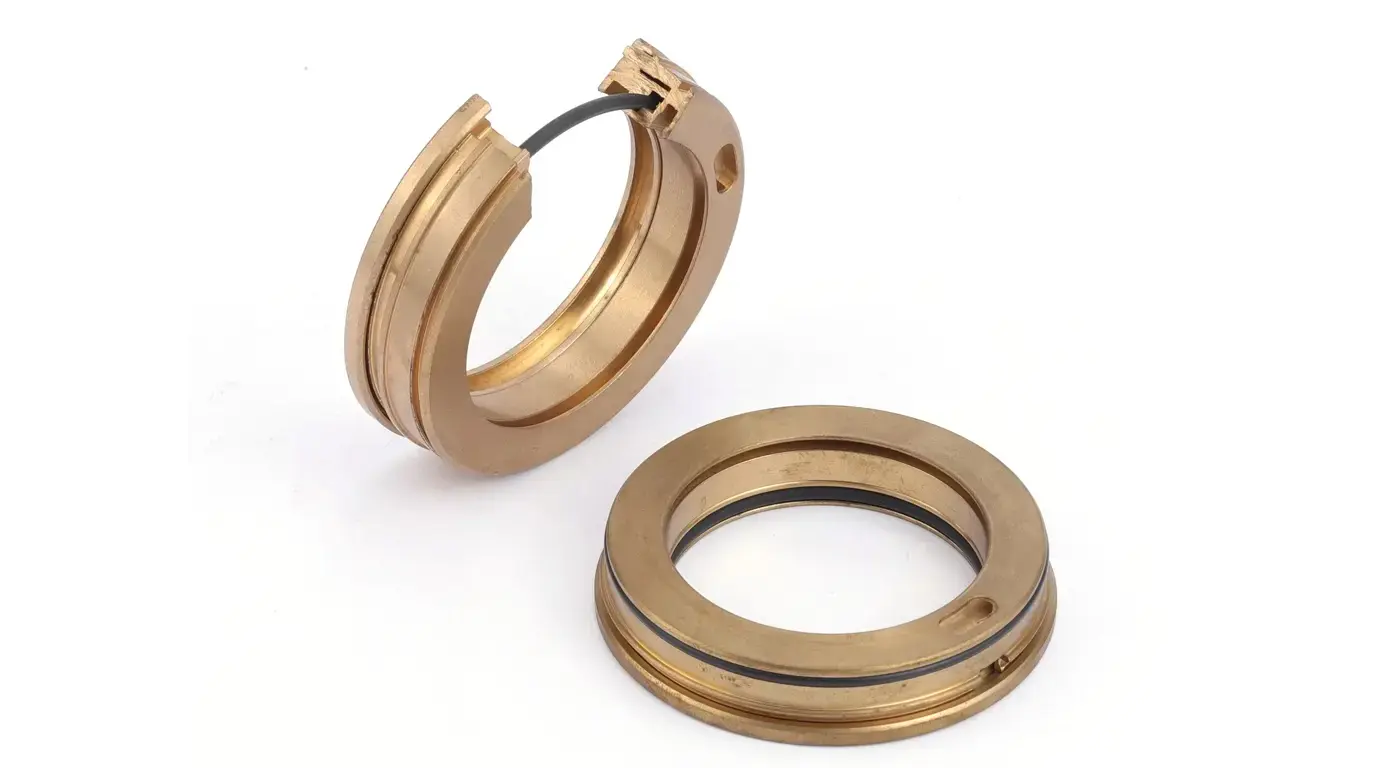
Balanced mechanical seals are designed to handle higher pressures and temperatures, making them suitable for demanding applications. They consist of a primary sealing element that maintains contact with a mating ring. This design reduces wear on the seal faces, enhancing the seal's lifespan.
| Advantages | Disadvantages |
|---|---|
| Can handle higher pressures and temperatures, as well as more aggressive fluids. | More complex design, typically more expensive than unbalanced seals. |
| Reduce wear on the seal faces and improve the seal’s lifespan. | N/A |
These seals are ideal for high-pressure applications, such as in oil and gas industries, where they can withstand pressures up to 150 psig. Their ability to generate less heat is crucial for maintaining performance in consistent pressure scenarios.
Unbalanced Mechanical Seals
Unbalanced mechanical seals are simpler in design and generally less expensive than balanced seals. However, they are effective for pressures up to approximately 30 psig. This limitation makes them less suitable for high-pressure environments.
- Unbalanced seals are cheaper initially but incur higher maintenance costs and have a shorter lifespan due to increased friction and heat generation.
- They are often used in less demanding applications, such as water pumps and low-pressure systems.
While unbalanced seals may be cost-effective, their operational limitations can lead to increased maintenance needs over time.
Pusher Mechanical Seals
Pusher mechanical seals feature a dynamic secondary sealing element that moves axially. This design compensates for wear and thermal expansion, ensuring that the seal faces remain in contact.
| Feature | Impact on Longevity |
|---|---|
| Dynamic secondary sealing element | Compensates for wear and thermal expansion, enhancing adaptability under varying conditions. |
| Smooth, polished surfaces | Minimizes leakage and reduces wear, maintaining lubrication of seal faces. |
| Abrasion and erosion resistance | Enhances durability, contributing to longer seal life. |
Pusher seals are commonly used in various pumps, mixers, and compressors across industries such as chemical processing and food production. Their adaptability to dynamic applications makes them a reliable choice.
Non-Pusher Mechanical Seals
Non-pusher mechanical seals utilize a flexible component, such as a metal bellows, to allow for axial movement without the need for a dynamic secondary seal. This design minimizes wear and friction, making it particularly effective in handling corrosive or abrasive fluids.
- Non-pusher seals maintain contact without axial rotation, which reduces wear on the shaft compared to pusher seals.
- They can handle a wider range of temperatures due to their metal bellows and do not require a rotating secondary seal, which minimizes wear.
These seals are ideal for applications where abrasive materials are present, as they effectively prevent seal face wear.
Cartridge Mechanical Seals
Cartridge mechanical seals offer significant advantages over traditional component seals. They come pre-assembled, simplifying installation and reducing the risk of errors.
| Advantage | Description |
|---|---|
| Streamlined Installation | Pre-assembled units simplify installation, reducing time and errors. |
| Enhanced Reliability | Factory-assembled design protects seal faces, ensuring consistent performance and reducing mistakes. |
| Simplicity in Maintenance | Easy replacement without pump disassembly saves time and minimizes downtime. |
Cartridge seals enhance operational efficiency by minimizing downtime during maintenance. Their design allows for quick removal and installation, which is crucial in environments where leaks can pose safety risks.
Working Principles of Mechanical Seals for Pumps
Basic Components of Mechanical Seals
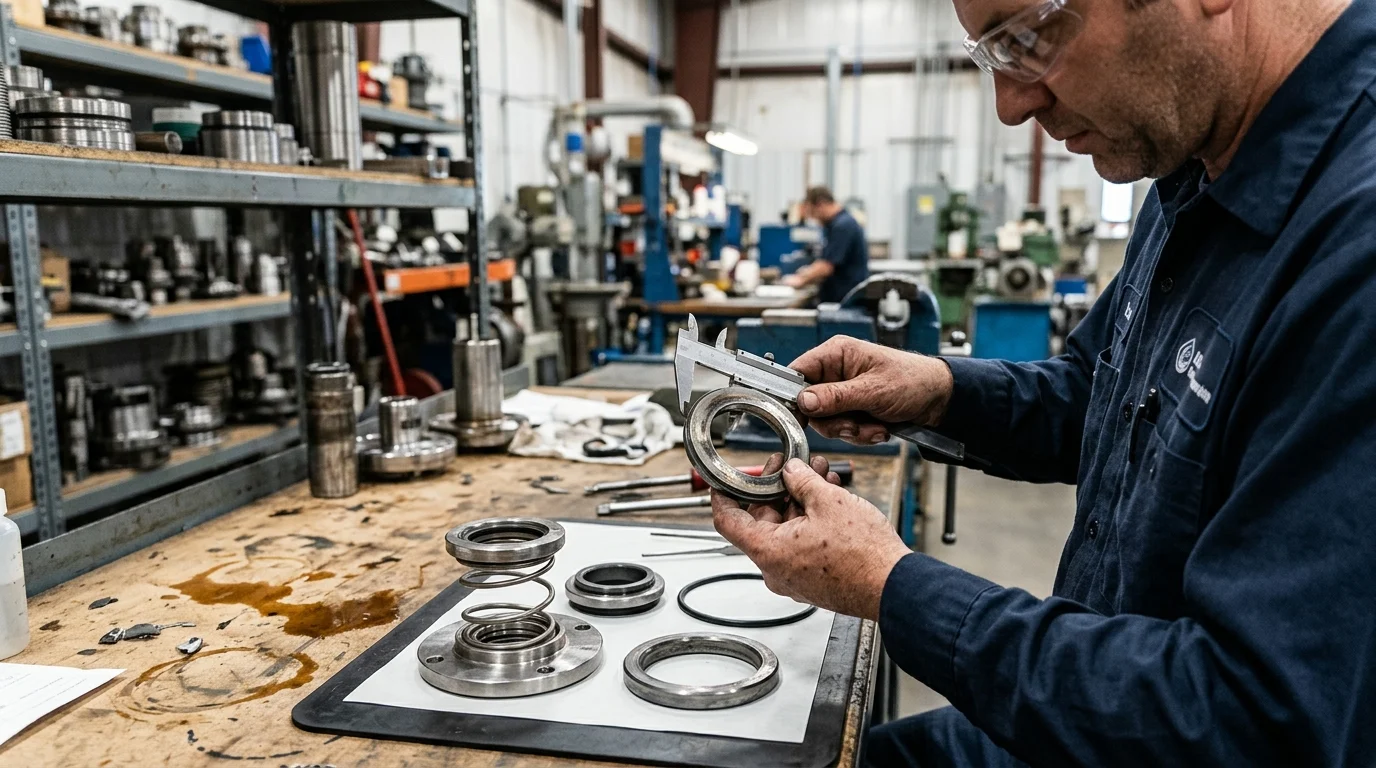
Mechanical seals consist of several essential components that work together to prevent fluid leakage. The following table outlines these components and their roles:
| Component Type | Description |
|---|---|
| Primary Sealing Elements | Core components (primary ring and mating ring) that form the primary sealing interface. |
| Secondary Sealing Elements | Prevent leakage at other points; includes dynamic and static types for different sealing needs. |
| Drive Elements | Transmit torque and prevent unintended rotation; includes various mechanical features. |
| Load Elements | Maintain contact between sealing rings to ensure performance during pressure fluctuations. |
| Adaptive Hardware | Allows flexible installation and compatibility with various configurations, enhancing usability. |
How Mechanical Seals Function
Mechanical seals operate by strategically positioning themselves to prevent the escape of pressurized fluid from the pump housing. They withstand the friction generated by the rotating shaft, ensuring a tight seal that prevents leakage. The basic working principle involves:
- Two primary faces: one stationary and one rotating.
- A thin fluid film exists between the faces to reduce wear.
- A spring mechanism maintains constant contact pressure, ensuring a tight seal.
These seals also include secondary sealing elements, such as gaskets or O-rings, which complete the seal assembly. The materials used for these components significantly impact durability. For example, fluoroelastomers provide high temperature resistance, while PTFE is chemically inert and suitable for various applications.
Proper pressure differential across the seal faces is crucial. Uneven pressure can lead to inadequate contact, resulting in leakage. High pressure can accelerate wear and generate excessive heat, compromising seal integrity. Thus, understanding these principles is vital for selecting the right mechanical seals for pumps.
Practical Applications of Mechanical Seals in Pumps
Industrial Applications
Mechanical seals for pumps play a vital role across various industrial sectors. They ensure efficient operation and prevent leaks in critical equipment. Common sectors utilizing these seals include:
| Industrial Sector | Typical Operating Conditions |
|---|---|
| Oil & Gas | High pressure and temperature, corrosive fluids |
| Chemical Processing | Varying chemical compositions, high temperatures |
| Pulp & Paper | High moisture, varying pH levels |
| Power Generation | High pressure, thermal cycling |
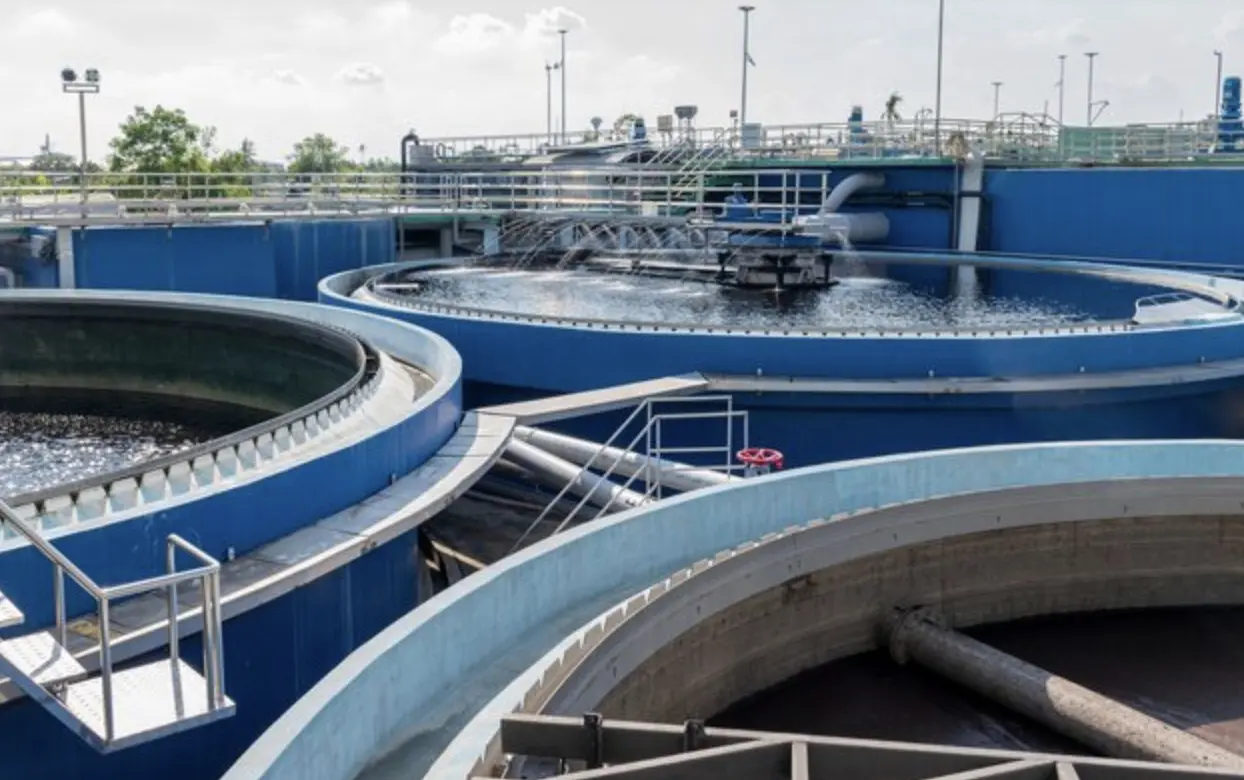
| Water & Wastewater Treatment | Varying fluid compositions, potential solids |
| Pharmaceuticals | Sterile conditions, precise fluid handling |
Mechanical seals are essential in pumps, compressors, agitators, and mixers. They maintain fluid transfer efficiency and prevent environmental contamination.
Chemical Processing Applications
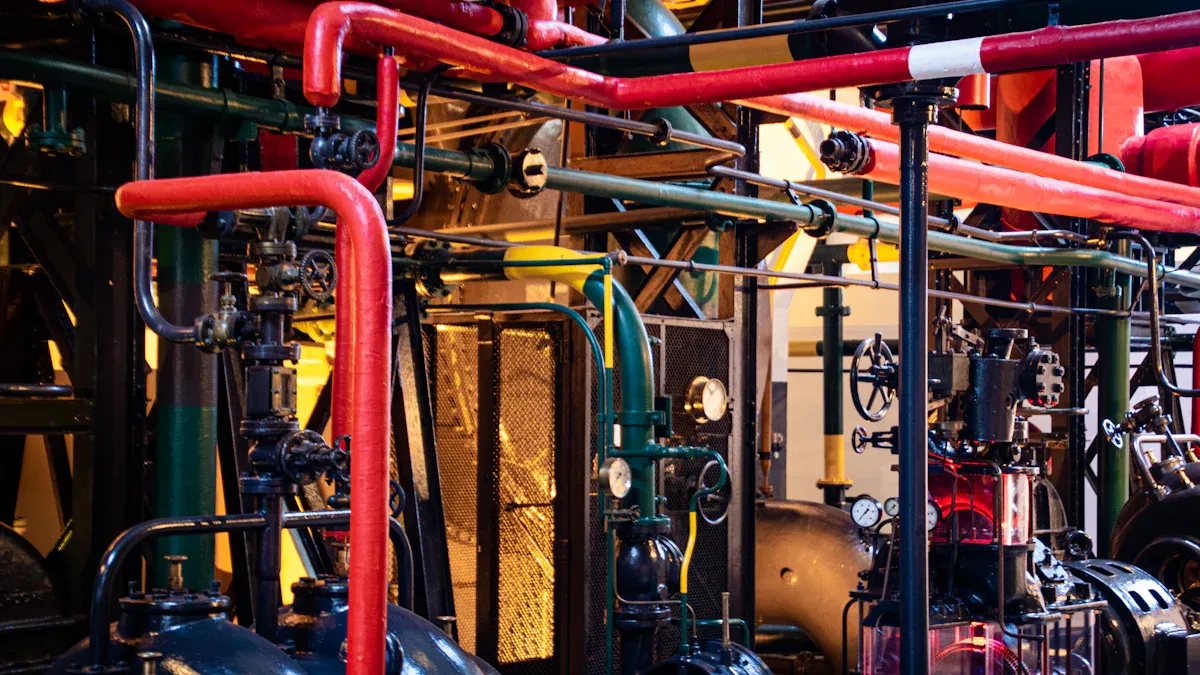
In chemical processing, mechanical seals contribute significantly to operational safety. They prevent fluid leakage in rotating equipment, maintaining equipment integrity. This is crucial for avoiding hazardous leaks. Mechanical seals also keep volatile chemicals contained, protecting workers from exposure to dangerous substances.
| Evidence Description | Contribution to Safety |
|---|---|
| Mechanical seals prevent fluid leakage in rotating equipment like pumps and mixers. | They maintain equipment integrity, which is crucial for preventing hazardous leaks in chemical processing. |
| Seals keep volatile chemicals contained. | This protects workers from exposure to hazardous substances, enhancing safety in the workplace. |
Support systems for seals manage corrosive and toxic fluids effectively, ensuring optimal conditions and preventing leaks.
Water and Wastewater Management Applications
Mechanical seals are critical in water and wastewater management. They help meet regulatory standards, ensuring safe operation. Compliance with standards like NSF/ANSI/CAN 61 is essential for mechanical seals in potable water systems.
| Regulatory Standard | Description |
|---|---|
| NSF/ANSI/CAN 61 | Sets health effects criteria for chemical contaminants from materials that may leach into drinking water. Compliance is required for mechanical seals in potable water systems. |
| State Regulations | 49 states in the U.S. and 11 provinces/territories in Canada mandate compliance with NSF/ANSI/CAN 61 for drinking water system components. |
These seals ensure safe and efficient operation in managing water resources.
How to Choose the Right Mechanical Seal for Pumps
Selecting the appropriate mechanical seal for pumps requires careful consideration of several factors. Understanding these factors ensures optimal performance and longevity of the seal in its application.
Assessing Application Requirements
When assessing application requirements, consider the following factors:
- Identify the operating parameters: Understand the specific conditions, including temperature, pressure, speed, and media.
- Understand the sealing requirements: Determine the necessary sealing performance, such as preventing leakage or withstanding high-pressure differentials.
- Determine the type of seal: Different seals, like O-rings and mechanical seals, have unique advantages and limitations.
- Consider material compatibility: Ensure the seal material is compatible with the media it will contact to guarantee reliability.
- Evaluate environmental factors: Assess conditions like moisture and UV exposure that may affect seal performance.
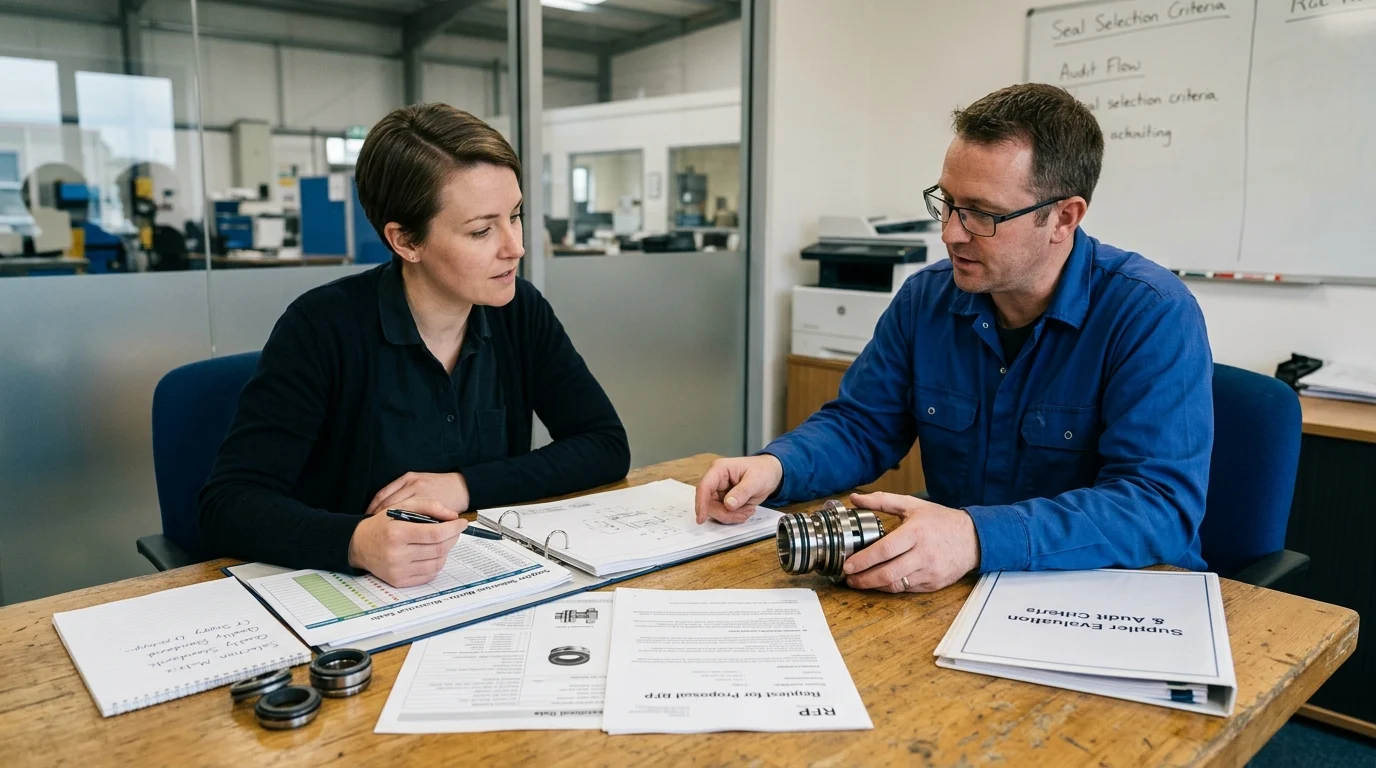
- Consult with experts: Seek guidance from manufacturers or engineers if uncertain about seal selection.
- Test and validate: Conduct performance tests to ensure the seal meets the desired criteria.
Additionally, consider the characteristics of the process fluid. Factors such as corrosiveness, abrasiveness, and viscosity significantly influence the choice of mechanical seal design. For instance, corrosive chemicals require chemically resistant materials like silicon carbide, while abrasive fluids necessitate hard-faced materials to minimize wear.
Material Considerations
Material selection plays a crucial role in the lifespan and reliability of mechanical seals. The following table outlines commonly used materials and their chemical compatibilities:
| Material | Properties | Chemical Compatibility |
|---|---|---|
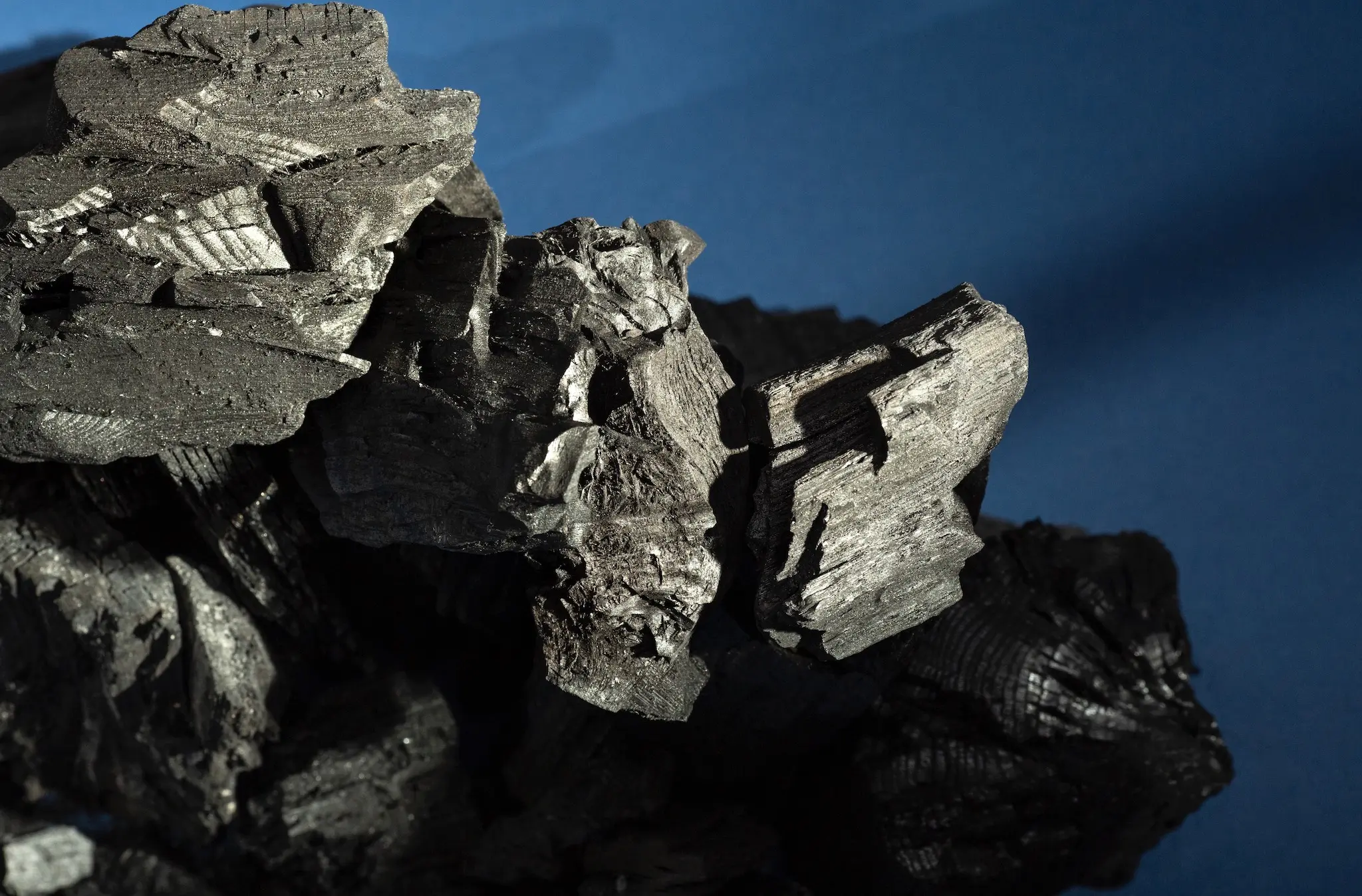
| Carbon Graphite | Excellent self-lubricating properties, resistant to acids, alkalis, solvents | Not suitable for strong oxidizing agents, high temperatures |
| Silicon Carbide | Extremely hard, wear-resistant, suitable for abrasive chemicals | Resistant to acids, alkalis, solvents |
| Tungsten Carbide | Very hard, wear-resistant, ideal for high pressures | Resistant to acids, alkalis, solvents |
| Ceramics | Extremely hard, wear-resistant, excellent chemical resistance | Brittle, can be damaged by shock or vibration |
| Elastomers | Flexible seal, various types available | Varies by type (e.g., NBR, FKM, EPDM) |
Choosing the right material ensures that the seal can withstand the operating conditions. For example, high temperatures can degrade lubricating properties, while low temperatures may lead to hardening and increased viscosity, damaging seals. Therefore, it is essential to select materials that resist aggressive fluids and regularly inspect seals for signs of degradation.
Environmental Factors
Environmental factors also significantly impact the selection of mechanical seals. The following table summarizes key considerations:
| Factor | Description |
|---|---|
| Temperature | Seal materials must handle the liquid’s temperature. Exceeding limits can lead to failure. |
| Pressure | The pressure in the seal chamber determines the required seal type, whether balanced or unbalanced. |
Understanding these factors helps ensure that the selected mechanical seal performs effectively under varying conditions. Additionally, environmental regulations may necessitate the use of advanced materials to ensure compliance. Innovations in mechanical seals often arise from the demand for safety and sustainability, aligning with regulatory requirements.
By carefully evaluating application requirements, material compatibility, and environmental factors, one can select the most suitable mechanical seal for pumps, ensuring optimal performance and reliability.
Mechanical seals play a vital role in pump applications. They reduce leakage, lower maintenance costs, and enhance energy efficiency. The table below summarizes key benefits:
| Key Benefit | Description |
|---|---|
| Reduced Leakage | Minimizes product loss and environmental damage, crucial for hazardous or expensive fluids. |
| Lower Maintenance | Fewer moving parts lead to less need for replacement and adjustments, saving labor costs. |
| Improved Energy Efficiency | Maintains pressure and flow, reducing energy waste and contributing to long-term savings. |
| Enhanced System Longevity | Reduces wear on components, lowering the need for repairs or replacements, thus ensuring reliability. |
Different types of mechanical seals address specific operational challenges. For example, double mechanical seals provide enhanced leak protection for hazardous fluids, while cartridge seals simplify installation. Selecting the right mechanical seal ensures optimal performance and reliability in diverse applications.
FAQ
What is the primary function of mechanical seals in pumps?
Mechanical seals prevent fluid leakage, ensuring efficient pump operation and minimizing environmental impact.
How do I know which mechanical seal to choose?
Consider application requirements, material compatibility, and environmental factors to select the appropriate mechanical seal.
What maintenance do mechanical seals require?
Regular inspections for wear and proper lubrication help maintain mechanical seals and extend their lifespan.