

How Oil Seal Selection Improves Gearbox and Pump Reliability
Industrial component procurement often treats sealing solutions as minor consumables. However, specifying the correct oil seal represents a critical strategic decision that directly influences the operational uptime of high-value gearboxes and OH series pumps. For B2B buyers, shifting focus from unit cost to lifecycle reliability is essential for reducing the total cost of ownership in capital-intensive facilities.
Why the right oil seal is a reliability decision
Upgrading from standard lip seals to advanced sealing technologies significantly improves the mean time between failures (MTBF) for rotating equipment. A precision-engineered seal eliminates mechanical shaft wear, preventing the friction that degrades both the shaft and the seal over time. By maintaining optimal lubrication retention across extreme operating temperatures ranging from -26°C to 232°C, these components protect internal bearings from catastrophic failure. Procurement teams evaluating these reliability metrics often find that an initial 15% to 30% premium on advanced seals yields exponential long-term savings. When industrial downtime can cost upwards of $5,000 per hour, investing in a durable, non-wearing seal becomes a highly justifiable commercial decision.
Common failure modes in gearboxes and pumps
Industrial gearboxes and centrifugal pumps operate in unforgiving environments where minor vulnerabilities lead to systemic failures. The most prevalent failure mode is lubricant leakage coupled with the ingress of external contaminants, such as moisture and abrasive particulate matter. Industry data indicates that up to 60% of premature bearing failures stem directly from this contamination. Furthermore, traditional contact seals often trap internal pressure, leading to seal blowout or accelerated material degradation. Advanced designs mitigate this risk by allowing the bearing housing to "exhale" during shaft rotation. This equalizes pressure while sustaining an impenetrable barrier against environmental hazards, ensuring continuous operation even in demanding cyclical applications within the petrochemical and metallurgical sectors.
Which Oil Seal Specifications Buyers Should Compare
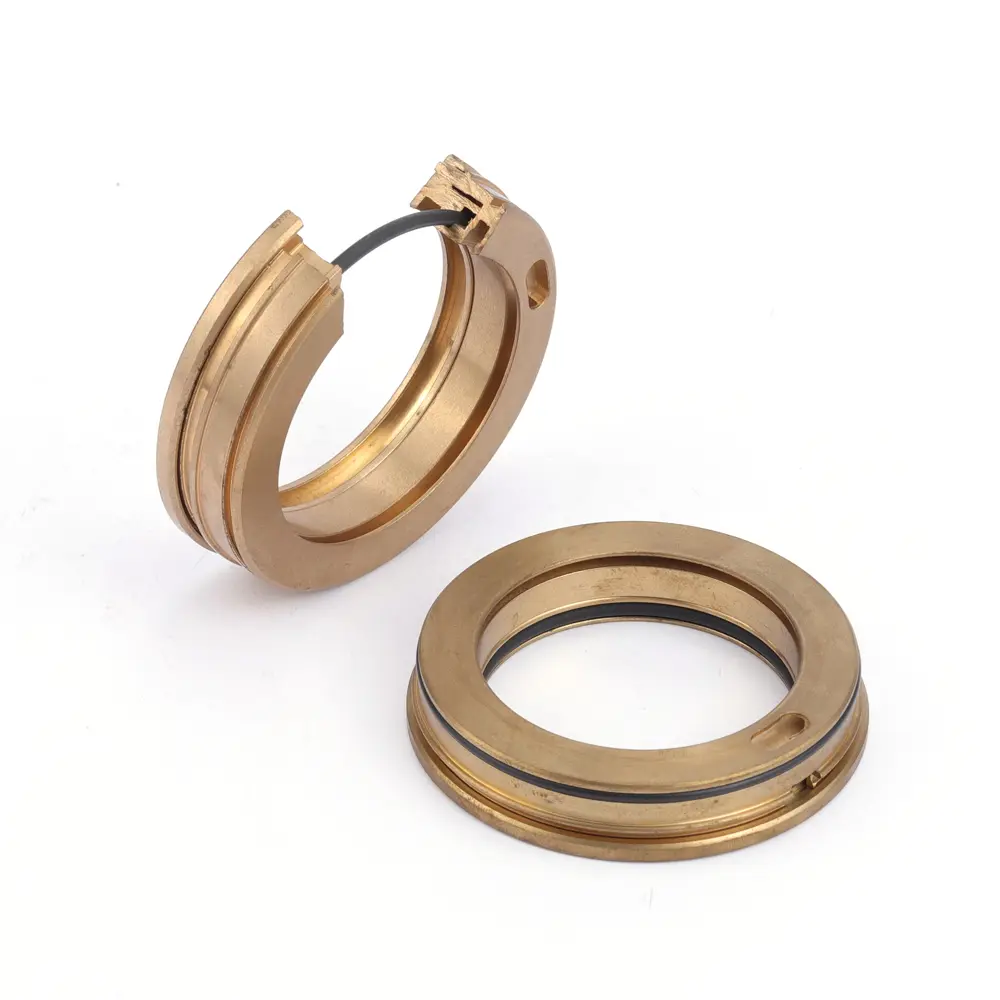
Selecting the optimal sealing technology requires procurement teams to balance mechanical performance thresholds with viable commercial supply chain metrics. Buyers must evaluate both the engineering architecture of the seal and the supplier's capacity to deliver consistent quality at scale.
Labyrinth vs contact seal designs
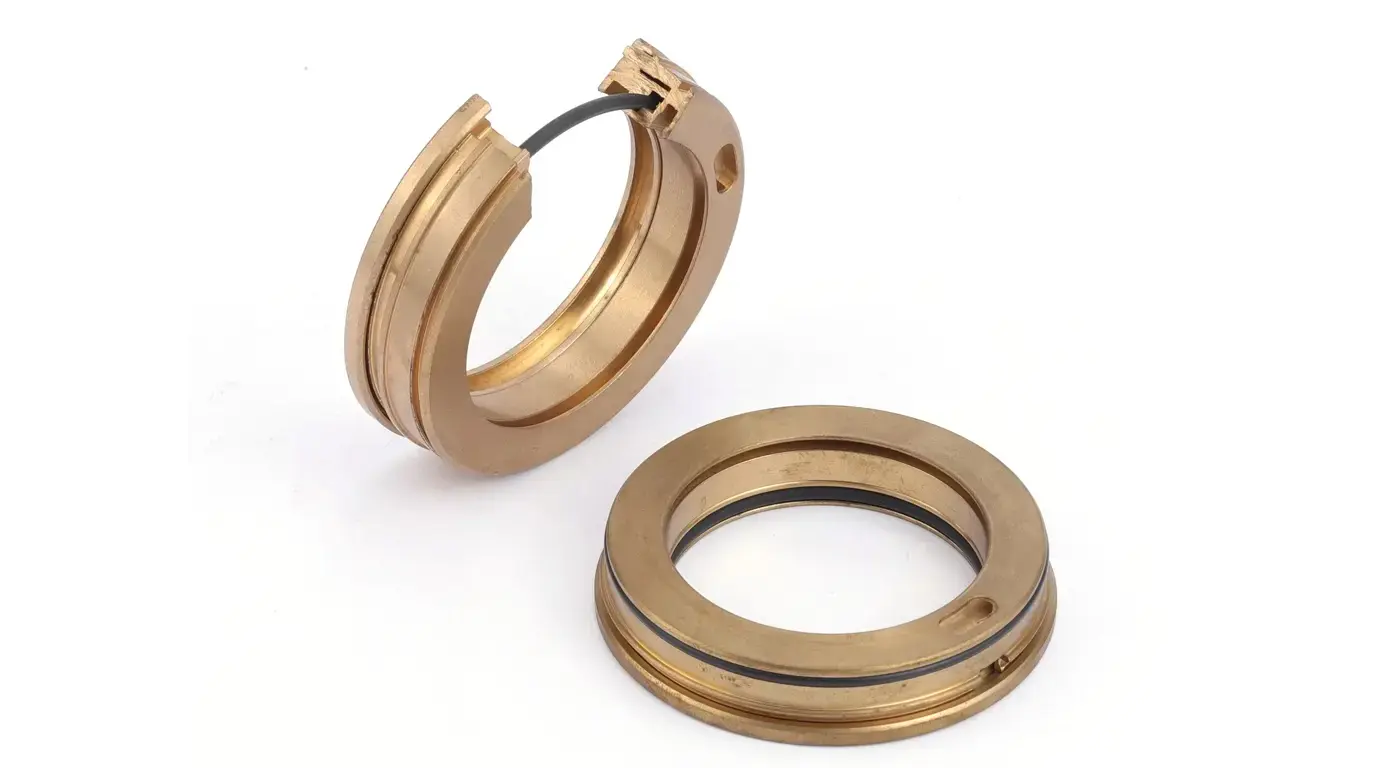
The primary architectural decision involves choosing between traditional contact designs and advanced non-contact labyrinth structures. Contact seals rely on physical friction against the shaft to retain fluid, which inherently limits their maximum rotational speed and accelerates component wear. In contrast, a labyrinth seal utilizes a tortuous, non-contact path to block contaminants and retain lubricants. This eliminates friction entirely and extends equipment life under continuous operation.
| Specification | Traditional Contact Seal | Advanced Labyrinth Seal |
|---|---|---|
| Operating Mechanism | Physical friction on shaft | Non-contact tortuous path |
| Max Surface Speed | Typically < 3,000 sfpm | Up to 10,000 sfpm |
| Shaft Wear | High (requires shaft sleeves) | Zero (eliminates grooving) |
| Expected Lifespan | 2,000 to 4,000 hours | 5+ years (application dependent) |
| Maintenance Impact | Frequent replacements | Install and run |
Technical and commercial checkpoints for procurement
Beyond physical design, buyers must assess rigorous technical and commercial benchmarks. Material selection is paramount; standard constructions utilizing Bearing Bronze and 416 Stainless Steel paired with FKM or NBR O-rings cover most general industrial applications. For extreme chemical exposure, PTFE or specialized aluminum alloys may be required. Commercially, distributors should negotiate favorable minimum order quantities (MOQs), which typically range from 50 units for standard stock to 500 units for custom-engineered alloys. Unit costs generally span from $15 to $85 depending on the material grade and diameter. Procurement departments must also mandate strict quality control tolerances, targeting a defect rate of less than 0.5% and requiring documented material certifications to ensure compliance with global manufacturing standards.
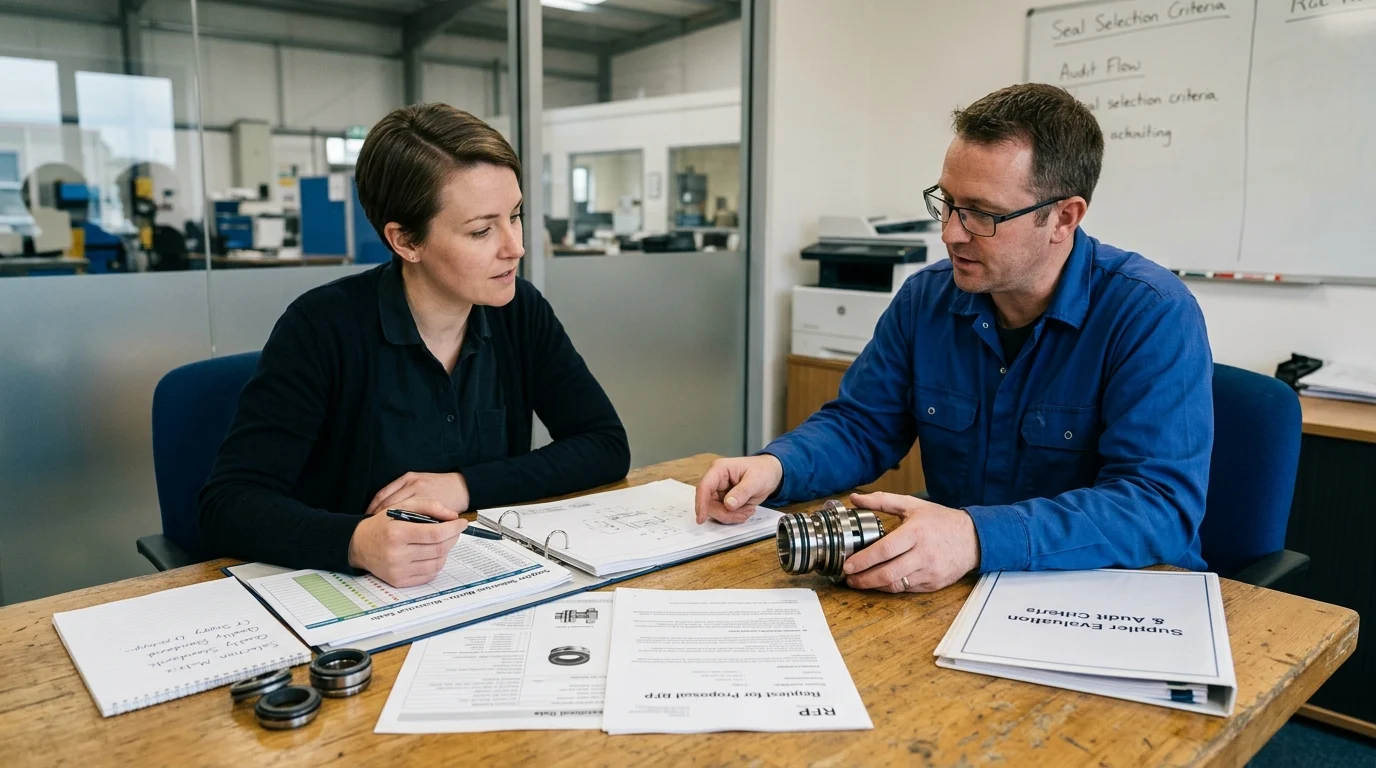
How Distributors and OEM Buyers Should Select and Validate Oil
A step-by-step selection process
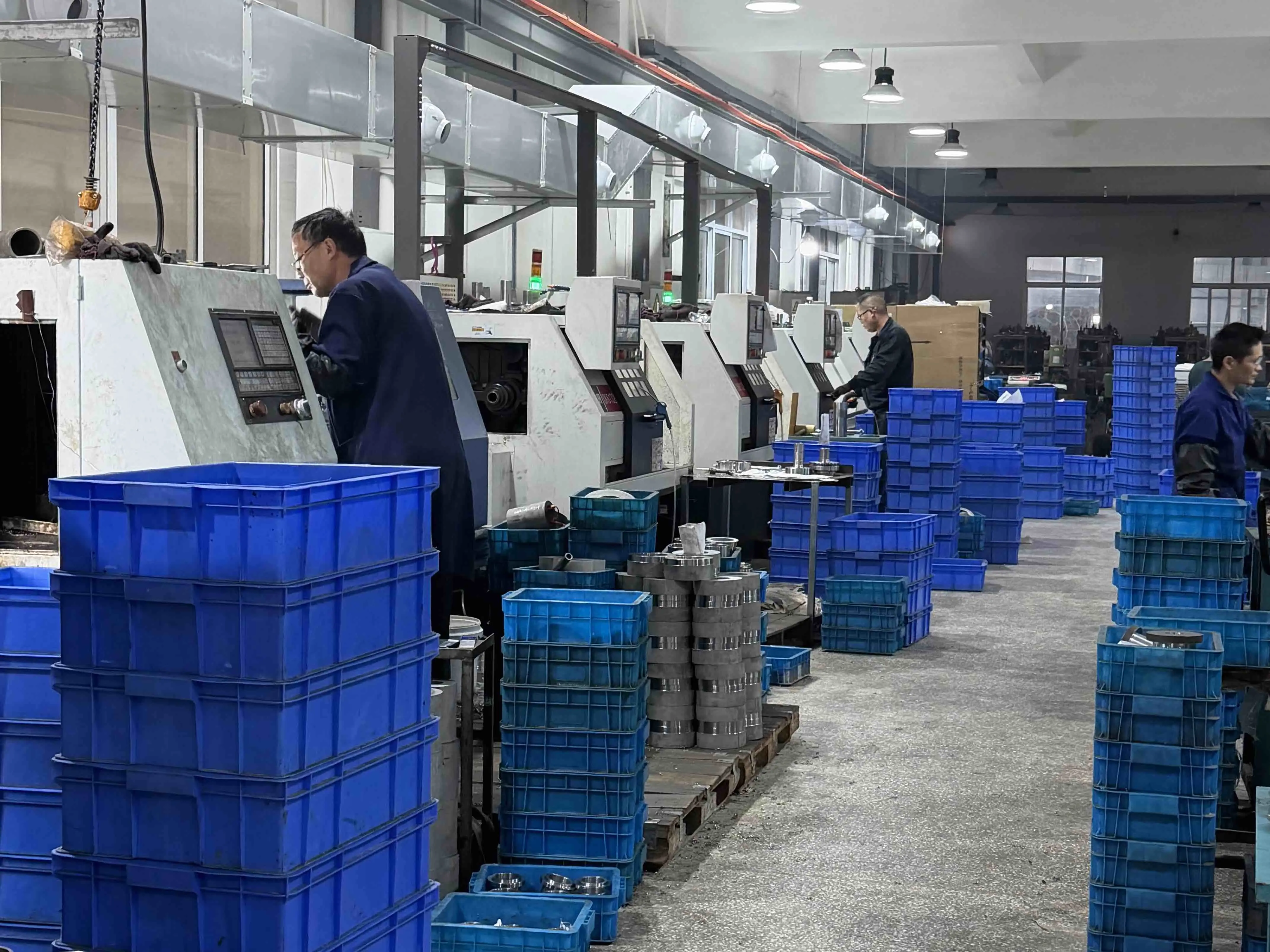
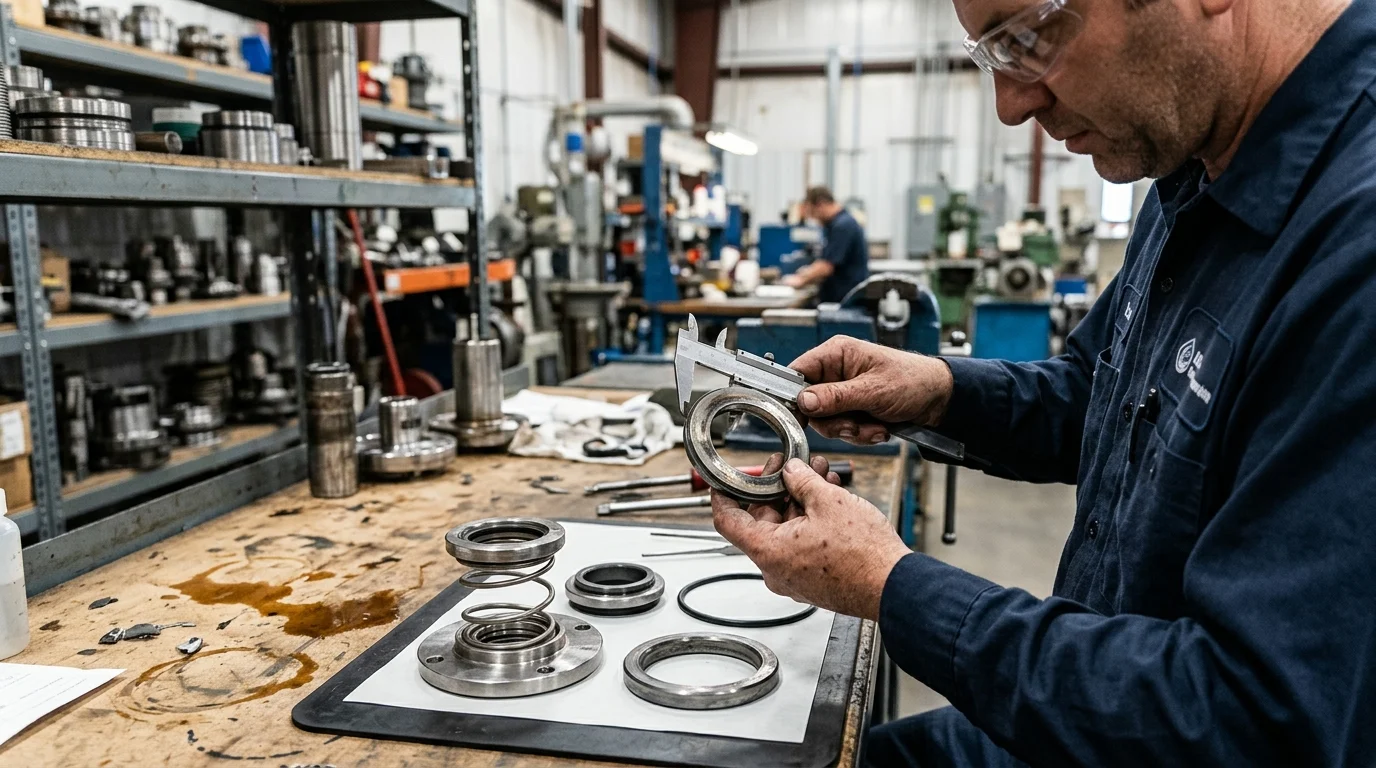
A robust selection methodology begins with a comprehensive audit of application parameters, capturing maximum rotational speeds, operating temperature bands, and chemical exposures. Next, engineers must validate material compatibility to ensure the chosen alloys resist corrosive agents. The third phase involves rigorous dimensional verification, as correct installation requires precise tolerances. For example, assembly protocols dictate that burrs must be polished, lubricating grease applied to the O-ring, and the oil drain hole aligned perfectly at the 6 o'clock position to interface with the gland's oil return. Finally, buyers must audit the manufacturer's production capabilities, verifying that typical lead times of 4 to 6 weeks can be met without compromising dimensional accuracy.
A simple real-world matching example
Consider a real-world sourcing scenario where an industrial distributor needs replacement components for a fleet of Flowserve MKIII and Goulds 3196 OH series pumps. Instead of sourcing OEM-branded parts at a premium, the distributor identifies a high-quality CGI equivalent that matches the exact dimensional and performance specifications. The validation process confirms the replacement features a non-contact labyrinth geometry capable of handling continuous operation at 5,000 sfpm and 150°C. By securing a contract with a 200-unit MOQ and a guaranteed 30-day lead time, the distributor successfully reduces supply chain costs by 25% while maintaining stringent reliability standards for end-users. This strategic alignment of technical validation and commercial foresight ultimately solidifies market competitiveness and operational dependability.
Key Takeaways
- Wholesale sourcing and supply-chain implications for Oil Seal
- Specifications, compliance, and commercial terms buyers should validate
- Actionable recommendations for distributors and procurement teams
Frequently Asked Questions
The right oil seal reduces lubricant loss, blocks contamination, and prevents shaft wear. In gearboxes and OH pumps, this helps extend bearing life, improve MTBF, and lower downtime costs.
Choose a labyrinth seal for higher speeds, continuous duty, and applications where shaft wear is a concern. It uses a non-contact design, so it avoids friction and can handle up to 10,000 sfpm.
For many general industry applications, Bearing Bronze and 416 Stainless Steel with FKM or NBR O-rings are practical choices. For aggressive chemicals or special conditions, PTFE-based options may be better.
Compare shaft speed, temperature range, media compatibility, seal design, material certification, and defect-rate targets. Also confirm MOQ, lead time, and whether the supplier can meet your quality-control requirements.
Request material certificates, tolerance records, and quality-control documentation. It also helps to review the supplier’s application support and product details for oil-lubrication use, such as those shown on GW Seal’s CGI oil seal pages.