

Best Practices for Maintaining Pump Mechanical Seals in 2026
Maintaining pump mechanical seals is crucial for ensuring operational efficiency and reducing downtime. Approximately 13% of mechanical seal failures stem from bearing problems, highlighting the need for vigilance. By understanding and addressing common pump mechanical seal failures, operators can effectively troubleshoot pump seal failure and enhance system reliability.
Key Takeaways
- Regular inspections are essential. Check for leaks and monitor vibrations daily or weekly to catch issues early.
- Proper installation techniques matter. Follow manufacturer guidelines to prevent misalignment and ensure seal integrity.
- Choose the right materials for seals. Ensure compatibility with the fluid and consider temperature and viscosity to enhance durability.
Common Pump Mechanical Seal Failures
Leakage
Leakage represents one of the most prevalent issues associated with pump mechanical seals. It occurs when the seal fails to maintain a barrier between the pump's internal fluids and the external environment. This failure can lead to significant operational inefficiencies and safety hazards. Common causes of leakage include:
- Improper Installation: Incorrectly installed seals can create gaps, allowing fluids to escape.
- Wear and Tear: Over time, seals can degrade due to friction and environmental factors, leading to leaks.
- Chemical Incompatibility: Seals made from materials that do not withstand the pumped fluid can deteriorate, resulting in leakage.
Wear and Tear
Wear and tear on pump mechanical seals can significantly reduce their lifespan. Engineering studies identify several primary causes of this degradation:
| Cause of Wear and Tear | Explanation |
|---|---|
| Improper Installation | Incorrect installation can damage the seal and other pump parts, leading to seal failure. |
| Dry Running | Operating without fluid increases friction, causing heat damage and seal failure. |
| Bearing Wear | Natural wear due to friction can be mitigated by using high-quality bearings to extend seal life. |
| Shocks and Vibrations | Excessive vibration can lead to fluid leaks and damage seals, shortening their service life. |
| Pressure Fluctuations | Variations in pressure can contribute to seal failure and increased leakage. |
| Poor Lubrication | Insufficient lubrication can lead to increased wear and tear on seals. |
| Chemical Incompatibility | Seals not resistant to chemicals can degrade, leading to failure. |
The average lifespan of a mechanical seal typically ranges from 8,000 to 20,000 operating hours. Factors such as dry running, fluid abrasion, and chemical attack can significantly shorten this lifespan.
Overheating
Overheating is another critical failure mode for pump mechanical seals. It can lead to thermal cracking and other forms of damage, compromising the seal's effectiveness. Several operational factors contribute to overheating:
- Operating at very low flow rates
- Excessive system resistance causing internal recirculation
- Poor medium lubrication
- High operating temperature
- Mechanical friction from worn components
Overheating can have severe consequences, including:
- Thermal cracking, which compromises sealing effectiveness.
- Carbonization of materials, particularly in carbon-graphite rings, leading to increased leakage.
- Aging of auxiliary seals made from materials like fluororubber, which lose elasticity when exposed to excessive heat.
By understanding these common pump mechanical seal failures, operators can take proactive measures to mitigate risks and enhance the reliability of their systems.
Causes of Pump Mechanical Seal Failures
Improper Installation
Improper installation ranks as one of the leading causes of pump mechanical seal failures. Industry surveys indicate that approximately 40-50% of mechanical seal failures arise from installation errors. These errors can stem from various factors, including:
- Misalignment: Incorrectly aligned seals can lead to premature wear and eventual failure.
- Contamination: The presence of abrasive particles during installation can damage seal faces.
- Vibration and Misalignment: Excessive vibration disrupts seal function, contributing to wear.
- Lack of Maintenance: Neglecting routine maintenance can exacerbate wear and lubrication issues.
| Error Type | Description |
|---|---|
| Improper Installation | Incorrect installation can cause misalignment, leading to premature wear. |
| Contamination | Abrasive particles in the fluid can cause rapid wear of the seal faces. |
| Vibration and Misalignment | Excessive vibration can disrupt seal function, leading to wear and failure. |
| Lack of Maintenance | Neglecting maintenance can contribute to seal failures due to wear and lack of lubrication. |
Incompatible Materials
Incompatible materials can significantly contribute to pump mechanical seal failures, particularly in chemical processing applications. When seals are made from materials that do not withstand the pumped fluid, several issues can arise:
- Swelling: Some elastomers absorb chemicals, leading to expansion that increases friction and disrupts the seal's fit.
- Dissolution: Certain chemicals can break down seal materials, weakening their structure and causing early failure.
- Cracking and Brittleness: Chemical exposure can make elastomers brittle, leading to cracks and leaks.
Material combinations also play a crucial role in seal reliability. For instance, austenitic stainless steel is susceptible to stress corrosion in corrosive environments, while copper alloys can experience local corrosion and cracking.
| Material Type | Failure Mechanism | Example Use Case |
|---|---|---|
| Austenitic Stainless Steel | Susceptible to stress corrosion under load in corrosive environments | Drive sleeve in ammonia water pumps |
| Copper Alloys | Prone to stress corrosion, leading to local corrosion and cracking | Various pump applications |
| High-Purity Alumina Ceramics | Good corrosion resistance, recommended for use in strong corrosive media | Mechanical seals in corrosive fluids |
| Silicon Carbide | Excellent wear resistance, suitable for high-speed applications in corrosive media | Mechanical seals in pumps |
Operating Conditions
Operating conditions significantly influence the reliability of pump mechanical seals. Factors such as temperature fluctuations, pressure variations, and fluid characteristics can lead to failures. Common issues include:
- High Temperatures: Seals may fail if the process fluid runs at higher temperatures than designed. Operators should replace seals with those designed for high-temperature conditions.
- Particulates in Fluid: Increased particulates can abrade seal faces, leading to wear. Using more durable seal faces or adding strainers can mitigate this issue.
- Pressure Fluctuations: Changes in pumping pressure can affect seal performance. Adjusting the pressure of the process or barrier fluid may be necessary.
| Factor | Remedy |
|---|---|
| Change to process fluid running at higher temperatures | Replace mechanical seal with one designed to tolerate high-temperature conditions. Enhance the cooling capacity of the seal support system. |
| Increased particulates in process fluid abrade seal faces | Use seal faces with greater durability. Add strainer or cyclone separator to remove particulates. Increase barrier fluid pressure. |
| Increased or decreased pumping pressure | Adjust the pressure of the process, barrier, or buffer fluid accordingly. Pressure increases may require changing to a different mechanical seal design. |
By understanding these causes of pump mechanical seal failures, operators can implement strategies to prevent issues and enhance the longevity of their systems.
Best Practices for Prevention
Regular Inspections
Regular inspections play a vital role in preventing pump mechanical seal failure. Operators should establish a routine monitoring schedule. Suggested inspection intervals include:
- Daily/Weekly: Check for leakage, monitor vibration and noise levels, and verify flush flow.
- Monthly/Quarterly: Record operating temperatures, inspect seal chamber pressure, and examine shaft and sleeve conditions.
- Annual Maintenance: Disassemble and inspect the seal assembly, assess material compatibility, and evaluate bore condition.
Correct Installation Techniques
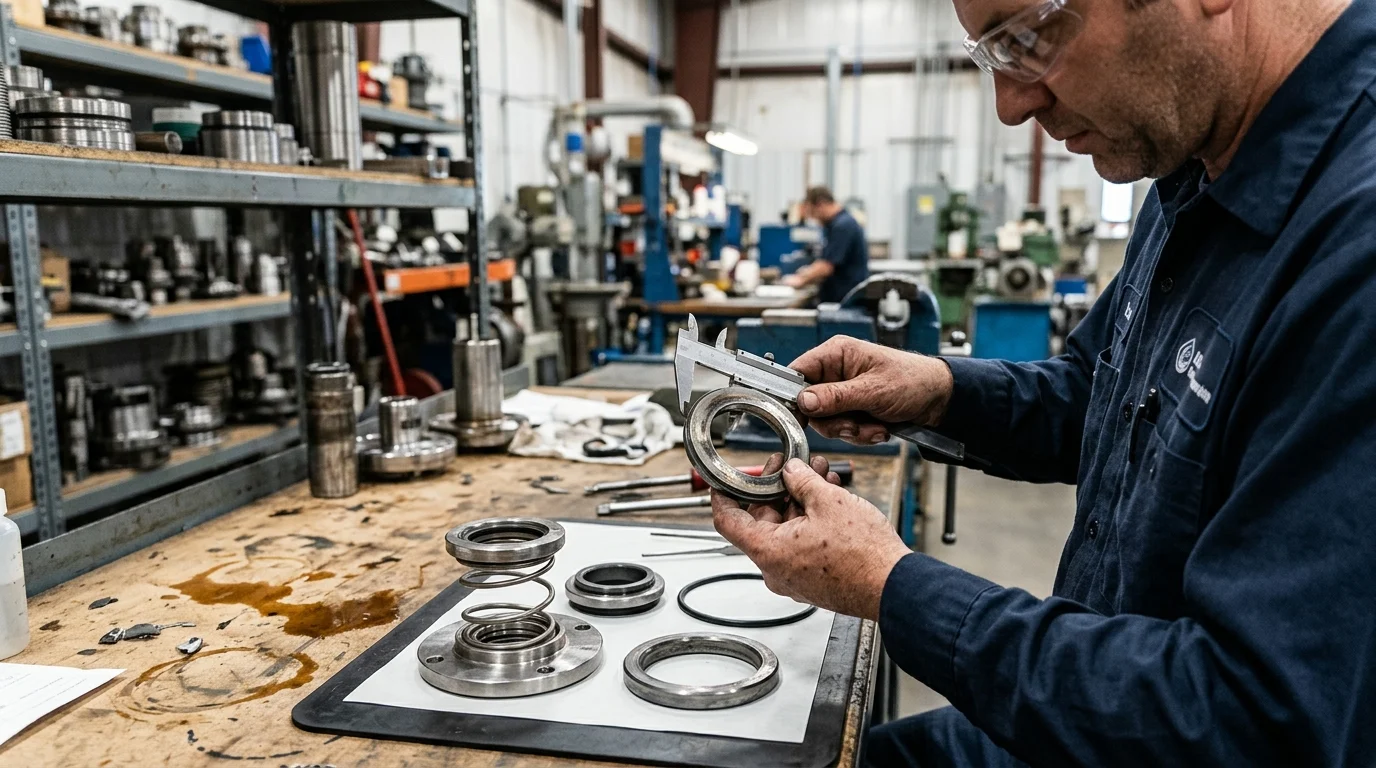
Correct installation techniques significantly impact seal performance. Operators should follow these best practices:
- Ensure pumps are balanced to reduce vibration and strain on seals.
- Use appropriate seal support systems, such as flush plans and barrier fluids.
- Verify fluid compatibility with mechanical seals to prevent damage.
- Handle seals carefully during installation to avoid damage.
Following manufacturer installation guidelines is crucial. Proper installation prevents misalignment and improper torque application, which are critical for seal integrity.
Material Selection
Selecting the right materials for pump mechanical seals is essential, especially in corrosive environments. Operators should consider:
- The exact liquid being handled to ensure compatibility.
- The temperature requirements of the seal materials.
- The viscosity of the liquid to prevent excessive wear.
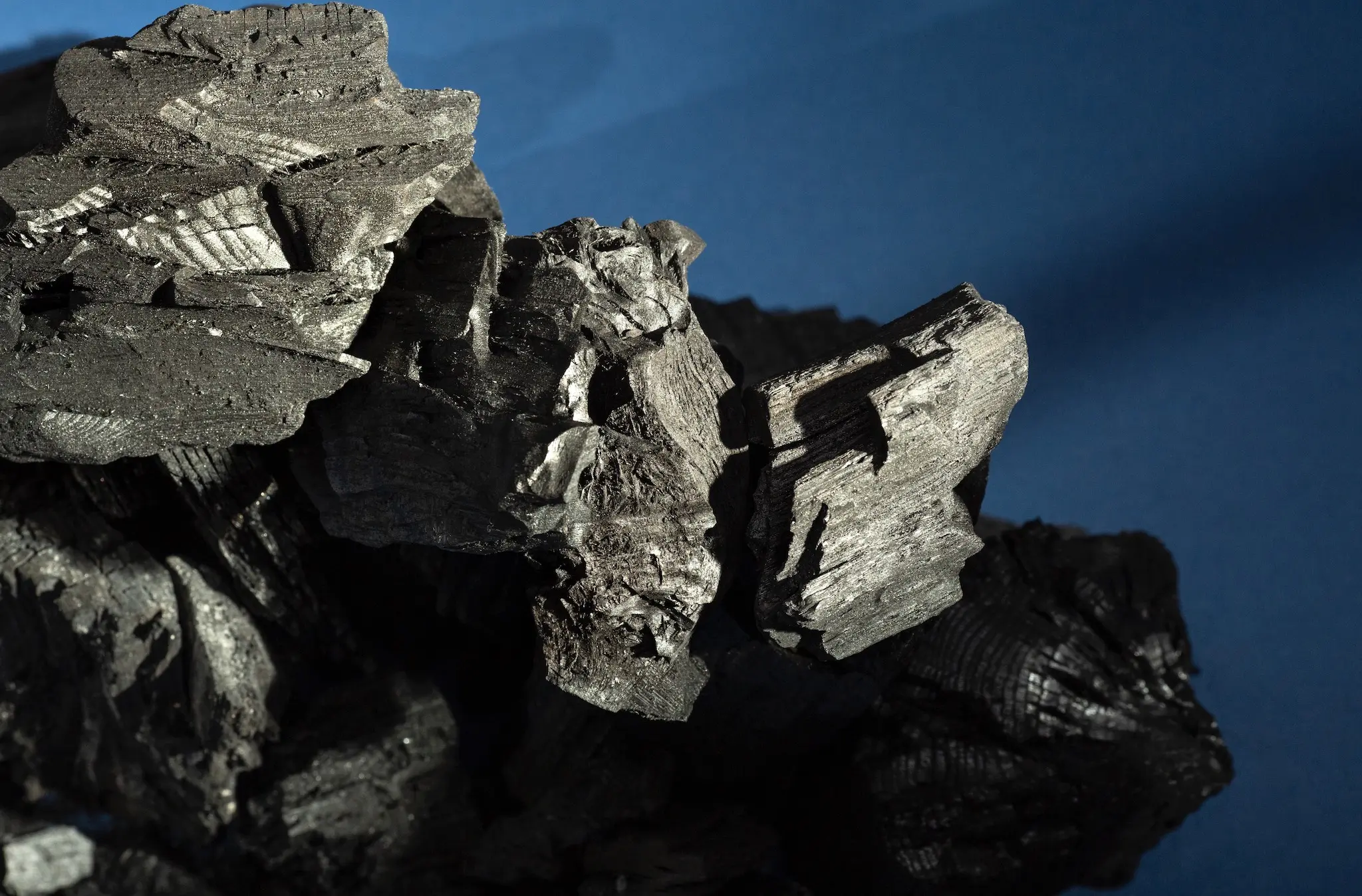
Using materials like carbon graphite blends or silicon carbide can enhance durability and effectiveness.
Monitoring Operating Conditions
Monitoring operating conditions helps identify potential issues before they escalate. Operators should implement systems for:
- Regular inspections to prevent failure or leakage.
- Monitoring temperature and pressure to ensure optimal performance.
- Utilizing trained professionals for inspections to avoid costly mistakes.
Real-time monitoring allows for proactive maintenance, reducing the risk of pump mechanical seal failure.
Importance of Training and Awareness
Staff Training Programs
Effective staff training programs are essential for maintaining pump mechanical seals. These programs equip operators with the knowledge and skills necessary to prevent failures. A well-structured training program should cover several key components:
| Day | Topic | Key Components |
|---|---|---|
| 1 | Introduction to Pumps | Overview of pump types, components, and selection criteria |
| 2 | Pump Maintenance Best Practices | Troubleshooting, preventive maintenance, hands-on alignment and balancing |
| 3 | Pump Repair and Overhaul | Repair techniques, importance of genuine parts, case studies |
| 4 | Mechanical Seals | Types, installation, troubleshooting, hands-on installation |
| 5 | Comprehensive Maintenance Program | Creating maintenance plans, seal management, final assessment |
Ongoing training enhances operator awareness of critical operational parameters. Trained operators can identify early signs of seal degradation. They also understand concepts like NPSH and seal flush pressure, which helps them act proactively to prevent failures.
Documentation and Procedures
Proper documentation and procedures are vital for maintaining pump mechanical seals in compliance with industry standards. Systematic recording of installation details and performance data enhances future maintenance decisions. Key aspects include:
- Transitioning to split mechanical seals can significantly reduce installation time, demonstrating improved efficiency.
- Documentation serves as a baseline for ongoing condition monitoring, improving reliability.
- Incorporating lessons learned into maintenance procedures leads to better future seal replacements.
By ensuring that documentation is thorough and accessible, organizations can streamline maintenance processes and enhance overall system performance.
In summary, common pump mechanical seal failures include leakage, wear and tear, and overheating. These issues often arise from improper installation, incompatible materials, and challenging operating conditions. To mitigate these risks, operators should adopt best practices such as regular inspections, correct installation techniques, and careful material selection. Proactive maintenance not only enhances reliability but also reduces downtime, ultimately leading to significant cost savings.
Stop Pump Seal Failure with GW SEAL
Eliminate costly downtime and leaks with GW SEAL's high-quality mechanical seals. Combining superior materials with expert engineering, we deliver reliable solutions that withstand harsh conditions and extend equipment life. Trust our comprehensive service and support to keep your pumps running smoothly—without failure.
FAQ
What are the signs of a failing mechanical seal?
Common signs include leakage, unusual noises, and increased vibration. Regular monitoring helps identify these issues early.
How often should I inspect pump mechanical seals?
Inspect seals at least monthly. More frequent checks may be necessary in high-stress environments or with critical applications.
Can I replace mechanical seals myself?
Yes, but ensure proper training and follow manufacturer guidelines. Incorrect installation can lead to further failures and increased costs.