




Just-in-Time Seals: Inventory Solutions for OEM Partners
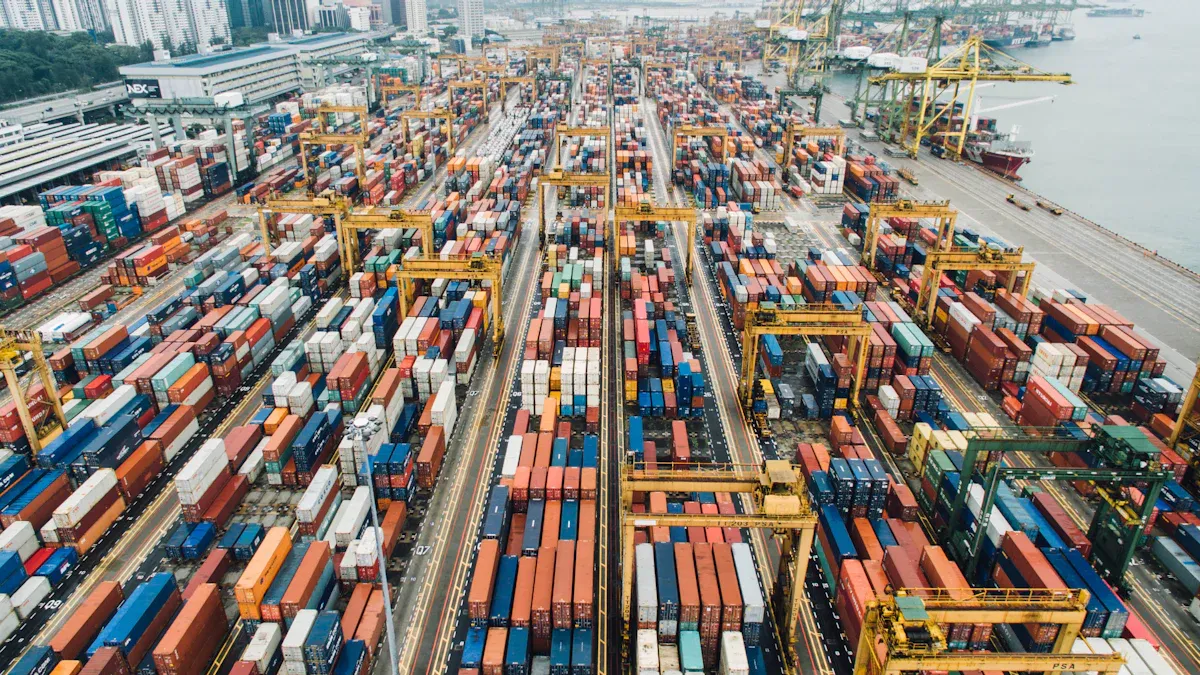
OEMs face significant inventory challenges that impact their operations. Holding excessive stock leads to high costs, including storage and risk of obsolescence. Conversely, insufficient inventory can disrupt production and delay orders. Notably, inventory holding costs typically account for 20% to 30% of total inventory value annually, emphasizing the need for efficient solutions in the mechanical seal supply chain. GW SEAL offers a strategic approach to address these challenges.
Key Takeaways
- Just-in-Time (JIT) inventory minimizes excess stock, reducing holding costs by 50% to 70%. This approach allows OEMs to allocate resources more effectively.
- Implementing JIT solutions enhances production efficiency by ensuring seals arrive exactly when needed. This responsiveness helps OEMs meet customer demands without delays.
- GW SEAL's JIT model offers tailored solutions, real-time data integration, and flexible order quantities. These features empower OEMs to streamline their supply chains and improve cash flow.
What Is Just-in-Time (JIT) Inventory for Seals?
Just-in-Time (JIT) inventory for seals represents a strategic approach to managing stock levels in the mechanical seal supply chain. This model emphasizes the delivery of seals precisely when needed, minimizing excess inventory and associated costs. By aligning inventory with actual demand, JIT transforms the traditional inventory management paradigm.
Key Components of JIT Inventory for Seals
Several essential components define a successful JIT inventory system for mechanical seals:
- BinFill: This method ensures that inventory levels remain optimal by automatically refilling bins as they deplete.
- KanBan: A visual signaling system that indicates when to reorder seals, facilitating timely replenishment.
- Just-In-Time Delivery: This component guarantees that seals arrive at the production site exactly when required, reducing storage needs.
- Stock Replenishment: A systematic approach to restocking based on real-time consumption data.
- Consignment (Pay as you go): This arrangement allows OEMs to pay for seals only when they use them, further reducing financial risk.
JIT vs. Traditional Inventory Models
The differences between JIT inventory and traditional inventory models are significant. The following table outlines these distinctions:
| Aspect | Just-in-Time (JIT) | Traditional Inventory Models |
|---|---|---|
| Inventory Levels | Minimized, aligned with actual demand | Large stockpiles as a buffer |
| Production Process | Closely linked to consumer demand | Based on forecasts and intuition |
| Efficiency | Higher due to reduced waste | Lower due to excess inventory |
| Cost Savings | Significant due to lower holding costs | Limited, higher costs from excess inventory |
| Operational Issues | Quickly identified due to low inventory | Often masked by large stock levels |
Why OEMs Need JIT Solutions for Mechanical Seals
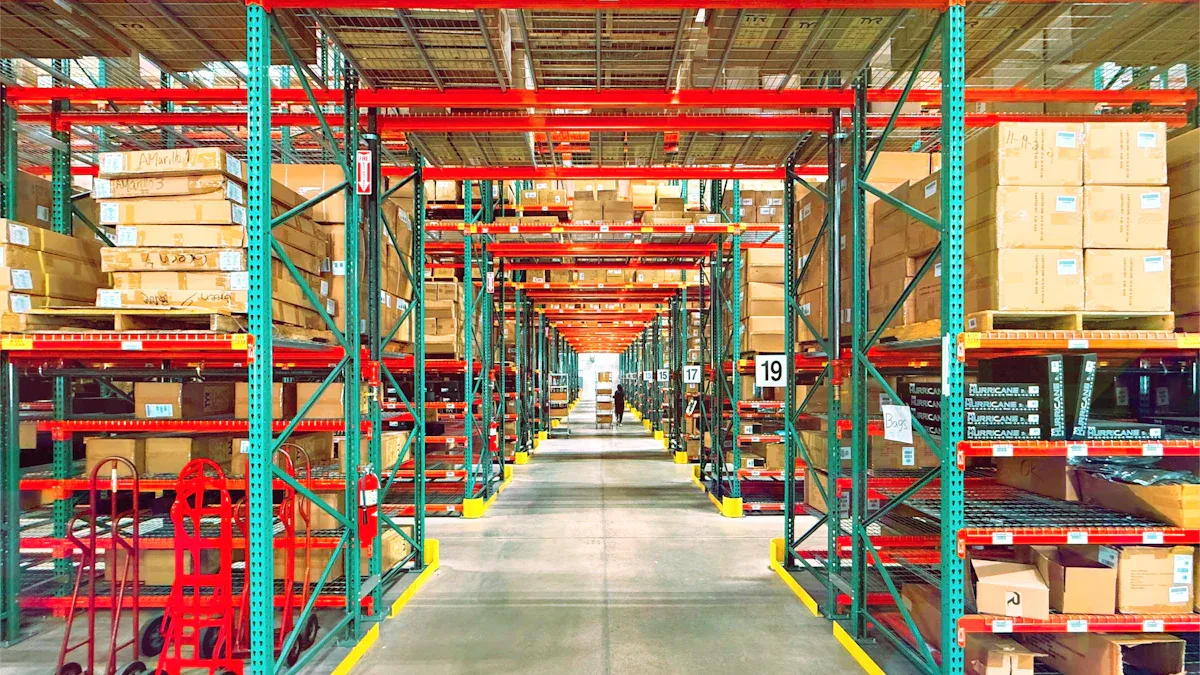
OEMs encounter numerous challenges in managing their mechanical seal supply chains. These challenges often stem from inventory-related pain points that can significantly disrupt production and increase costs. Understanding these pain points is crucial for OEMs seeking to enhance their operational efficiency.
Common Inventory-Related Pain Points
The following table outlines some of the most prevalent inventory-related issues faced by OEMs using mechanical seals:
| Pain Point | Description |
|---|---|
| Long lead times for specialized components | OEMs often face delays in receiving necessary parts, impacting production schedules. |
| Dependency on one OEM or vendor | Relying on a single source for proprietary parts can create vulnerabilities in the supply chain. |
| Global supply chain disruptions | Factors like shortages, tariffs, and geopolitical issues exacerbate inventory challenges. |
| COVID-related delays | The pandemic caused significant delays in the delivery of hydraulic components, affecting operations. |
These pain points highlight the critical need for JIT solutions. By implementing JIT inventory management, OEMs can mitigate the risks associated with long lead times and supply chain disruptions.
Impact of Supply Chain Disruptions
When mechanical seals are not available on time, OEMs face severe consequences. The following points illustrate the impact of such disruptions:
- Sealing performance directly affects reliability and uptime.
- Seal failures can disrupt production schedules and compliance with regulations.
- The consequences of seal failures extend beyond the component, impacting overall equipment performance.
Moreover, mechanical seal failures can lead to production halts and increased maintenance costs. The risks of product contamination and excessive resource loss arise from these failures, making reliable seals essential for maintaining uptime and product quality.
Benefits of JIT Solutions
Just-in-Time inventory solutions offer several advantages that directly address the challenges faced by OEMs:
- JIT inventory ensures parts are delivered precisely when needed, which reduces lead times for mechanical seal procurement.
- This approach minimizes storage costs and enhances operational efficiency, allowing OEMs to respond quickly to changing demands.
- JIT manufacturing aligns production and delivery closely with OEM schedules, enabling faster adjustments to production runs without excess inventory.
By adopting JIT solutions, OEMs can transform their mechanical seal supply chains into more agile and responsive systems. This transformation not only reduces costs but also enhances overall production reliability.
GW SEAL's JIT Inventory Model
GW SEAL employs a robust Just-in-Time (JIT) inventory model tailored specifically for mechanical seals. This model focuses on delivering seals precisely when needed, minimizing excess stock and associated costs. The following key features define GW SEAL's JIT inventory approach:
-
Real-Time Data Integration: GW SEAL connects directly with OEM systems to monitor consumption patterns. This integration allows for accurate forecasting and timely replenishment.
-
Vendor Managed Inventory (VMI): GW SEAL manages inventory levels on behalf of OEM partners. This strategy reduces the burden of inventory management, allowing OEMs to focus on core operations.
-
Flexible Order Quantities: OEMs can adjust order quantities based on production needs. This flexibility ensures that seals arrive in the right amounts, reducing waste and storage costs.
-
Consignment Stock: GW SEAL offers a consignment model, allowing OEMs to pay for seals only when they are used. This arrangement minimizes financial risk and improves cash flow.
Tip: By implementing GW SEAL's JIT model, OEMs can achieve significant cost savings. Studies indicate that JIT inventory can reduce holding costs by 50% to 70%.
The JIT inventory model not only streamlines the supply chain but also enhances production efficiency. OEMs benefit from reduced lead times and improved responsiveness to market demands. With GW SEAL's commitment to quality and reliability, partners can trust that their mechanical seal needs will be met promptly and efficiently.
Key Benefits of JIT Seals for OEM Partners
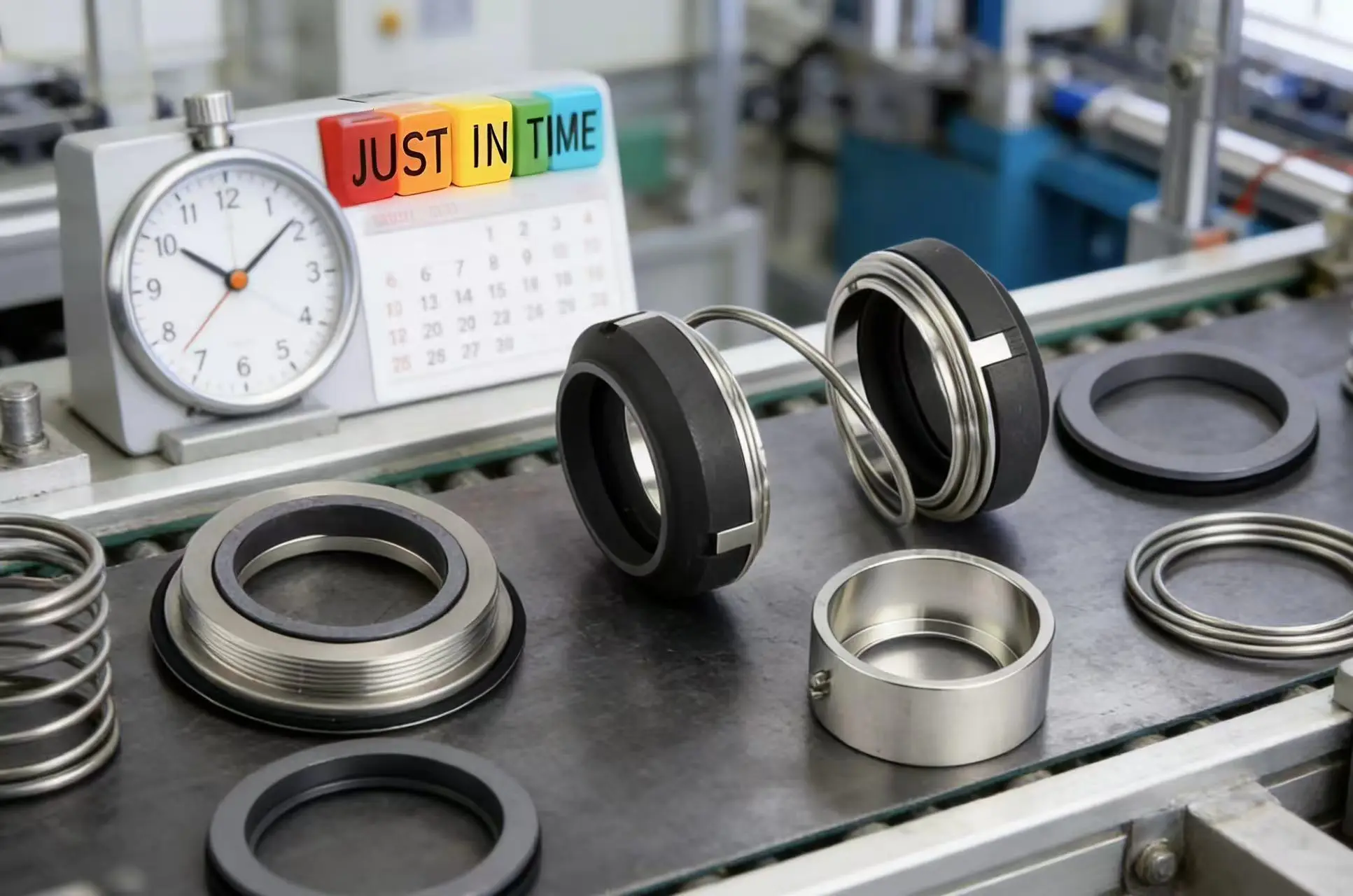
Implementing Just-in-Time (JIT) seals offers numerous advantages for OEM partners. These benefits significantly enhance operational efficiency and reduce costs in the mechanical seal supply chain.
-
Reduced Inventory Carrying Costs: JIT inventory minimizes waste from unnecessary stock. By ensuring that OEMs only hold the required parts, JIT directly correlates to lower carrying costs. This approach allows manufacturers to allocate resources more effectively.
-
Improved Production Efficiency: JIT seals streamline the production process. The following table illustrates the impact of JIT inventory on production efficiency and downtime:
| Impact on Production Efficiency | Impact on Downtime |
|---|---|
| Lower inventory holding costs | JIT disruptions can stop production entirely |
| Improved production flow | Increased supply chain risk due to complexity |
| Necessitates careful management | Need to balance cost efficiency with resilience |
- Enhanced Cash Flow: JIT delivery enables manufacturers to maintain low inventory levels. This strategy allows for the production and shipping of components only as needed. Consequently, it reduces storage costs and minimizes waste from obsolete materials. Additionally, JIT frees up valuable production space, leading to lower overhead and improved cash flow.
By adopting JIT seals, OEM partners can transform their operations. They can achieve significant cost savings while enhancing their responsiveness to market demands. This transformation not only reduces financial risks but also strengthens the overall supply chain.
The GW SEAL Advantage
GW SEAL stands out in the mechanical seal industry due to its commitment to quality, innovation, and customer service. The following key advantages make GW SEAL the preferred partner for OEMs:
-
Tailored Solutions: GW SEAL customizes its offerings to meet the specific needs of each OEM. This flexibility ensures that partners receive the right seals for their unique applications.
-
Expertise and Experience: With years of industry experience, GW SEAL possesses deep knowledge of mechanical seals. Their team of experts provides valuable insights and support throughout the supply chain.
-
Quality Assurance: GW SEAL adheres to strict quality control measures. Each seal undergoes rigorous testing to ensure reliability and performance, reducing the risk of failures in the field.
-
Sustainability Focus: GW SEAL prioritizes environmentally friendly practices. Their JIT inventory model minimizes waste and promotes efficient resource use, aligning with modern sustainability goals.
Tip: By choosing GW SEAL, OEMs not only gain a supplier but also a strategic partner committed to their success.
Summary of GW SEAL Advantages
| Advantage | Description |
|---|---|
| Tailored Solutions | Custom offerings for unique OEM needs |
| Expertise and Experience | Knowledgeable team providing insights and support |
| Quality Assurance | Rigorous testing for reliable performance |
| Sustainability Focus | Environmentally friendly practices and waste reduction |
These advantages position GW SEAL as a leader in the mechanical seal market. OEM partners can trust GW SEAL to deliver not just products, but comprehensive solutions that enhance their operations.
Case Study: JIT Seals Save OEMs Money
A mid-sized industrial pump manufacturer implemented GW SEAL's Just-in-Time (JIT) inventory model to address its inventory challenges. Before adopting JIT seals, the company faced significant delays in production due to excessive lead times for mechanical seals. The following table illustrates the impact of JIT seals on production lead times:
| Aspect | Before Implementation | After Implementation | Reduction in Lead Time |
|---|---|---|---|
| Lead Time (days) | 14.60 | 13.60 | 1.00 |
| Lean Tools Applied | N/A | FIFO, VSM | N/A |
The manufacturer experienced a reduction of one day in lead time after implementing JIT seals. This improvement allowed the company to respond more quickly to customer demands and reduced the risk of production delays.
Additionally, the JIT model significantly decreased inventory carrying costs. The manufacturer reduced its inventory levels by 90%, leading to annual savings of approximately $200,000. This reduction in inventory not only freed up valuable warehouse space but also minimized the financial burden associated with excess stock.
By leveraging GW SEAL's JIT inventory model, the manufacturer transformed its supply chain. The company improved its operational efficiency and enhanced its ability to meet customer expectations. This case study exemplifies how JIT seals can lead to substantial cost savings and operational improvements for OEM partners.
Is JIT Right for Your OEM Business?
Determining whether Just-in-Time (JIT) inventory is suitable for an OEM business involves careful consideration of various factors. JIT can enhance efficiency and reduce costs, but it also presents certain risks and limitations that OEMs must evaluate.
First, OEMs should assess their supply chain stability. JIT relies heavily on timely deliveries from suppliers. Any disruption in the supply chain can halt production, leading to significant delays. Additionally, OEMs must consider their forecasting accuracy. Inaccurate demand forecasts can result in stockouts, which may disrupt operations.
The following table outlines potential risks and limitations associated with implementing JIT inventory:
| Risk/Limitations | Description |
|---|---|
| Supply Chain Disruptions | JIT is vulnerable to shocks in the supply chain, which can halt production. |
| Dependence on Supplier Timeliness | Reliance on timely deliveries from suppliers can lead to stoppages if they fail to deliver. |
| Forecasting Errors | Inaccurate demand forecasts can result in stockouts and missed deliveries. |
| Hidden Costs | Expedited freight and emergency sourcing can incur additional costs that diminish JIT benefits. |
| Lack of Inventory Buffers | Minimal inventory makes firms susceptible to external disruptions like accidents or weather. |
| Resilience Risk | A lack of redundancy in the supply chain can lead to significant operational risks. |
| Quality Issues | Problems with a sole supplier can lead to increased scrap and rework, affecting timelines. |
Ultimately, OEMs must weigh these risks against the potential benefits of JIT inventory. A thorough analysis will help determine if JIT aligns with their operational goals and risk tolerance. By understanding both the advantages and challenges, OEMs can make informed decisions about their inventory management strategies.
Implementing JIT Seals with GW SEAL
To implement Just-in-Time (JIT) seals with GW SEAL, OEMs should follow a structured approach. This process ensures seamless integration into the existing mechanical seal supply chain. Here are the key steps:
-
Assessment of Needs: OEMs must evaluate their current inventory practices. Understanding specific requirements helps identify areas for improvement.
-
Collaboration with GW SEAL: Establishing a partnership with GW SEAL is crucial. OEMs should communicate their production schedules and demand forecasts. This collaboration allows GW SEAL to tailor solutions effectively.
-
Integration of Systems: OEMs should integrate their inventory management systems with GW SEAL's platform. This integration enables real-time data sharing, ensuring accurate tracking of seal usage.
-
Training and Support: GW SEAL provides training for OEM staff. This training covers the JIT model, inventory management, and best practices. Proper training enhances operational efficiency.
-
Continuous Monitoring: After implementation, OEMs should monitor performance metrics. Regular assessments help identify potential issues and optimize the JIT process.
Tip: Effective communication and collaboration with GW SEAL can significantly enhance the success of JIT implementation.
By following these steps, OEMs can successfully implement JIT seals with GW SEAL. This approach not only streamlines operations but also reduces costs associated with excess inventory. Ultimately, it transforms the mechanical seal supply chain into a more agile and responsive system.
Transforming the mechanical seal supply chain with Just-in-Time (JIT) inventory can yield remarkable results. OEMs can experience:
- A 76% reduction in spare part stockouts through automated alerts linked to real-time data.
- Average inventory holding time cut from 30 days to under 7 days, showcasing efficiency gains.
- A structured approach that aligns inventory logic with machine criticality and supply volatility.
By adopting JIT solutions, OEMs can enhance their operational efficiency and responsiveness.
FAQ
What is the primary benefit of JIT inventory for OEMs?
JIT inventory reduces holding costs and minimizes excess stock, enhancing cash flow and operational efficiency.
How does GW SEAL ensure timely delivery of seals?
GW SEAL integrates real-time data with OEM systems, allowing for precise forecasting and timely replenishment.
Can JIT inventory work for all types of OEM businesses?
While JIT inventory offers many benefits, its effectiveness depends on supply chain stability and accurate demand forecasting.