



How to Safeguard Product Integrity with High-Quality Sanitary Pump Seals
High-quality Sanitary Pump Seals are essential. They prevent product contamination. Superior sanitary pump seal designs directly reduce costly pump downtime. They also extend equipment lifespan.
GW SEAL provides components critical for operational excellence and regulatory compliance.
These seals play a vital role in maintaining product integrity.
Key Takeaways
- Sanitary pump seals are very important. They stop products from getting dirty. They also keep pumps working well and for a long time.
- Choosing the right materials for seals is key. Different materials work best with different liquids and temperatures. This helps keep products safe and clean.
- Good installation and regular checks make seals last longer. This stops problems before they happen. It also saves money and keeps products pure.
Understanding the Foundation of Hygienic Processing: Sanitary Pump Seals
What Defines a Sanitary Pump Seal
A sanitary pump seal is a specialized component. It prevents product leakage and external contamination in hygienic processing systems. These seals feature designs that promote cleanliness. They often have polished surfaces and crevice-free construction. This design prevents bacteria growth and ensures easy cleaning. Compatibility with Clean-in-Place (CIP) and Sterilize-in-Place (SIP) processes is also a key characteristic. These seals maintain product purity in sensitive industries.
Why Material Selection for Sanitary Pump Seals is Paramount
Choosing the right materials for Sanitary Pump Seals is crucial. Materials must withstand process fluids, temperatures, and cleaning chemicals. For instance, EPDM (Ethylene Propylene Diene Monomer) offers excellent resistance to water and steam. It tolerates many acids and alkalis. Silicone (VMQ/PVMQ) provides a broad temperature range and flexibility. It is physiologically inert and non-toxic. PTFE (Polytetrafluoroethylene) is chemically inert. It resists virtually all chemicals and does not support bacterial growth. These material choices directly impact seal performance and product safety.
Common Types of Sanitary Pump Seals in Hygienic Applications
Hygienic applications utilize various types of seals. Each type offers specific advantages. For seal faces, carbon seals provide economy and lubricity for non-abrasive products. Ceramic seals resist abrasive materials and offer good hardness. Silicon carbide seals deliver superior strength and abrasion resistance. Tungsten carbide seals provide toughness for heavy-duty applications. Chrome oxide seals offer a hard, wear-resistant face. Diaphragm seals are also common. Metallic diaphragm seals use materials like stainless steel for high pressure. Elastomeric diaphragms, such as those made from EPDM or PTFE, suit corrosive or aggressive media. These diverse options ensure optimal sealing for different process demands.
The Hidden Costs of Compromised Sanitary Pump Seals
Preventing Product Contamination Risks
Compromised seals pose significant contamination risks. Bacteria can grow within cracks or absorbed residue in seals. This transfers to the product. Even minor sealing failures compromise hygiene. This leads to product recalls and damages brand trust. Pump failures, including those related to seals, allow contaminants or pathogens into the product. This poses serious health risks to consumers. Such failures lead to food safety recalls, legal liabilities, and damage to a company's reputation. Improperly sized seals, either oversized or undersized, can trap food particles. Trapped food particles foster microbial growth and contamination.
Minimizing Unplanned Downtime and Production Losses
Failed seals cause costly unplanned downtime. A prominent industrial facility experienced frequent mechanical seal failures in their water circulation pumps. This led to an average of three unscheduled shutdowns per quarter. Each shutdown resulted in approximately 18 hours of downtime. Repair costs exceeded $5,000. After implementing solutions, the facility reported a 66% reduction in unscheduled downtime. They also saved an estimated annual amount of over $12,000 in direct repair costs.
Avoiding Accelerated Pump Wear and Failure
Seal failure accelerates pump wear. This impacts the overall lifespan of pumping equipment. Seal failure, particularly in submersible pumps, leads to water intrusion and electrical malfunctions. These are detrimental to the equipment. Factors such as wear, pressure fluctuations, temperature changes, and dry running accelerate seal deterioration. While replacing damaged parts like seals can temporarily restore function, addressing root causes like grounding issues or cavitation more significantly impacts the overall lifespan of pumping equipment. Improving Mean Time Between Repair (MTBR) for seals significantly reduces the Life Cycle Cost (LCC) of pumps. This indicates seal longevity plays a role in overall equipment economics and operational lifespan.
Strategic Selection of High-Quality Sanitary Pump Seals
Selecting high-quality Sanitary Pump Seals requires careful consideration of several critical factors. These factors ensure optimal performance, prevent contamination, and extend equipment life. A strategic approach to seal selection directly impacts operational efficiency and product safety.
Ensuring Compatibility with Process Fluids and Conditions
Choosing the correct seal material is paramount for compatibility with process fluids. Different chemicals react differently with various materials, especially at elevated temperatures. For example, sodium hydroxide with 316SS material works well at ambient temperatures. However, pitting can occur at 120°F. For unlisted or proprietary liquids, contacting the chemical supplier for acceptable materials or testing material samples in the process fluid is a good practice.
Several common base materials offer specific advantages:
- Teflon (PTFE): This material is ideal for aggressive chemicals due to its broad compatibility. Manufacturers can formulate it with glass or carbon for added rigidity. It also serves as a coating for iron components, combining iron's strength with Teflon's inertness. However, it is not suitable for abrasive applications. PTFE is durable, chemically inert, and works well with many non-abrasive, highly aggressive chemicals. These include corrosive fluids, caustics, ketones, acetates, and potent, undiluted acids. Its smooth, heat-resistant nature makes it compatible with steam and boiling water cleaning.
- PVDF (Kynar): This material offers similar compatibility and performance to PTFE, with some differences in specific chemical coverage.
- Polypropylene (PPE): This economical thermoplastic has excellent ratings for many chemicals. However, it is limited to 150°F and not suitable for abrasives.
-
Elastomers:
- EPDM (Ethylene propylene rubber): This economical O-ring choice works well for general service and excels in hot water service (up to 200°F max). It withstands very cold temperatures and suits dilute acids, caustics, and abrasive substances. Many sanitary pumps in food and pharmaceutical industries use EPDM.
- Buna-N/Nitrile (NBR): This material has an average compatibility range and works well against specific chemicals with mild temperature limitations (up to 220°F max). It is also used with very abrasive substances and offers mild chemical resistance.
- Viton (FKM): This fluoropolymer offers broad chemical compatibility and a high-temperature limit (up to 400°F max). It suits most applications while remaining economical. Viton is recommended for very aggressive chemicals, including most highly corrosive and toxic substances, acids, and various hydrocarbons.
- Hytrel (TPE): This material offers better abrasion resistance than PTFE. It withstands multiple chemicals, including oils, hydraulic fluids, acids, bases, amines, and glycols. It has a limited temperature resistance (70 degrees Celsius operating limit).
- Perfluoroelastomers (FFKM): These materials offer high chemical and heat resistance. They combine PTFE's chemical resistance with the flexibility of standard fluorocarbon elastomers (FKM). FFKM has higher fluorine content, leading to higher temperature ratings (up to 325 C/617 F) and nearly universal chemical compatibility.
The table below illustrates common material combinations for pump components based on fluid characteristics:
| Seat – Ball – Diaphragm + Pump Body | Fluid Characteristics / Application |
|---|---|
| Stainless Steel-Santoprene®-Santoprene® + Aluminum / Stainless Steel / PP Body | Durable and chemically compatible; excellent fatigue resistance for chemicals, electronics, cleaning fluids, wastewater, etc. |
| Acetal-PTFE-PTFE + Aluminum / Stainless Steel / Acetal Body | Excellent chemical resistance and low friction; ideal for low-solids paints, pigments, and coatings. |
| Stainless Steel-Stainless Steel-PTFE + Aluminum / Stainless Steel / Acetal Body | Suitable for high-viscosity, high-solids, and abrasive water-based fluids; high strength and corrosion resistance. |
| PP-PTFE-PTFE + PP Body | Affordable and highly chemical-resistant; works well with acids, bases, cleaning solutions, and plating processes. |
| Stainless Steel-Viton®-Viton® + Stainless Steel Body | Excellent for unleaded fuel and solvent handling (e.g., chrome plating baths); great oil, solvent, and heat resistance. |
| Kynar®-Viton®-Viton® + Kynar® Body | Designed for chromic acid and aggressive solutions. |
| Kynar®-PTFE-PTFE + Kynar® / Stainless Steel Body | Best choice for highly corrosive, hot, and acidic fluids; common in semiconductor, chemical, and metal processing lines. |
Considering Temperature, Pressure, and Speed for Sanitary Pump Seals
Temperature significantly impacts seal performance. Seals must withstand wide temperature ranges, especially in critical applications. If the temperature is too cold, the seal loses elasticity and becomes brittle. If it is too hot, it becomes too flexible, leading to degradation. Identifying the operating temperature range is crucial. Elevated temperatures can also affect pump components, potentially requiring undersized rotors to prevent contact as parts expand.
Here are typical temperature ranges for common seal materials:
| Material | Temperature Range (°C) | Temperature Range (°F) |
|---|---|---|
| Nitrile Rubber (NBR) | -40 to 100 | -40 to 212 |
| Fluorocarbon Rubber (FKM) | -20 to 200 | -4 to 392 |
| Carbon Graphite | -200 to 450 | -328 to 842 |
| Ceramic (SiC) | -20 to 1000 | -4 to 1832 |
Pressure also plays a vital role. Seals are typically designed for pressures up to 1,500 psi. The required pressure directly influences hardware geometry and the type of elastomer used. Some compounds are specifically designed for extremely high, low, or rapidly changing pressures. Discharge pressure is a critical factor influencing horsepower requirements and the selection of seal materials. All positive displacement (PD) pumps have a maximum pressure rating.
Adhering to Regulatory Compliance and Certifications for Sanitary Pump Seals
Regulatory compliance is non-negotiable in hygienic processing. Certifications ensure seals meet strict standards for cleanliness and safety.
- 3-A Certification: This certification is specifically for products used in the food, beverage, or pharmaceutical industry. It includes standards for 'Pumps and Mixers,' which encompass pump seals. Manufacturers follow a multi-step process to obtain this certification. This process includes finding the relevant 3-A standard and undergoing testing, such as the Riboflavin test for pump systems to ensure cleanability. A product that successfully meets these requirements can display the 3-A symbol and receive an annual certification.
- FDA CFR 177.2600: The Food & Drug Administration (FDA) CFR 177.2600 is a key certification for rubber materials in the USA. It directly applies to sanitary pump seals in the pharmaceutical industry. This regulation outlines requirements for various polymeric materials, including specific sections for rubber, detailing allowable substances, limitations, and extraction tests.
Best Practices for Installation and Maintenance of Sanitary Pump Seals
Proper Installation Techniques for Optimal Seal Performance
Correct installation significantly impacts the longevity and effectiveness of pump seals. A solid foundation is paramount for any pump system. Installers require a concrete slab leveled within a 0.003-inch tolerance. This foundation absorbs vibrations and supports the equipment, preventing disrupted fluid flow. Precision shaft alignment between the pump and motor is also critical. Even minor misalignments lead to efficiency loss and mechanical failure.
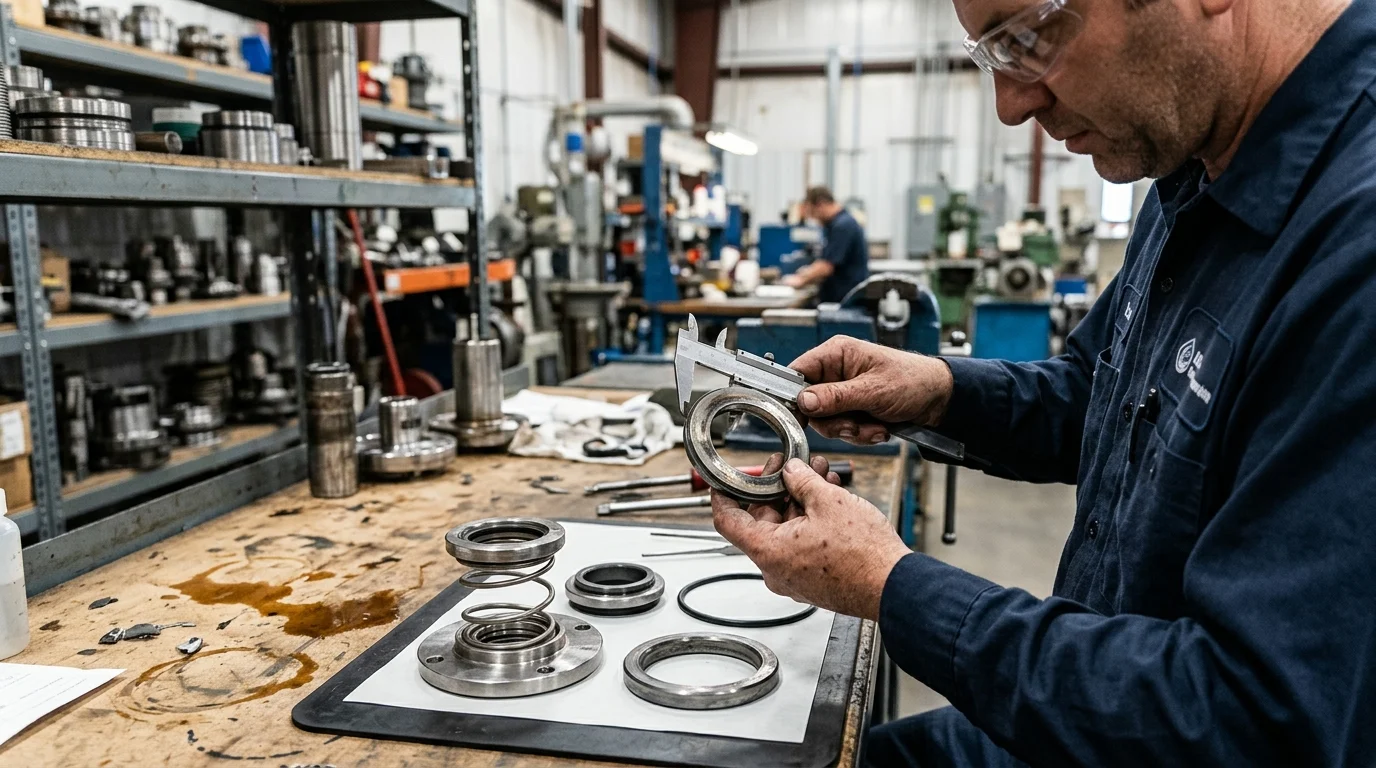
Before installation, thoroughly clean all components to remove debris. Inspect the mechanical seal for any defects. Use appropriate alignment tools to ensure perfect alignment of the shaft and seal. Tighten all bolts evenly to prevent premature wear and seal failure. Apply the correct type and amount of lubricant to minimize friction during startup and protect the seal. Avoid forceful installation, as this can damage delicate seal faces. Proper priming involves filling the pump with water and releasing trapped air to ensure successful operation. These meticulous steps ensure optimal seal performance from the outset.
Implementing Regular Inspection and Replacement Schedules for Sanitary Pump Seals
Establishing routine maintenance checks is essential for maximizing pump lifespan. Regularly inspect oil levels, mechanical seals, and ventilation. Proactive inspection identifies potential issues before they escalate into costly failures. Operators should look for signs of wear, leakage, or unusual noise. These indicators often signal impending seal failure.
Develop a structured replacement schedule based on manufacturer recommendations, operating conditions, and historical performance data. Do not wait for a seal to fail completely before replacing it. Scheduled replacements prevent unplanned downtime and production losses. They also safeguard product integrity by eliminating the risk of contamination from a compromised seal. Document all inspections and replacements. This data helps refine maintenance schedules and predict future needs more accurately.
The Importance of Clean-in-Place (CIP) and Sterilize-in-Place (SIP) Compatibility
Clean-in-Place (CIP) and Sterilize-in-Place (SIP) systems are fundamental to hygienic processing. Sanitary Pump Seals must be fully compatible with these rigorous cleaning and sterilization protocols. Seals and gaskets must consist of non-toxic, food-grade elastomers. Examples include EPDM, PTFE, Viton, and silicone. These materials must withstand high sterilization temperatures and aggressive cleaning agents. They maintain their integrity over time without releasing harmful substances into the pump system.
Sanitary pumps in CIP systems often necessitate the use of double mechanical seals. These seals incorporate a sterile barrier fluid or steam. This design prevents cleaning chemicals from leaking into the environment. It also prevents non-sterile air or water from entering the product zone. Reduced seal clearances are crucial to prevent leakage of liquids and vapors. This maintains hygienic barriers between the process area and the external environment. Ensuring CIP/SIP compatibility directly contributes to product purity and regulatory compliance.
Leveraging Advanced Technologies for Superior Sanitary Pump Seals
Advanced technologies significantly enhance the performance and reliability of sanitary pump seals. These innovations ensure higher levels of product integrity and operational efficiency. They also reduce maintenance needs.
Double Mechanical Seals for Enhanced Protection
Double mechanical seals offer enhanced protection in critical hygienic processes. They feature two sealing faces, which ensure minimal leakage. This design protects operators and the environment. A buffer or barrier fluid provides cooling and lubrication. It also helps detect seal failure early. This reliable barrier system extends seal and equipment life. It also minimizes maintenance costs through reduced wear and controlled operating conditions.
Double mechanical seals feature crevice-free, drainable construction, which prevents residue accumulation. They use compliant materials, such as FDA, USP Class VI, and EC1935/2004 approved substances. Electropolished stainless steel components provide superior cleanability. Thermal compensation geometry maintains uniform face loading during temperature cycling. These seals are validated through Finite Element Analysis (FEA) and thermal testing. This ensures constant spring preload, no face distortion, and long-term sealing film stability.
Aseptic Seal Designs for Sterile Applications
Aseptic seal designs are crucial for maintaining sterility in pharmaceutical manufacturing. After filling, containers are promptly sealed with sterile stoppers or caps. This immediate sealing is critical for preserving product sterility until administration to patients. Aseptic seal technology involves filling and hermetically sealing sterile packages within a machine's sterile zone. This process prevents contamination from the external environment.
High-quality sanitary pump seals are indispensable for safeguarding product integrity. Proactive seal management offers long-term benefits, including operational efficiency and significant cost savings. Evaluate current sanitary pump seals and practices. This ensures peak performance and compliance.
GW SEAL: Your Precision OEM Partner for Sanitary & Hygienic Pump Seals
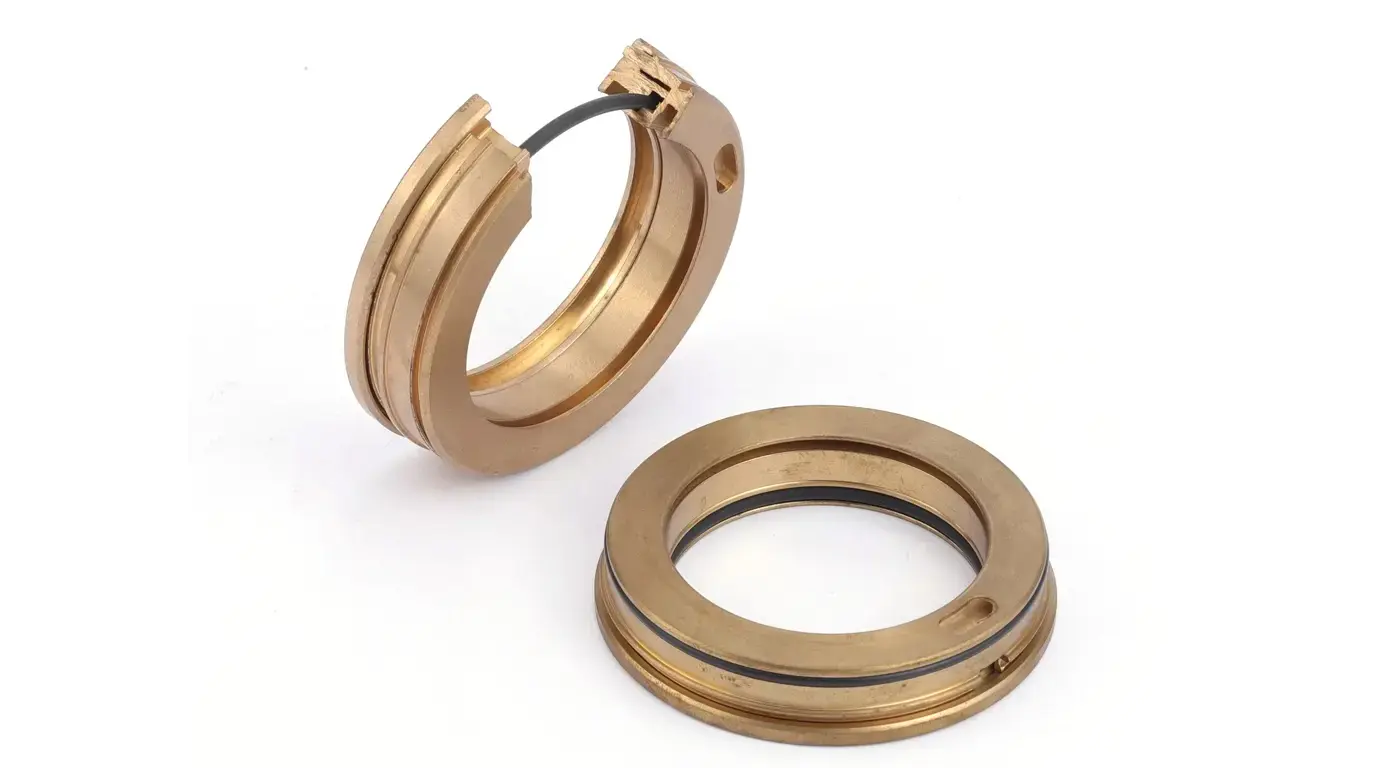
In the world of sanitary processing — where purity, cleanability, and reliability are non-negotiable — GW SEAL delivers precision-engineered mechanical seals designed specifically for OEM pump applications. We partner with pump manufacturers to provide seals that meet the strictest standards of hygiene, performance, and durability for the food, beverage, pharmaceutical, and biotech industries.
Our sanitary seals are built with OEM integration in mind, featuring:
-
Hygienic Design: Polished surfaces, crevice-free construction, and CIP/SIP compatibility to prevent contamination and ensure easy cleaning.
-
Certified Materials: FDA-compliant and EU 10/2011-approved materials, including high-grade stainless steel, advanced ceramics, and elastomers suitable for direct product contact.
-
Reliable Performance: Engineered to handle high purity fluids, mild abrasives, and thermal cycling while maintaining leak-free operation.
By choosing GW SEAL as your sealing partner, you gain:
-
Customized Integration: Tailored seal designs that fit seamlessly into your pump architecture.
-
Consistent Quality: Manufacturing precision that supports your brand’s reputation for reliability.
-
Technical Collaboration: Expert R&D support to co-develop seals that meet evolving industry and regulatory demands.
Trust GW SEAL to provide the clean, compliant, and high-performance sealing solutions that keep your pumps — and your products — moving safely. Where precision meets purity, we seal with confidence.
FAQ
What defines a sanitary pump seal?
A sanitary pump seal prevents product leakage and external contamination. Its design promotes cleanliness with polished, crevice-free surfaces. It also supports Clean-in-Place (CIP) and Sterilize-in-Place (SIP) processes.
Why is material selection critical for sanitary pump seals?
Material selection ensures compatibility with process fluids, temperatures, and cleaning chemicals. Correct materials prevent degradation, maintain seal integrity, and safeguard product purity. Manufacturers choose materials like PTFE or EPDM for specific applications.
What role do certifications play in sanitary pump seals?
Certifications like 3-A and FDA CFR 177.2600 ensure seals meet strict hygiene and safety standards. They confirm materials are safe for product contact and the seal design supports cleanability. This guarantees regulatory compliance.