
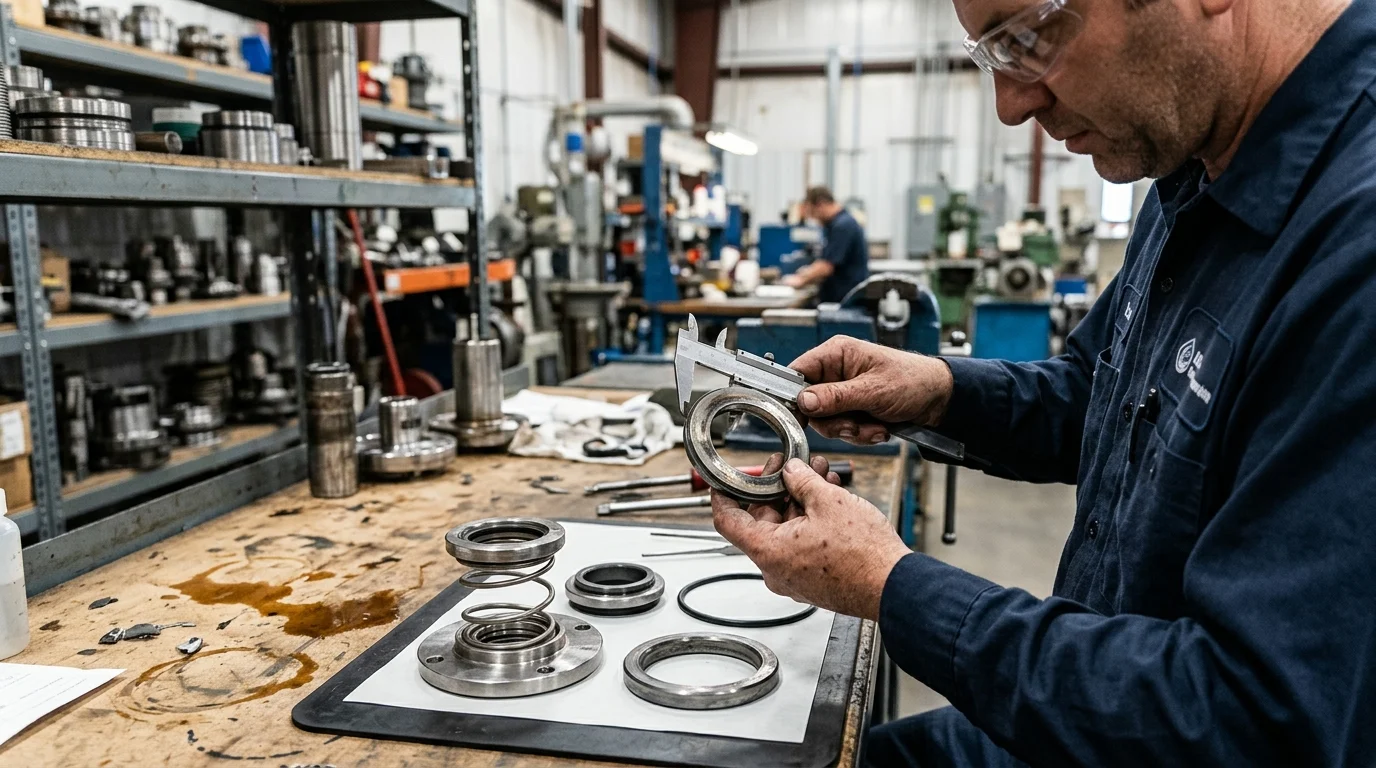

The Impact of Wastewater pH on Mechanical Seal Materials
Wastewater pH significantly impacts mechanical seal materials' longevity and performance. Understanding pH effects prevents premature mechanical seal failure and operational disruptions. Careful selection of Materials and Features based on wastewater pH ensures system reliability.
Key Takeaways
- Wastewater pH greatly affects how long mechanical seals last. Both very low (acidic) and very high (alkaline) pH levels can damage seal materials, causing them to wear out faster.
- Choosing the right materials for mechanical seals is very important. Materials like silicon carbide and special ceramics work well in many pH conditions. Other materials, like certain rubbers, are good for specific pH ranges.
- You can protect mechanical seals from harsh wastewater. Use tools to check and control pH levels. You can also use special coatings or barrier fluids to keep the seals safe. Regular checks help prevent problems.
Understanding Wastewater pH and Its Relevance to Mechanical Seal Materials
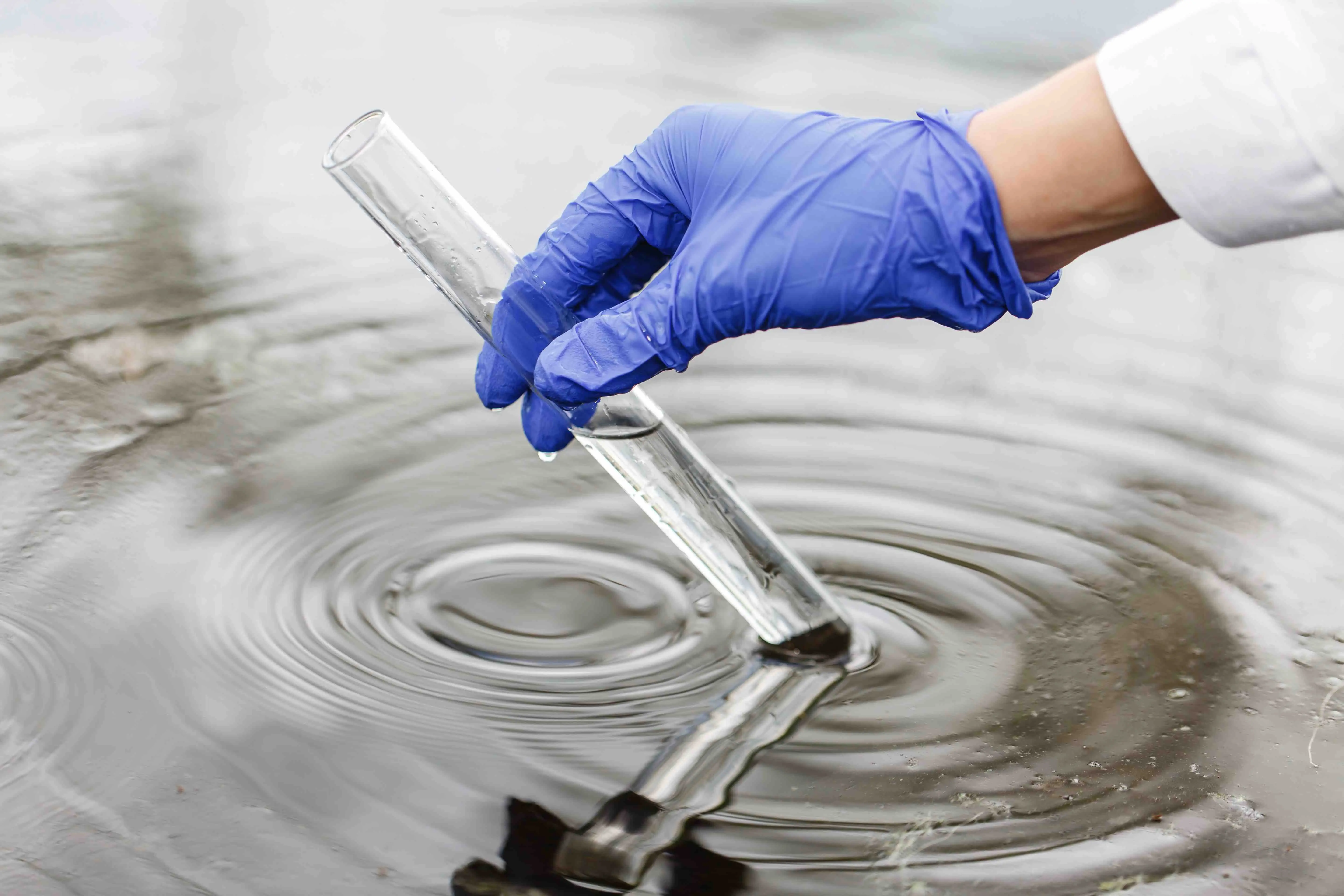
Typical pH ranges in industrial and municipal wastewater systems.
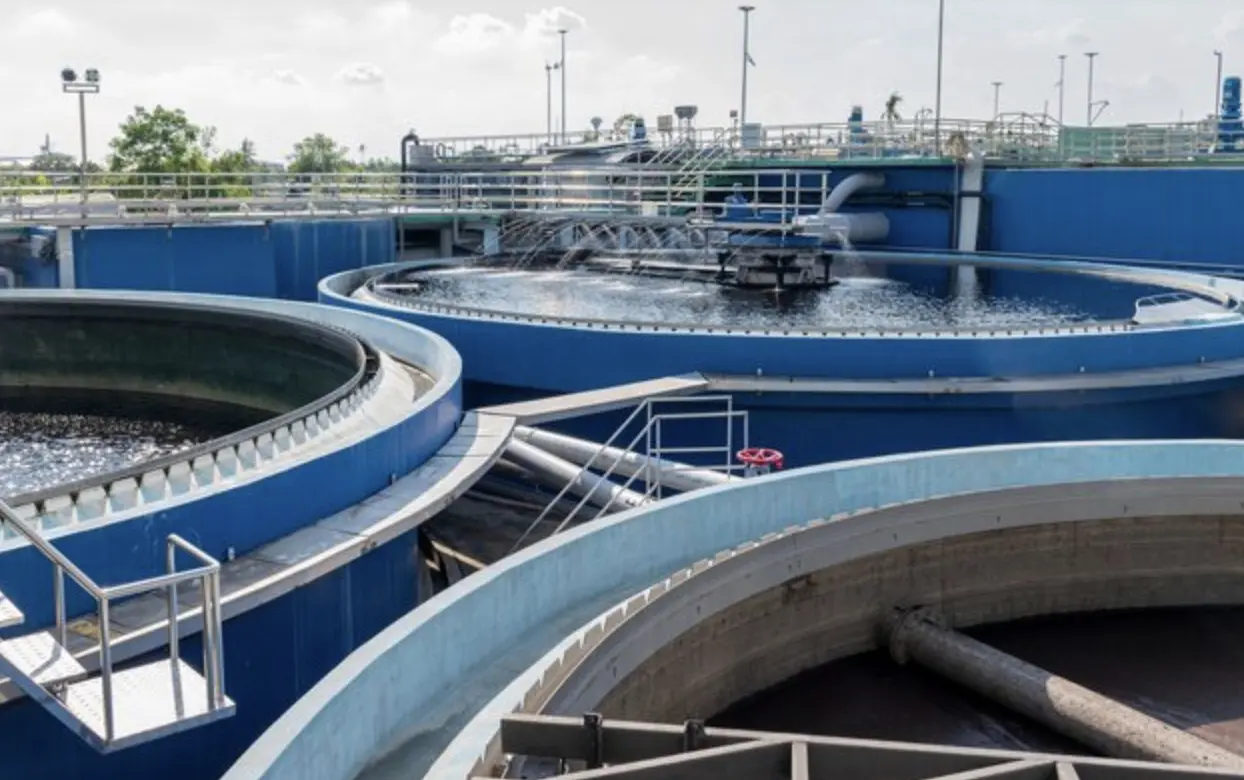
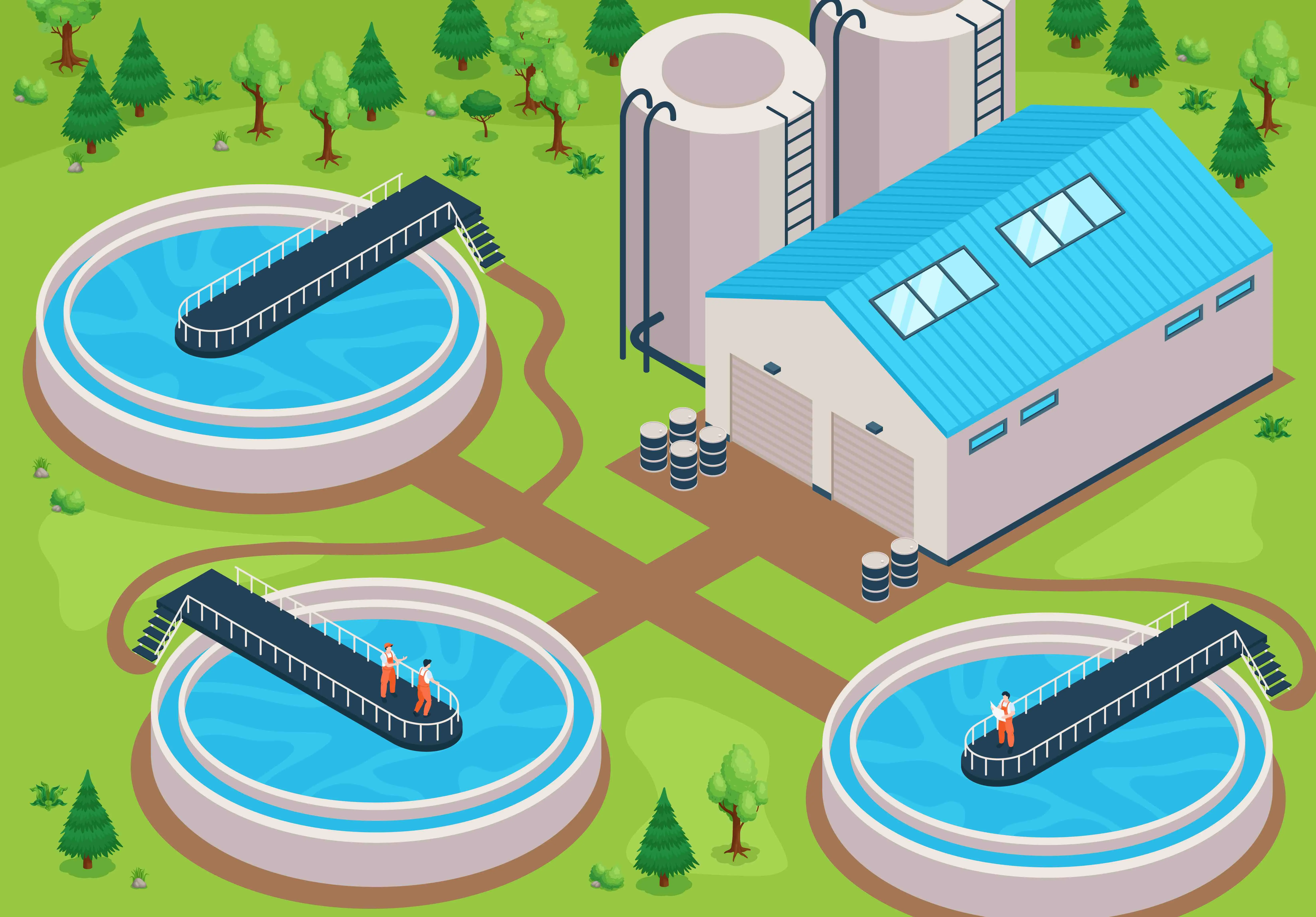
Wastewater systems operate within specific pH ranges. These ranges support biological treatment processes and meet discharge regulations. Most microorganisms in wastewater treatment thrive within a pH range of 6.5 to 8.5. The acceptable pH range for substrate, effluent, and in-stream discharge is 6-9. This range supports healthy aquatic ecosystems.
Specific treatment processes have narrower optimal pH levels:
- General biological treatment processes: 6.5 to 8.5 (neutral to slightly alkaline)
- Activated Sludge Process: 7.0 to 7.6
- Anaerobic Digestion: 6.5 to 7.2
- Aerobic Treatment (e.g., aerobic digestion, aerobic lagoons): 6.5 to 8.5
Other processes also require precise pH control:
- Nitrification: 7.5 to 8.5 (slightly alkaline environment)
- Denitrification: 6.5 to 7.5
How pH influences degradation mechanisms of Mechanical Seal Materials.
pH directly impacts the degradation mechanisms of materials. Extreme pH levels, both acidic and alkaline, can accelerate material breakdown. Acidic conditions often lead to corrosion of metallic components. They also cause degradation of elastomers and polymers. Alkaline conditions can induce caustic attack on metals. They also alter the surface of ceramics and dissolve certain polymers. Understanding these influences is crucial for selecting appropriate Mechanical Seal Materials. This selection ensures long-term reliability and prevents premature failure.
Impact of Acidic Wastewater (Low pH) on Mechanical Seal Materials
Corrosion mechanisms: Acid attack on metal Mechanical Seal Materials.
Acidic wastewater, characterized by low pH, aggressively attacks metal components within mechanical seals. This attack leads to various forms of corrosion. Comprehensive corrosion involves uniform material loss across the surface. For example, 1Cr18Ni9Ti stainless steel multi-springs experience this in dilute sulfuric acid. Stress corrosion occurs when metal materials under stress crack in a corrosive environment. Austenitic stainless steel and copper alloys are particularly vulnerable. Local corrosion creates etched spots or holes, making the surface loose and porous. This selective dissolution weakens the material and reduces its wear strength. Aggressive fluids directly react with seal materials, breaking down their molecular structure. This weakens the material, making it brittle or soft. Strong acids dissolve certain metals used in seal construction. This chemical reaction removes material from the seal components, leading to thinning, pitting, or complete disintegration.
Degradation of elastomer and polymer Mechanical Seal Materials in acidic environments.
Acidic conditions severely degrade elastomer and polymer Mechanical Seal Materials. Acids directly attack the molecular chains of these materials. This chemical assault causes swelling, hardening, or softening of the material. Over time, the material loses its elasticity and sealing capability. The molecular structure breaks down, which weakens the material. This makes it brittle or soft. The integrity of secondary sealing elements diminishes rapidly under such conditions. This results in immediate leakage and catastrophic seal failure. The fluid’s concentration, temperature, and exposure duration determine the extent of this chemical attack.
Effect on carbon and ceramic Mechanical Seal Materials: Leaching and pitting.
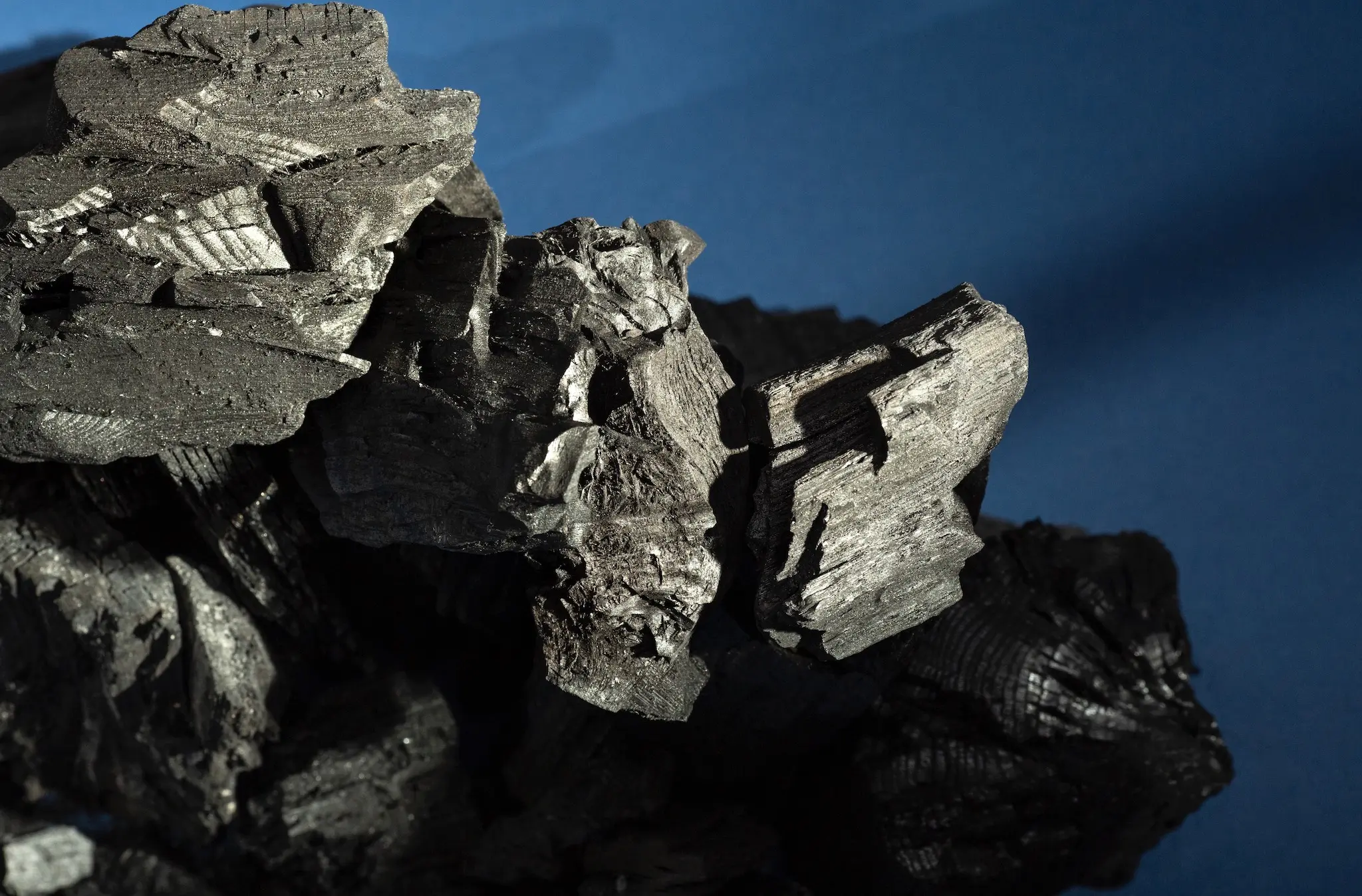
Carbon and ceramic Mechanical Seal Materials also suffer damage from acidic wastewater. Acids can leach out binders or specific components from carbon-graphite materials. This process leaves a porous structure, reducing the material's strength and integrity. Ceramics, while generally more resistant, can experience surface alteration or pitting in highly acidic environments. This localized damage compromises the smooth sealing surface. It leads to increased friction and wear. The chemical reaction removes material from the seal components, leading to pitting.
Impact of Alkaline Wastewater (High pH) on Mechanical Seal Materials
Corrosion mechanisms: Caustic attack on metal Mechanical Seal Materials.
Alkaline wastewater, characterized by high pH levels, initiates a distinct form of corrosion known as caustic attack on metal components. This process involves the dissolution of protective oxide layers that naturally form on many metals, such as aluminum and stainless steel. Once these layers dissolve, the underlying metal becomes vulnerable to direct chemical reaction with the alkaline solution. This reaction can lead to uniform material loss or localized pitting, weakening the metal structure. For instance, strong caustic solutions can cause stress corrosion cracking in certain stainless steels, particularly when the material experiences mechanical stress. This degradation compromises the integrity of critical metal parts within mechanical seals.
Degradation of elastomer and polymer Mechanical Seal Materials in alkaline environments.
Alkaline environments significantly degrade elastomer and polymer Mechanical Seal Materials. High pH solutions attack the molecular chains of these materials, causing them to swell, soften, or become brittle. This chemical assault alters the material's physical properties, reducing its elasticity and sealing effectiveness. Over time, the material loses its ability to maintain a tight seal, leading to leakage. The extent of degradation depends on the specific polymer or elastomer type, the concentration of the alkaline solution, and the operating temperature. Some materials, like certain types of EPDM or PTFE, offer better resistance to alkaline conditions than others.
Effect on carbon and ceramic Mechanical Seal Materials: Dissolution and surface alteration.
Carbon and ceramic Mechanical Seal Materials also experience adverse effects from alkaline wastewater. High pH solutions can dissolve binders in carbon-graphite materials, leading to increased porosity and reduced mechanical strength. Ceramics, while generally robust, can undergo surface alteration or even dissolution in highly alkaline conditions. For environments where the pH is greater than 5, engineers recommend using tungsten carbide and/or silicon carbide faces with solid tungsten carbide. Conversely, for pH levels of 5 or less, solid silicon carbide should be utilized. Silicon carbide seal faces are beneficial in acid processing applications due to their resistance to corrosion from strong acids. However, the direct impact of high pH wastewater on the surface integrity of silicon carbide mechanical seal faces is not explicitly detailed. This means careful material selection remains crucial for optimal performance.
Specific Mechanical Seal Materials Responses to pH Extremes
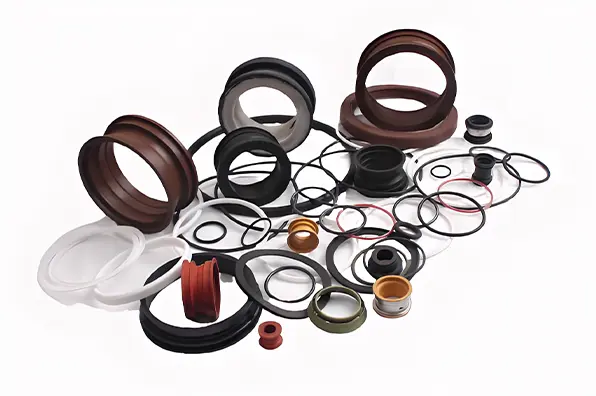
Elastomer Mechanical Seal Materials: pH compatibility and limitations.
Elastomers, crucial for secondary sealing, exhibit varied responses to pH extremes. Manufacturers select specific elastomers based on the wastewater's pH. For instance, Viton (FKM) offers good resistance to many acids but can degrade in strong alkalis. EPDM performs well in alkaline environments and some acids but struggles with hydrocarbons. Nitrile (NBR) has limited resistance to both strong acids and bases. Engineers must carefully consider the specific pH range and chemical composition of the wastewater. This ensures the chosen elastomer maintains its elasticity and sealing integrity.
Seal Face Mechanical Seal Materials: Resistance and vulnerabilities.
Seal face materials form the primary sealing interface. Their resistance to pH extremes directly impacts seal life.
- Silicon Carbide: This material offers excellent corrosion resistance in a wide range of environments. It resists both acidic and alkaline solutions. It can withstand strong acids like sulfuric and hydrochloric acid. It also handles alkaline substances effectively. Silicon carbide is a highly effective sealing face material, offering exceptional chemical capability.
- Alumina Ceramics: These ceramics are known for excellent chemical resistance. They withstand the corrosive effects of many chemicals, including some strong acids and alkalis. High purity 99.5% Alumina Ceramic (VAW1) offers exceptional chemical resistance due to its inert chemical nature.
Metal Component Mechanical Seal Materials: Selection based on pH.
Metal components, such as springs and glands, require careful selection based on wastewater pH. Stainless steels, like 316L, offer good general corrosion resistance. However, they can suffer pitting or stress corrosion cracking in highly acidic or chloride-rich acidic environments. Duplex stainless steels provide enhanced resistance in some acidic conditions. Hastelloy and other nickel-based alloys offer superior corrosion resistance across a broader pH spectrum, including highly aggressive acidic and alkaline solutions. The specific pH and presence of other corrosive agents dictate the optimal metal choice for these Mechanical Seal Materials.
Selecting the Right Mechanical Seal Materials for pH-Challenging Wastewater
Choosing the correct Mechanical Seal Materials for wastewater applications with extreme pH levels requires careful consideration. Engineers must evaluate various factors beyond just pH. This ensures long-term reliability and prevents premature seal failure.
Material compatibility charts for Mechanical Seal Materials.
Material compatibility charts serve as essential tools for initial material selection. These charts provide a quick reference for how different materials react to various chemicals, including acids and bases. They typically rate material performance on a scale, often using letters like A, B, C, and D. An 'A' rating indicates excellent resistance, while 'D' signifies severe degradation or incompatibility.
Consider this example of elastomer compatibility with various chemicals:
| Chemical | Neoprene | Buna-N/Nitrile | Natural | Urethane | EPDM | Silicone | Hypalon | Viton/Flourel | Teflon/Flourel |
|---|---|---|---|---|---|---|---|---|---|
| Absolute Alcohol | A | A | A | D | A | A | A | B | A |
| Acetaldehyde | C | D | C | D | A | A | C | D | A |
| Acetic Acid - 5% | A | B | B | D | A | A | B | A | A |
| Acetic Acid - 10% | B | B | B | D | A | A | B | A | A |
| Acetic Acid - 20% | B | B | B | D | A | A | B | B | A |
| Acetic Acid - 30% | B | B | B | D | A | A | B | B | A |
| Acetic Acid - 50% | B | B | B | D | A | A | B | B | A |
This table shows how different elastomers perform against various concentrations of acetic acid. For instance, EPDM consistently receives an 'A' rating for acetic acid, indicating strong resistance. Urethane, however, shows a 'D' rating, meaning it is unsuitable for these conditions. These charts offer a valuable starting point. They help narrow down potential material choices before more rigorous evaluation.
Importance of application-specific testing for Mechanical Seal Materials.
While compatibility charts provide general guidance, application-specific testing remains crucial. Every wastewater system presents unique challenges. Factors like specific chemical concentrations, temperature fluctuations, pressure variations, and the presence of abrasive particles can significantly alter material performance. A material might show good resistance to a chemical at room temperature. However, it could degrade rapidly at elevated temperatures or under high pressure. Real-world or simulated testing validates material choices under actual operating conditions. This proactive approach helps identify potential weaknesses. It also prevents costly failures and downtime. Engineers gain confidence in their material selection through thorough testing.
Considering temperature and contaminants alongside pH for Mechanical Seal Materials.
pH is a critical factor, but it rarely acts in isolation. Temperature and the presence of other contaminants significantly influence material degradation. Higher temperatures accelerate chemical reactions. This intensifies the corrosive or degrading effects of both acidic and alkaline solutions. A material that performs adequately at ambient temperatures might fail quickly when the wastewater temperature increases. Furthermore, wastewater often contains various contaminants. These include suspended solids, abrasive particles, and specific chemical compounds not directly accounted for by pH alone. These contaminants can cause erosion, abrasion, or synergistic chemical attacks. A holistic approach considers all these variables. This ensures the selected Mechanical Seal Materials withstand the complex environment of pH-challenging wastewater.
Mitigation Strategies for Extended Mechanical Seal Materials Life
pH monitoring and control in wastewater systems.
Effective pH monitoring and control are crucial for protecting Mechanical Seal Materials. Real-time wastewater monitoring continuously measures and analyzes water quality parameters. This differs from traditional methods that rely on periodic sampling. Real-time monitoring provides immediate readings of various water quality indicators. This approach often uses a network of water sensors and AI-powered systems. It continuously tracks crucial metrics like pH, turbidity, temperature, dissolved oxygen, and chemical oxygen demand (COD). This immediate insight allows for rapid detection of contaminants or system malfunctions. It also facilitates prompt corrective actions.
Flushing and barrier fluid systems for Mechanical Seal Materials isolation.
Flushing and barrier fluid systems provide an effective way to protect mechanical seals from aggressive wastewater pH conditions. Double mechanical seals create a barrier system. A compatible barrier fluid exists between two seal faces. This barrier fluid provides lubrication, cooling, and secondary containment. The system operates at pressures that ensure any potential leakage flows inward towards the process. This prevents aggressive process fluids from contacting the seal materials. This design is crucial for applications involving hazardous or environmentally sensitive media, including those with aggressive pH conditions. It isolates the seal materials from the harsh process environment.
Engineered lubricants, such as DuraClear, are specifically formulated for mechanical seal barrier and buffer systems. These synthetic, high-performance fluids offer the necessary stability, protection, and compatibility. They extend seal life and reduce maintenance, even in challenging environments. Plan 54 seal water control assemblies are also utilized for higher-pressure applications. They ensure a consistent supply of barrier fluid to maintain mechanical seals in optimal condition. This is true even within aggressive bleaching stages where pH conditions can be extreme.
Advanced coatings and surface treatments for Mechanical Seal Materials.
Advanced coatings and surface treatments significantly enhance the durability of mechanical seals in pH-challenging wastewater. Diamond-Like Carbon (DLC) coatings demonstrate stable film formation and enhanced corrosion resistance in acidic environments. This includes hydrochloric, nitric, and sulfuric acids. This improvement comes from a reduction in pinhole defects during deposition. The lamination of the DLC coating further enhances this. The incorporation of silicon (Si) can also improve the tribological behavior of DLC coatings. A 0.8% Si content shows the highest friction-induced hardening.
DLC coatings are highly valued for their wear resistance, low friction coefficient, high hardness, and chemical inertness. Issues like insufficient adhesion due to thermal expansion mismatch and high internal stress can limit their performance. However, doping the coatings with elements such as fluorine, nitrogen, silicon, and various metals can overcome these issues. This doping strategy enhances their tribological behavior. It makes them suitable for specific applications, including those with high humidity or challenging chemical environments.
Regular inspection and preventative maintenance for Mechanical Seal Materials.
Regular inspection and preventative maintenance are vital for extending the life of mechanical seals in wastewater systems. Mechanical seals can fail due to aggressive pH (<7) attacking materials in chemical pumps. Prevention includes using compatible materials and implementing double seals with barrier fluid. Fluids with high or low pH levels exacerbate corrosion, particularly on impellers and metal housings. Selecting high-grade materials such as Viton elastomers, duplex stainless steel, or titanium can dramatically improve pump resilience in extreme chemical environments.
Addressing wastewater pH is crucial for the reliability of mechanical seal operation. Careful material selection and robust monitoring significantly extend mechanical seal life. Implementing effective mitigation strategies reduces maintenance costs and minimizes operational disruptions. These proactive measures protect Mechanical Seal Materials and ensure system longevity.
FAQ
What is the main effect of extreme pH on mechanical seals?
Extreme pH levels, both acidic and alkaline, accelerate the degradation of mechanical seal materials. This leads to corrosion, material breakdown, and premature seal failure.
Which mechanical seal materials best resist pH extremes?
Silicon carbide and high-purity alumina ceramics offer excellent resistance to a wide range of pH conditions. Specific elastomers like EPDM or Viton suit certain pH ranges.
How can operators protect mechanical seals from harsh wastewater pH?
Operators can protect seals through continuous pH monitoring, automated control systems, and using double seals with barrier fluids. Advanced coatings also enhance material durability.