






How to Navigate Flygt Pump Seal Options for Diverse Duties

Selecting the right Flygt pump seal is crucial for optimal performance. A well-chosen Flygt pump seal enhances pump longevity and efficiency. Flygt pumps serve various applications, such as wastewater management, stormwater collection, and industrial processes. Understanding these factors ensures effective operation across multiple environments.
| Pump Series | Applications |
|---|---|
| 3000-series | Transportation of solids-bearing, water-based liquids such as sewage in municipal and industrial wastewater collection systems, storm-water and surface run-off pumping stations, small lift stations, grinder pump installations, building wastewater sumps, and manure pumping. |
| 7000-series | Transportation of clean and solids-bearing, water-based liquids, including municipal, commercial, and industrial storm water collection systems, effluent pumping at wastewater treatment plants, and raw water intakes. |
| 2000-series | Robust submersible pumps used in construction, food and beverage, general industry, marine, and mining applications. |
Key Takeaways
- Choosing the right Flygt pump seal enhances pump efficiency and longevity. Proper selection reduces maintenance costs and downtime.
- Understanding the different types of seals—mechanical, lip, and cartridge—helps in selecting the best option for specific applications.
- Regular inspection and maintenance of pump seals are crucial. Look for signs of wear to ensure optimal performance and prevent costly failures.
Types of Flygt Pump Seals
Mechanical Seals
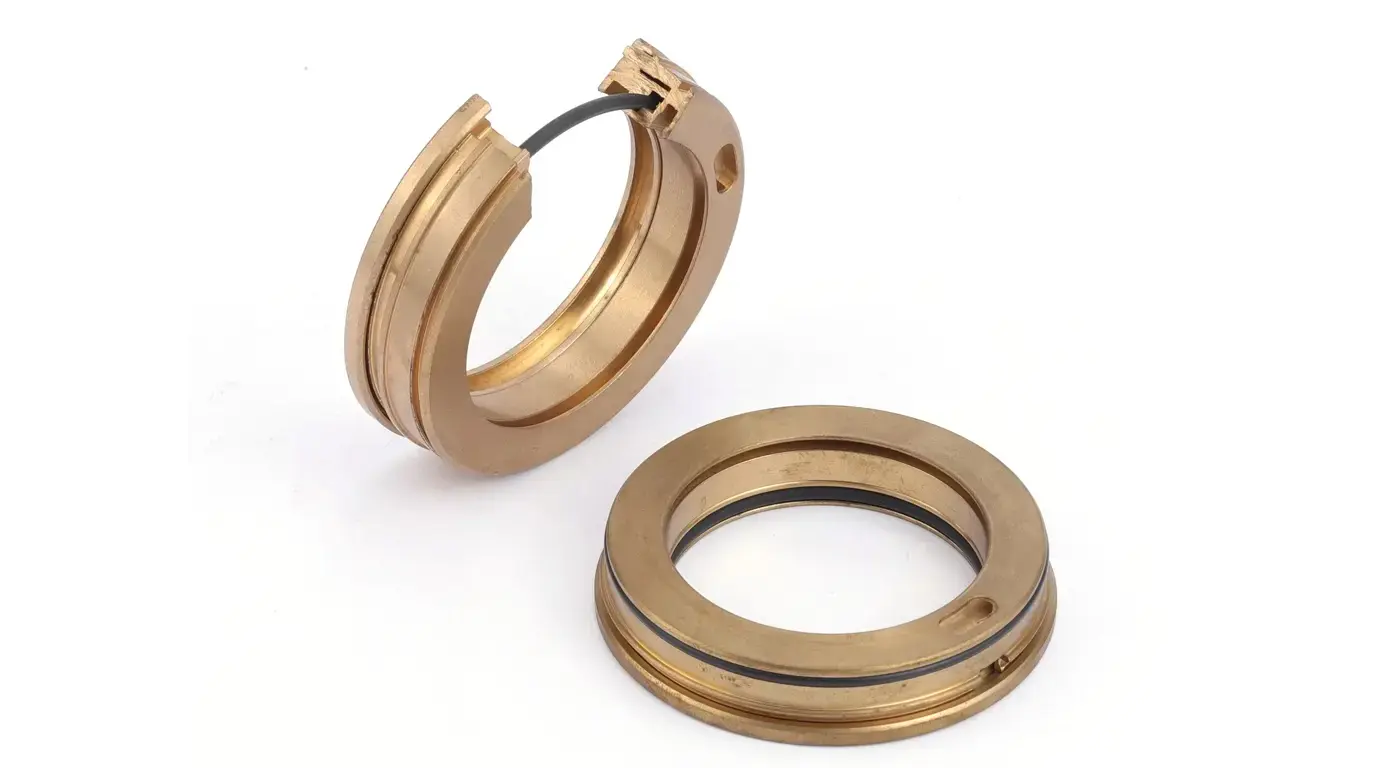
Mechanical seals play a crucial role in Flygt pumps, particularly in high-performance applications. These seals consist of rotating and stationary components that create a dynamic seal, effectively preventing fluid leakage. The design of mechanical seals allows them to withstand high pressures and temperatures, making them suitable for demanding environments.
The materials used in mechanical seals significantly impact their performance. Common materials include:
| Material | Properties | Suitability |
|---|---|---|
| WCCR (Tungsten Carbide) | Excellent sliding properties, wear resistance, sensitive to corrosion in low pH | Standard material in Flygt seals, best overall performance |
| RSiC (Silicon Carbide) | Excellent sliding and wear properties, sensitive to corrosion in high pH | Used in low pH and salt water applications |
| Al2O3 (Aluminum Oxide) | Excellent corrosion resistance up to pH 13, not as good sliding properties | Cost-efficient alternative, performs well with WCCR |
| C (Carbon) | Good dry running capability, low cost, prone to surface pitting | Used in small seals paired with WCCR or Aluminum Oxide |
These materials ensure that mechanical seals provide reliable performance across various applications.
Lip Seals
Lip seals offer a simpler design compared to mechanical seals. They consist of a rubber lip that makes contact with the shaft, creating a seal that prevents fluid leakage. While lip seals are effective for less demanding applications, they are not suitable for high-pressure systems.
These seals are often used in environments where the risk of contamination is low. Their straightforward design allows for easy installation and maintenance. However, users should be aware that lip seals may require more frequent replacement than mechanical seals, especially in abrasive or harsh conditions.
Cartridge Seals
Cartridge seals are pre-assembled units that simplify the installation process. They ensure precise alignment, which reduces the chances of installation errors. This feature enhances the reliability of the seal, making cartridge seals ideal for high-maintenance environments.
The benefits of cartridge seals include:
- Pre-assembled Units: They come ready to install, minimizing setup time.
- Reduced Installation Errors: Their design helps prevent common mistakes during installation.
- Recommended Scenarios: Ideal for applications requiring frequent maintenance, ensuring service efficiency.
Investing in cartridge seals can lead to long-term savings by reducing downtime and maintenance costs.
Importance of Flygt Pump Seal Selection
Matching Seals to Pump Models
Selecting the correct seal type for a specific Flygt pump model significantly enhances pump efficiency and reliability. Proper installation of the seal is essential for optimal performance and longevity. Pre-installation inspections should include checking the shaft condition and fluid compatibility to avoid premature failure. Additionally, the seal must align with the media in corrosive environments and withstand the maximum pressure generated by the pump.
Key considerations for matching seals to pump models include:
- Ensuring compatibility with the pumped media.
- Aligning temperature ratings of the seal with the operational needs of the pump.
- Verifying that the shaft or sleeve meets required surface finish and dimensional tolerances.
These factors contribute to a reliable sealing solution that minimizes the risk of leaks and operational disruptions.
Considering Operational Conditions
Operational conditions play a crucial role in seal selection. Factors such as temperature, pressure, and fluid characteristics can influence the performance and lifespan of Flygt pump seals.
- Temperature: Fluctuations can cause seal materials to expand and contract, leading to potential distortion or cracking. Proper cooling and lubrication are essential to mitigate thermal stress.
- Fluid Characteristics: The compatibility of seal materials with the pumped media is crucial to prevent chemical corrosion and degradation. Analyzing the chemical composition of the fluid helps in selecting appropriate seal materials.
- Pressure: Maintaining adequate suction pressure is essential to prevent cavitation, which can damage seals and affect performance.
Understanding these operational conditions allows for informed decisions when selecting seals, ultimately enhancing the reliability of the pump system.
Impact on Maintenance and Downtime
The selection of the right Flygt pump seal directly impacts maintenance requirements and downtime. Proper seal selection is essential to prevent leaks and contamination, which can lead to pump failures and operational disruptions. Regular maintenance and monitoring of seals can identify wear and prevent unexpected breakdowns.
Common operational conditions that lead to premature seal failure include:
- Deadheading
- Disregarding the best efficiency point (BEP)
- Dry running
- Improperly venting the seal
- Inadequate net positive suction head (NPSH)
By addressing these issues and ensuring proper seal selection, operators can significantly reduce maintenance costs and downtime, leading to more efficient pump operations.
Practical Guidance for Flygt Pump Seal Selection
Assessing Pump Specifications
When selecting a Flygt pump seal, operators must consider several key specifications. These specifications ensure compatibility and optimal performance. The following table outlines essential details:
| Specification Type | Details |
|---|---|
| Seal Face Materials | Silicon carbide or tungsten carbide for stationary face; carbon graphite for rotating face. |
| Elastomer Components | Typically made from Viton (FKM) or EPDM, depending on application requirements. |
| Metal Components and Coatings | Constructed from corrosion-resistant materials like 316 stainless steel; may include specialized coatings. |
| Pressure and Temperature Ratings | Operates efficiently under pressures up to 25 bar and temperatures from -20°C to 120°C. |
| Rotational Speed Capabilities | Designed for speeds ranging from 750 to 3600 RPM. |
| Sealing Efficiency and Leakage Control | Precision-lapped faces minimize leakage; optimized spring loading maintains contact pressure. |
| Pump Model Compatibility | Compatible with various Flygt models including 2060, 3041, 3057, 3060, 3066, and others. |
| Installation Requirements | Requires precise tolerance specifications and clean seal chamber for optimal performance. |
Evaluating Duty Conditions
Duty conditions significantly influence seal selection. Operators should consider the following factors:
- Implement effective filtration systems to reduce abrasive particles in the fluid.
- Avoid dry running of the pump to prevent seal damage.
- Ensure proper cooling to extend the life of the pump seals.
These considerations help maintain seal integrity and enhance overall pump performance.
Consulting Manufacturer Recommendations
Manufacturers provide valuable insights for selecting Flygt pump seals. Key recommendations include:
- Prioritize proper seal selection based on application requirements.
- Consider environmental exposure when choosing seals.
- Ensure compatibility with existing systems to avoid issues.
- Follow manufacturer guidelines for installation and maintenance.
- Conduct regular inspections to identify early signs of wear or misalignment.
- Select seal material based on the fluid being pumped to prevent premature wear.
By adhering to these recommendations, operators can optimize seal performance and prolong pump life.
Installation and Maintenance Tips for Flygt Pump Seals
Proper Installation Techniques
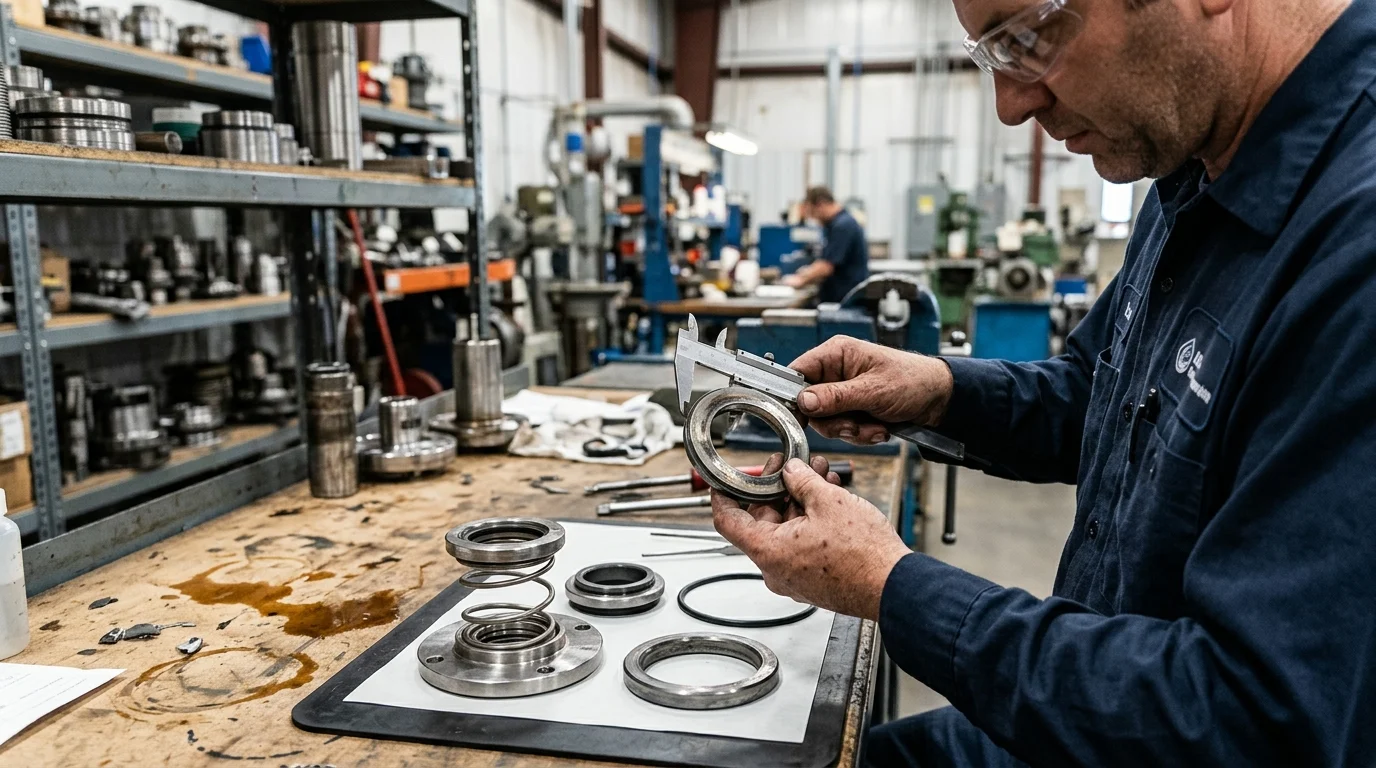
Proper installation of Flygt pump seals is essential for optimal performance. Operators should follow these steps to ensure a successful installation:
- Cleaning the Pump Components: Thoroughly clean all pump components using a non-abrasive cleaner to ensure optimal performance.
- Inspecting the Shaft and Seal Chamber: Check for wear, scoring, or corrosion on the shaft and ensure the seal chamber is clean and smooth.
- Verifying Compatibility and Gathering Necessary Tools: Confirm the FS-SL80 seal's compatibility with your pump model and gather all necessary tools for installation.
Common installation errors can lead to seal failure. Misalignment of seal faces, incorrect compression of the seal, and damage to seal components during assembly are frequent issues that operators should avoid.
Regular Maintenance Practices
Regular maintenance extends the lifespan of Flygt pump seals. Operators should implement the following practices:
- Conduct proper installation to avoid misalignment and stress on seals.
- Perform regular inspection and cleaning to detect wear and prevent major issues.
- Use appropriate lubrication to reduce friction and wear on seal components.
- Choose compatible sealing fluids to prevent degradation.
- Implement protective measures to prevent contamination and corrosion.
These practices help maintain seal integrity and enhance overall pump performance.
Signs of Seal Wear and Replacement
Monitoring for signs of seal wear is crucial for maintaining pump efficiency. Operators should be vigilant for the following indicators:
- Unusual noise or vibration
- Increased power consumption
- Exceeded recommended service life
- Changes in operating conditions
- Increased maintenance frequency
- Visible leakage around the seal
- Discoloration or corrosion on the seal face
- Unusual buildup or deposits around the seal
- Decreased pump efficiency
Timely replacement of worn Flygt pump seals can prevent leakage, reduced performance, and excessive vibration. Addressing these issues promptly ensures the pump operates efficiently and reliably.
Selecting the right Flygt pump seal is vital for ensuring pump efficiency and longevity. Key considerations include compatibility with various models and adaptability to different operational conditions. By prioritizing seal selection, operators can reduce maintenance costs and downtime. Investing in reliable seals, such as the GW SEAL Flygt Pump Cartridge Seal, enhances performance and minimizes costly failures.
FAQ
What is the primary function of Flygt pump seals?
Flygt pump seals prevent fluid leakage, ensuring efficient pump operation and protecting internal components from contamination.
How often should Flygt pump seals be inspected?
Operators should inspect Flygt pump seals regularly, ideally every three to six months, to identify wear and prevent failures.
Can I use different seal types for various applications?
Yes, selecting the appropriate seal type based on specific applications and operational conditions is crucial for optimal performance.