

Sanitary Pump Seals: Your Dairy Protection Solution
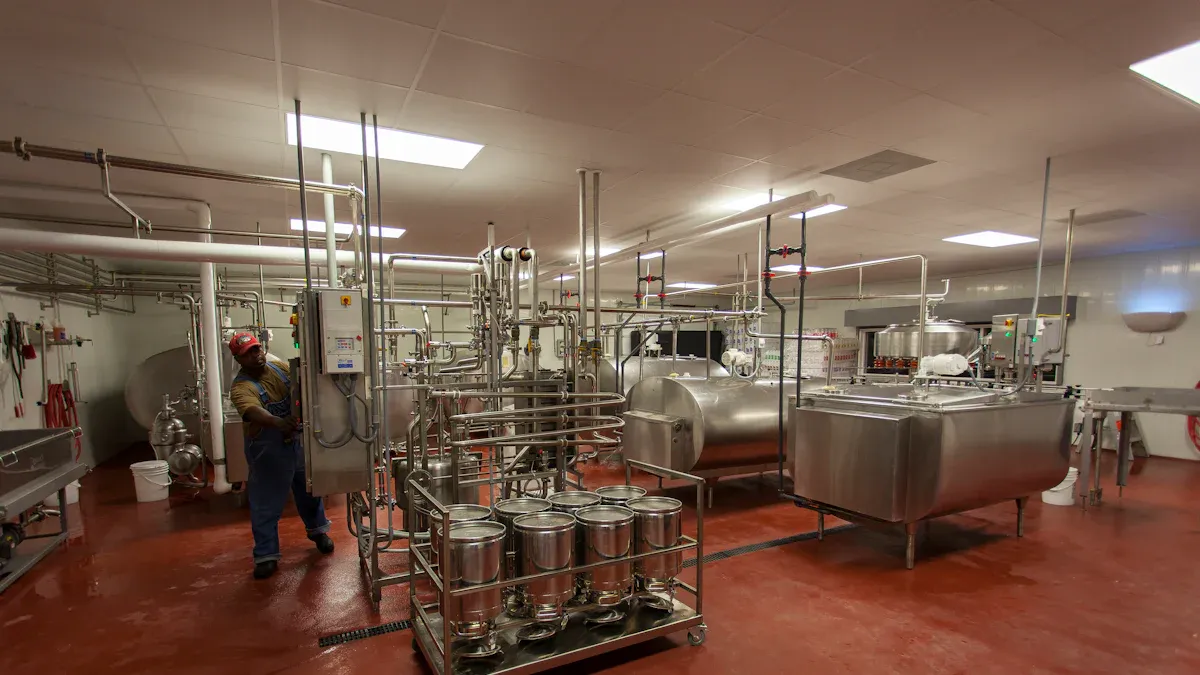
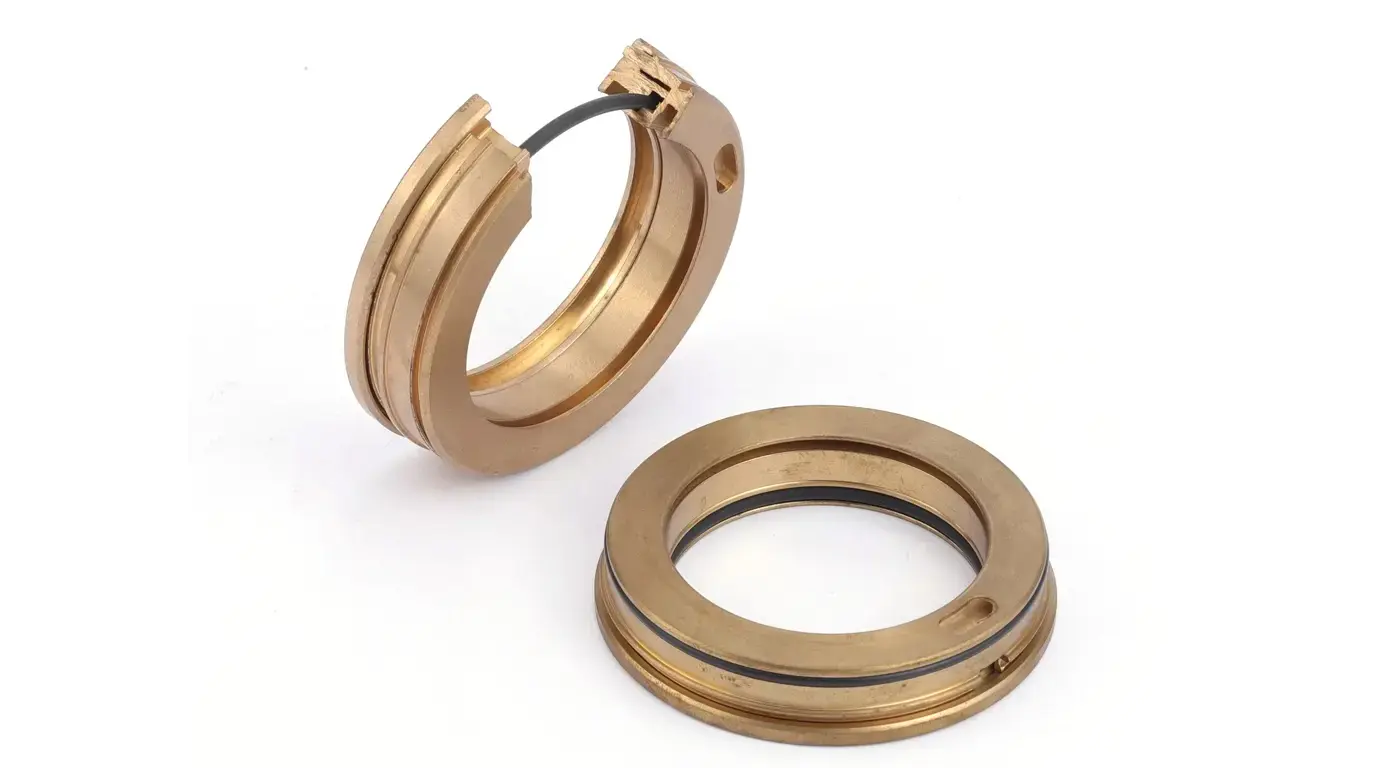
Sanitary pump seals play a vital role in protecting dairy products from contamination. GW SEAL specializes in providing high-quality sanitary pump seals that ensure the integrity of the product by preventing leaks and maintaining cleanliness. Recent studies show that advanced sealing technologies, such as double mechanical seals, enhance reliability in fluid handling systems. This improvement is crucial for meeting stringent health standards in the dairy industry, making GW SEAL a trusted partner for all your sanitary pump seals needs.
Key Takeaways
- Sanitary pump seals prevent leaks and contamination, ensuring dairy products remain safe for consumption.
- Regular maintenance of seals, including inspections and replacements, is crucial for meeting safety standards and extending seal life.
- Choosing the right seal based on application needs and material compatibility is essential for optimal performance in dairy processing.
Importance of Sanitary Pump Seals
Role in Product Integrity
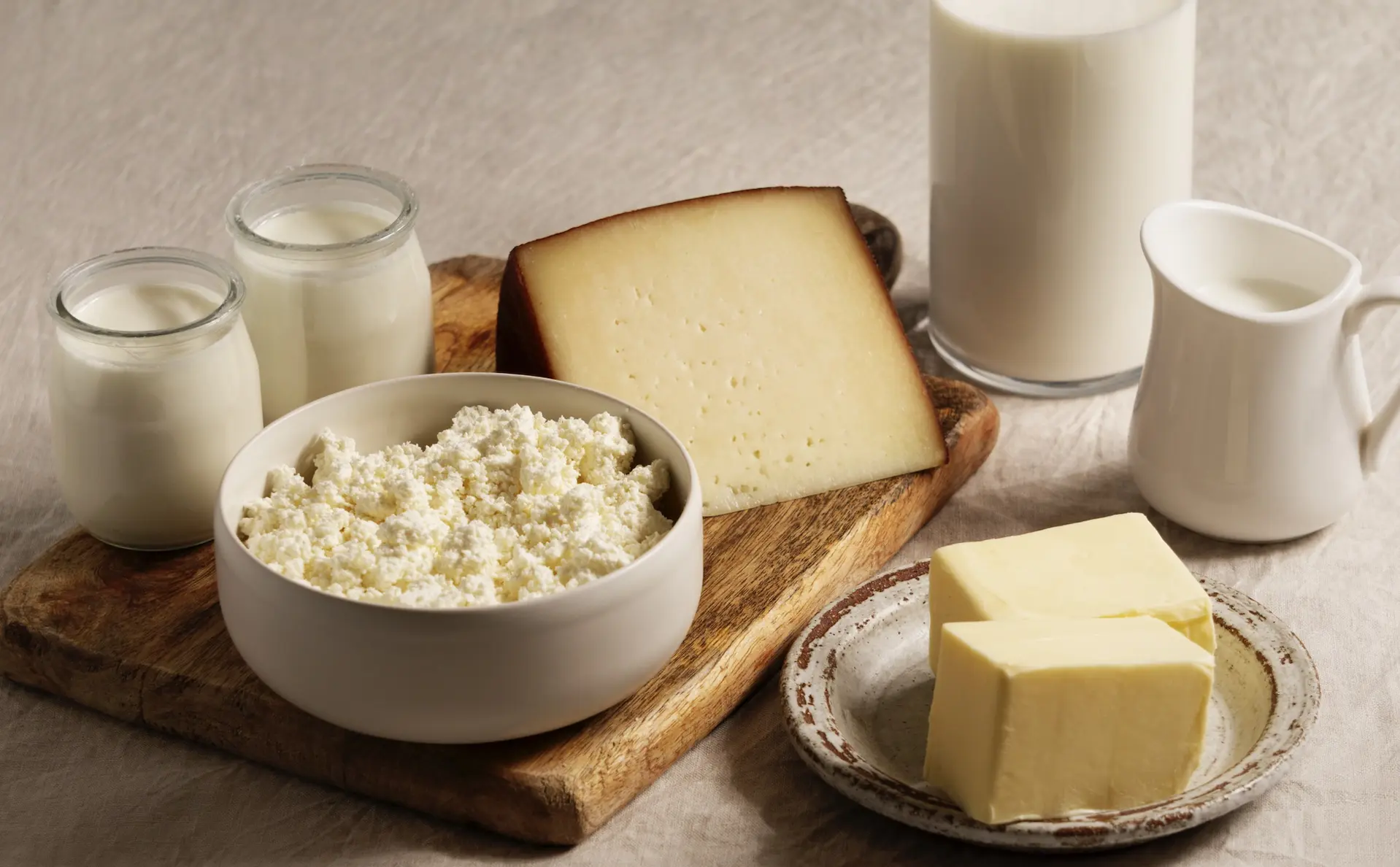
Sanitary pump seals play a crucial role in maintaining the integrity of dairy products. They prevent leaks and contamination, ensuring that the product remains safe for consumption. The cleanability of pumps and valves is essential for sanitary design and food safety. Adhering to standards like 3-A or EHEDG guarantees that products are manufactured to appropriate specifications.
Best practices for maintaining product integrity include:
- Using valves with reduced leakage chambers to enhance seat cleaning.
- Minimizing cleaning solution usage, which is beneficial for continuous production.
- Designing machinery without hard-to-clean crevices to prevent bacterial harboring.
- Optimizing cleaning parameters for effective sanitation.
These practices ensure that dairy products retain their quality and safety throughout the production process.
Impact on Safety Standards
Sanitary pump seals significantly impact safety standards in the dairy industry. Regular maintenance of these seals extends their service life and ensures food safety. Implementing Clean-in-Place (CIP) cycles after each production run is vital for maintaining hygiene.
A proactive approach to seal maintenance includes:
| Maintenance Activity | Frequency | Benefit |
|---|---|---|
| Visual inspections of seals and gaskets | Weekly | Prevents contamination and identifies wear. |
| Proactive replacement of seals and bearings | As needed | Avoids product leakage and maintains integrity. |
By adhering to these practices, dairy processors can meet stringent safety standards and protect their products from cross-contamination. The use of sanitary pump seals not only safeguards product quality but also enhances compliance with health regulations.
Types of Sanitary Pump Seals
Mechanical Seals
Mechanical seals are essential in dairy processing due to their superior performance and durability. They minimize contamination risks through their design, which prevents leaks. The materials used in mechanical seals are non-toxic and anti-corrosive, ensuring compliance with health standards. A comparison highlights their advantages:
| Feature | Mechanical Seals | Other Sanitary Pump Seals |
|---|---|---|
| Contamination Risk | Minimized through design | Higher risk due to gaps |
| Material Standards | Non-toxic, anti-corrosive, crevice-free | Varies, may not meet stringent standards |
| Durability | Resistant to cracking, chipping, and abrasion | Generally less durable |
| Cleaning and Sterilization | Designed for easy cleaning and disinfection | May have stagnant zones |
| Microbial Impermeability | High, prevents microbial growth | Lower, more susceptible to contamination |
Lip Seals
Lip seals offer a cost-effective solution for dairy applications. However, they come with certain disadvantages. While they have a low up-front cost, their small contact surface increases the risk of contamination and leakage. Additionally, they wear out quickly in harsh environments. The following table summarizes their advantages and disadvantages:
| Advantages | Disadvantages |
|---|---|
| Low Up-Front Cost | Small Contact Surface: Increases risk of contamination and leakage. |
| Wear and Tear: Wears out quickly, especially in harsh environments. | |
| Limited Applications: High friction and heat generation limit usability. | |
| Pressure Limitations: Not effective under high pressure. | |
| Shaft Damage: Can damage the shaft through friction. | |
| Lack of Certification: Not certified for use in dairy processing industries. |
O-Ring Seals
O-ring seals play a crucial role in maintaining hygiene in dairy processing equipment. They act as barriers against harmful microorganisms and external contaminants. Their tight seals eliminate gaps where bacteria could infiltrate, thus ensuring compliance with food safety regulations. Key benefits include:
- Made from food-grade materials like silicone and EPDM, preventing harmful chemicals from leaching into dairy products.
- Designed for easy cleaning and high-pressure sterilization, essential for maintaining hygiene.
These features make O-ring seals indispensable in the dairy industry.
Benefits of Using Sanitary Pump Seals
Contamination Prevention
Sanitary pump seals are essential for minimizing contamination risks in dairy processing. They feature designs that prioritize hygiene, effectively preventing leaks and microbial growth. The robust sanitation practices associated with these seals ensure that dairy products remain safe and of high quality. Key benefits include:
- Flat, crevice-free front covers that eliminate product dead zones.
- Compatibility with Clean-In-Place (CIP) and Clean-Out-of-Place (COP) systems, facilitating thorough cleaning without disassembly.
- Compact designs that optimize space while maintaining functionality.
These features significantly reduce the likelihood of contamination, safeguarding both the product and the consumer.
Ease of Cleaning
Sanitary pump seals simplify maintenance and cleaning processes, which is crucial in the dairy industry. Their design allows for efficient cleaning protocols, minimizing downtime between production runs. The following features enhance ease of cleaning:
| Feature | Benefit |
|---|---|
| Ease of Maintenance | Front-loading seals and CIP compatibility reduce downtime and simplify maintenance efforts. |
| Self-Aligning Shaft | This feature enhances seal longevity and simplifies maintenance by ensuring proper alignment during operation. |
| CIP (Clean-In-Place) | This capability ensures easy cleaning between batches, effectively reducing contamination risks. |
Implementing effective cleaning protocols, such as performing CIP cycles after each production run, is vital. Recommended practices include using approved detergents at temperatures between 70–85°C and verifying that all residues are thoroughly rinsed away.
Regulatory Compliance
Compliance with industry standards is non-negotiable in dairy production. Sanitary pump seals help manufacturers adhere to these regulations, ensuring safety and quality. Non-compliance can lead to severe consequences, including:
| Consequence | Description |
|---|---|
| Product Recalls | Contaminated products pose health risks, leading to costly recalls and potential brand damage. |
| Regulatory Fines | Non-compliance can result in hefty fines from regulatory bodies. |
| Loss of Consumer Trust | Maintaining trust with consumers depends on a strong reputation for producing safe, high-quality dairy products. |
By investing in high-quality sanitary pump seals, dairy processors can enhance their compliance efforts, thereby protecting their products and their brand reputation.
Best Practices for Selection and Maintenance of Sanitary Pump Seals
Choosing the Right Seal
Selecting the appropriate sanitary pump seal is crucial for optimal performance in dairy applications. Consider the following factors:
- Application Requirements: Understand the specific process needs, including fluid type and operational demands.
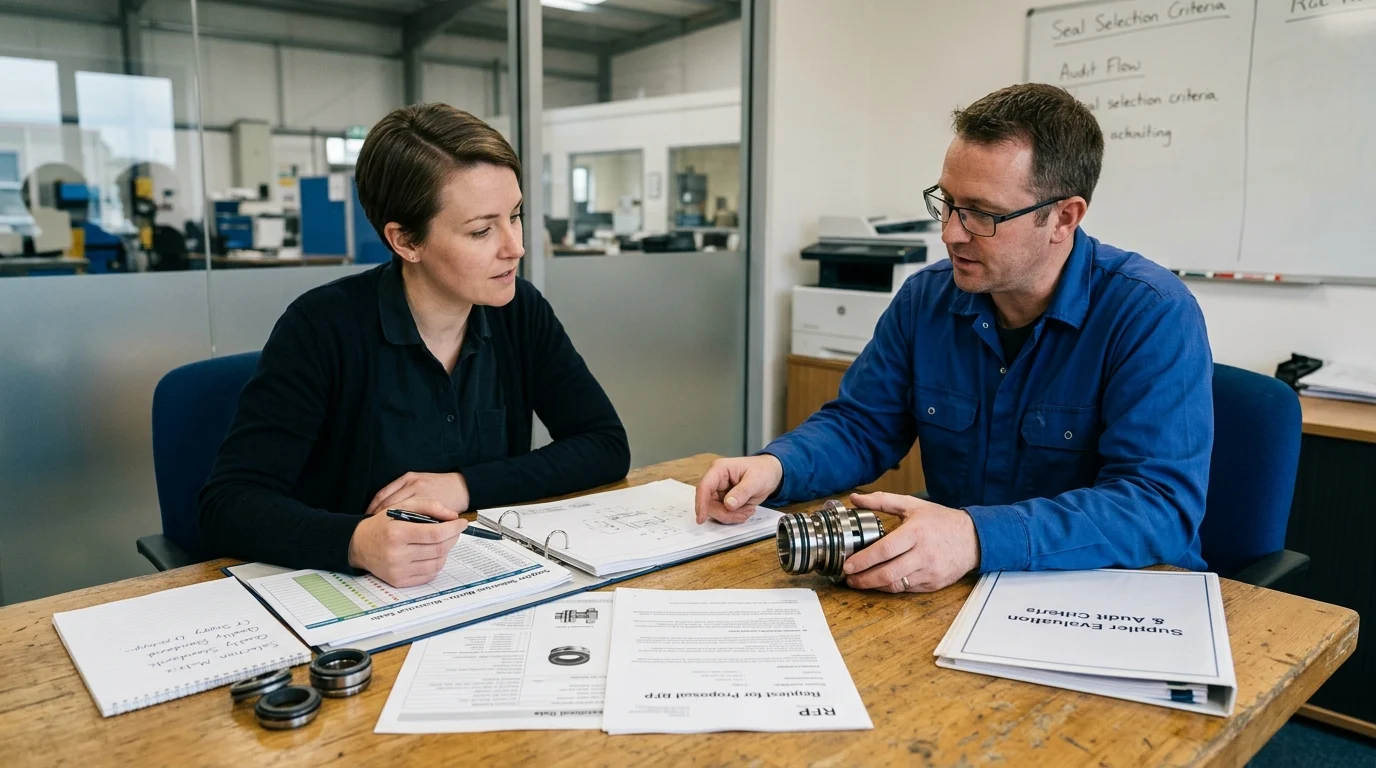
- Maintenance and Repair: Evaluate reliability, ease of maintenance, and expected lifespan of components.
- Hygienic Design: Ensure the pump prevents microbial growth and supports thorough cleaning.
- Technical Specifications: Match performance metrics with system demands, including material compatibility and temperature limits.
- Pump System Integration: Ensure compatibility with existing infrastructure and future scalability.
Material compatibility is vital. It ensures seals withstand chemicals, temperatures, and physical conditions in dairy processing. Proper material selection maintains seal integrity and prevents contamination, which is critical for compliance with health regulations.
Maintenance Tips
To extend the lifespan of sanitary pump seals, implement these maintenance practices:
- Actively monitor flow rates, pressures, and seal life to identify issues early.
- Audit sanitation processes to ensure they do not inadvertently damage equipment.
- Review specifications for new pump purchases that align with the pump's performance range.
- Inspect piping for potential choke points or discharge pressure barriers.
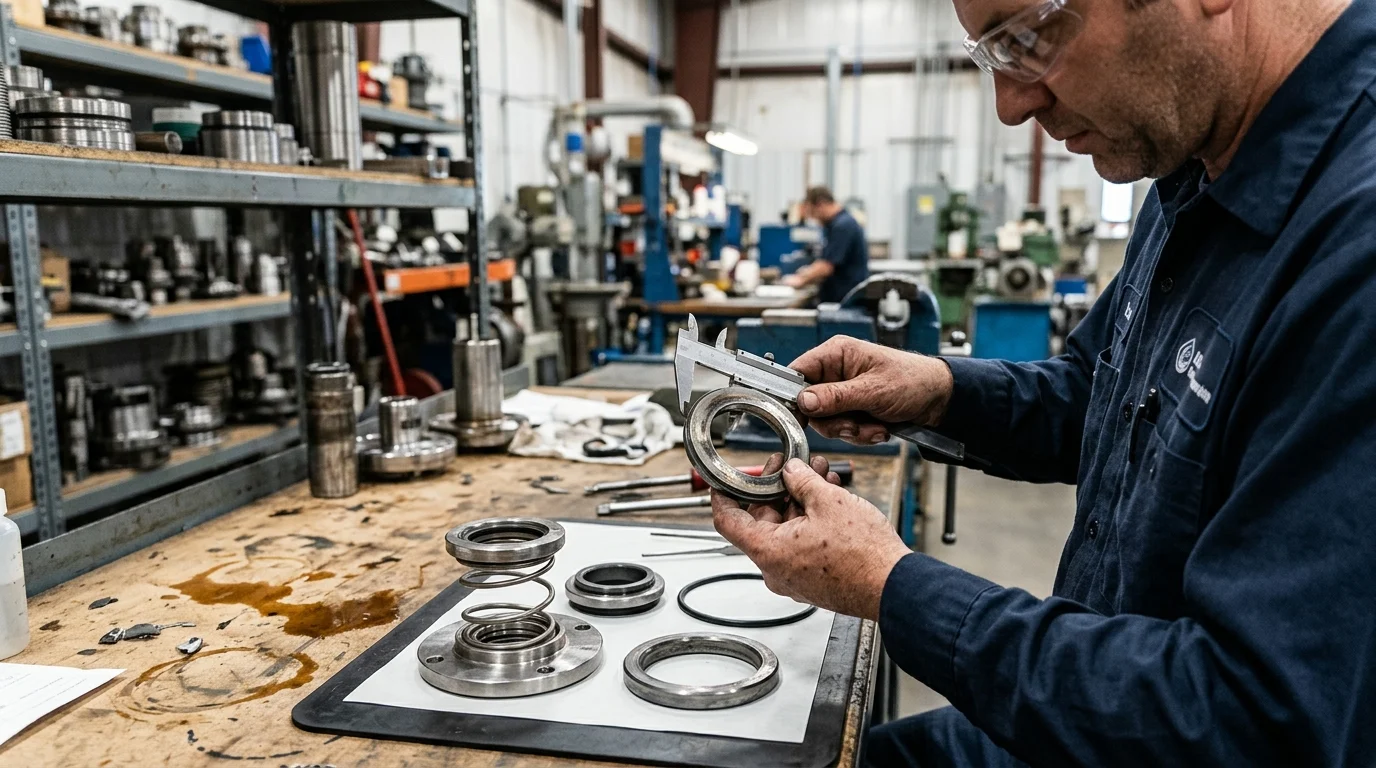
Regular inspections are essential. For seals and gaskets, check every 3–6 months for signs of cracking, swelling, or leakage. Adjust inspection intervals based on the product being pumped.
Monitoring Performance
Monitoring performance indicators helps ensure sanitary pump seals function effectively. Key aspects to observe include:
- Leaks
- Proper alignment
- Operating conditions such as flow rate, pressure, temperature, and vibration
Regular checks of seals, gaskets, and O-rings for wear or deformation can prevent leaks and contamination. Predictive maintenance technologies can enhance reliability by enabling real-time monitoring of equipment conditions, identifying potential failures before they occur.
Sanitary pump seals are essential for protecting dairy products from contamination and ensuring compliance with health standards. Investing in high-quality seals enhances operational efficiency by providing leak-proof connections and reducing maintenance costs. These seals also contribute to the overall quality of dairy products, safeguarding their integrity. For the dairy industry, choosing reliable options like those from GW SEAL is crucial for maintaining high standards.
FAQ
What are sanitary pump seals made of?
Sanitary pump seals typically consist of food-grade materials like silicone, EPDM, or PTFE, ensuring safety and compliance in dairy processing.
How often should I replace sanitary pump seals?
Replace sanitary pump seals every 3 to 6 months or as needed, depending on wear and operational conditions to maintain product integrity.
Can I use the same seals for different dairy products?
Using the same seals for different dairy products is not recommended. Different products may require specific seals to prevent contamination and ensure compliance.