

OEM Mechanical Seal Testing: Ensuring Reliability Before Shipment
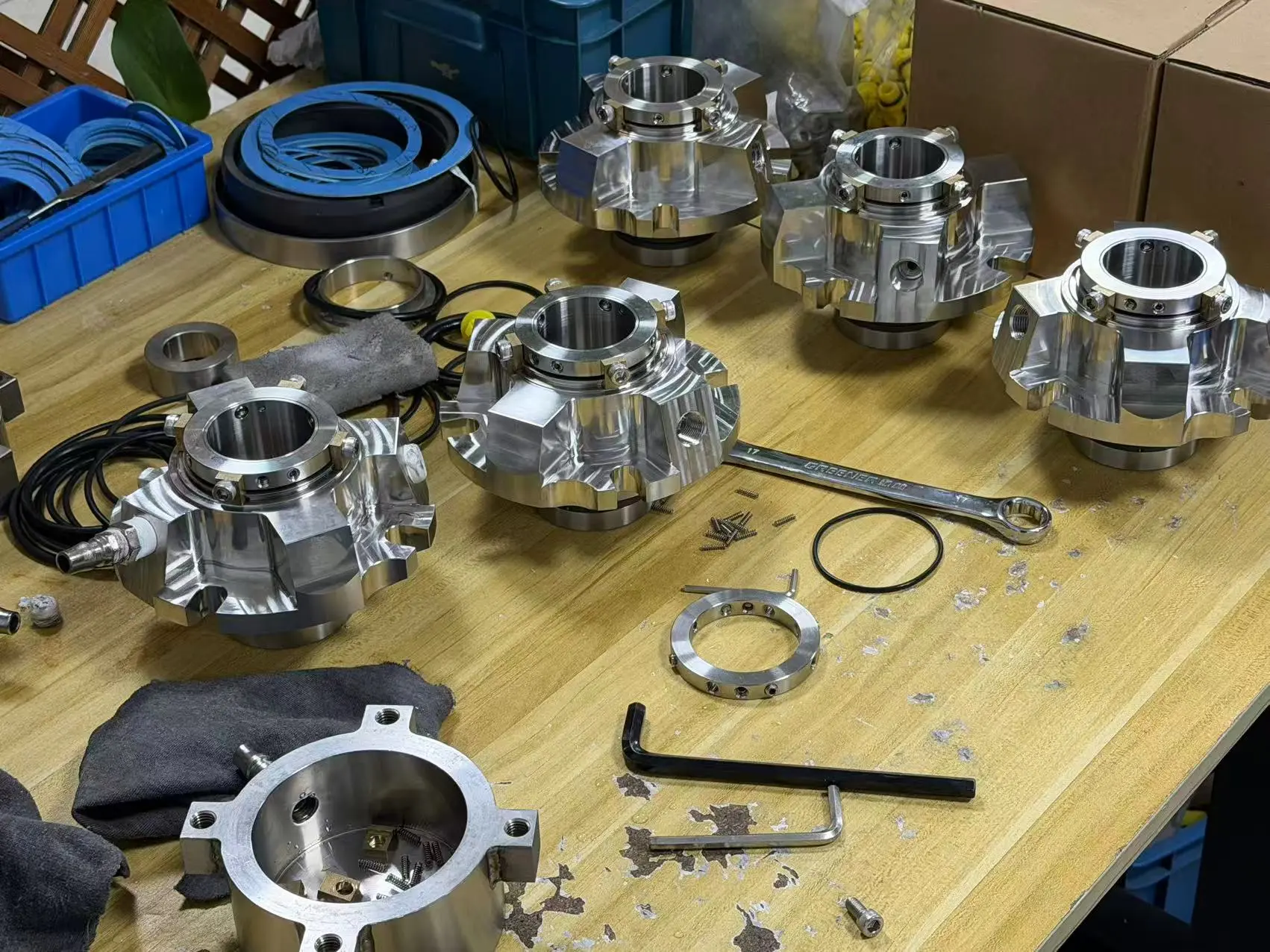
OEM Mechanical Seal Testing plays a vital role in ensuring product reliability. GW SEAL applies strict quality control to reduce failures and protect brand reputation. The table below shows how thorough testing improves customer satisfaction and lowers warranty claims:
| Statistic | Implication |
|---|---|
| 85% of customers pay more for reliable products. | Testing boosts sales and loyalty. |
| 70% of customers avoid brands after failures. | Testing cuts warranty claims. |
| Satisfied customers are 5 times more likely to recommend. | Testing drives positive referrals. |
Reliable seals help OEMs maintain trust and grow their market share.
Key Takeaways
- Thorough mechanical seal testing boosts customer satisfaction and loyalty, leading to increased sales.
- Investing in quality assurance reduces the risk of seal failures, saving OEMs from costly downtime and warranty claims.
- Implementing strict testing standards enhances product reliability, ensuring that seals perform optimally under various conditions.
The Cost of Seal Failure for OEMs
Mechanical seal failures can lead to significant financial repercussions for OEMs. Understanding these costs is crucial for manufacturers aiming to maintain profitability and customer satisfaction. The following factors contribute to the overall cost of seal failure:
- Improper Installation: Incorrectly installed seals can lead to immediate leaks and failures.
- Incorrect Material Selection: Using unsuitable materials can compromise seal integrity.
- Contamination: Foreign particles can damage seals, leading to premature failure.
- Vibration: Excessive vibration can cause seals to wear out faster than expected.
- Lack of Regular Maintenance: Neglecting maintenance can result in unnoticed wear and tear.
These issues not only affect the seals themselves but also lead to indirect costs that can escalate quickly. OEMs often face the following indirect costs due to seal failures:
| Component | Description |
|---|---|
| Production downtime | Lost output value while the asset is offline; often the largest component of total maintenance cost. |
| Quality losses | Defects or off-spec products produced by degraded assets; costs often obscured in quality budgets. |
| Administrative overhead | Time spent on planning, scheduling, and data management that supports maintenance activities. |
| Energy waste | Increased energy consumption from assets operating in degraded conditions. |
| Total Maintenance Cost | Direct Labor Costs + Materials and Parts Costs + Contractor Costs + Equipment Costs + Indirect Downtime Costs |
| Indirect downtime costs | Calculated as: downtime hours x production rate x contribution margin per unit produced. |
Industry benchmarks indicate that a significant portion of mechanical seal failures stems from issues with pump bearings. In fact, approximately 13% of these failures are attributed to bearing problems. Effective maintenance practices can greatly reduce these incidents. It is estimated that 33% of all pump failures are linked to bearing distress, with half of these cases related to contaminants entering bearing housings.
By recognizing the costs associated with seal failures, OEMs can prioritize quality assurance and testing processes. Investing in reliable mechanical seals not only minimizes direct costs but also protects against the hidden expenses that can arise from downtime and lost productivity.
GW SEAL's Testing Philosophy: Zero Defect Commitment
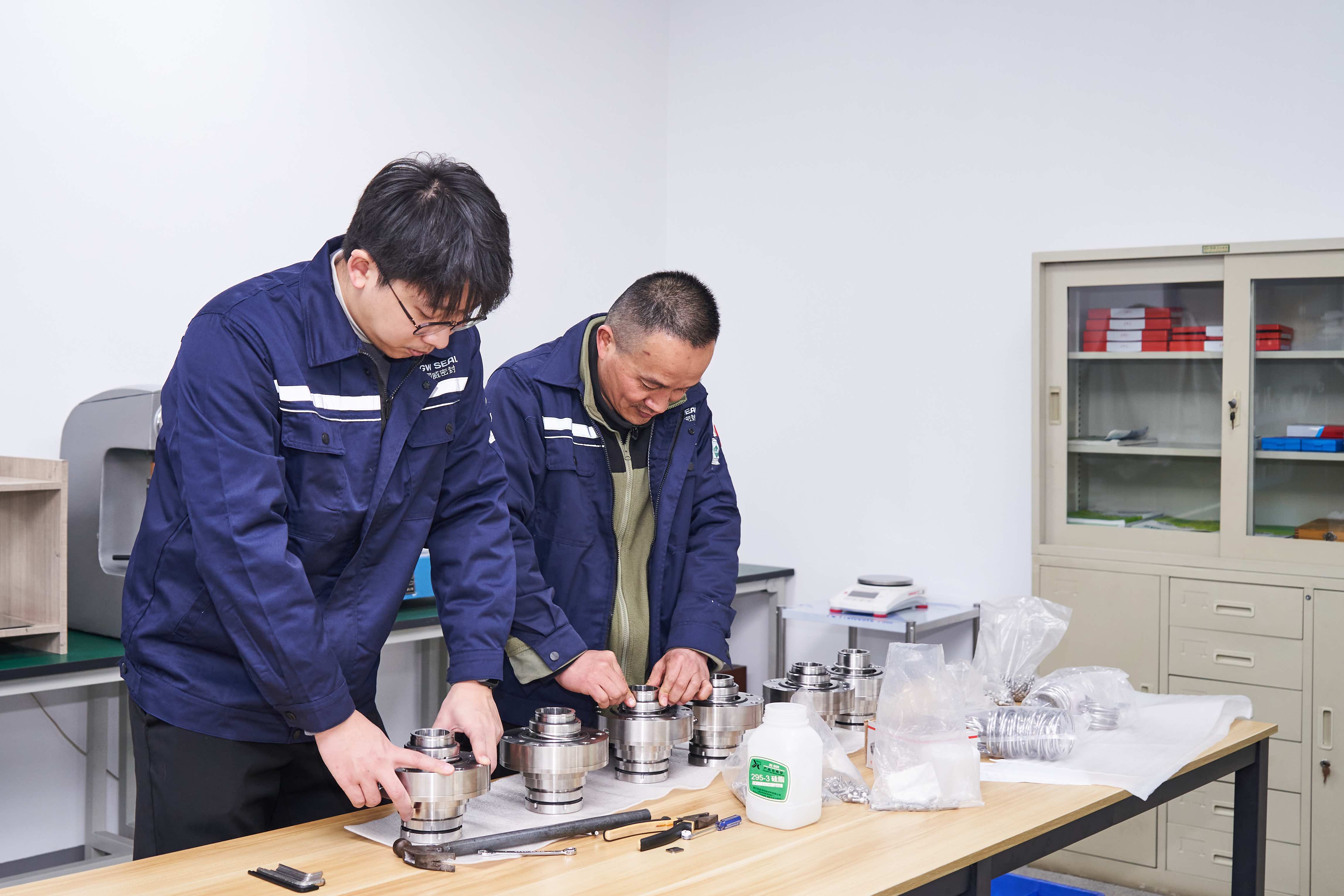
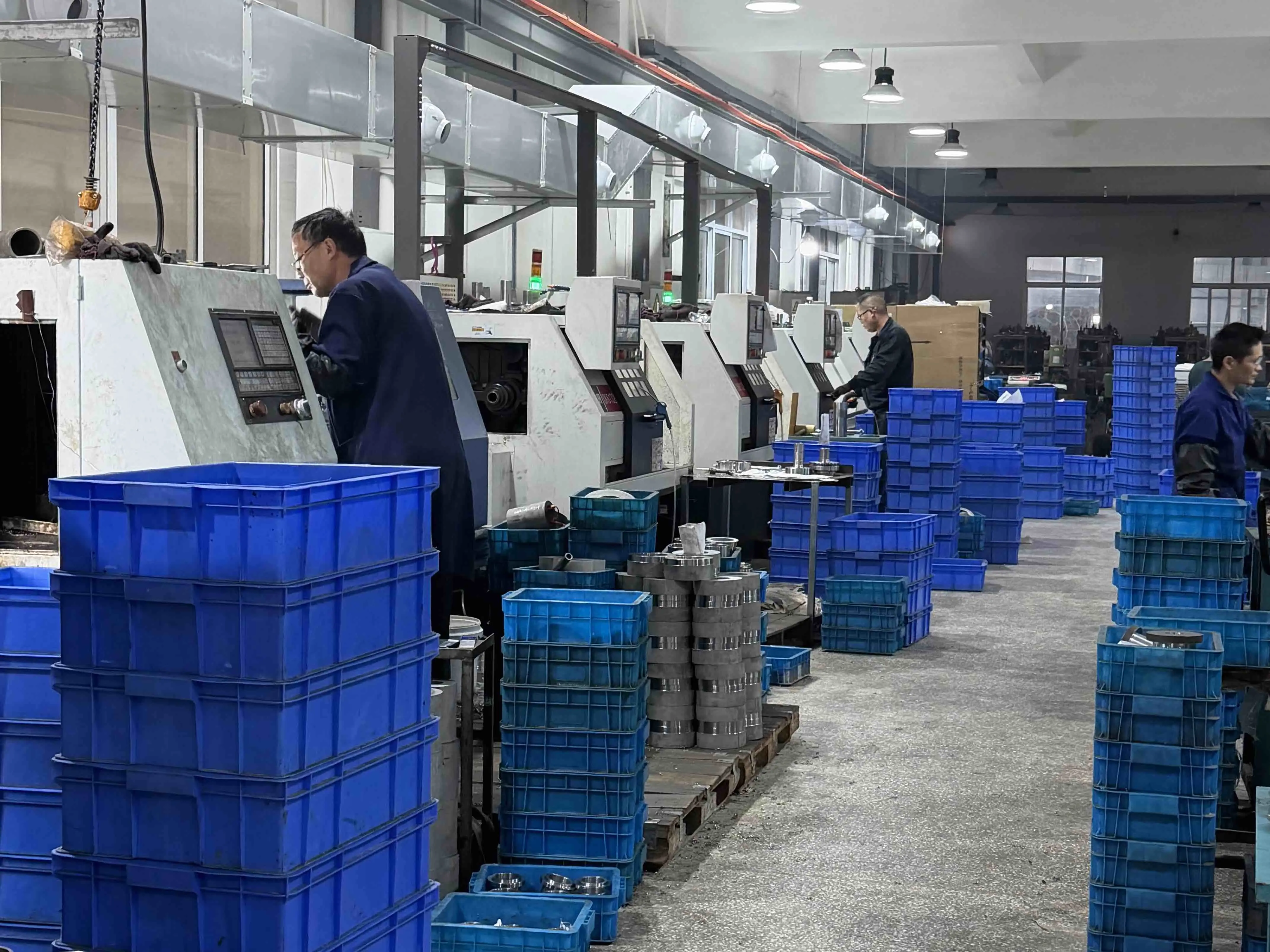
GW SEAL embraces a rigorous testing philosophy centered on a commitment to zero defects. This approach ensures that every mechanical seal meets the highest standards of quality and reliability. The testing process encompasses three critical stages: raw material verification, in-process quality control, and finished product testing.
Raw Material Verification
The foundation of any reliable mechanical seal lies in the quality of its raw materials. GW SEAL implements stringent verification processes to ensure that all materials meet specified standards before production begins. This verification includes:
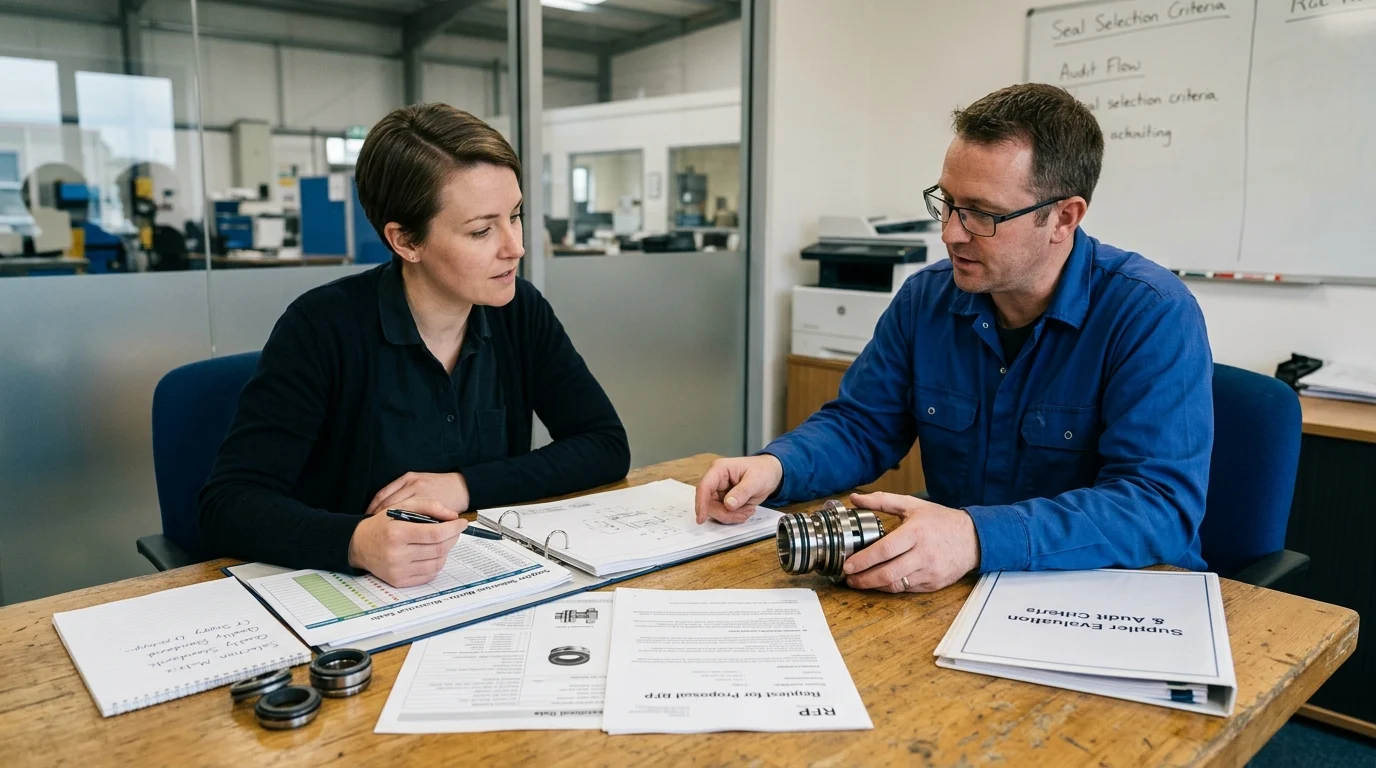
- Supplier Audits: Regular assessments of suppliers to ensure compliance with quality standards.
- Material Testing: Conducting tests on incoming materials to verify their properties, such as tensile strength and chemical composition.
- Documentation Review: Ensuring that all materials come with appropriate certifications and traceability documentation.
By focusing on raw material verification, GW SEAL minimizes the risk of defects that could arise from subpar materials, thereby enhancing the overall reliability of the final product.
In-Process Quality Control
In-process quality control is vital for maintaining high standards throughout the manufacturing process. GW SEAL employs a series of checks to monitor quality at each stage of production. Key steps in this process include:
- Visual inspection to detect any surface defects or irregularities.
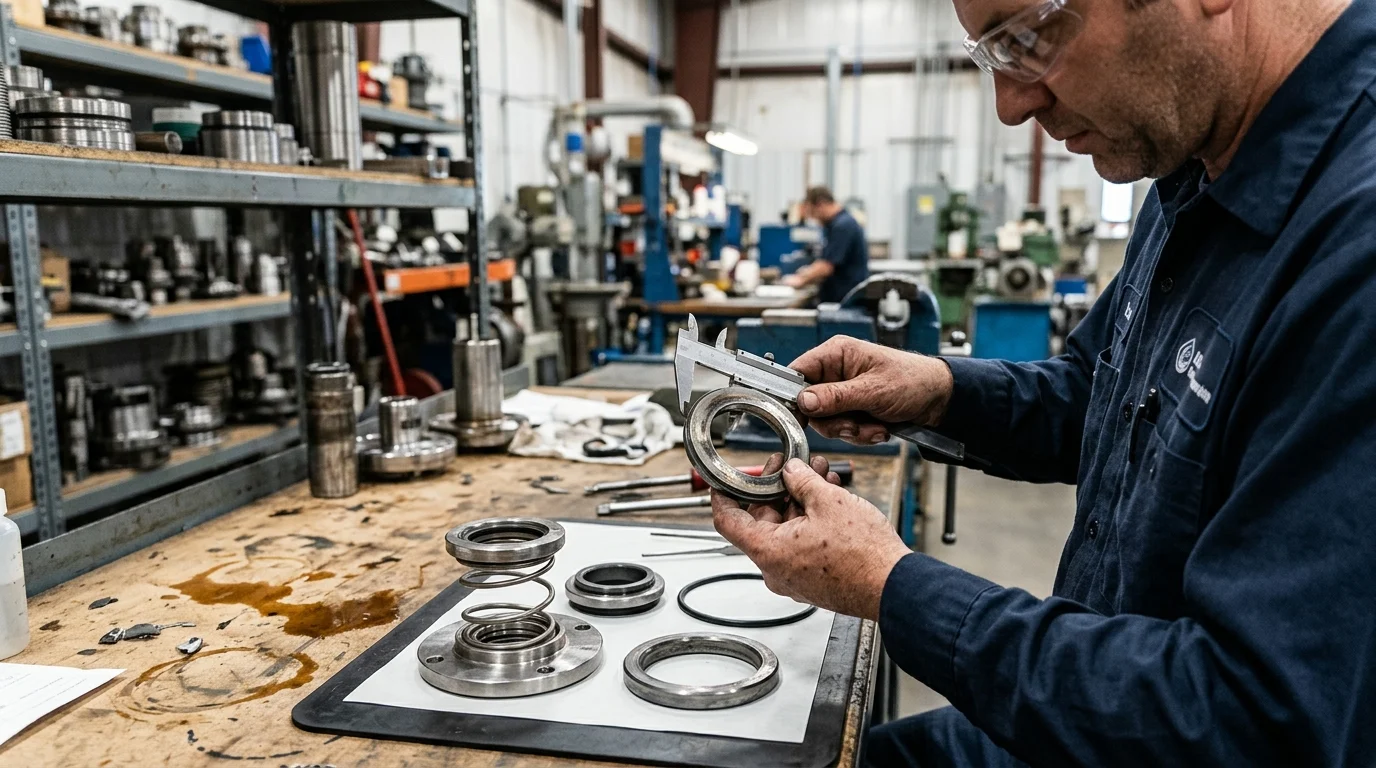
- Dimensional checks to ensure the seal meets specified measurements.
- Hardness testing to verify material properties.
- Compression set testing to assess the seal's ability to return to its original shape after compression.
- Chemical resistance testing by immersing the seal in relevant chemicals and observing changes in appearance and physical properties.
- Pressure testing using a pressure chamber to confirm the seal can withstand maximum operating pressures without leakage.
- Temperature testing by exposing the seal to a range of temperatures to evaluate performance under extreme conditions.
These measures allow GW SEAL to identify and address potential issues early in the manufacturing process, reducing the likelihood of defects in the final product.
Finished Product Testing
Once production is complete, GW SEAL conducts thorough finished product testing to ensure that each mechanical seal meets performance expectations. Various testing methods are employed, including:
| Testing Method | Application |
|---|---|
| Bubble Leak Testing | Traditional method, time-consuming and manual, used for larger leaks. |
| Pressure Decay Testing | Effective for various packaging types, provides quantitative results. |
| Vacuum Decay Testing | FDA recognized, sensitive, applicable to many packaging formats, ensures hermeticity. |
These testing methods help detect potential seal failures before shipment, ensuring that only the highest quality products reach customers. By adhering to this comprehensive testing philosophy, GW SEAL reinforces its commitment to delivering reliable mechanical seals that meet the demands of OEMs.
Traceability in OEM Mechanical Seal Testing
Traceability plays a crucial role in OEM Mechanical Seal Testing. It ensures that manufacturers can track the quality of materials and processes throughout production. This capability helps identify and address quality issues effectively.
One significant regulation is EC 1935/2004, which mandates traceability of raw materials in pharmaceutical production. This regulation ensures compliance and safety. Non-compliant seals can introduce contamination risks at multiple stages of production. Therefore, maintaining traceability is essential for safeguarding product integrity.
Several traceability systems are commonly used in the OEM mechanical seal industry to enhance product quality:
- Supplier Lot-Specific Inspection Data: OEMs can access real-time inspection data from suppliers. This access allows for early identification of potential quality issues.
- Incoming Quality Control: This system adjusts inspection levels based on supplier performance. It ensures that critical components always undergo thorough checks.
- Supplier Performance Tracking: Real-time scorecards and trend analysis help monitor supplier quality and delivery performance. This proactive management approach minimizes risks associated with poor-quality materials.
By implementing robust traceability systems, OEMs can enhance their quality assurance processes. This commitment to traceability not only improves product reliability but also strengthens customer trust.
Case Study: Testing Prevents Costly Recalls
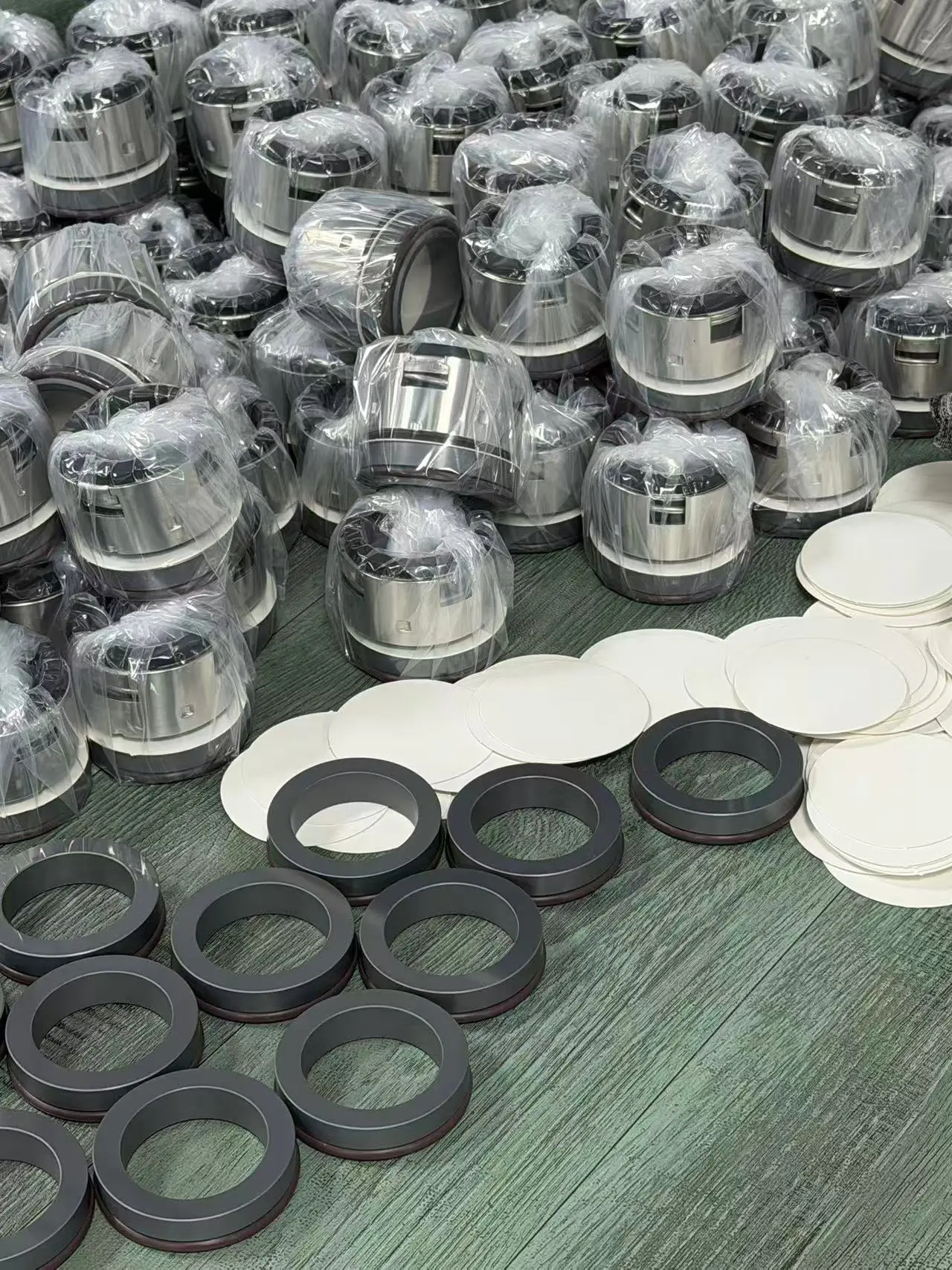
In 2021, a prominent OEM faced a significant challenge when a batch of mechanical seals failed during field tests. These seals were intended for a high-pressure application in a critical industrial process. The initial tests revealed leaks, prompting the company to investigate further.
GW SEAL's rigorous testing protocols played a crucial role in averting a potential disaster. The company had implemented a comprehensive testing strategy that included:
- Raw Material Verification: Ensured that only high-quality materials entered production.
- In-Process Quality Control: Monitored each manufacturing stage to catch defects early.
- Finished Product Testing: Conducted extensive tests to confirm seal integrity before shipment.
During the investigation, GW SEAL identified that a specific batch of seals had not undergone the final pressure testing due to a procedural oversight. This discovery allowed the team to recall the affected seals before they reached customers.
Key Takeaway: The proactive approach to testing not only saved the OEM from costly recalls but also protected its reputation. By investing in thorough testing processes, GW SEAL demonstrated its commitment to quality and reliability.
This case highlights the importance of rigorous testing in preventing failures and ensuring customer satisfaction. OEMs can avoid significant financial losses and maintain trust by prioritizing quality assurance in their operations.
Benefits of GW SEAL's Testing for OEMs
OEMs that utilize GW SEAL's mechanical seal testing services enjoy numerous advantages. These benefits significantly enhance operational efficiency and reduce costs.
-
Increased Seal Life: Testing data indicates that OEMs experience a fourfold improvement in seal durability compared to conventional seals. This enhancement leads to longer operational periods and less frequent replacements.
-
Operational Reliability: Facilities that employ durable seals, validated by rigorous testing, report measurable improvements in reliability. They experience fewer emergency maintenance events, which minimizes disruptions in production.
-
Cost Savings: Extended intervals between seal replacements contribute to economic advantages. By reducing unplanned downtime and maintenance costs, OEMs can allocate resources more effectively.
-
Enhanced Performance: The comprehensive testing process ensures that seals perform optimally under various conditions. This reliability is crucial for continuous-duty applications, where performance consistency is vital.
Key Insight: Investing in quality testing not only safeguards product integrity but also strengthens customer trust. OEMs can confidently assure their clients of the reliability and longevity of their products.
By prioritizing GW SEAL's testing services, OEMs position themselves for success in a competitive market. The measurable benefits of improved seal life and operational reliability translate into significant long-term gains.
Testing Standards in OEM Mechanical Seal Testing
Testing standards play a crucial role in ensuring the reliability and performance of mechanical seals. OEMs must adhere to established guidelines to guarantee that their products meet industry expectations. Compliance with standards such as ISO and API is essential for maintaining quality assurance.
Manufacturers conduct various tests to ensure compliance. The following table outlines key testing methods:
| Evidence Type | Description |
|---|---|
| Seal Qualification Testing | Manufacturers must conduct Seal Qualification Testing (SQT) to meet defined criteria before market availability. This ensures that seal designs are rated to performance standards. |
| Assembly Integrity Test | Each new or repaired mechanical seal undergoes an Assembly Integrity Test with pressurized air post-assembly. This test confirms correct assembly and functionality, serving as a final acceptance test. |
These testing standards help OEMs maintain high-quality products. They ensure that seals perform effectively under various conditions. By following these rigorous testing protocols, manufacturers can minimize the risk of failures and enhance customer satisfaction.
In addition to these tests, ongoing training and certification for personnel involved in testing processes are vital. This commitment to continuous improvement ensures that OEMs stay updated with the latest industry practices and technologies.
Ultimately, adherence to testing standards in OEM mechanical seal testing not only protects the integrity of the product but also reinforces the manufacturer's reputation in the market.
Rigorous OEM Mechanical Seal Testing is essential for ensuring product reliability and performance. By investing in quality assurance processes, manufacturers can achieve significant long-term benefits. These include reduced maintenance costs, extended operational life, and decreased downtime.
| Benefit | Description |
|---|---|
| Reduced Maintenance Costs | Extended intervals between seal replacements and simplified installation procedures lower costs. |
| Extended Operational Life | Superior design leads to longer service life, minimizing the need for replacements. |
| Decreased Downtime | Improved reliability reduces unplanned maintenance events, enhancing plant availability. |
Ultimately, these advantages contribute to a lower total cost of ownership and improved environmental compliance.
FAQ
What is the purpose of OEM Mechanical Seal Testing?
OEM Mechanical Seal Testing ensures product reliability, preventing failures and enhancing customer satisfaction.
How long does it take to receive a testing report?
GW SEAL provides reports with bulk products and custom tests within two business days after completion.
Can customers witness the testing process?
Yes, GW SEAL welcomes customers to witness key testing stages at the factory.