





How FFKM Seals and Chemical Mechanical Seals Work Together
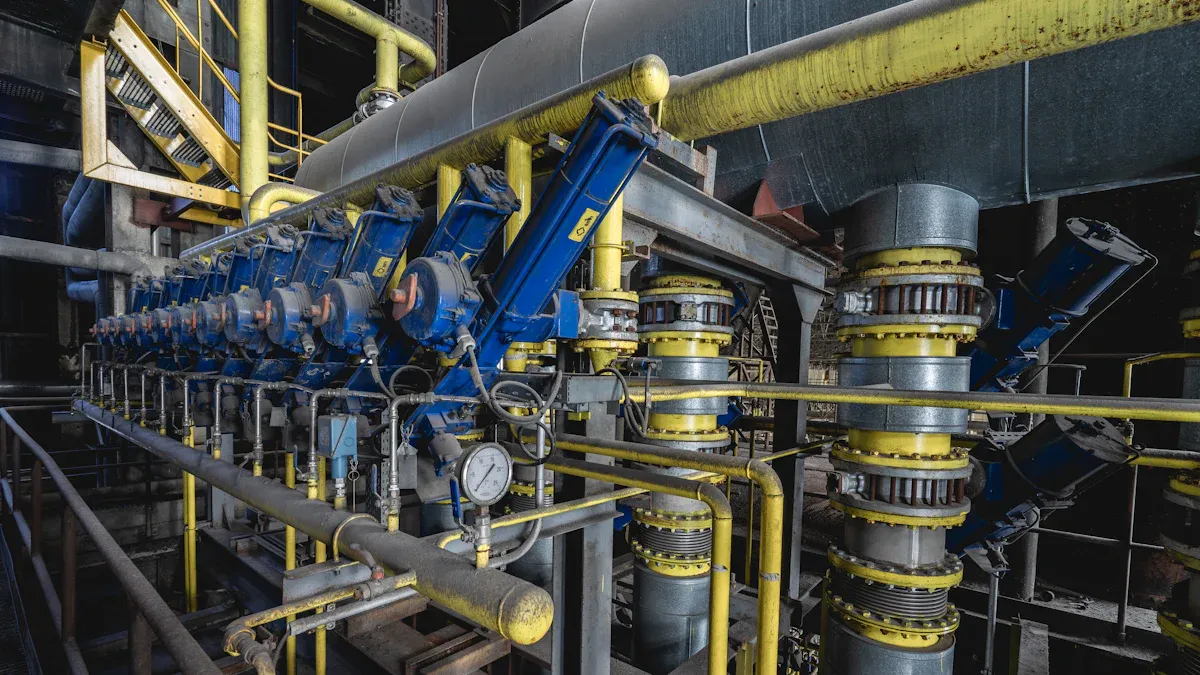
FFKM seals and chemical mechanical seals play a critical role in managing aggressive chemicals within refineries. These seals enhance operational reliability by preventing leaks and ensuring process integrity. Their unique properties allow them to withstand harsh environments, significantly reducing failure rates and enhancing safety protocols.
Key Takeaways
- FFKM seals provide exceptional chemical resistance, making them ideal for harsh refinery environments. They withstand strong acids, bases, and solvents, ensuring fewer replacements and increased uptime.
- Chemical mechanical seals minimize leakage and wear, significantly reducing maintenance costs. Their durable design allows for longer service life, leading to fewer shutdowns and improved operational efficiency.
- Combining FFKM seals with chemical mechanical seals enhances safety and performance in refineries. This synergy prevents hazardous leaks and ensures reliable sealing under extreme conditions.
Understanding FFKM Seals

Definition and Composition
FFKM seals, also known as perfluoroelastomers, represent a class of elastomers characterized by their fully fluorinated polymer backbone. This unique structure consists of carbon-fluorine (C-F) bonds, which are exceptionally strong. The absence of hydrogen atoms in FFKM differentiates it from standard fluoroelastomers, such as FKM. This distinction is crucial because it prevents degradation from oxidation or radical attack, making FFKM seals highly durable in demanding environments.
Key Properties
FFKM seals exhibit several key properties that make them ideal for use in refineries:
- Exceptional Chemical Resistance: FFKM seals resist nearly all industrial chemicals, including strong acids and bases.
- High Thermal Stability: They can operate effectively in temperatures ranging from -15°C to +327°C (5°F to 620°F).
- Longevity: FFKM seals offer an extended service life compared to other materials like FKM or EPDM, resulting in fewer replacements and reduced maintenance.
These properties enable FFKM seals to maintain sealing integrity even when exposed to harsh chemicals and elevated temperatures.
Chemical Resistance Capabilities
The chemical resistance of FFKM seals is unparalleled. They perform exceptionally well against a wide range of aggressive substances, including:
| Chemical Class | Examples | FFKM Performance |
|---|---|---|
| Strong Acids | Sulfuric, Nitric, Hydrochloric | Excellent resistance; minimal swelling or degradation |
| Strong Bases | Sodium Hydroxide, Potassium Hydroxide | Highly resistant even at elevated temperatures |
| Organic Solvents | Acetone, Toluene, THF | Superior to FKM; maintains integrity in aggressive solvents |
| Oxidizing Agents | Chlorine, Ozone, Hydrogen Peroxide | Outperforms most elastomers due to lack of reactive C-H bonds |
| Plasma & Radicals | CF₄, O₂, H₂ plasma in etching processes | Used in semiconductor tools due to low particle generation and stability |
FFKM seals maintain their integrity against strong acids, bases, and organic solvents, making them indispensable in highly corrosive environments. Their molecular stability prevents issues like swelling and cracking, which is critical in applications where chemical resistance is paramount. This characteristic positions FFKM as a superior choice compared to PTFE and other high-performance materials.
The Role of Chemical Mechanical Seals
Definition and Functionality
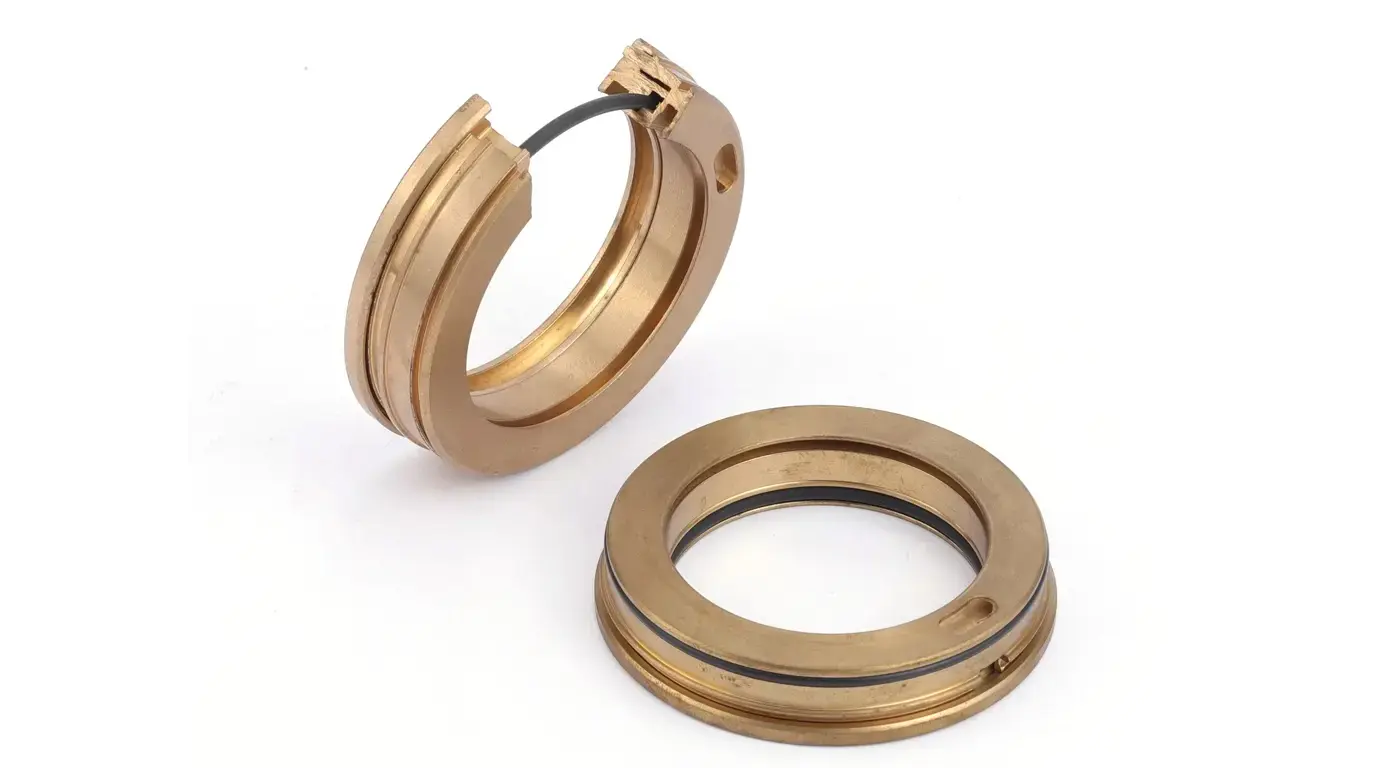
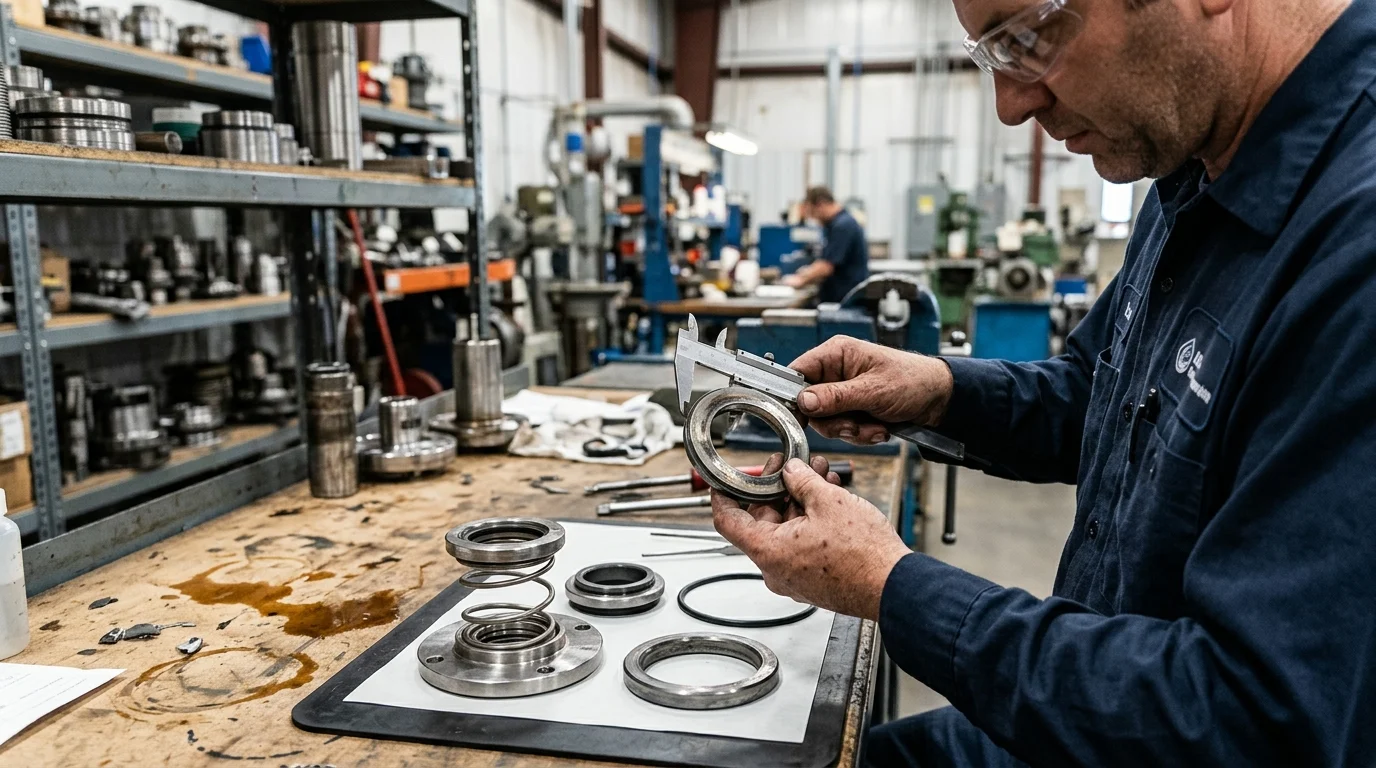
Chemical mechanical seals are critical components in various industrial applications, particularly in refineries. These seals consist of two flat faces—one rotating and one stationary—forming a seal that is lubricated by a thin film of liquid. The operational principle relies on maintaining continuous contact between the seal faces through hydraulic pressure and mechanical loading. This design minimizes leakage and wear, ensuring effective sealing under challenging conditions.
| Aspect | Description |
|---|---|
| Structure | Consists of two flat faces—one rotating and one stationary—forming a seal lubricated by a thin film of liquid. |
| Operational Principle | Maintains continuous contact between seal faces through hydraulic pressure and mechanical loading. |
| Types of Seals | Includes pusher type (using springs and O-rings) and non-pusher type (using bellows). |
| Advantages | Provides effective sealing with minimal leakage and reduced wear on the shaft. |
Advantages in Refinery Applications
Chemical mechanical seals offer numerous advantages in refinery settings. Their exceptional durability and longevity significantly reduce maintenance frequency and costs. These seals utilize advanced materials that resist wear, corrosion, and thermal degradation, ensuring a long service life. The balanced design minimizes face loading, preventing premature wear while maintaining effective sealing. Additionally, spring-loaded mechanisms automatically adjust for wear and thermal expansion, enhancing reliability.
- Reduced Maintenance: The self-contained design of these seals eliminates the need for frequent adjustments and repacking.
- Extended Service Life: Many chemical mechanical seals operate effectively for 3-5 years, reducing the frequency of maintenance shutdowns.
- Predictive Maintenance Features: Advanced seals may include temperature sensors and leak detection systems, helping identify issues before they lead to failures.
Interaction with FFKM Seals
The interaction between chemical mechanical seals and FFKM seals is crucial for optimizing performance in aggressive environments. FFKM seals provide superior chemical resistance compared to other elastomers, maintaining integrity against strong acids, concentrated bases, and various solvents. However, compatibility considerations are essential. Engineers must consult compatibility charts to ensure that the materials used in both seals do not degrade when in contact with specific fluids.
- Material Compatibility: FFKM seals are often recommended for secondary sealing elements in chemical mechanical seals due to their excellent chemical resistance.
- Performance Synergy: The combination of these seals enhances overall system reliability, reducing the risk of leaks and failures.
- Cost-Effectiveness: By integrating FFKM seals with chemical mechanical seals, refineries can achieve lower total costs of ownership through reduced maintenance needs and longer service life.
Synergy Between FFKM and Chemical Mechanical Seals
Enhanced Performance
The combination of FFKM seals and chemical mechanical seals significantly enhances performance in refinery applications. FFKM seals provide exceptional chemical resistance, while chemical mechanical seals ensure reliable sealing under varying pressures and temperatures. Together, they create a robust sealing solution that minimizes leakage and extends service life. This synergy allows refineries to operate more efficiently, reducing the risk of downtime due to seal failures.
Safety Improvements
Integrating FFKM seals with chemical mechanical seals leads to notable safety improvements. The following table outlines key features and their benefits:
| Feature | Benefit |
|---|---|
| Superior containment capabilities | Prevents hazardous fluid leakage, enhancing safety in refinery operations. |
| Exceptional chemical resistance | Protects against chemical attacks, ensuring integrity under extreme conditions. |
| Reduced maintenance requirements | Minimizes the risk of failures due to maintenance lapses, contributing to overall safety. |
| Consistent sealing performance | Maintains integrity even under thermal cycling and pressure fluctuations, preventing leaks. |
| Robust design | Reduces risk of catastrophic failures, preventing fires and explosions in refining facilities. |
These features collectively enhance operational safety, allowing refineries to manage aggressive chemicals with confidence.
Cost-Effectiveness in Operations
While FFKM seals may have a higher initial cost, their durability leads to significant long-term savings. They reduce maintenance frequency, which lowers direct spending on materials and labor. Additionally, minimizing potential revenue losses from production downtime results in a positive financial impact on operations. The integration of FFKM seals with chemical mechanical seals ultimately provides a cost-effective solution, ensuring that refineries can maintain profitability while enhancing safety and performance.
Applications in Refineries
Specific Use Cases
FFKM seals and chemical mechanical seals find extensive applications in refineries. They are commonly used in:
- Mechanical Seals: Essential for pumps and compressors, ensuring leak-free operation.
- Valves: Provide reliable sealing in high-pressure environments.
- Reactors: Maintain integrity in processes involving aggressive chemicals.
In the Oil & Gas industry, FFKM seals withstand well fluids, gases, and other harsh chemicals. For instance, the DuPont Kalrez Spectrum 6380 excels in gas sweetening processes, resisting amines and high temperatures.
Industry Examples
Several documented case studies highlight the successful implementation of FFKM and chemical mechanical seals:
| Case Study | Key Outcomes | Metrics |
|---|---|---|
| Case Study #1 | Yield Improvement | 30% decrease in unscheduled maintenance, 20% increase in production yield |
| Case Study #2 | Enhanced Cleanroom Standards | 25% improvement in overall equipment efficiency (OEE) |
| Case Study #3 | Downtime Reduction and Cost Savings | 40% reduction in downtime, annual cost savings exceeding $1.2 million, 15% inventory efficiency improvement |
These examples demonstrate the effectiveness of these seals in enhancing refinery operations.
Impact on Operational Efficiency
The integration of FFKM seals and chemical mechanical seals significantly boosts operational efficiency. The 8-1 mechanical seal, for instance, operates under extreme conditions, ensuring reliability. Its design withstands high temperatures and pressures, which are crucial for maintaining efficiency metrics. Materials like Silicon Carbide and FFKM enhance chemical compatibility and wear resistance, leading to reduced downtime and maintenance needs. This results in improved uptime and overall productivity in refinery operations.
The combination of FFKM seals and chemical mechanical seals is vital for managing aggressive chemicals in refineries. FFKM seals excel in chemical resistance and high-temperature performance, ensuring fewer replacements and increased uptime. Industry trends indicate a growing reliance on these advanced materials, driven by the need for reliability and compliance with stringent standards. star
FAQ
What are the main benefits of using FFKM seals in refineries?
FFKM seals offer exceptional chemical resistance, high thermal stability, and extended service life, making them ideal for harsh refinery environments.
How do chemical mechanical seals reduce maintenance costs?
Chemical mechanical seals minimize leakage and wear, leading to fewer maintenance interventions and lower operational costs over time.
Can FFKM seals be used in all chemical applications?
While FFKM seals excel in many applications, engineers should always consult compatibility charts to ensure suitability for specific chemicals.