Essential Tips for Choosing the Right Elastomer Seal?
When selecting the right elastomer seal, expertise is crucial. Industry expert John Smith emphasizes, "The right elastomer seal can dramatically impact system performance." This statement highlights the importance of making informed choices in seal selection.
Elastomer seals are essential in various applications, from automotive to aerospace. They help prevent leaks and ensure reliability. However, not all elastomers are created equal. Different factors, including material properties and environmental conditions, must be considered. Choosing the wrong seal can lead to costly failures. Understanding these details is vital.
Experience matters in this field. Relying on generic advice may not suffice. Seek insights from industry professionals. Their knowledge can guide you in making effective decisions. As John Smith suggests, reflect on specific needs and challenges. Each application may have unique requirements that influence the choice of elastomer seals.
Key Properties of Elastomers in Seal Applications
When selecting elastomer seals, understanding their key properties is crucial for achieving reliable performance. Elastomers are known for their elasticity and flexibility. These traits allow them to maintain a tight seal, even under varying pressure conditions. The ability to compress and recover is vital. This ensures they can adapt to different surface irregularities.
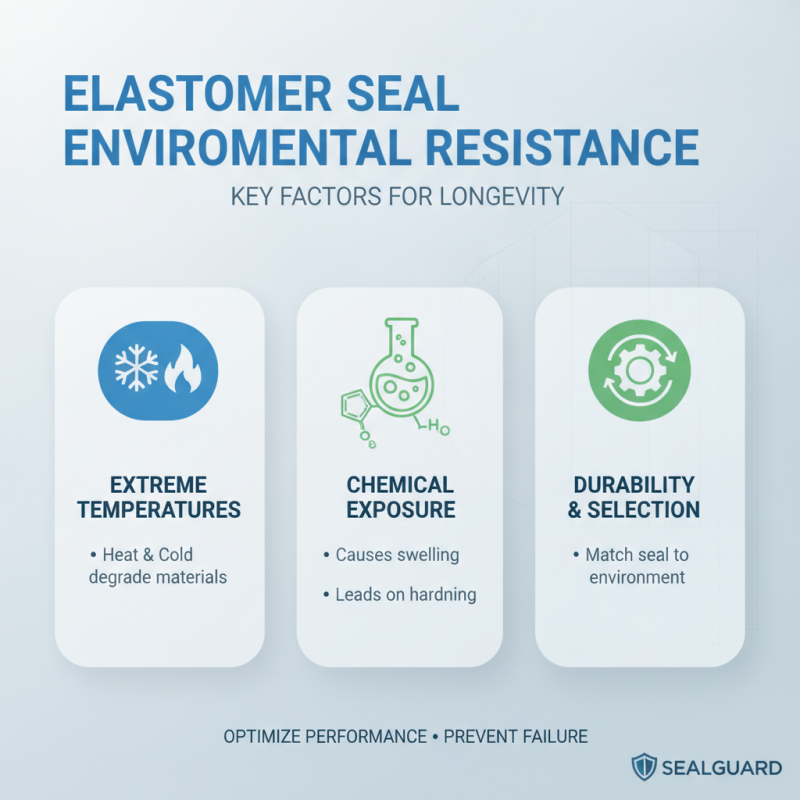
Temperature resistance is another important factor. Some elastomers can withstand extreme heat or cold. This characteristic makes them suitable for a wide range of environments. However, not all elastomers are created equal. Some may degrade quickly under UV light or harsh chemicals. It is imperative to assess the specific conditions your seals will face.
Durability also plays a critical role. A good elastomer should resist wear and tear over time. The right choice will depend on the application. There can be a temptation to opt for the cheapest option. Yet, low-cost materials may lead to failures. Identifying the proper balance of cost, quality, and application needs is essential for long-term success.
Evaluating the Temperature and Pressure Ratings of Elastomer Seals
When selecting elastomer seals, understanding temperature and pressure ratings is crucial. Each elastomer material has specific thresholds it can withstand. For example, silicone seals generally perform well at temperatures up to 200°C, while fluorocarbon seals can endure extreme temperatures near 250°C. Choosing the wrong material can lead to seal failure, leaks, or equipment damage.
Consider the working conditions of your application. High-pressure environments may require stronger, more resilient elastomers. For instance, reports indicate that seals exposed to pressures exceeding 1000 psi can significantly affect longevity. It’s essential to match the seal's pressure rating with the application’s demands.
**Tip:** Always review manufacturer datasheets for precise temperature and pressure ratings.
Failure to do so can lead to increased operational costs. Regular checks can detect potential issues before they escalate.
**Tip:** Keep a record of performance history to improve future seal selections.
Analytics show that more than 30% of seal failures result from improper material specifications. Careful evaluation can mitigate risks and enhance system reliability.
Temperature and Pressure Ratings of Different Elastomer Seals
This chart displays the temperature range and pressure ratings of various elastomer seals, helping to assess their suitability for specific applications.
The Role of Shore Hardness in Seal Performance and Longevity
Selecting the right elastomer seal is critical for performance and longevity. Shore hardness plays a key role in determining how well a seal functions under different conditions. Shore hardness measures a material's resistance to indentation, showing how hard or soft it is. This rating affects flexibility, compression, and overall durability.
Choosing a seal with the correct Shore hardness can prevent potential issues. Too hard a seal might crack or fail under pressure. Conversely, if the seal is too soft, it could deform and lose its sealing properties quickly. Balancing these factors requires careful consideration of the specific application. Environmental conditions, temperature variations, and exposure to chemicals must also be contemplated.
Experience shows that misunderstandings about hardness can lead to costly mistakes. Users often overlook how hardness interacts with sealing conditions. A seal that appears adequate may not perform well when actually put to the test. Testing various hardness levels in real-world scenarios can provide insight. Adjusting hardness based on specific requirements can enhance the performance and lifespan of elastomer seals.
Essential Tips for Choosing the Right Elastomer Seal
| Seal Type |
Shore Hardness (A) |
Temperature Resistance (°C) |
Chemical Resistance |
Common Applications |
| Nitrile (NBR) |
70 |
-40 to 100 |
Oil, Fuel |
Automotive, Aerospace |
| Fluoroelastomer (FKM) |
75 |
-20 to 200 |
High Temp, Chemicals |
Oil & Gas, Chemical Processing |
| Silicone (VMQ) |
60 |
-60 to 200 |
Limited |
Food, Medical |
| Ethylene Propylene Diene Monomer (EPDM) |
70 |
-40 to 150 |
Weather, Ozone |
Automotive, Roofing |
| Polyurethane (PU) |
85 |
-30 to 80 |
Oil, Abrasion |
Industrial, Aerospace |
Comparing Cost-Effectiveness of Various Elastomer Materials
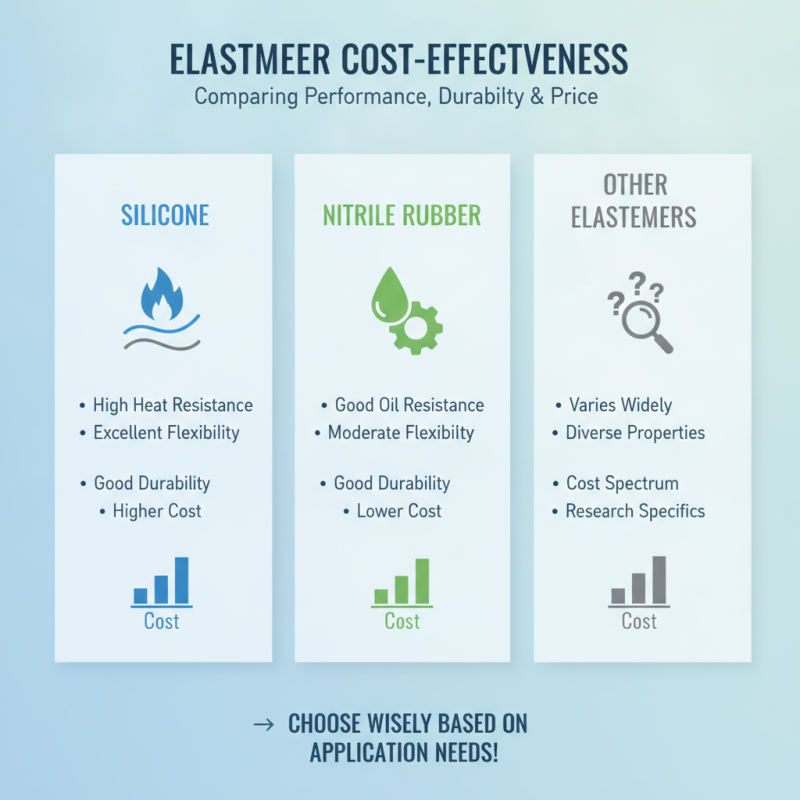
When evaluating elastomer materials, cost-effectiveness is key. Different elastomers provide varied performance, durability, and prices. Silicone, for example, is widely known for its heat resistance and flexibility. However, it may not always be the most affordable choice. Nitrile rubber offers good oil resistance and lower costs, making it a compelling alternative for many applications.
Material performance should align with project requirements. Some elastomers may have a lower initial cost but result in higher long-term expenses due to frequent replacements. It’s crucial to consider the lifecycle of each elastomer. For example, while EPDM rubber is generally cost-effective, it could degrade faster in certain environments, leading to unexpected costs.
Making informed decisions requires balancing upfront costs with long-term performance. Always review technical specifications and applications to ensure the right fit. In many cases, a slightly higher initial investment in a more durable elastomer could save money in the long run. Reflection on your specific needs will guide these choices.