2026 How to Choose the Right Elastomer Seal for Your Application?
Choosing the right elastomer seal for your application is critical. The elastomer seal market is projected to grow significantly. According to a recent report by Market Research Future, the global elastomer seal industry is expected to reach $34 billion by 2027, growing at a CAGR of 5.4%. This growth highlights the importance of understanding the various options available. Selecting the wrong seal can lead to leaks, equipment failures, and costly downtime.
Elastomer seals come in various materials, each with unique properties. Factors to consider include temperature resistance, chemical compatibility, and mechanical properties. Reports by industry leaders emphasize that nearly 40% of seal failures stem from improper material selection. Therefore, a thorough understanding of elastomer performance is essential. Not every elastomer seal is suitable for every application. A common misstep is overlooking environmental conditions.
The choice of elastomer seal affects overall equipment efficiency. Engineers and operators must weigh the advantages and disadvantages of each option. Inefficient seals can result in significant operational costs. As the demand for reliable and durable seals continues to rise, selecting the right elastomer seal becomes more crucial than ever. Understanding your application requirements is the first step toward effective sealing solutions.

Understanding Elastomer Seal Types and Their Properties
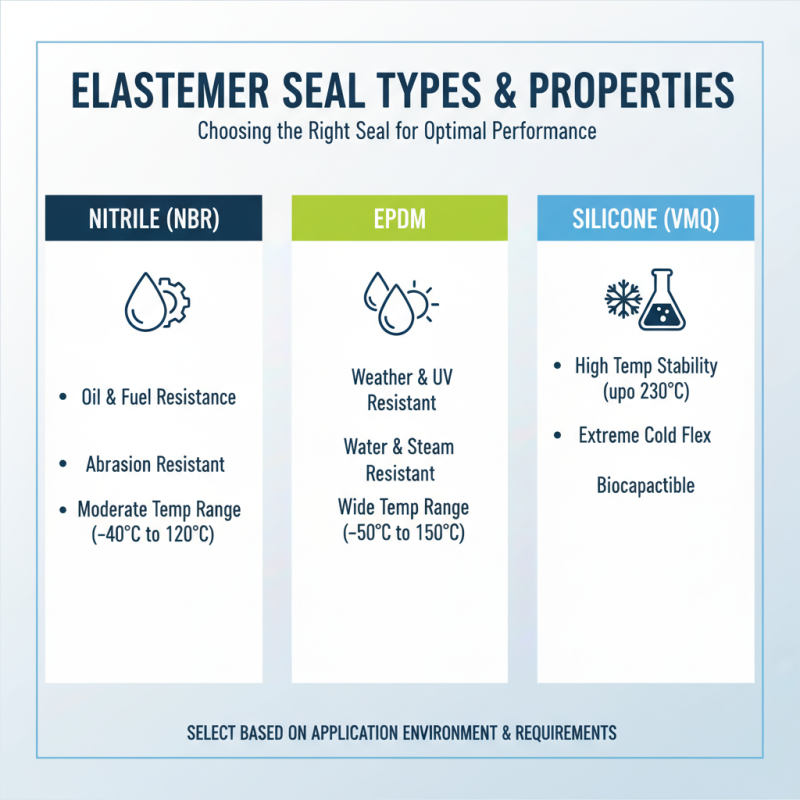
Choosing the right elastomer seal is crucial for various applications. Understanding different elastomer seal types helps ensure optimal performance. Common elastomers include Nitrile, EPDM, and Silicone. Each type has unique properties that suit specific environments and requirements.
Nitrile seals excel in oil resistance but can struggle in extreme temperatures. EPDM seals perform well against aging and weathering. They thrive in outdoor applications. Silicone seals are known for their flexibility, making them ideal for high-temperature applications. However, they may not resist certain chemicals.
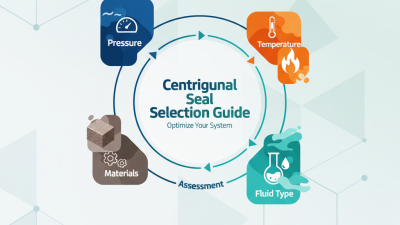
When selecting a seal, consider the operating conditions. Temperature, pressure, and chemical exposure should all influence your choice. Testing the seal in real-world conditions often reveals unforeseen challenges. Regularly evaluating the performance of seals can lead to better decisions in future applications. Understanding these nuances can significantly impact the efficiency and longevity of your equipment.
Key Factors Influencing Elastomer Seal Selection for Applications
When selecting elastomer seals, several key factors come into play. Temperature resistance is critical. Most elastomers function optimally between -40°C and 200°C. Understanding the operating temperature range is essential. A mismatch here can lead to seal degradation and failures.
Chemical compatibility is another vital consideration. A report from the Elastomer Research Group highlights that 70% of elastomer failures stem from chemical exposure. It's crucial to analyze the environment in which the seal will work. Are there oils, fuels, or acids present? The right material can prevent costly downtime.
Mechanical properties also matter. The seal must withstand pressure and dynamic loads. According to industry standards, seals must ensure at least 1.5 times the working pressure for safety. Improper selection could lead to catastrophic system failures. Evaluating material hardness and tensile strength helps differentiate suitable options. Regular reviews of seal performance data can guide improvements over time.
Industry Standards and Testing Methods for Elastomer Seals
Selecting the right elastomer seal requires a thorough understanding of industry standards and testing methods. Various organizations set these standards, ensuring seals meet specific performance criteria. Common standards include ASTM and ISO, which guide manufacturers on material selection and seal design.
Testing methods vary widely and depend on the application. For instance, compatibility tests assess how elastomers react with different fluids. Compression set tests measure the seal's ability to return to its original shape after being compressed. It's crucial to look for seals that have passed rigorous testing. Yet, relying solely on these standards may overlook real-world performance challenges.
A seal that meets all criteria in a lab might fail in the field. Environmental factors can influence performance. Therefore, it’s essential to continuously review and improve seal selection processes. Engaging with experts in material science may provide insights that standard tests cannot reveal. Properly chosen elastomer seals can greatly enhance equipment lifespan and reliability.
Economic Considerations in Choosing Elastomer Seals for Projects
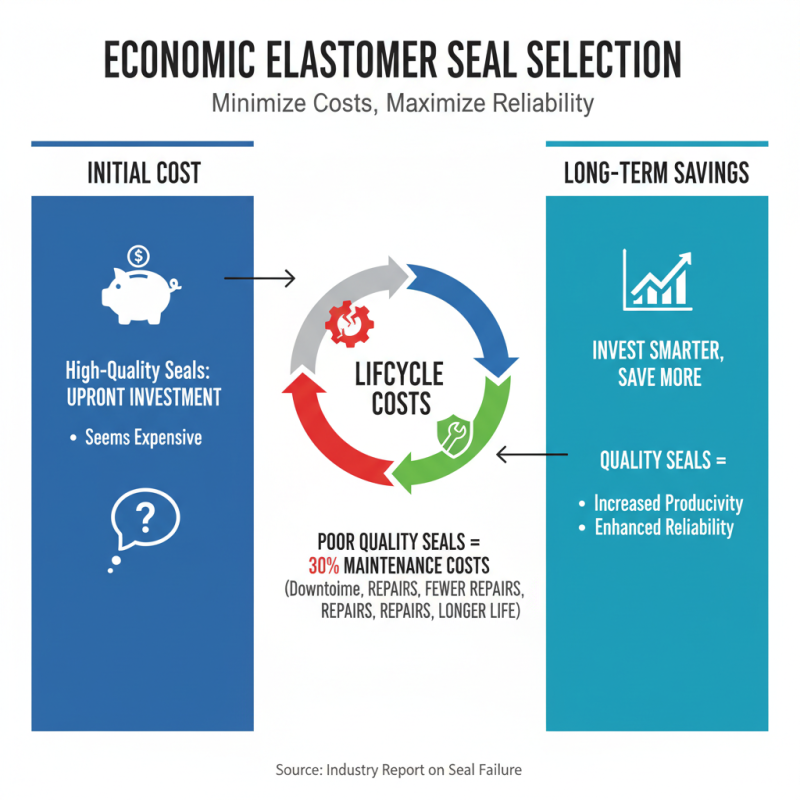
When selecting elastomer seals for various projects, economic considerations play a crucial role. Understanding the lifecycle costs is essential. According to a recent industry report, seal failure can lead to 30% of total maintenance costs in industrial applications. Investing in high-quality elastomer seals may seem expensive initially, but it can minimize downtimes and avoid costly repairs.
A study highlighted that a project's total operating expenses can decrease by up to 20% when high-performance seals are utilized. These seals often provide better resistance to chemicals and temperature extremes. However, careful choice is needed. Some elastomers may not perform well under specific conditions. It’s important to analyze the specific needs of each application accurately.
Additionally, procurement strategies can impact project budgets significantly. Often, companies may choose cheaper options, which can backfire later. It’s vital to balance cost with quality. The failure rates of low-quality seals can reach alarming levels, causing unforeseen delays. In many cases, it’s worth investing in reliable options to ensure the long-term success and reliability of projects.
Future Trends in Elastomer Seal Technology and Materials
The landscape of elastomer seal technology is evolving rapidly. New materials are being developed to enhance performance and durability. These advancements stem from increased industrial demands for better sealing solutions. Emerging trends now focus on sustainability. Manufacturers are exploring bio-based elastomers. These materials reduce environmental impact while maintaining quality.
Another significant trend is the rise of smart seals. These seals have embedded sensors. They monitor conditions in real-time, providing valuable data. This technology helps in predictive maintenance. It reduces downtime and enhances efficiency.
However, integrating new technologies poses challenges. There is a learning curve associated with smart seals. Additionally, businesses must balance cost and innovation. Adopting the latest materials often requires initial investment. Industries will need to assess their long-term benefits. This reflection is crucial in choosing the right seal for future applications.
2026 How to Choose the Right Elastomer Seal for Your Application?