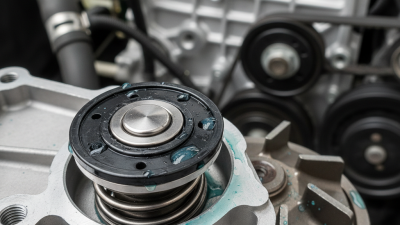
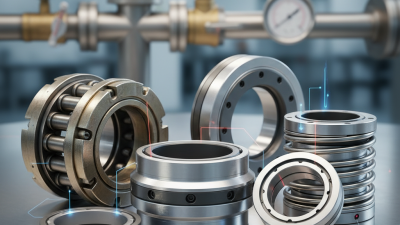
Why is Cartridge Seal Important in Modern Manufacturing Processes?
In modern manufacturing processes, the role of the Cartridge Seal is paramount. Experts emphasize its importance for operational efficiency and equipment longevity. John Smith, a renowned industry specialist, states, "A robust Cartridge Seal determines the reliability of machinery." His insights highlight a critical aspect of manufacturing.
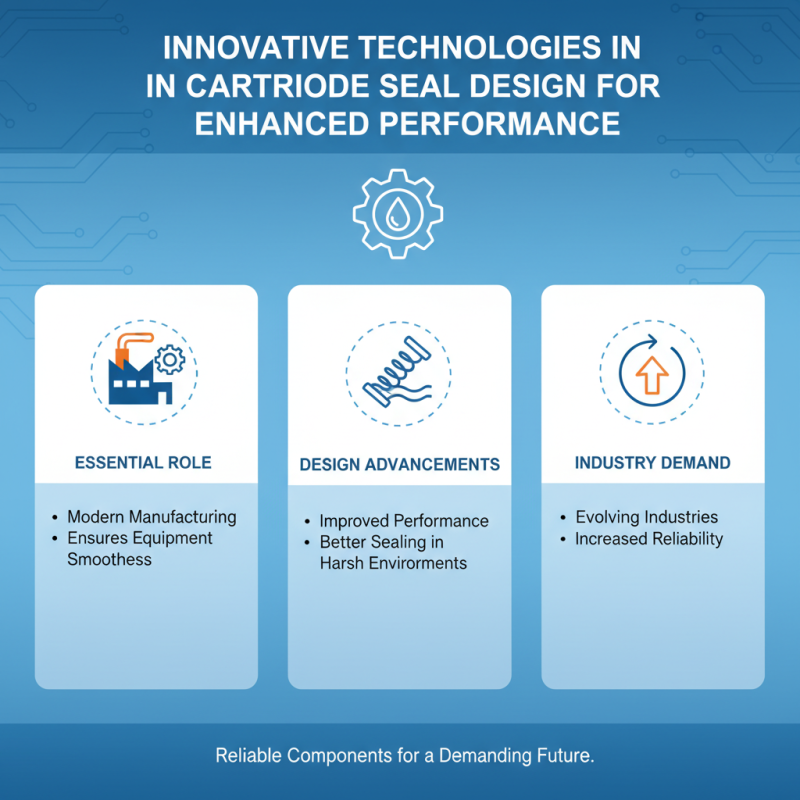
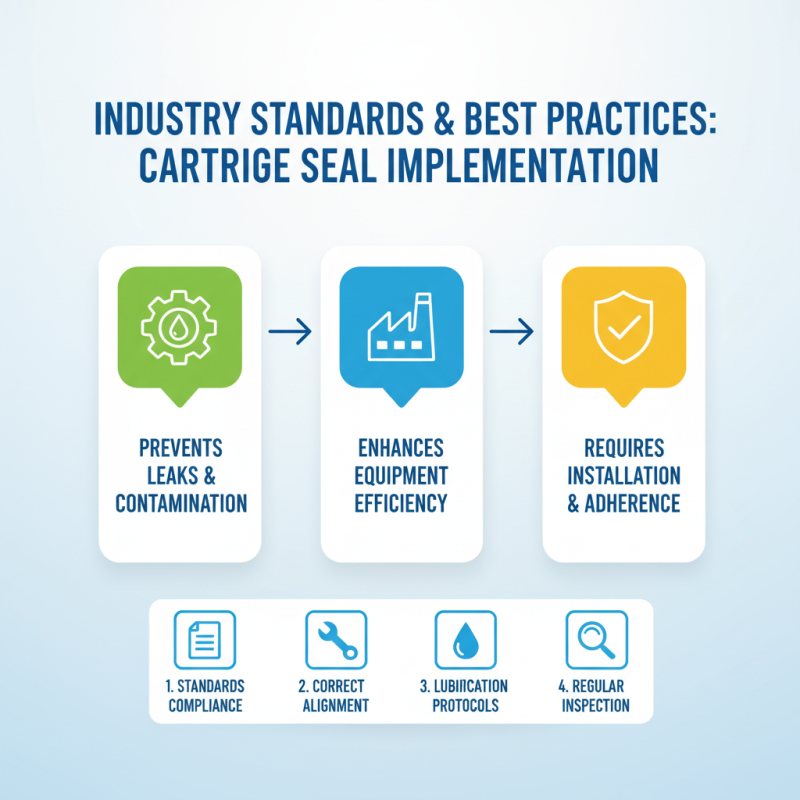
Cartridge Seals are essential components that prevent leaks and contamination. They provide an effective solution in various industries. When machinery operates, even a minor failure can lead to significant operational disruptions. For instance, a faulty seal can result in costly downtimes.
Yet, not all Cartridge Seals are created equal. Understanding the specific needs of your application is crucial. Manufacturers often overlook this aspect, leading to suboptimal performance. Investing in the right Cartridge Seal improves reliability but requires careful consideration of specifications and environmental factors. An informed choice can elevate production standards significantly.
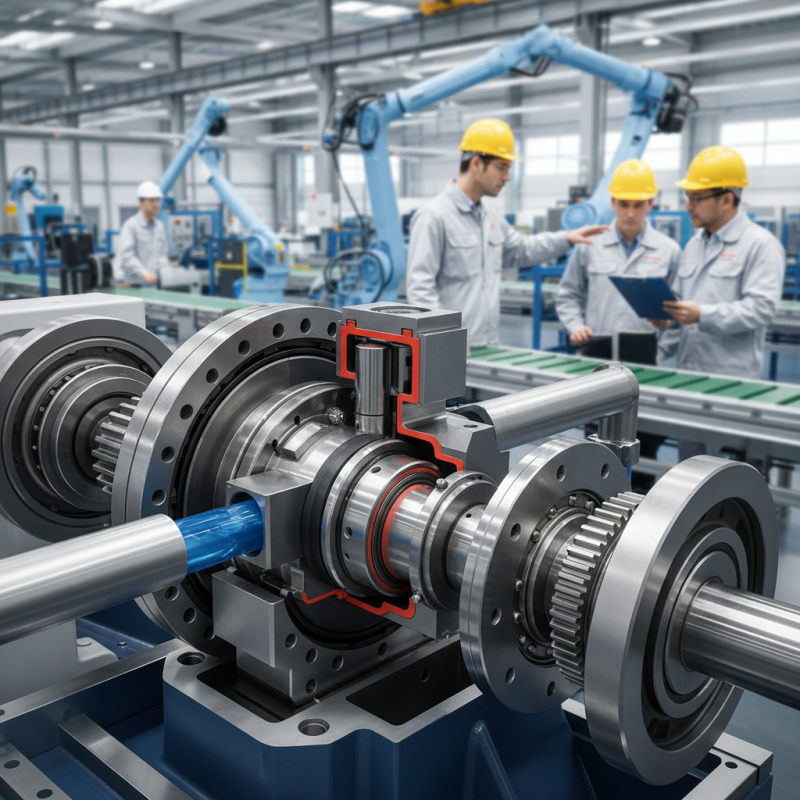
Importance of Cartridge Seals in Reducing Manufacturing Downtime
Cartridge seals play a critical role in modern manufacturing. They help prevent leaks and protect equipment. This results in significant reductions in downtime. According to industry reports, machinery leaks can lead to maintenance costs of up to 25% of total operational expenses. Minimizing these leaks boosts efficiency and prolongs equipment lifespan.
Implementing cartridge seals can reduce downtime related to repairs and maintenance by approximately 30%. A study highlighted that companies experience about 20% less unexpected stoppages due to seal failures when using advanced sealing technology. Such reliability is essential in high-demand sectors like food production and pharmaceuticals.
However, not all cartridge seals are created equal. Understanding the specific requirements of each application is vital. Improper selection can lead to more leaks or faster wear. Regular training for staff on maintenance best practices is equally important; ignoring this can minimize the benefits of using seals. Therefore, ongoing assessment and adaptation are key in ensuring long-term success in reducing downtime through effective sealing solutions.
Impact of Cartridge Seals on Product Quality and Consistency
Cartridge seals play a critical role in maintaining product quality in modern manufacturing. According to a report by the Manufacturing Institute, manufacturers face an estimated $500 billion loss annually due to equipment failures. Cartridge seals help mitigate this issue by providing reliable sealing solutions that reduce contamination and prevent leaks.
In industries such as pharmaceuticals and food processing, the consistency of product output is paramount. A study from the International Society for Pharmaceutical Engineering indicates that up to 70% of product recalls are linked to contamination issues. By using cartridge seals, manufacturers can enhance hygienic conditions, thus significantly lowering the risk of contamination.
Despite their advantages, not all cartridge seals are created equal. Some may wear out faster, leading to unexpected downtime. Manufacturers should regularly evaluate their sealing systems for wear and functionality. This ongoing assessment contributes to a more dependable production process and ultimately affects product quality. The integration of advanced materials and designs offers promising solutions, but reliance on outdated or subpar seals can have serious repercussions.
Impact of Cartridge Seals on Product Quality and Consistency
Cost-Benefit Analysis: Cartridge Seals vs. Traditional Sealing Methods
In modern manufacturing, choosing the right sealing method can profoundly impact efficiency and cost.
Cartridge seals offer distinct advantages over traditional sealing methods. For instance, they typically require less maintenance. Their design simplifies installation and reduces error during replacement.
Cost-benefit analysis reveals that cartridge seals often lead to lower long-term operational costs. They minimize downtime, enhancing productivity. If a traditional seal fails, it may cause production halts. That could lead to significant losses, both in time and resources.
However, not all situations favor cartridge seals. There are initial costs involved. This factor may discourage small manufacturers. Price-sensitive contexts call for careful consideration of investment vs. return. Ultimately, the choice should align with each manufacturer’s specific needs and operational goals.