2026 Top Elastomer Seal Solutions for Global Buyers?
The demand for high-quality Elastomer Seal solutions is on the rise. As industries evolve, manufacturers are increasingly seeking durable and efficient sealing mechanisms. Elastomer seals are vital for preventing leakage in various applications, from automotive to aerospace.
In 2026, buyers will prioritize suppliers with proven expertise and quality. Top elastomer seal solutions must demonstrate reliability and performance. Factors such as temperature resistance and chemical compatibility will be critical. Buyers need to understand how these elements impact overall system efficiency.
Exploring the latest advancements in elastomer technology can lead to improved outcomes. Some options may not meet expectations, highlighting the importance of careful selection. In this landscape, knowledge and informed decision-making are essential. High-quality elastomer seals can significantly influence operational success and sustainability.
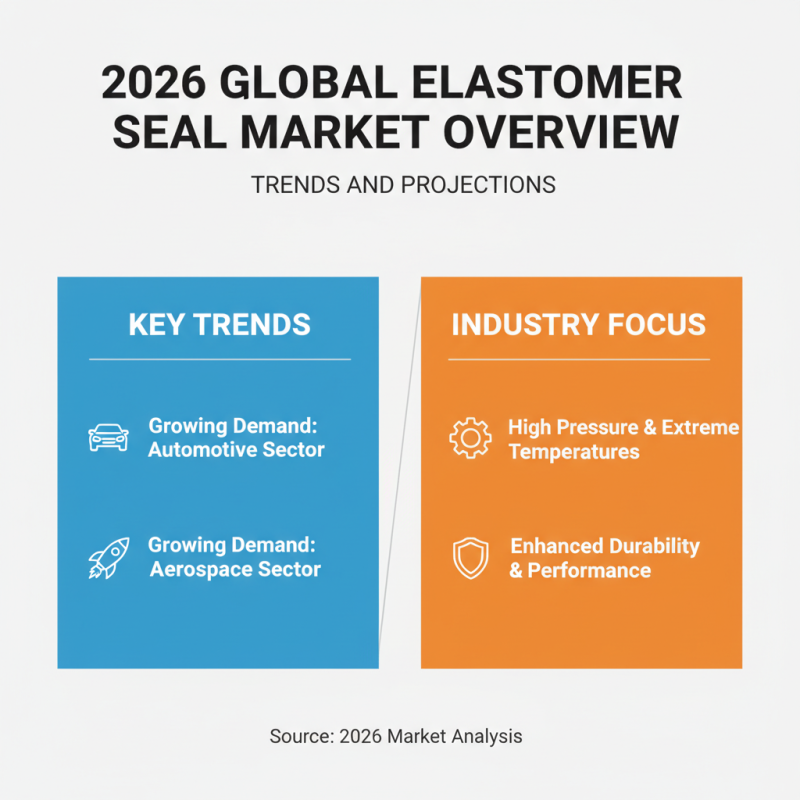
2026 Global Elastomer Seal Market Overview: Trends and Projections
The global elastomer seal market is evolving rapidly. Key trends indicate growing demand in automotive and aerospace sectors. These industries require seals that can withstand high pressure and extreme temperatures. The focus is on enhancing durability and performance.
Sustainability plays a critical role. Many manufacturers are shifting to eco-friendly materials. Buyers are increasingly attentive to environmental impacts. This trend affects purchasing decisions significantly. The market shows a shift towards innovative solutions that combine functionality and sustainability.
Tips: Always consider the specifications of elastomer seals before purchasing. The right seal can enhance effectiveness and minimize risks. Research different materials and their applications. Higher quality seals often lead to reduced maintenance costs in the long run. Engage with industry experts to make informed choices. Understanding market trends helps in choosing the best solutions.
Key Elastomers Used in Seal Manufacturing: Material Comparisons
Elastomer seals play a crucial role in various industries. They provide insulation and prevent leakage in machinery. Common materials include silicone, nitrile, and fluorocarbon. Each material offers unique properties that cater to specific applications.
Silicone elastomers are known for their heat resistance. They can endure extreme temperatures without losing flexibility. This makes them ideal for high-temperature environments. However, they may not perform well in certain oil applications. Nitrile, on the other hand, excels in oil resistance. It is often used in automotive and industrial settings. Yet, it may degrade under extreme heat.
Fluorocarbon elastomers are another option. They offer excellent chemical resistance and durability. These seals are suited for more aggressive environments. However, they tend to be more expensive. Understanding these materials is essential for making informed choices. The right elastomer can significantly impact performance and longevity. Choosing the wrong type may lead to unexpected failures and costs. Balancing cost and performance is always a challenge in seal manufacturing.
2026 Top Elastomer Seal Solutions for Global Buyers
| Elastomer Type |
Temperature Resistance (°C) |
Chemical Resistance |
Typical Applications |
Durability |
| Nitrile Rubber (NBR) |
-40 to 120 |
Good, especially for oils |
Automotive seals, fuel systems |
Moderate |
| Fluoroelastomer (FKM) |
-20 to 250 |
Excellent, resistant to acids and solvents |
Chemical processing, aerospace applications |
High |
| Silicone Rubber (VMQ) |
-55 to 200 |
Good, but less effective against oils |
Medical devices, food processing |
High |
| Polyurethane (PU) |
-30 to 80 |
Good for many chemicals |
Hydraulic seals, industrial applications |
Moderate |
| Ethylene Propylene Diene Monomer (EPDM) |
-50 to 150 |
Excellent, resistant to weather and ozone |
Roofing membranes, automotive seals |
High |
Major Applications of Elastomer Seals in Industries: Insights and Statistics
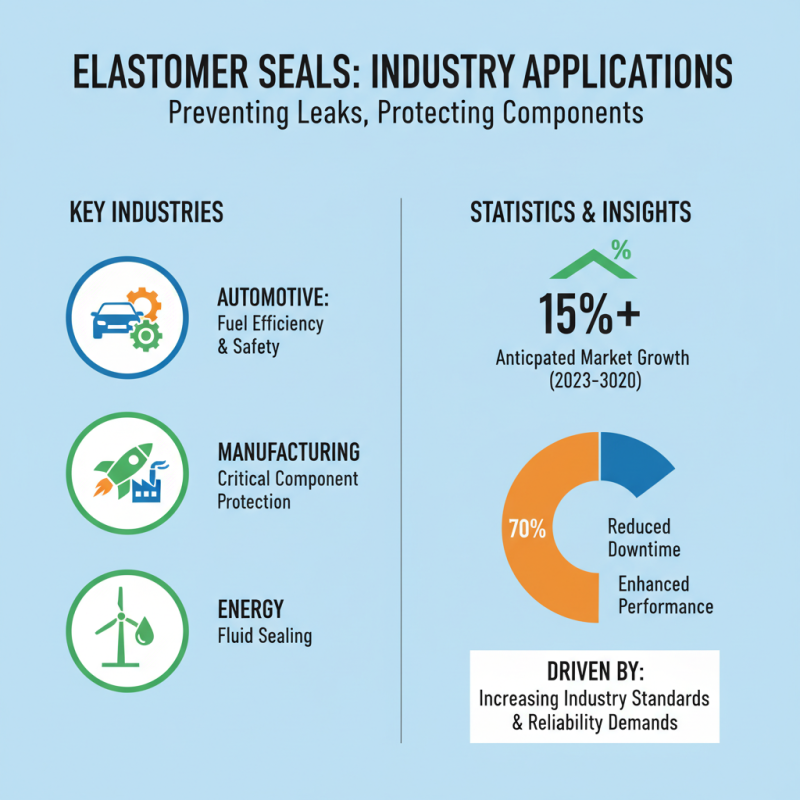
In various industries, elastomer seals play a vital role. They prevent leaks and protect sensitive components. From automotive to aerospace, their applications are diverse. For example, in the automotive sector, seals ensure fuel efficiency and safety. The demand for reliable seals is increasing significantly due to growing industry standards.
Elastomer seals also find applications in the food and beverage industry. They ensure safety and hygiene in processing equipment. Effective seals prevent contamination, which is crucial for maintaining product integrity. The statistics show a rise in demand, reflecting heightened awareness of consumer health.
However, relying solely on elastomer seals can pose challenges. Factors like temperature fluctuations and chemical exposure can impact their longevity. Ongoing research is essential to address these weaknesses. Industry professionals must remain vigilant and adapt to evolving needs. Continuous improvement will enhance reliability in applications across different sectors.
Top Manufacturers in the Elastomer Seal Industry: Market Share Analysis
The elastomer seal industry is witnessing significant growth as global demand for reliable sealing solutions rises. According to a recent market analysis report, the elastomer seal market is projected to reach approximately $14 billion by 2025, with a compound annual growth rate (CAGR) of about 4.8%. This surge is driven by expanding applications in automotive, aerospace, and oil and gas sectors.
Key manufacturers dominate with substantial market shares, yet competition is growing.
Market share analysis reveals that top players hold approximately 60% of the total market. This concentration highlights the importance of evaluating supplier reliability and innovation. Emerging companies introduce novel materials, enhancing resilience and performance. Buyers should assess these advancements to improve operational efficiency.
Tip: When selecting elastomer seals, consider factors such as temperature resistance and chemical compatibility. These properties dictate seal longevity and effectiveness.
Additionally, industry challenges persist. Some manufacturers struggle to maintain quality standards amidst rising raw material costs. Buyers should remain vigilant about fluctuations in supply chains affecting price stability.
Tip: Regularly review supplier performance and product reviews to ensure compliance with industry standards.
Sustainability Trends in Elastomer Seal Solutions: Innovations and Challenges
Sustainability in elastomer seal solutions has gained momentum as industries push for greener alternatives. A recent report from the Global Markets Insights estimates that the global elastomer market will reach $35 billion by 2026. Innovations are focusing on bio-based materials and recyclable components, which reflect the growing demand for sustainable practices. However, the transition to these materials presents challenges. Suppliers often face hurdles like cost and performance expectations.
One major trend is the rise of circular economy initiatives. These initiatives promote the recycling of used elastomer seals, reducing waste. Companies are investing in research to improve the durability and lifespan of seals, which can ultimately lower the environmental impact. Still, not all elastomer solutions meet these sustainability goals perfectly, raising questions about performance versus eco-friendliness. The data from the International Rubber Study Group shows that up to 30% of elastomer products still contain synthetic materials, which poses a challenge for full adoption.
Tips for buyers: Prioritize suppliers that showcase their sustainability practices. Look for certifications or partnerships that reflect a commitment to eco-friendly processes. Consider the total lifecycle of elastomer seals in your projects. Performance should not overlook the sustainability aspect, but both are essential for future solutions.
Sustainability Trends in Elastomer Seal Solutions: Innovations and Challenges