What is Seal Components and Their Importance in Various Industries?
Seal components are crucial elements used across various industries. They ensure effective sealing in systems, preventing leaks and contamination. From automotive to aerospace, these components play a vital role in enhancing performance and safety. Understanding their significance leads to better product reliability.
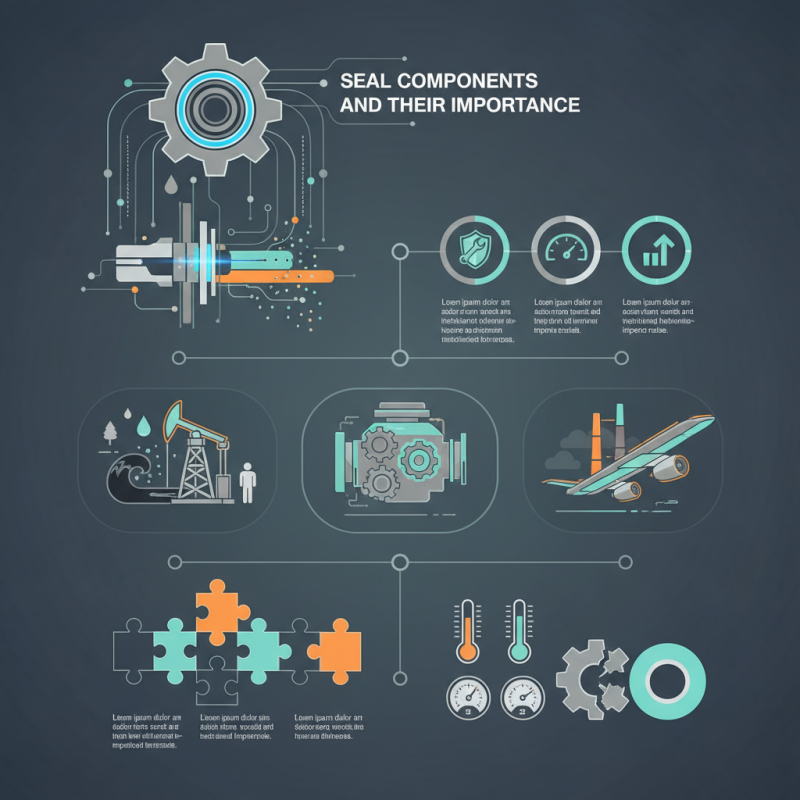
Industries rely on seal components for effective operations. These parts contribute to the longevity of machinery and systems. For instance, in the oil and gas sector, they prevent spills, protecting both workers and the environment. However, not all seals perform equally well. Materials and designs can vary.
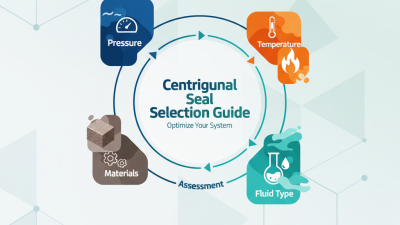
Choosing the right seal components requires knowledge and expertise. Users must assess conditions like temperature and pressure. Mistakes in selection can lead to failures. This can result in costly repairs or safety hazards. Thus, understanding seal components is essential for industry professionals. It's more than just a technical choice; it impacts overall efficiency and safety.
What are Seal Components?
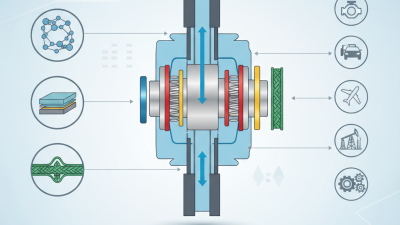
Seal components are vital in many industries, including automotive, aerospace, and manufacturing. These parts prevent leaks and protect sensitive machinery from external contaminants. They come in various materials, such as rubber, silicone, and metal, each chosen for specific applications. The proper selection ensures longevity and efficiency.
In automotive applications, seals keep oil and coolant contained. A faulty seal can lead to engine failure. In the aerospace field, seals maintain cabin pressure and prevent fuel leaks. Here, quality and reliability are non-negotiable. The errors in choosing the right seal can result in catastrophic failures.
Manufacturers face challenges in seal components. Not all seals fit perfectly, leading to performance issues. Testing these components is crucial to ensure they meet industry standards. Engineers often discuss their failures in workshops, learning from past mistakes. This reflection helps in creating better designs for the future.
Types of Seal Components Used in Industries
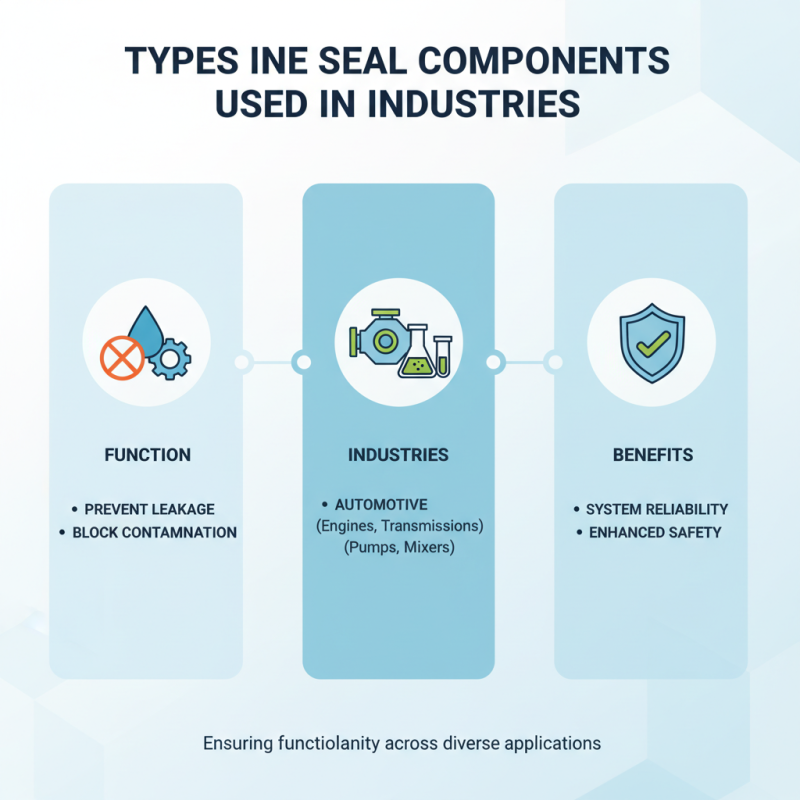
Seal components are vital in many industries. These components help to prevent leakage, contamination, and failures in various systems. Their applications range from automotive engines to pharmaceuticals. The right seals ensure functionality and safety.
Common seal types include O-rings, gaskets, and lip seals. O-rings are widely used due to their simple design. They can fit into small spaces and provide an effective seal against fluids. Gaskets are essential in larger assemblies. They create a barrier between two surfaces, often in engines or piping systems. Lip seals are used to protect moving parts from dirt and moisture.
Choosing the right seal is not always straightforward. Factors like material, temperature, and pressure influence performance. Improper selection can lead to costly failures. Regular inspections can help identify wear and tear. Industries must prioritize the right components to maintain safety. Understanding seal types is crucial for efficient operation.
Key Functions of Seal Components in Mechanical Systems
Seal components play a vital role in mechanical systems. They prevent leaks and contamination, ensuring efficient operation. In industries like automotive and manufacturing, seals reduce friction and wear. According to Market Research Future, the global sealing solutions market is expected to reach $40 billion by 2025, underscoring their significance.
A key function of seals is to maintain fluid integrity. Hydraulic systems rely on seals to contain fluids under pressure. This containment minimizes the risk of downtime and costly repairs. Regular inspections are crucial for identifying wear before it leads to failure.
Tips: Always monitor seal performance. Replace worn seals promptly to avoid larger issues. Select appropriate materials based on temperature and chemical exposure. While seals are often overlooked, their failure can disrupt operations. Prioritizing seal maintenance will enhance system reliability and longevity.
Importance of Seal Components in Preventing Leaks and Contamination
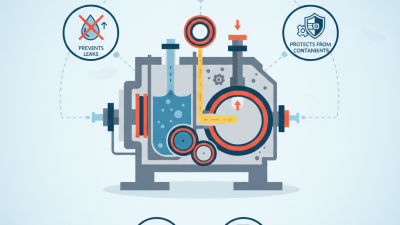
Seal components play a crucial role in various industries by preventing leaks and contamination. These components include gaskets, O-rings, and seals, which help maintain the integrity of machinery and systems. When used correctly, they ensure that fluids remain contained, limiting the risk of spills. A single failure in a seal can lead to leaks, potentially causing environmental damage and safety hazards.
In industries like oil and gas, the stakes are high. A leak can not only disrupt operations but also pose a serious threat to ecosystems. Manufacturing sectors rely heavily on seal components to keep equipment running smoothly. Even small defects in seals can compromise performance, leading to costly downtimes. It is essential for engineers to regularly assess and replace seals to avoid unexpected failures.
Training and knowledge are vital for those working with seal components. Understanding the material properties and proper installation techniques can mitigate risks. However, even the best-trained professionals can face challenges. Sometimes, unexpected conditions can lead to premature wear or failure. Continuous improvement and learning from past errors are key to enhancing seal reliability across industries.
Applications of Seal Components Across Different Industries
Seal components play a crucial role in multiple industries, ensuring safety and efficiency. In the automotive sector, these seals prevent fluid leaks and maintain pressure in engines. They are vital in keeping components lubricated, which in turn enhances vehicle longevity. However, improper sealing can lead to catastrophic failures. The need for skilled craftsmanship in seal production is clear.
In the food and beverage industry, hygiene is paramount. Here, seal components protect products from contamination. They ensure that food remains fresh and safe for consumption. However, if these seals degrade or fail, the consequences can be severe. Companies must conduct regular inspections to prevent potential hazards.
In the aerospace sector, seals prevent air and fluid loss, maintaining cabin pressure and ensuring safety. The extreme conditions faced in flight put a lot of stress on these components. Innovative materials and designs are constantly being explored to enhance their performance. Nevertheless, there is always room for improvement, and the quest for better solutions remains a challenge.
What is Seal Components and Their Importance in Various Industries? - Applications of Seal Components Across Different Industries
| Industry |
Types of Seal Components |
Applications |
Importance |
| Automotive |
O-rings, Gaskets |
Engines, Transmissions |
Prevent oil and fluid leaks, enhance engine performance |
| Aerospace |
Seals, Gaskets |
Fuel systems, Hydraulic systems |
Ensure safety and reliability in high-pressure environments |
| Manufacturing |
Rotary Seals, Lip Seals |
Machinery, Processing Equipment |
Minimize contamination and maintain equipment efficiency |
| Oil and Gas |
Static Seals, Dynamic Seals |
Pipelines, Pumps |
Prevent leakage of hazardous materials, ensure compliance |
| Pharmaceutical |
Thermal Seals, Membrane Seals |
Processing Equipment, Packaging |
Ensure sterility and safety of pharmaceutical products |