How to Choose the Best Double Seals for Your Needs?
When selecting double seals, understanding their importance is crucial. Renowned industry expert Dr. Emily Black, a leading authority on sealing solutions, once stated, "Choosing the right double seals is essential for preventing leaks and enhancing product longevity." This emphasizes the value of making an informed decision in the double seals market.
Double seals are not just simple components; they play a vital role in various applications, from industrial machines to consumer products. A poorly chosen seal can lead to costly failures or maintenance issues. There are numerous types and materials available, each with unique features tailored for specific environments.
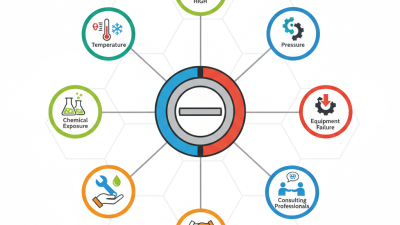
Many users overlook the technical specifications when selecting double seals, risking subpar performance. Reflecting on your needs and usage scenarios is essential. Considerations such as temperature, pressure, and exposure to chemicals will greatly influence your decision. It's often where individuals make mistakes—neglecting these critical factors can lead to regrets down the line.
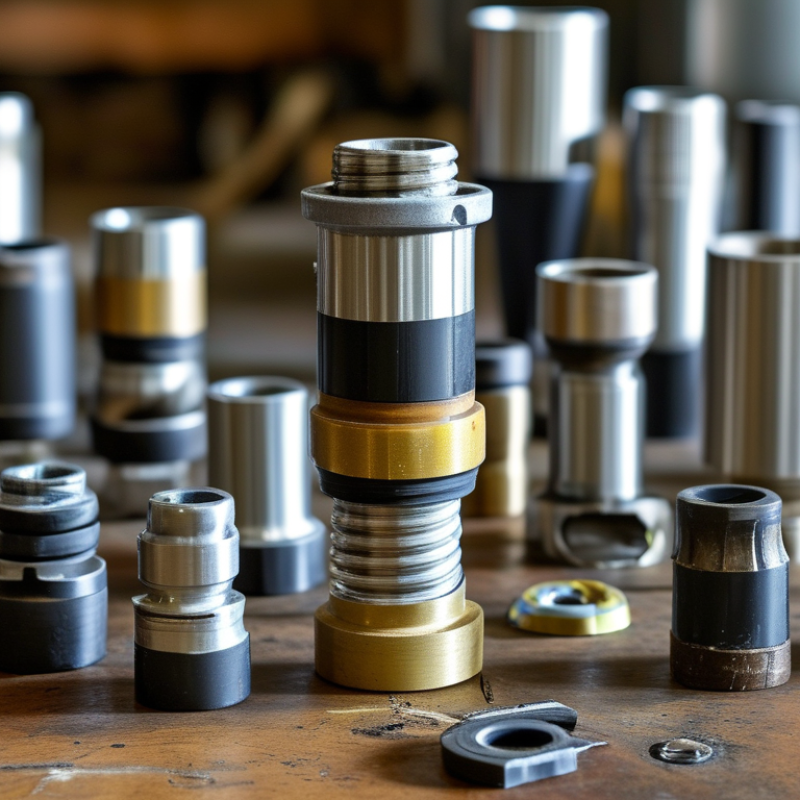
Understanding Different Types of Double Seals: A Comprehensive Overview
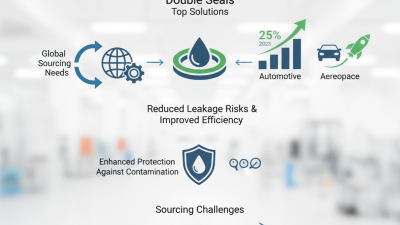
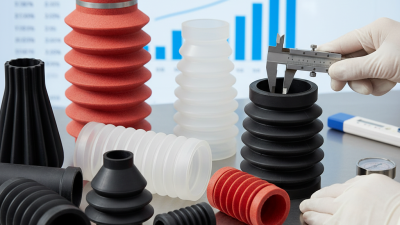
When selecting double seals, it’s vital to understand their types and applications. Double seals are commonly used in various industries, including automotive, aerospace, and manufacturing. Each type has specific advantages. For example, rubber double seals offer excellent flexibility, while metal double seals provide higher durability. According to a recent industry report, over 45% of manufacturers prefer rubber seals due to their versatility and cost-effectiveness.
Different materials impact performance. Nitrile rubber is often favored for oil resistance. In contrast, fluorocarbon rubber handles extreme temperatures better. A study from the sealing industry shows that seals made from fluorocarbon have a lifespan that can outlast standard rubber by 50%. However, not all applications need high-temperature seals. This creates an opportunity to rethink choices based on specific system requirements.
Moreover, installation precision plays a key role in seal effectiveness. Improper installation can lead to failures, which causes downtime and costs. According to expert analysis, around 30% of seal failures are attributed to installation errors. Users must consider their environment, fluid types, and pressures when determining suitability. This holistic approach ensures optimal performance and longevity, reflecting on the importance of informed decision-making in seal selection.
Key Factors to Consider When Selecting Double Seals for Your Application
When selecting double seals, consider the specific requirements of your application. The environment in which the seals operate is crucial. Factors like
temperature, pressure, and exposure to chemicals play a significant role in determining
the right materials. For instance, extreme temperatures may require seals made from specialized elastomers or composites. Ensure you understand the conditions your seals will face.
Durability is another key factor. Double seals should resist wear and tear over time. It's essential to assess the mechanical properties of the materials used.
Clips or retention devices can often enhance the performance of double seals. Keep in mind that the cost of replacing seals can escalate rapidly if they fail prematurely.
Therefore, investing in high-quality seals could be more economical in the long run.
Installation plays a role in seal effectiveness. Poorly installed seals can lead to leakage or failure. It's important to follow industry standards and manufacturer guidelines.
However, even with proper installation, some seals might not perform well due to unexpected operational conditions. Evaluating the real-world performance of your chosen seals can
help refine future selections. Be open to reassessing your choices as more knowledge becomes available.
Material Compatibility: How It Affects Seal Performance and Longevity
Choosing the right double seals involves more than just dimensions. Material compatibility plays a crucial role in performance and longevity. Different environments demand different materials. For example, rubber seals excel in water applications, while metal seals offer durability in extreme temperatures.
The specific chemicals in use also impact seal selection. If a seal encounters corrosive substances, materials like Viton may be necessary. Additionally, understanding the temperature range is vital. Seals made from silicone can handle higher temperatures but might not resist certain oils.
Keep in mind that no single material is perfect. Each has limitations that need consideration. Misjudging material choice can lead to seal failure. Regular evaluations and feedback from real-world applications can guide future decisions. Balancing performance, cost, and durability requires ongoing reflection and adjustment.
Material Compatibility and Its Impact on Seal Performance
Evaluating Seal Performance: Pressure, Temperature, and Environmental Factors
Selecting the right double seals demands careful evaluation of seal performance. Pressure, temperature, and environmental factors greatly influence their effectiveness. Different applications require different seals. Understanding your specific needs is essential.
Temperature is a crucial element. High temperatures can degrade seals made from unsuitable materials. Conversely, low temperatures may impact flexibility. Always check material specifications. Be aware of temperature variations in real-world applications, like sudden changes or prolonged exposure.
Pressure affects seal integrity. High-pressure environments require robust and reliable seals. Low-pressure systems might not need as much durability. Consider the actual operating conditions. Can unexpected pressure surges occur? Evaluate historical data to make informed decisions.
Tips for choosing seals:
- Identify fluctuations in temperature and pressure for your specific environment.
- Seek expert advice for unique applications.
- Regularly inspect seals for wear and tear; early detection can prevent failures.
Industry Standards and Certifications to Look for in Double Seals
When selecting double seals, adherence to industry standards is crucial. Look for certifications like ISO and API that signal reliability. These standards assure that the seals have passed rigorous performance tests. Certifications can indicate compliance with specific applications, such as oil and gas or food processing. Manufacturers achieve these certifications through detailed evaluations, proving their commitment to quality.
Understanding the materials used in double seals is equally important. Common materials include rubber and PTFE. Each material has its unique properties and is suitable for different environments. Proper material selection can enhance durability and performance. However, not all seals will work optimally in extreme conditions. It's essential to evaluate the seals based on the operational environment. In certain cases, trial and error may reveal unexpected performance issues.
Data sheets should accompany your seal choices. They provide insights into pressure ratings and operating temperatures. Consider these factors when assessing seal performance. Occasionally, users overlook specifications, leading to inadequate applications. Continuously review product data to ensure alignment with industry requirements. Always be ready to revisit choices based on evolving standards and personal experiences.