How to Choose the Right Double Seals for Your Applications?
Choosing the right double seals for your applications can be complex. Double seals play a crucial role in preventing leaks and protecting sensitive components. With various materials and designs available, it’s essential to understand your specific needs.
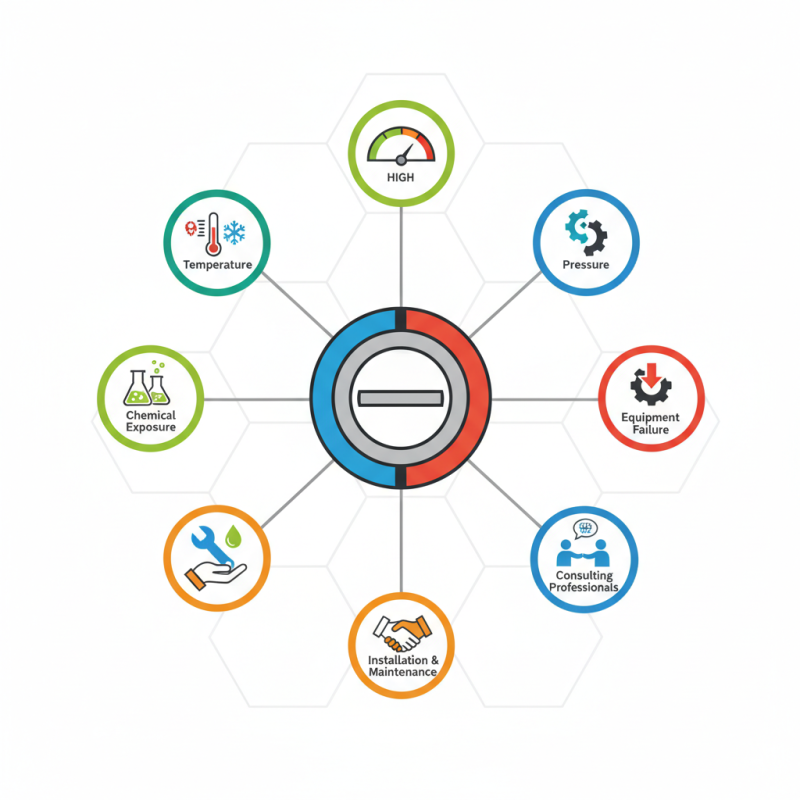
Different applications require different sealling solutions. Factors such as temperature, pressure, and chemical exposure must be considered. Failure to choose the right double seals may lead to costly downtime or equipment failure. In some cases, users underestimate the importance of proper installation and maintenance, which can lead to seal failure.
It's important to consult professionals who understand the intricacies of sealing technology. They can help guide your selection process. Their expertise can ensure that you make an informed choice. Double seals are not one-size-fits-all. Reflecting on your application’s demands will enhance performance and reliability.
Understanding the Basics of Double Seals: Types and Functions
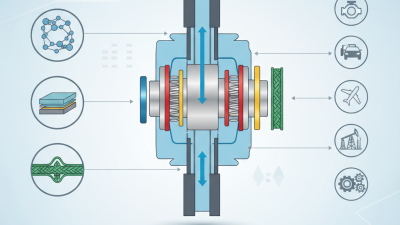
When selecting double seals for various applications, understanding their types and functions is crucial. Double seals typically consist of two sealing elements. They work together to prevent leaks and contamination, offering enhanced reliability. Common types include mechanical seals, lip seals, and O-rings. Each type serves distinct purposes.
Mechanical seals are frequently used in pumps. They help manage liquid leakage effectively. Lip seals, on the other hand, are ideal for rotating shafts. They provide a snug fit to block dirt and moisture. O-rings are versatile and can be used in static and dynamic applications. Each type has unique features catering to specific needs.
Tips: When choosing double seals, consider the operating environment. Temperature and pressure levels can significantly impact seal performance. Always review material compatibility, as some substances can degrade seals over time. Reflect on maintenance needs; some seals require regular inspections while others are more durable.
Also, think about installation ease. A complex installation can lead to mistakes, compromising seal effectiveness. Never overlook manufacturer recommendations; they provide insights based on extensive experience in the field.
Key Factors to Consider When Selecting Double Seals for Applications
When selecting double seals for your applications, several key factors come into play. The materials used in seals are crucial. They should be compatible with the fluids they will encounter. For instance, some environments may require seals made of rubber, while others may necessitate silicone or fluorocarbon. Knowing the chemical compatibility can prevent seal failure and equipment damage.
Another important consideration is the operating conditions. Think about temperature, pressure, and movement. High temperatures may require specialized seals that can withstand extreme conditions. Movement can lead to wear, so seals should have proper tolerance to ensure longevity. Evaluating these aspects can be complex, and overlooking them might lead to costly mistakes.
Lastly, the environment where seals will operate is essential. Dust, moisture, and lubrication can affect seal performance. It’s vital to choose seals designed to handle specific environmental challenges. A thorough examination of these factors can help in making informed decisions. However, it's also vital to reflect on past experiences with seals. Learning from previous selections can enhance decision-making for future applications.
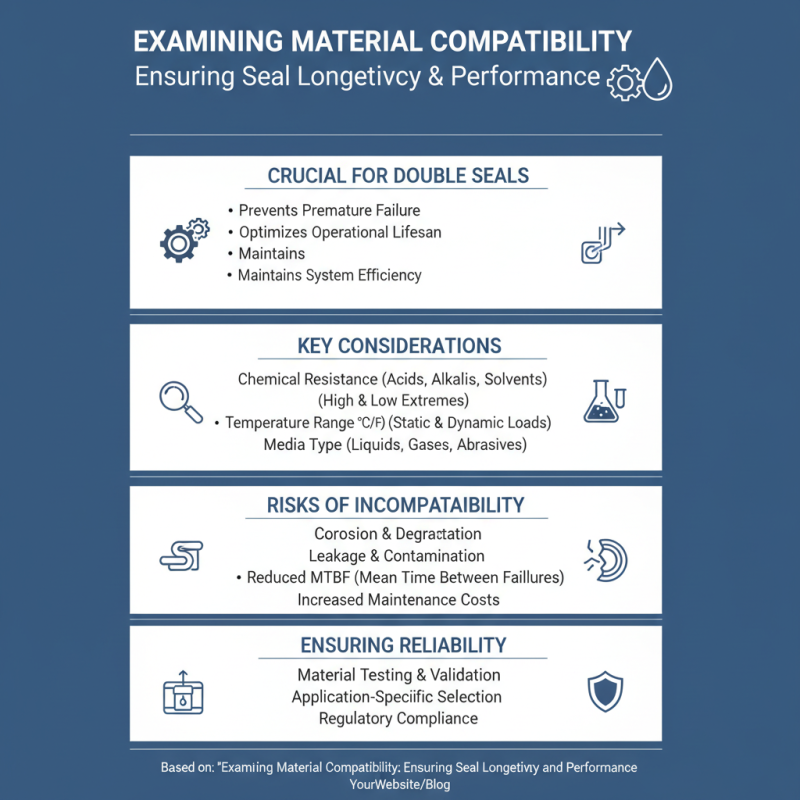
Examining Material Compatibility: Ensuring Seal Longevity and Performance
Choosing the right double seals requires a thorough examination of material compatibility. This is crucial for ensuring the longevity and performance of the seals in specific applications. Different operating environments present unique challenges. For instance, seals used in harsh chemical conditions must resist corrosive substances. Using the wrong material can lead to premature failure.
When analyzing materials, consider temperature fluctuations and pressure levels. Some materials can degrade under temperature extremes. For example, elastomers might lose elasticity in cold conditions. On the other hand, excessive heat can cause them to harden. This dual vulnerability can compromise performance.
Inspecting the environment is vital. Does the seal face oil, water, or steam? Each element affects the seal's lifespan and functionality. Identify the fluid types and their concentrations. Miscalculating these factors can lead to unexpected breakdowns. Engage with experts to discuss specific needs and challenges. This can enhance the selection process. Remember, performing thorough research and testing ensures that your chosen seals meet application requirements effectively.
Evaluating Environmental Conditions: Temperature and Pressure Ratings
When selecting double seals for various applications, evaluating environmental conditions is crucial.
Temperature and pressure ratings are primary factors that determine the right seal for your needs. For instance, materials like PTFE can withstand temperatures up to 260°C, while elastomers often have lower limits.
Understanding the exact operating environment helps in choosing a seal capable of handling specific conditions.
Pressure ratings also play a significant role. Seals must be rated to handle the maximum pressure they’ll encounter. For example, in high-pressure systems, double seals may need to withstand pressures exceeding 200 bar.
Failing to evaluate these ratings can lead to premature seal failure. Reports indicate that up to 30% of seal failures stem from incorrect selection of materials based on these parameters.
Considering environmental factors deeply impacts the lifespan and reliability of seals. In humid conditions, for example,
corrosion resistance becomes essential. Not all materials perform equally under such circumstances.
Sometimes, engineers overlook smaller details, which can cause significant issues later. Regularly reviewing specifications and environmental compatibility is vital for maintaining optimal performance in sealing applications.
Industry Standards and Certifications for Double Seals: A Guide to Compliance
Choosing the right double seals is not just about functionality; it's also about compliance with industry standards. Various sectors mandate specific certifications to ensure quality and safety. For instance, seals must often meet guidelines from organizations like ISO and ANSI. Familiarizing yourself with these certifications is crucial for compliance.
Without proper certifications, the risks can be significant. Non-compliance can lead to operational failures or safety hazards. Therefore, manufacturers should carefully evaluate the standards relevant to their applications. Consider consulting experts or resources that detail these certifications. They provide insights that can save time and avoid costly mistakes.
However, achieving compliance isn’t a straightforward process. It requires continuous learning and adaptation. Different applications might necessitate different certifications. The reality is that what works for one project may not suit another. This complexity can be daunting. Engaging with knowledgeable professionals can help navigate these challenges. It’s an essential step toward ensuring your double seals are up to industry standards.