Top Double Seals Solutions for Global Sourcing Needs?
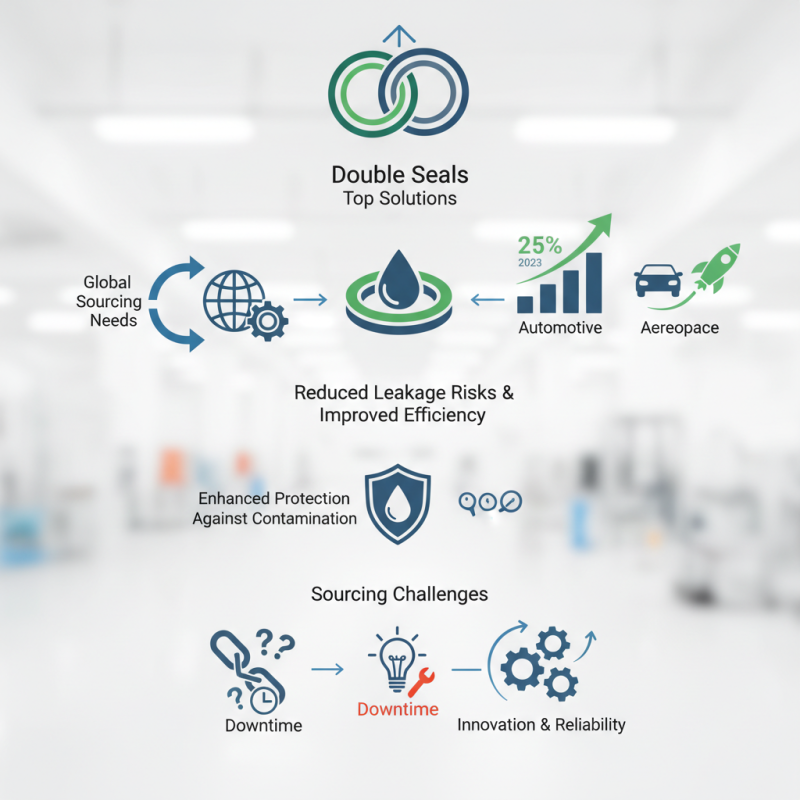
In the world of industrial performance, "Double Seals" play a crucial role in ensuring equipment longevity and reliability. According to a 2023 report from the Global Sealing Solutions Association, the demand for advanced sealing technologies has surged by 25% in the past five years. This increase highlights the need for high-quality double seals in various applications, from automotive to aerospace.
Expert Sam Reynard, a leading specialist in sealing technologies, notes, "Double Seals reduce leakage risks and improve machinery efficiency." His insight reflects the industry's growing recognition of the significant advantages of using double seals in critical operations. These seals provide enhanced protection against contamination, which is vital in sectors that operate under extreme conditions.
Despite their benefits, challenges remain. Many businesses struggle with sourcing the right double seals that meet specific performance criteria. This creates gaps in supply chains and can lead to costly downtime. As technology advances, the focus on innovation and reliability in double seals continues to be paramount for global sourcing needs.
Key Characteristics of High-Quality Double Seal Solutions
When selecting double seal solutions, understanding their key characteristics is essential. High-quality double seals should effectively prevent leaks and contaminants. They should withstand various pressures and temperatures. Durability is also crucial. A reliable seal can enhance the lifespan of machinery and reduce maintenance costs. In industries like automotive or oil and gas, these qualities are non-negotiable.
Material quality plays a significant role. Seals made from premium elastomers or specialized composites tend to perform better. They offer resistance to chemicals and environmental factors. Furthermore, the design must ensure optimal compression without excessive wear. Manufacturing precision is another factor. Even slight deviations can lead to significant performance issues. Sometimes, manufacturers understate the importance of these details.
Testing and validation processes should be rigorous. High-quality seals undergo several tests before reaching the market. However, there are instances where parameters fall short. It’s important to assess the warranty and support offered by the supplier. Evaluating feedback from other users can provide insights. Ultimately, awareness of these characteristics will guide better sourcing decisions.
Types of Double Seals: Materials and Design Variations
Double seals have become essential in various industries due to their effectiveness in preventing leaks and improving operational reliability. When considering double seals for global sourcing needs, understanding the materials and design variations is crucial. Common materials used in double seals include Nitrile, Viton, and Silicone. Each of these materials offers unique benefits such as temperature resistance, chemical compatibility, and durability.
The design of double seals can vary significantly. Some are manufactured with symmetrical geometries, while others feature asymmetrical designs to enhance sealing performance. A study by the Sealing Technology Council revealed that the right seal design can reduce leakage by up to 30%. However, not all designs suit every application, which can lead to misapplications and failures.
**Tip**: Always assess the specific environment where the seal will function. Operating temperatures and chemical exposure can affect seal performance.
Another important consideration is the potential for wear over time. Double seals that are not regularly maintained or inspected can degrade, compromising their efficacy. Industry reports indicate that around 20% of seal failures are attributed to poor maintenance practices.
**Tip**: Implement a regular inspection schedule for seals in critical applications. This proactive approach can enhance longevity and reduce unexpected downtime.
By focusing on materials and design variations, businesses can make informed decisions to meet their global sourcing needs effectively.
Top Double Seals Solutions for Global Sourcing Needs
| Seal Type |
Material |
Design Variation |
Temperature Range (°C) |
Application |
| Mechanical Double Seal |
Nitrile Rubber |
O-Ring Type |
-30 to 100 |
Oil & Gas |
| Hydraulic Double Seal |
Fluoroelastomer |
Lip Type |
-20 to 200 |
Automotive |
| Dynamic Double Seal |
Polyurethane |
V-Ring Type |
-40 to 90 |
Pneumatics |
| Static Double Seal |
EPDM |
Flat Type |
-30 to 150 |
Chemical Processing |
| High Pressure Double Seal |
Silicone |
Custom Molded |
-60 to 250 |
Aerospace |
Global Sourcing Considerations for Double Seal Procurement
When pursuing global sourcing for double seals, various considerations come into play. One major aspect is the material selection. Double seals are often made from rubber, metal, or other composites. It's critical to understand the operating environment. Harsh conditions could lead to faster wear, requiring stronger materials. Choosing the right fit for each unique application can seem daunting.
Tips: Always assess the compatibility of seal materials with your fluids. This can make a significant difference in performance and longevity.
Supply chain reliability is another priority. Global suppliers may not always have consistent quality control. It's essential to evaluate their track record and production capabilities. Researching this can save time and costs in the long run.
Tips: Look into supplier certifications. This can provide insights into their commitment to quality.
Cultural differences might also affect communication and negotiation. Understand that business practices vary across regions. Poor communication might lead to misaligned expectations. It's vital to establish clear agreements upfront.
Tips: Use clear, direct language in negotiations. This minimizes misunderstandings and fosters better relationships.
Top Industries Utilizing Double Seals in Their Production Processes
Double seals are crucial components in many industries, ensuring optimal performance and reliability. They are becoming increasingly popular in the automotive and aerospace sectors. These industries demand high precision and durability due to the challenging environments in which their products operate.
In the food and beverage sector, double seals help maintain hygiene and prevent contamination. They ensure that products remain fresh throughout production and packaging. Similarly, pharmaceuticals rely on double seals to protect sensitive materials. The integrity of medications can be compromised without the right sealing solutions.
However, not all seal designs work for every application. Industry professionals often find themselves grappling with the right specifications. Issues such as compatibility, pressure resilience, and temperature resistance can complicate choices. This complexity highlights the need for expert advice in selecting the proper sealing solution.