China Top Agitator Seal Types for Efficient Industrial Applications?
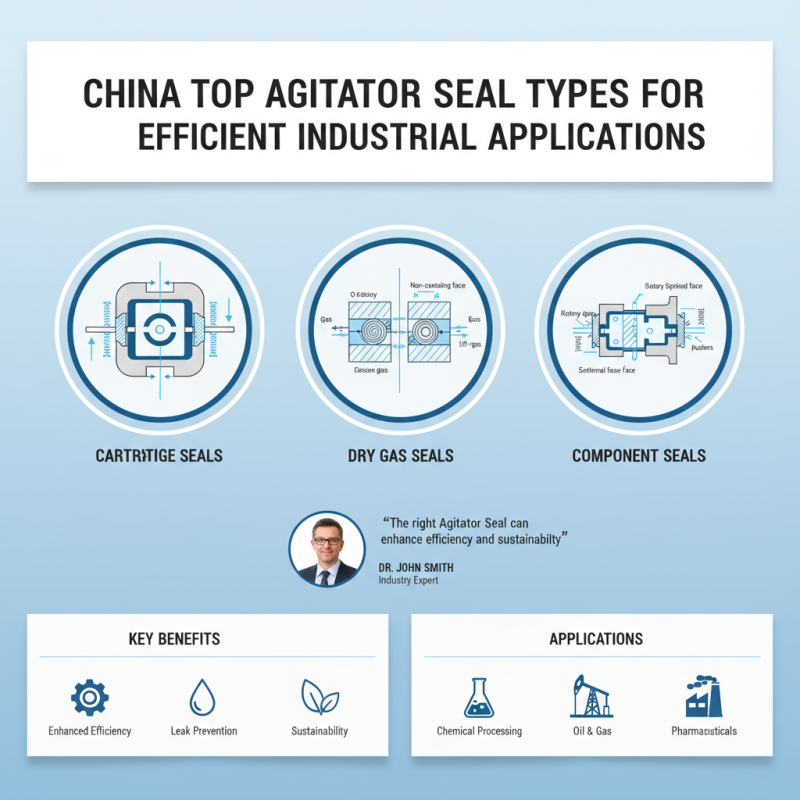
In the realm of industrial processes, the importance of reliable Agitator Seals cannot be overstated. According to industry expert Dr. John Smith, “The right Agitator Seal can enhance efficiency and sustainability.” This makes the choice of seal type critical for operations across various sectors. Each seal type addresses specific challenges, thereby ensuring optimal performance.
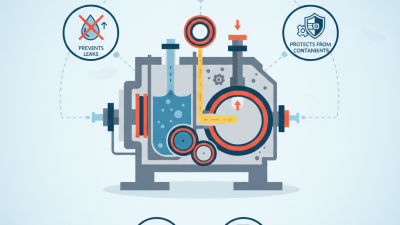
Agitator Seals play a pivotal role in preventing leaks and maintaining process integrity. They are designed to withstand harsh conditions, including temperature fluctuations and aggressive chemicals. Industrial applications require a careful balance of durability and efficiency. This often leads to a complex decision-making process for engineers and plant operators.
While there are numerous Agitator Seal types available, each comes with its own pros and cons. Choosing the wrong seal could lead to inefficiencies or costly downtimes. Understanding the specific requirements of an application is crucial. This ongoing search for the ideal solution highlights the need for expertise and continuous improvement in the industry.
Types of Agitator Seals Used in Chinese Industries
In Chinese industries, agitator seals play a crucial role. They ensure fluid containment and prevent leakage in various applications. There are several common types of agitator seals that meet different industrial needs.
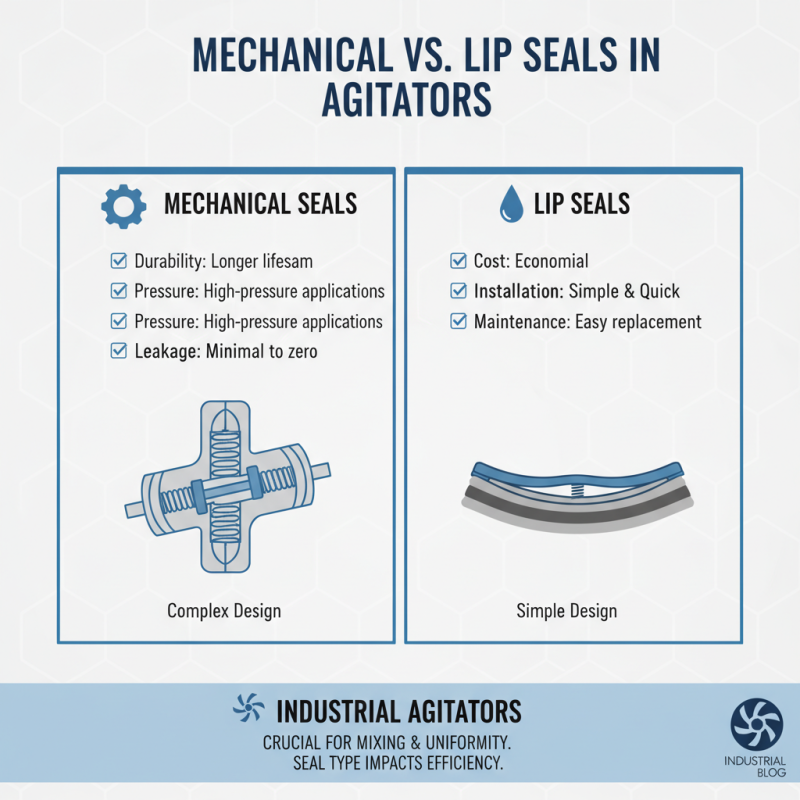
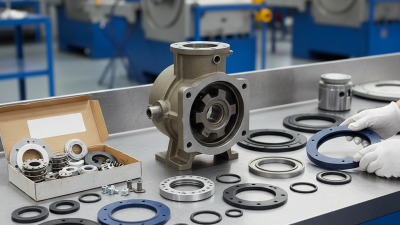
Mechanical seals are widely used. They consist of rotating and stationary components that create a tight seal. This type of seal is known for its durability and efficiency. However, improper installation can lead to premature failure. Another popular option is lip seals. These are simpler and often used in less demanding environments. They are cost-effective but may not provide the same level of protection as mechanical seals.
Lastly, magnetic seals have gained attention for their unique design. They eliminate direct contact, thus reducing wear. However, they can be more complex to install. Industries must evaluate their specific applications carefully. Choosing the right seal type is essential for ensuring optimal performance and reliability in industrial processes.
China Top Agitator Seal Types for Efficient Industrial Applications
| Seal Type |
Material |
Temperature Range (°C) |
Application |
| Mechanical Seal |
Carbon/Graphite |
-30 to 200 |
Chemical Processing |
| Lip Seal |
Rubber |
-20 to 100 |
Food and Beverage |
| O-ring Seal |
Viton |
-10 to 200 |
Oil and Gas |
| PTFE Seal |
PTFE |
-200 to 260 |
Pharmaceuticals |
| Bellows Seal |
Metal |
-50 to 150 |
Aerospace |
Key Features of Efficient Industrial Agitator Seals
In industrial applications, agitator seals play a crucial role in maintaining efficiency. A well-designed seal prevents leaks and minimizes product contamination. This is essential in industries such as chemicals, food processing, and pharmaceuticals. Efficient seals are engineered to endure harsh conditions, including high pressure and temperature variations.
One key feature of effective industrial agitator seals is their material composition. They often utilize elastomers or polymer materials that resist wear and chemical degradation. This ensures longevity and reliability. The design should allow for easy installation and maintenance, reducing downtime in production processes.
Another important aspect is the seal's ability to handle mechanical movements. Efficient seals must accommodate oscillation and rotational motions without failure. Furthermore, addressing operational challenges is essential. Some seals may experience irregular wear or failure under certain conditions. Regular inspections and testing can identify potential weaknesses, ensuring optimal performance in the long run.
Comparative Analysis of Mechanical vs. Lip Seals in Agitators
In industrial applications, agitators are crucial for mixing and ensuring uniformity. A significant aspect of their efficiency lies in the type of seals used. Mechanical seals and lip seals are two prevalent types, each offering distinct benefits and challenges.
Mechanical seals are well-known for their durability. They typically excel in high-pressure applications, with failure rates falling below 2% in optimal conditions, as per industry reports. These seals are reliable in preventing leaks and maintaining integrity under various conditions. However, installation can be complex. They require precise alignment, which may not always be feasible, leading to potential downtime if not managed correctly.
On the other hand, lip seals are simpler to install and can handle a broader range of fluid types. They'll endure lower pressures effectively, but they may not perform well in extreme environments. Their lifespan can decline sharply under adverse conditions, leading to leakage. Data suggests that under normal operating conditions, lip seals can maintain functionality up to 80% of their designed life, but maintenance is critical.
**Tips**: Regular inspections can prevent leaks. Understanding the application needs will guide seal choices. Consider the operational environment. Adapting to specific conditions can enhance longevity and efficiency.
Applications of Agitator Seals in Various Industrial Sectors
Agitator seals play a crucial role across various industrial sectors. In food processing, for instance, these seals prevent contamination while ensuring efficient mixing of ingredients. They help maintain product integrity, which is vital for safety and quality. The food industry demands reliable seals that can withstand harsh cleaning processes and high temperatures.
In chemical manufacturing, agitator seals facilitate the mixing of different substances. They withstand aggressive chemicals and reduce the risk of leaks. Choosing the right type of seal impacts not only productivity but also employee safety. Inadequate seals can lead to costly downtimes and potential hazards.
The pharmaceutical sector relies heavily on agitator seals to maintain sterile environments. These seals minimize contamination during drug production. However, achieving the perfect seal can be challenging. Ongoing maintenance is essential, as wear and tear can compromise effectiveness. Understanding the specific needs of each application ensures better efficiency and reliability in operations.
China Top Agitator Seal Types for Efficient Industrial Applications
Maintenance Tips for Enhancing Agitator Seal Performance
Agitator seals play a crucial role in industrial applications. Proper maintenance enhances their performance and longevity. Regular checks can prevent leaks and failures that disrupt operations. A seal failure can lead to costly downtimes and safety hazards.
One tip for maintaining agitator seals is to monitor operating temperatures. Extreme temperatures can degrade the material quickly. Ensure that seals are suitable for the specific conditions of your operation. This can avoid unnecessary replacements and enhance efficiency.
Another important aspect is lubrication. Using the right lubricant extends seal life. However, over-lubrication may cause issues too. Always refer to the seal manufacturer’s guidelines for lubrication specifics. Regular inspections can also help identify wear and tear early, which requires careful attention.