How to Choose Double Seals for Your Global Procurement Needs?
Choosing the right double seals for your global procurement needs is vital. Renowned expert in sealing technologies, Dr. Emily Cartwright, once stated, "The right double seals can enhance both safety and efficiency." This insight highlights the importance of selecting suitable seals.
In industries where reliability is crucial, double seals provide significant advantages. They prevent leakage and contamination, essential in pharmaceuticals and food processing. However, many procurement managers overlook the nuances of these seals. Understanding material compatibility and application conditions is not always straightforward.
Some may rush to choose based solely on price, risking performance and safety. A deeper evaluation can reveal these seals' true value. Considerations such as environmental factors and pressure levels are often underexplored. Reflecting on these elements can lead to smarter decisions, ensuring both operational integrity and cost-effectiveness in the long term.
Understanding the Importance of Double Seals in Global Procurement
Double seals play a critical role in global procurement by ensuring the integrity and safety of goods during transportation. They provide an additional layer of security against tampering and contamination. In an increasingly interconnected world, the importance of reliable seals cannot be understated. Companies often face challenges in maintaining product quality when shipping internationally. Using double seals mitigates many of these issues, safeguarding against potential losses.
Choosing the right double seals requires careful consideration. They must match the specific requirements of your products and logistics chain. Consider factors such as durability, environmental resistance, and ease of application. It’s essential to reflect on the specific environments your products will encounter during transit. For instance, seals that work well in humid conditions may not perform in colder climates.
However, not all double seals provide the same level of security. It’s crucial to evaluate the seal's quality and sourcing methods. A poorly manufactured seal can compromise security and lead to costly losses. Evaluate suppliers based on their certifications and materials used. This process can be time-consuming, and it could lead to delays. Nonetheless, investing the time to assess these factors pays off in the long run, ensuring peace of mind for your procurement needs.
How to Choose Double Seals for Your Global Procurement Needs?
| Seal Type |
Material |
Temperature Range |
Pressure Rating |
Applications |
| O-ring Seals |
Nitrile |
-40°C to 120°C |
up to 15 bar |
Hydraulics, Pneumatics |
| Lip Seals |
Fluoroelastomer |
-20°C to 200°C |
up to 25 bar |
Automotive, Aerospace |
| Single Seal |
PTFE |
-60°C to 260°C |
up to 10 bar |
Chemical Processing |
| Bonded Seals |
Rubber/Metal |
-30°C to 120°C |
up to 20 bar |
Fluids, Gases |
Key Factors to Consider When Selecting Double Seals
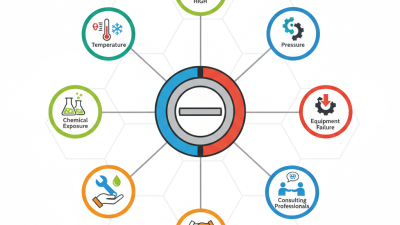
When selecting double seals for global procurement, several critical factors must be considered. The material of the seals plays a vital role. Different environments require different materials. For instance, rubber seals may perform well in one setting but fail in others. Assessing the chemical compatibility of seal materials with the substances they will encounter is essential. Temperature and pressure ratings are equally crucial. Seals must withstand operational stress without failing.
Quality assurance is another significant factor. Verifying the manufacturing process can provide insights into reliability. Certifications from recognized bodies often indicate adherence to industry standards. However, not all manufacturers prioritize quality control uniformly. Engaging in due diligence can mitigate risks. It's also important to consider logistics and supply chain reliability. A supplier's ability to deliver consistently can affect production schedules and costs.
End-user feedback can be invaluable. Gathering insights from previous users can offer real-world performance data. This reflection on past experiences can help refine selection criteria. Understanding common pitfalls will help avoid costly mistakes in procurement. Balancing these factors requires careful consideration to make an informed choice.
Types of Double Seals and Their Applications in Various Industries
When selecting double seals for global procurement, understanding different types and their applications is crucial. Double seals can be categorized into mechanical seals, lip seals, and O-ring seals. Each type serves distinct functions based on the materials they seal and the environments they operate in. For example, mechanical seals are often used in pumps and compressors, preventing leakage of fluids in high-pressure situations. Lip seals, on the other hand, excel in automotive applications where dirt and debris are concerns.
In the food and beverage industry, O-ring seals are highly reliable for their ease of installation and maintenance. They create a tight seal, ensuring product integrity and safety. Each type's design impacts its functionality. For heavy machinery, using an inadequate seal can lead to significant operational issues. Choosing the wrong seal might result in inefficiency and increased costs.
Different industrial climates can also affect seal performance. Temperature variations can cause materials to expand or contract, potentially compromising the seal's integrity. Evaluating these conditions before procurement is essential. Awareness of each seal's limitations is necessary for maintaining operational efficiency. Always consider the specific needs of your application, and be ready to adapt as necessary.
Types of Double Seals and Their Applications in Various Industries
Evaluating Quality and Standards for Double Seals in Global Markets
When evaluating quality and standards for double seals in global markets, it's essential to consider several key factors. First, material specifications play a critical role. Seals must endure harsh conditions while maintaining effectiveness. According to industry standards, seals made from high-performance elastomers can withstand temperatures from -40°C to 200°C. This versatility is vital in various applications.
Quality control measures are equally crucial. Reports indicate that nearly 30% of manufacturers fail to meet set international standards. This can lead to costly failures in the supply chain. Implementing rigorous testing protocols helps mitigate risks. Using techniques like thermal analysis and mechanical property evaluations can ensure seal durability.
Understanding certifications also matters. For instance, ISO and ASTM certifications are benchmarks of reliability. They provide assurance that the products meet established criteria. Yet, not all manufacturers prioritize these certifications. It’s necessary to verify compliance. Choosing the right double seals requires a balance of material quality, testing standards, and manufacturer credibility. Investing time in research pays off in the long run, enhancing both product reliability and operational efficiency.
Cost-Effectiveness and Supplier Evaluation for Double Seals in Procurement
When evaluating suppliers for double seals, cost-effectiveness becomes a critical factor. A recent industry report indicated that procurement managers prioritize cost in 70% of their decisions. It’s essential to assess the total cost of ownership, not just the initial price. Factors such as shipping, installation, and maintenance can impact overall expenses significantly. Many businesses overlook these costs, leading to increased long-term expenditure.
Supplier evaluation should involve a thorough review of past performance. A study by the Procurement Research Institute highlighted that 65% of procurement failures are due to supplier-related issues. Reliability, on-time delivery, and product quality are key metrics. Engaging with suppliers who have a proven track record is vital. Additionally, consider gathering testimonials and case studies whenever possible.
Moreover, regularly reviewing supplier arrangements is important. Markets fluctuate, and what was once a cost-effective solution may no longer be viable. A flexible supplier strategy can help mitigate risks associated with unexpected price changes. In the fast-moving global landscape, staying updated with industry trends ensures informed procurement decisions. Balancing cost with quality and reliability is necessary for successful procurement of double seals.