Essential Tips for Choosing Pump Seal Kits for Your Needs?
Choosing the right pump seal kits is crucial for maintaining equipment reliability. According to the Global Pump Seal Kits Market Report, the demand is projected to grow by 5% annually. This growth highlights the importance of selecting appropriate kits for various applications. Experienced professionals, like Dr. James Smith, a leading figure in pump technology, emphasizes, "The right seal kit can significantly extend the lifespan of your pumps."
When selecting pump seal kits, consider the specific application requirements. Different environments, fluid types, and temperature ranges affect seal performance. Research shows that improper seals can lead to leaks, causing costly downtime. The oil and gas sector, for example, often uses robust seals to withstand harsh conditions. Selection requires balancing material compatibility and durability.
Ultimately, choosing the correct pump seal kit is more than a simple decision. It demands careful evaluation of operational conditions and potential risks. Learning from past mistakes is essential. Experts warn against underestimating the impact of seal selection on overall system effectiveness. Taking the time to choose wisely can yield long-term benefits.
Understanding the Types of Pump Seal Kits Available on the Market
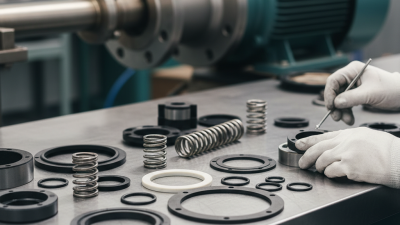
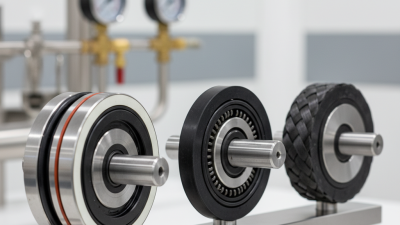
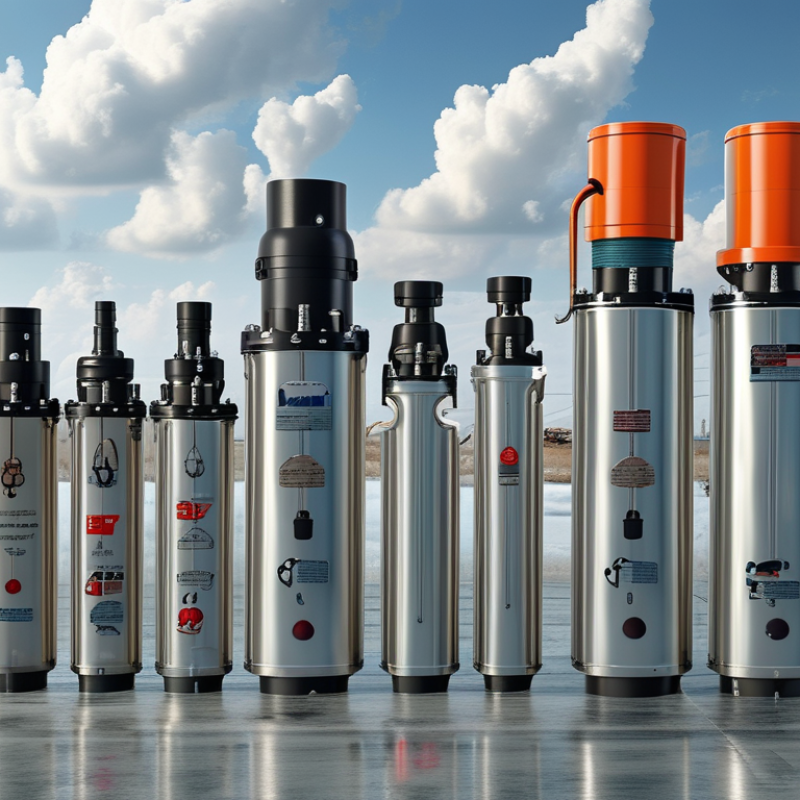
When selecting pump seal kits, it’s crucial to understand the different types available. There are various seal materials, such as elastomers, PTFE, and ceramics. Each type serves distinct applications and has unique advantages. For instance, elastomers are often cost-effective and flexible, making them suitable for many general environments. PTFE, on the other hand, offers superior chemical resistance and durability.
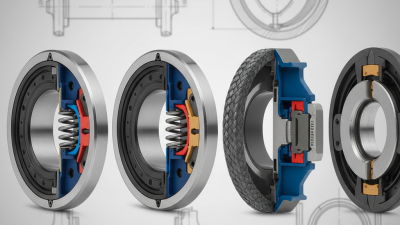
In addition to material differences, consider the design of the seal kits. Mechanical seals and gland packing are common options. Mechanical seals provide better performance in high-pressure situations, while gland packing is more traditional and easier to replace. Understanding these options helps tailor the kit to specific operational needs. Each choice comes with potential trade-offs on performance and longevity.
It’s not just about picking a seal kit; installation and maintenance play key roles. Inadequate installation can lead to significant issues, such as leaks or premature failure. Regular inspections and timely replacements are also vital. Reflecting on the challenges in these areas can enhance reliability. Understanding the nuances of seal types ensures that your pump operates efficiently.
Factors Influencing Pump Seal Kit Selection for Different Applications
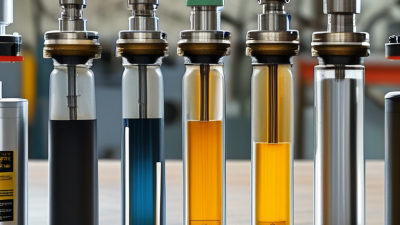
When selecting pump seal kits for your specific needs, consider various factors that impact performance. The type of fluid being pumped is crucial. Different fluids exert different levels of pressure and compatibility, affecting seal longevity. For example, abrasive fluids can wear out seals more quickly, while corrosive substances demand specialized materials. Choosing the wrong seal kit could lead to premature failures.
Temperature is another critical factor. Higher temperatures can degrade materials more rapidly. Ensure that the seals are rated for the temperature range where they will be used. Operating outside the recommended range can lead to leaks or catastrophic failure. You might think you have the right kit, but if it cannot withstand the heat, you will face issues.
Don’t overlook the pump’s operating pressure. The seal kit must be able to handle the pressures generated within the system. An inadequate seal can lead to leaks and costly downtime. Proper documentation can guide you, yet don't rely solely on it. Product specifications may not highlight limitations. Consider reaching out to experts for advice tailored to your situation.
Key Materials Used in Pump Seal Kits and Their Performance Characteristics
When selecting pump seal kits, understanding the materials is crucial. Common materials include elastomers, plastics, and metals. Each has its unique characteristics that affect performance. For instance, nitrile rubber provides excellent oil resistance, while fluorocarbon offers superior temperature and chemical resistance. Knowing the specifics helps in choosing the right kit for your application.
Tips for selection: Consider the operating environment. If exposed to harsh chemicals, favor materials that are chemically resistant. Also, assess temperature ranges to ensure longevity. A poor choice may lead to premature failure and ineffective sealing.
Another key material is ceramic, known for its durability and wear resistance. It's often used in high-pressure applications. However, ceramic can be brittle. So, careful handling is essential. Evaluate your application’s demands, and don’t hesitate to seek expert opinions when needed. Making informed decisions can enhance equipment performance and reliability.
Assessing Compatibility of Pump Seal Kits with Pump Types and Fluids
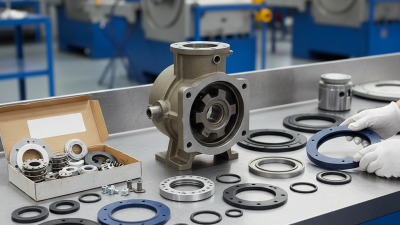
When selecting pump seal kits, compatibility is crucial. Different pumps operate in various conditions, and understanding these conditions is essential for effectiveness. Check if your pump type matches the seal kit. This includes the size, shape, and functionality.
Assess the fluids that will be interacting with the seals. Whether dealing with water, oil, or chemicals, the material must withstand these substances. For example, some materials degrade in certain chemicals, affecting seal longevity.
Here are some tips to enhance your selection process. Always consult with professionals or experienced users. They can offer insights based on real-world experience.
Consider environmental factors, such as temperature and pressure. These can influence the performance of the seals. Lastly, regularly review your choices. There may be newer materials or technologies that provide better performance.
Best Practices for Installation and Maintenance of Pump Seal Kits
When installing pump seal kits, attention to detail is crucial. Start by ensuring all parts are clean and free from debris. Dirt can compromise the seal's effectiveness. Take your time during the assembly process, as rushing can lead to misalignment. A well-aligned seal minimizes leakage risks and extends the pump’s lifespan.
Regular maintenance of pump seal kits is essential. Implement a routine inspection schedule to check for signs of wear or damage. Replacement seals should match the original specifications closely. Having spare kits on hand can reduce downtime during unexpected failures. Keep a log of maintenance activities; this can reveal patterns or recurring issues requiring your attention.
Don't overlook the importance of lubrication. Properly lubricated seals operate more smoothly. Yet, over-lubrication can attract dirt and lead to seal failure. Finding the right balance with lubrication is often a trial-and-error process. Reflect on past experiences, as they can guide your future maintenance strategies and improve system reliability.