2026 Best Rubber Bellows Seal Options for Global Buyers?
In the ever-evolving world of industrial sealing solutions, the importance of selecting the right Rubber Bellows Seal cannot be overstated. These seals play a critical role in various applications, from automotive to aerospace. A reliable Rubber Bellows Seal ensures safety and efficiency in many projects. With numerous options available, making an informed decision is crucial for global buyers.
Understanding the features and benefits of different Rubber Bellows Seal options can be overwhelming. Buyers often face challenges, such as varying quality and performance standards in the market. It's vital to assess the needs and requirements of specific applications before choosing.
Expert insights suggest that long-term performance is key when evaluating these seals. Additionally, buyers should reflect on their sourcing strategies. Are suppliers credible? Do they offer comprehensive support? These are essential considerations to instill confidence in your choice. Ultimately, the quest for the best Rubber Bellows Seal entails careful evaluation and sometimes, trial and error.
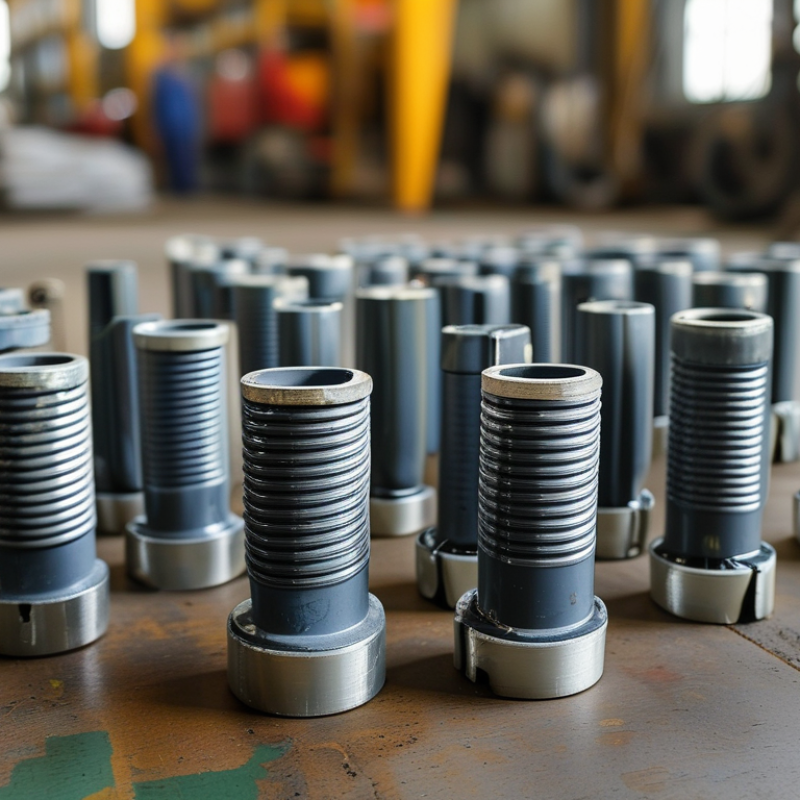
Overview of Rubber Bellows Seals in Global Markets
Rubber bellows seals play a crucial role in various industries around the globe. Their primary function is to prevent leakage of fluids while allowing moving parts to function smoothly. This multifaceted ability makes them essential in applications ranging from automotive to aerospace. The durability of these seals under varying pressures and temperatures is a vital consideration for manufacturers. However, selecting the right bellows can be challenging.
Understanding the specific requirements of your application is essential. Manufacturers and engineers often face difficulties when assessing the most suitable materials and designs. Inconsistent quality across global suppliers sometimes complicates this decision. While some options may seem cost-effective, they might not offer the best longevity. It is vital to weigh performance against price for optimal results. Exploring different materials, such as silicone or EPDM, can lead to better outcomes based on environmental factors.
Real-world testing is often overlooked but is critical for success. Trial and error might reveal unexpected issues, so gathering feedback during initial installations can provide valuable insights. It’s not just about finding the cheapest option. Prioritizing quality and compatibility can prevent future failures. A well-informed choice in rubber bellows seals significantly enhances reliability and operational efficiency.
Factors Influencing the Selection of Rubber Bellows Seals
When selecting rubber bellows seals, several key factors come into play.
Material compatibility is crucial. The chosen rubber must withstand the fluids it seals against. Different applications may require
specific resistance to oils, chemicals, or temperature variations.
Ignoring these requirements can lead to premature failure.
Another vital aspect is the operational environment.
Consider pressure conditions and dynamic movement levels. Application-specific designs might be necessary for optimal performance.
This can mean choosing between solid or reinforced bellows.
Understanding the working conditions helps in making a better choice.
Additionally, manufacturing quality matters. Look for seals that meet international standards.
These standards ensure durability and reliability. However, even well-made seals can fail when poorly installed.
Proper installation techniques increase the lifespan of bellows seals significantly.
It is prudent to invest time in learning these techniques.
Top Manufacturers of Rubber Bellows Seals for 2026
In 2026, the demand for rubber bellows seals is anticipated to rise significantly. As industries seek efficient sealing solutions, identifying top manufacturers will be essential. These manufacturers should demonstrate expertise and experience in producing high-quality rubber bellows seals.
Many leading manufacturers focus on durability and flexibility. Their products are designed to withstand extreme conditions. However, some options may lack rigorous quality control, leading to potential failures. It’s vital for buyers to research thoroughly and evaluate manufacturer credentials.
Buyers should also consider the specific applications of rubber bellows seals. Different industries such as automotive, aerospace, and food processing have unique requirements. Selection of the right seal can greatly affect performance. Potential mistakes in choosing an unsuitable seal can result in costly downtime and repairs.
2026 Best Rubber Bellows Seal Options for Global Buyers
Performance Characteristics of Rubber Bellows Seals
Rubber bellows seals are crucial components in various industrial applications. They protect against leaks and contaminants. The performance characteristics of these seals greatly influence machinery longevity. Typically, they offer excellent flexibility and resilience, allowing effective movement in dynamic systems.
One of the most notable features is their ability to withstand temperature fluctuations. Many rubber compounds can endure extreme heat or cold. However, choosing the right material is essential. Not all rubber types provide the same level of protection. Misalignment during installation can also lead to premature failure. This is a common oversight that needs attention.
Durability is another key aspect. Rubber bellows seals can resist wear and tear in harsh environments. They maintain their shape and sealing properties over time. Yet, users often overlook routine inspections. Damage from chemicals or abrasives can compromise performance. Regular maintenance checks can help identify early signs of wear. This proactive approach can prevent costly breakdowns.
2026 Best Rubber Bellows Seal Options for Global Buyers - Performance Characteristics of Rubber Bellows Seals
| Type |
Material |
Temperature Range (°C) |
Pressure Resistance (bar) |
Chemical Compatibility |
Applications |
| Standard Rubber Bellows |
Nitrile (NBR) |
-40 to 100 |
10 |
Oil, Fuel |
Automotive, Machinery |
| High-Temperature Rubber Bellows |
Silicone |
-50 to 200 |
8 |
Ozone, UV |
Food Processing, HVAC |
| Chemical Resistant Bellows |
Fluoroelastomer (FKM) |
-20 to 200 |
15 |
Acids, Bases |
Chemical Processing, Pharmaceuticals |
| General-Purpose Bellows |
EPDM |
-40 to 120 |
10 |
Water, Steam |
Pumps, HVAC |
| Heavy-Duty Bellows |
Neoprene |
-30 to 150 |
20 |
Petroleum, Grease |
Construction, Mining |
Comparative Analysis of Rubber Bellows Seal Materials and Designs
When selecting rubber bellows seals, material and design play crucial roles. Different environments require various properties.
Options include neoprene, viton, and EPDM.
Each material offers unique advantages and limitations. Neoprene provides good resilience but may not withstand extreme temperatures.
Viton, on the other hand, excels in chemical resistance.
Design choices also impact performance. Consider the sealing surface shape. Flat designs can perform well in static applications.
However, convoluted designs are often better for dynamic movements. They provide enhanced flexibility and can adapt to various conditions.
This adaptability is essential for efficient sealing.
Tip: Always consider the application’s specific demands.
Assess factors like temperature, pressure, and exposure to chemicals. Testing different seals in real-world conditions may yield insights
that theoretical data cannot provide. Remember, some designs may look efficient but can fail under stress.
Therefore, it is vital to select seals that truly match the operational environment.