How to Choose the Right Mechanical Seal Parts for Your Application?
Choosing the right mechanical seal parts is crucial for various applications. Mechanical seals play a significant role in ensuring equipment efficiency and safety. Selecting the appropriate components can be challenging, as many factors influence their performance.
Quality and compatibility are essential when sourcing mechanical seal parts. Poor choices can lead to leakage, increased maintenance costs, and even equipment failure. Understanding the specific requirements of your application is vital. Each sealing environment presents unique challenges that need expert consideration.
It is essential to reflect on how different materials and designs impact your system. Taking the time to evaluate each option can make a substantial difference. Rest assured, making informed decisions can greatly enhance the durability of your equipment.
Understanding Mechanical Seal Parts and Their Functions
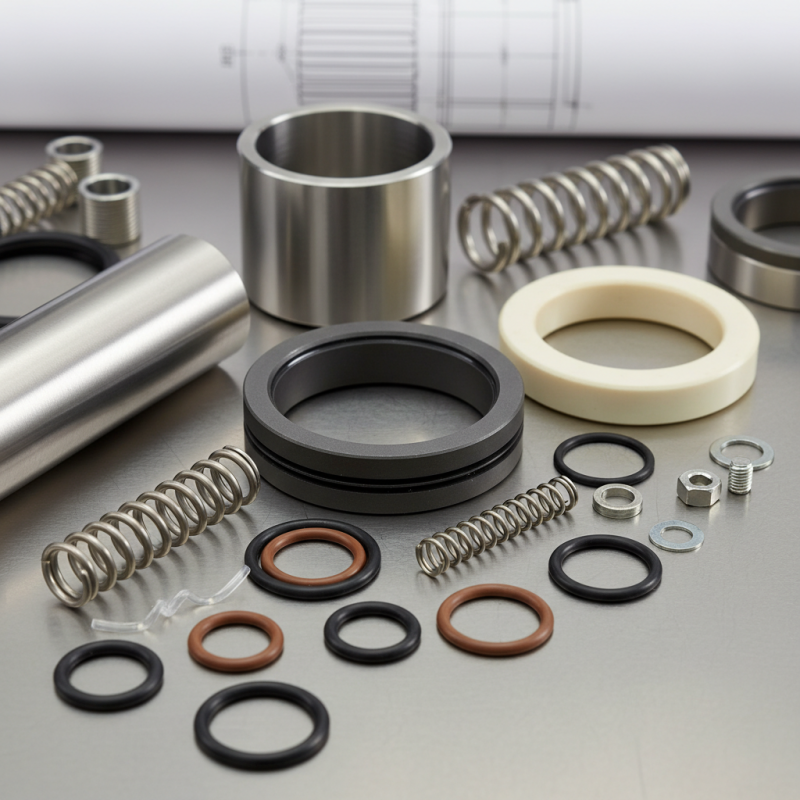
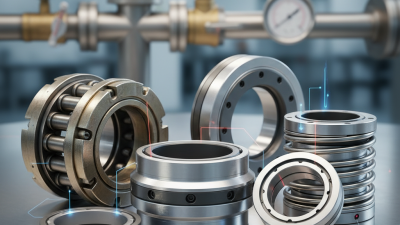
Mechanical seals are critical in various applications, ensuring that fluids remain contained and preventing leakage. Understanding the essential parts of a mechanical seal is vital for selecting the right components for your specific needs. Typically, a mechanical seal consists of a rotating face, a stationary face, and elastomers or springs. Each component plays a unique role in maintaining pressure and sealing integrity.
The rotating face interacts directly with the fluid. It rotates with the shaft, creating a dynamic seal. The stationary face remains fixed, providing a counter pressure to the fluid. Choosing materials for these faces is crucial. Common materials include ceramic and tungsten carbide, known for their durability. However, selecting the wrong materials can lead to failure, causing significant downtime.
Elastomers provide flexibility, while springs maintain contact between the sealing surfaces. It’s essential to identify the correct elastomer based on temperature and fluid type. Sometimes, the configuration may not fit perfectly into your setup. It’s a challenge that requires careful evaluation and adjustments. Regular inspection of these parts can prevent unexpected issues, ensuring a more reliable operation.
Factors to Consider When Selecting Mechanical Seal Materials
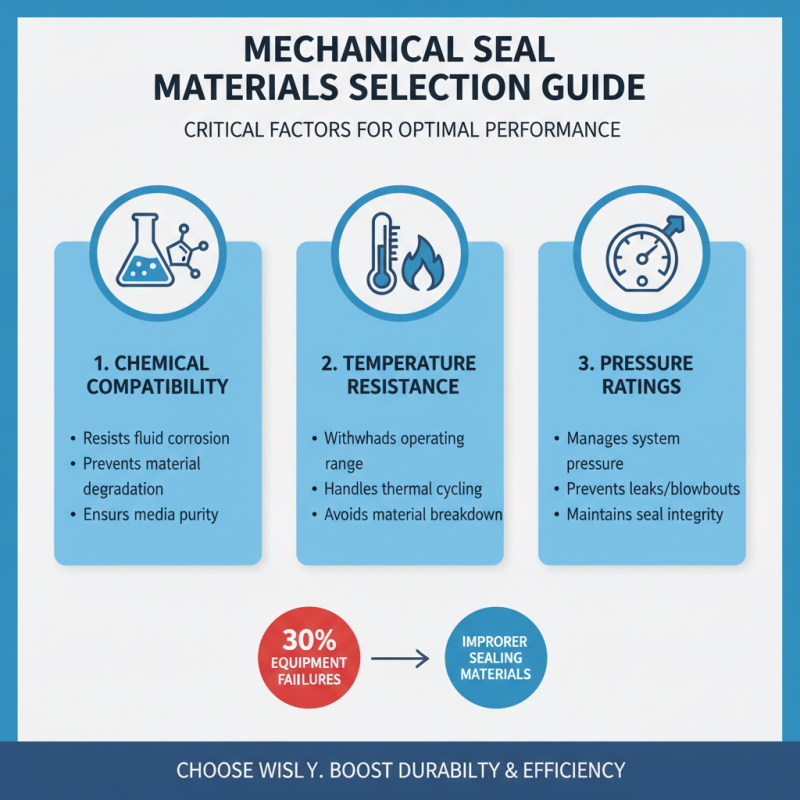
Choosing the right mechanical seal materials is critical for operational efficiency. Material selection directly impacts the seal's durability and performance. According to industry reports, around 30% of equipment failures are attributed to improper sealing materials. This highlights the significance of understanding factors like chemical compatibility, temperature resistance, and pressure ratings.
Chemical compatibility is paramount. The seal material must withstand the specific substances it will contact. For instance, elastomers like nitrile might fail in strong acids, while PTFE can endure a broader range of chemicals. Temperature and pressure ratings are equally crucial. Many seals operate under extreme conditions. A study showed that seals rated for higher temperatures can extend their lifespan by up to 25%. However, over-engineering for high temperatures may lead to unnecessary costs and inefficiencies.
Another factor often overlooked is installation practices. Improper installation can lead to premature seal failure. Inadequate surface preparation and alignment can create friction, leading to wear. Effective training for personnel is vital. Even with the right materials, bad practices can negate their advantages. Sealing technology continues to evolve. Regular assessment of material performance in real-world applications can provide valuable insights for better decision-making.
Evaluating Operating Conditions for Mechanical Seal Applications
When selecting mechanical seal parts, understanding operating conditions is vital. Factors such as temperature, pressure, and fluid characteristics strongly influence seal performance. For example, high temperatures can degrade certain materials. Choosing the wrong material can lead to quick failure.
Evaluate the medium the seal will encounter. Will it be corrosive or abrasive? These conditions affect the seal's lifespan. It's crucial to examine the pH levels and possible contaminants. Even minor oversight can result in significant issues. Consider potential fluctuations in operating conditions. A stable environment is often ideal.
Don’t overlook installation factors. Improper alignment can lead to premature seal wear. Never assume that a standard seal will fit all applications. Each scenario is unique. Continuous monitoring is essential for maintaining operational reliability. Reflecting on past experiences can guide future choices. Balancing all these elements is key to successful mechanical seal application.
How to Choose the Right Mechanical Seal Parts for Your Application? - Evaluating Operating Conditions for Mechanical Seal Applications
| Parameter |
Description |
Importance |
Recommended Materials |
| Operating Pressure |
The pressure at which the mechanical seal operates. |
Critical for seal performance and longevity. |
Carbon, Ceramic |
| Temperature |
The temperature range in which the seal must operate. |
Affects material selection and seal life. |
PTFE, EPDM |
| Media Type |
Chemical composition of the fluid being sealed. |
Determines compatibility with seal materials. |
Nitrile, Viton |
| Speed |
Rotational speed of the equipment using the seal. |
Influences heat generation and wear rates. |
Silicone, Tungsten Carbide |
| Environmental Conditions |
External factors such as humidity and exposure to chemicals. |
Impacts material durability and seal effectiveness. |
Fluoroelastomer, Metal Alloys |
Compatibility and Sizing in Mechanical Seal Selection
When selecting mechanical seal parts, compatibility and sizing are crucial. The materials of the seal must suit the fluid being sealed. For example, corrosive fluids require seals made from resistant materials. This ensures durability and prevents leaks. However, verifying compatibility is not always straightforward. Different manufacturers might use varying material codes and descriptions.
Sizing is another critical aspect. An improperly sized seal can lead to premature failure. It's essential to measure the shaft diameter accurately. Many overlook this step, resulting in costly replacements. The installation space must also be considered. A seal that is too large may cause interference. Conversely, a seal that is too small can lead to excessive wear.
Practical experience shows that user feedback is invaluable. Each application might have unique challenges. It’s wise to consult with field experts when in doubt. Learn from others' mistakes; this can save time and resources. Often, discussions reveal insights that enhance the sealing process. Proper compatibility and sizing decisions can lead to better performance and reliability in mechanical seals.
Maintenance and Replacement Guidelines for Mechanical Seals
When it comes to maintaining mechanical seals, regular inspection is crucial. These seals encounter wear and tear over time. Inspecting them for signs of damage can prevent leaks. Look for any discoloration or abrasion on the seal faces. Visual checks should be part of your routine. Regular monitoring extends the life of these components.
Replacement is another key consideration. If you notice any wear, act quickly. Delaying can lead to downtime and costly repairs. It’s often recommended to replace seals during routine service intervals. This proactive approach minimizes unexpected failures. Be sure to use the correct parts for your specific application.
Consider training your team on mechanical seal maintenance. A well-informed staff can detect issues early. Encourage them to document any observations during inspections. This habit fosters accountability and aids in future decision-making. Effective management of mechanical seals relies on knowledge and attention.