Top 10 Mechanical Seal Parts Buyers Should Know About?
Mechanical Seal Parts are vital components in various industries, ensuring efficient performance of machinery. According to Dr. Alice Thompson, a leading expert in sealing technologies, "Understanding the nuances of Mechanical Seal Parts is the key to avoiding premature equipment failure." This statement underscores the importance of knowledge in this field.
When selecting Mechanical Seal Parts, several factors come into play. The right materials, design, and compatibility determine longevity and reliability. Many buyers often overlook specific details that can lead to significant issues down the road. It is easy to assume that all seals are created equal, but each component has unique properties.
Additionally, understanding the application for which these seals are intended is crucial. Temperature, pressure, and fluid type can all influence performance. Some buyers may mistakenly think they can use generic components across different systems. This approach often results in suboptimal performance. Investing time in understanding these parts can mitigate risks and enhance operational efficiency.
Key Components of Mechanical Seals: An Overview
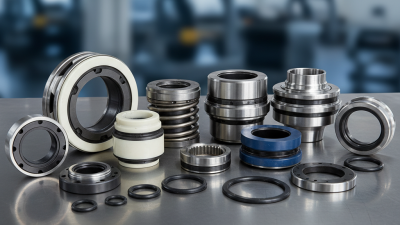
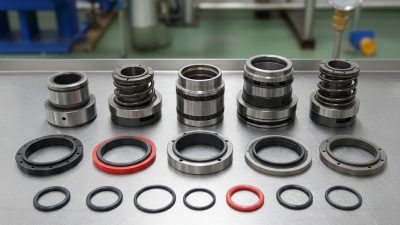
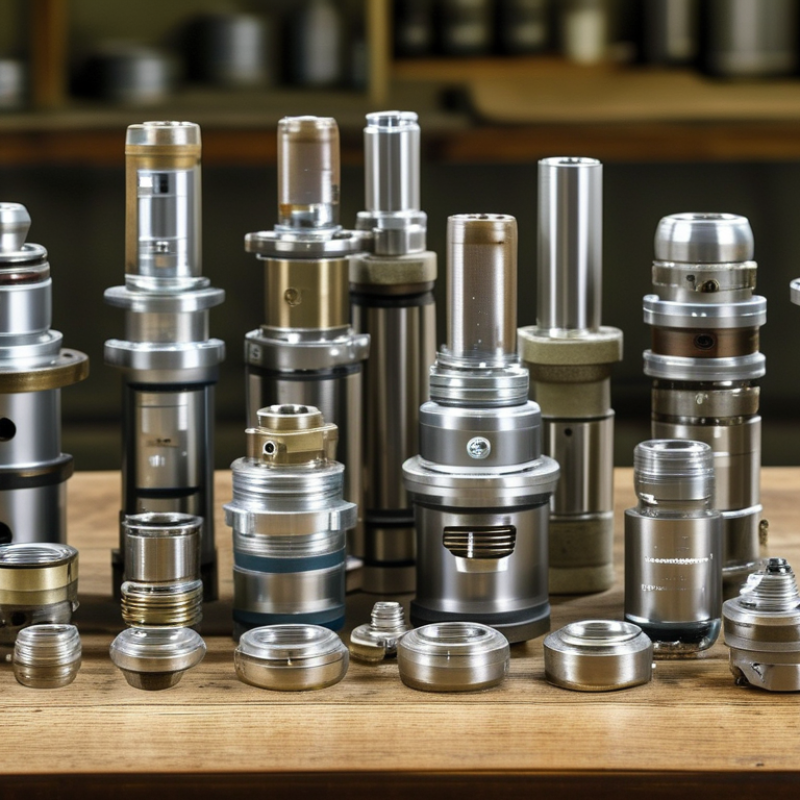
Mechanical seals play a crucial role in various applications, ensuring fluid containment and preventing leaks. Understanding their key components is essential for buyers and engineers alike. The heart of a mechanical seal is the primary ring, which creates a sealing surface against the secondary ring. This interaction is vital for preventing fluid escape.
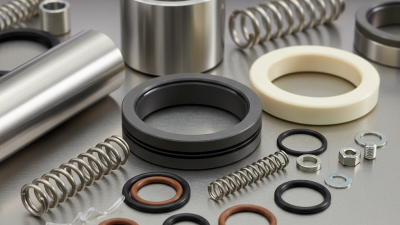
Another important part is the elastomeric O-ring, which provides additional sealing integrity. It absorbs vibrations and accommodates changes in pressure. The materials used for rings and O-rings impact durability and performance. Common materials include carbon, ceramics, and various elastomers. Each has its advantages and weaknesses in different environments.
Buyers must also consider the spring mechanism. Springs apply constant pressure, maintaining contact between sealing faces. It’s essential to select springs made from corrosion-resistant materials. Poor choice can lead to seal failures. Each component must work harmoniously. Understanding their functions helps avoid costly downtime due to seal-related issues. Working closely with knowledgeable suppliers can guide selections tailored to specific applications.
Understanding the Functions of Each Mechanical Seal Part
Mechanical seals are vital components in preventing fluid leakage in machinery. Each part of a mechanical seal serves a specific function that directly impacts efficiency and reliability.
The sealing face is one of the most critical aspects. It directly contacts another face, creating a barrier against leaks. According to industry reports, nearly 40% of mechanical seal failures can be attributed to inadequate sealing face performance. This emphasizes the importance of proper material selection and surface finish in achieving a reliable seal.
Another essential part is the spring. Springs maintain consistent pressure on the sealing faces. If a spring fails, it can compromise the entire sealing system. Data suggests that a robust spring design can enhance the life of the mechanical seal by up to 30%. It may seem trivial, but overlooking any part can lead to significant operational issues. Understanding these components highlights the necessity of ongoing maintenance and monitoring in industrial applications.
Common Materials Used in Mechanical Seal Manufacturing
Mechanical seals are essential components in various industrial applications. They prevent leaks in machinery and help maintain pressure. Understanding the materials used in their manufacturing is crucial for buyers. Common materials include ceramics, carbon, and elastomers.
Ceramics provide resistance to wear and corrosion, making them ideal for harsh environments. According to a 2022 report by the American Society of Mechanical Engineers, ceramic materials can withstand temperatures exceeding 600°C. This property significantly enhances their durability in mechanical seal applications. In contrast, carbon is favored for its self-lubricating properties. This reduces friction and increases the seal’s lifespan. Yet, buyers should recognize that carbon seals may degrade under certain chemical exposures.
Elastomers, such as fluorosilicone, offer flexibility and excellent sealing capabilities. They adapt well to various temperatures and pressures. However, they can have limitations when exposed to specific chemicals. It is essential for buyers to research compatibility when selecting seal components. Understanding these materials helps in choosing the best mechanical seals for unique industrial needs. Always consider the specific application to ensure optimal performance.
Factors Affecting the Performance of Mechanical Seal Components
Mechanical seals are vital in many industries, ensuring the efficient operation of equipment. Their performance relies heavily on several components. Understanding these factors is crucial for buyers.
Material selection plays a significant role in performance. Different applications require specific materials. For example, high-temperature environments demand resilient materials. The wrong choice can lead to quick failure. Additionally, surface finish impacts the seal's effectiveness. Rough surfaces can cause leaks or premature wear.
Pressure and temperature variations also affect mechanical seals. Operating conditions might change unexpectedly. These fluctuations can stress seal components. Buyers should consider how seals will perform under real-world conditions. Regular maintenance is another critical aspect. Neglecting it can reduce the lifespan of even the best seals. Being informed about these factors can greatly enhance their application in systems.
Tips for Selecting the Right Mechanical Seal Parts for Your Application
Selecting the right mechanical seal parts is crucial for reliable operations. Understanding the application and working conditions is the first step. According to a recent industry report, over 30% of premature equipment failures stem from incorrect seal selection. This highlights the importance of choosing the correct materials and design.
Consider the type of fluid, temperature, and pressure your application will face. For instance, sealing materials can range from elastomers to hard ceramics. Each material has specific resistance properties. Choosing a material that can withstand the environment is essential. Many buyers overlook this critical factor, resulting in failures.
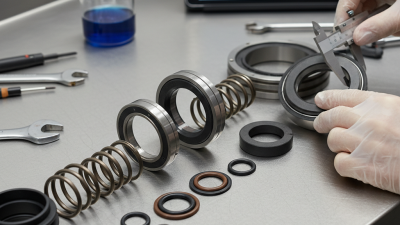
Installation and maintenance are just as vital. A poorly installed seal can lead to leaks, which often go unnoticed. The best practice is to involve skilled professionals for both installation and periodic inspections. Reports show that regular maintenance can extend seal life by over 20%. Neglecting this can lead to costly downtime and repairs, reminding all buyers of the importance of proactive management.
Top 10 Mechanical Seal Parts Buyers Should Know About