How to Choose the Right Mechanical Seals for Your Business?
In today's industrial landscape, the choice of mechanical seals is critical for operational efficiency and reliability. According to a recent report by Grand View Research, the global mechanical seals market is projected to reach USD 7.87 billion by 2027, reflecting a significant demand across various sectors. These seals are essential for preventing leaks in rotating equipment, thus reducing downtime and maintenance costs.
Selecting the right mechanical seals involves understanding the specific needs of your application. Factors such as pressure, temperature, and fluid compatibility play crucial roles. A miscalculation can lead to equipment failure, embodying the importance of expert knowledge in this area. Contenders in this market must weigh various options and consider trusted suppliers to ensure long-term performance and reliability.
The decision-making process often requires introspection. Many professionals find that they underestimated the intricacies of mechanical seal technology. This reflection can unveil gaps in understanding, highlighting the need for robust support in the selection process. Therefore, investing time in research and consulting with industry experts can pave the way for better choices in mechanical seals.
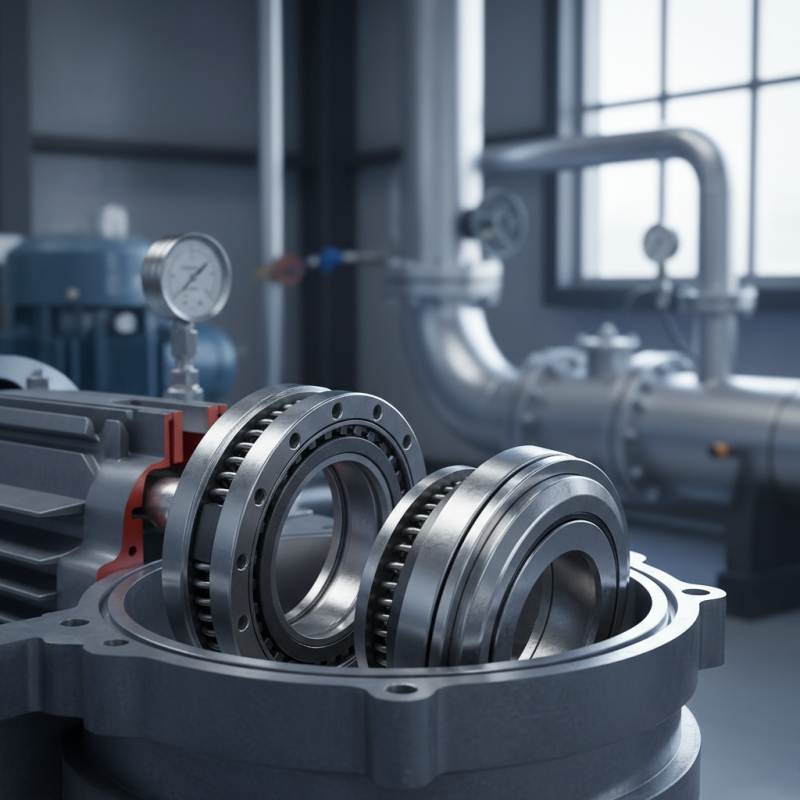
Understanding the Basics of Mechanical Seals and Their Applications
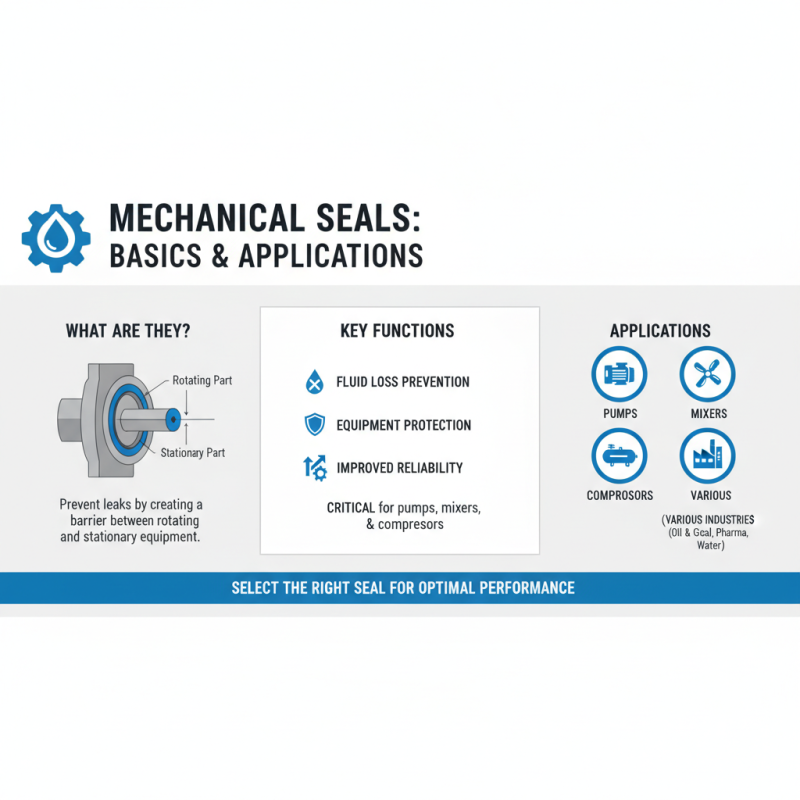
Mechanical seals play a vital role in various industries. They prevent leaks in pumps, mixers, and compressors. Understanding their basics is essential for selecting the right seal for your application. These seals provide a barrier against fluid loss and protect machinery from damage.
Different types of mechanical seals are available, each suited for specific applications. For example, solid ceramic seals work well with high temperatures, while rubber materials perform better in corrosion-resistant settings. Choosing the wrong material can lead to premature failure.
Consider your specific needs carefully. Assess the operating conditions, such as temperature and pressure. Look for any chemical exposure as well. It’s not uncommon to overlook these details. A mismatch can result in downtime and costly repairs down the line. Always consult with an expert before making a decision. Your machinery's efficiency depends on the right choice.
Identifying Key Factors for Choosing the Right Mechanical Seal
Choosing the right mechanical seals requires careful consideration of several key factors. The harsh environment in various industries often demands seals that can withstand extreme temperatures, pressures, and abrasive materials. According to a report from the Mechanical Seal Association, approximately 40% of pump failures relate to seal issues, highlighting the importance of selecting appropriate seals.
Material compatibility is essential. Ensure the seal material can resist the media it encounters. For instance, chemical processing environments may require seals made from specific elastomers or fluoropolymers. Furthermore, a study by the Fluid Sealing Association noted that improper material selection can lead to premature seal failure in up to 25% of cases.
Operational conditions also play a crucial role. Understanding the installation environment, including temperature ranges and media characteristics, will influence the seal's longevity. Vibration and shaft misalignment are also critical factors. If unaddressed, they could significantly shorten the seal's lifespan. Gathering data on your equipment's operational history can provide insights for optimal seal selection.
How to Choose the Right Mechanical Seals for Your Business?
This chart illustrates the key factors affecting the choice of mechanical seals, based on their importance score for businesses.
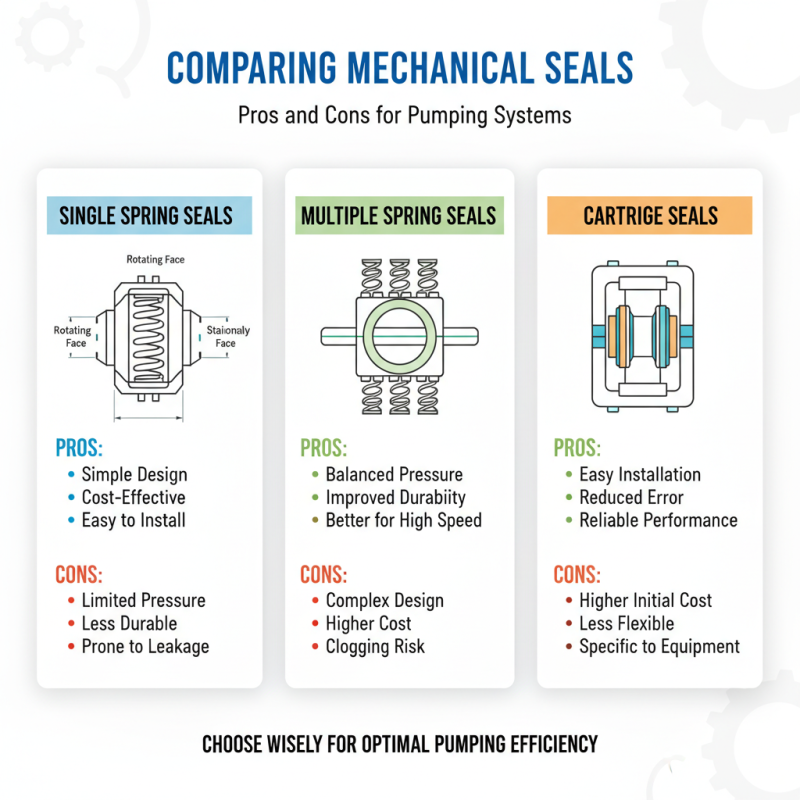
Comparing Different Types of Mechanical Seals: Pros and Cons
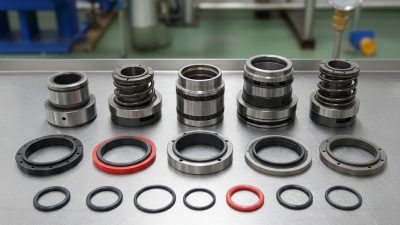
Choosing the right mechanical seals is crucial for any business that relies on pumping systems. Different types of mechanical seals come with unique advantages and disadvantages. Understanding these can help make an informed decision.
For instance, there are single seals and double seals. Single seals are simpler and cost-effective. They work well in less demanding environments. However, they can be prone to leakage in high-pressure systems. On the flip side, double seals offer enhanced reliability. They contain potential leaks and reduce the risk of contamination. Yet, they can be more complex and require higher maintenance.
Another option is cartridge seals. These are easy to install and reduce assembly errors. They save time during replacement, but their initial costs may be higher. Choosing the right type of mechanical seal requires careful consideration of operational conditions. Each option has its strengths and weaknesses, making it essential to align your choice with specific business needs.
Evaluating Material Compatibility for Mechanical Seal Selection
Choosing the right mechanical seals for your business involves careful evaluation.
Material compatibility is a critical factor in this process. Different applications require different materials. Factors like temperature, pressure, and fluid types directly impact seal performance.
When considering material compatibility, start by identifying the fluid you are sealing. Is it corrosive or viscous? Does it contain particulates? These characteristics require specific materials to maintain integrity. For example, elastomers work well with many fluids but may fail in harsh conditions.
It’s essential to analyze the operating environment to make informed choices.
Selecting the wrong materials can lead to premature seal wear and costly downtime. This happens more often than one might think. Many businesses overlook compatibility and face significant failures.
Gathering data on chemical interactions can help. Consulting with experts might also provide clarity. The right guidance can mitigate risks and enhance operational reliability.
Considering Installation and Maintenance Requirements for Mechanical Seals
When selecting mechanical seals, installation and maintenance requirements are vital factors. A recent industry report highlights that 30% of seal failures stem from improper installation. This statistic underscores the importance of using clear guidelines and training for your technicians. Each type of mechanical seal may have unique installation processes, which can impact performance and longevity.
Consider the environment where the seals will be used. For instance, high temperatures or aggressive chemicals could require specialized seals. The installation process must be adjusted accordingly. Furthermore, regular maintenance plans are necessary. Studies show that predictive maintenance can reduce downtime by up to 50%. However, many businesses neglect to carry out routine checks, leading to unexpected failures.
Moreover, the choice of seal material can influence maintenance needs. Some materials may be more resistant to wear, but they could also require more frequent inspections. Reviewing your operational environment and maintaining thorough records can lead to better decision-making. As with any aspect of operational efficiency, it’s crucial to reflect on practices that might be lacking and adjust to improve overall reliability.
How to Choose the Right Mechanical Seals for Your Business?
| Seal Type |
Material |
Temperature Range (°C) |
Pressure Rating (bar) |
Installation Complexity |
Maintenance Frequency |
| Single Mechanical Seal |
Ceramic/Carbon |
-20 to 200 |
10 |
Medium |
Annual |
| Double Mechanical Seal |
Stainless Steel |
-20 to 250 |
20 |
High |
Semi-Annual |
| Conventional Seal |
Rubber |
-10 to 100 |
5 |
Low |
Every 6 Months |
| Pusher Seal |
PTFE/Metal |
-30 to 180 |
15 |
Medium |
Annual |
| Magnetic Seal |
Composite |
-40 to 300 |
25 |
High |
Biennial |