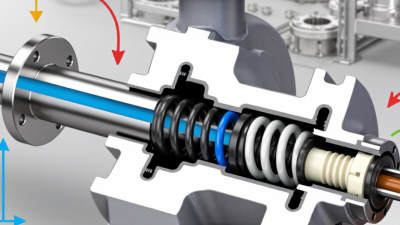

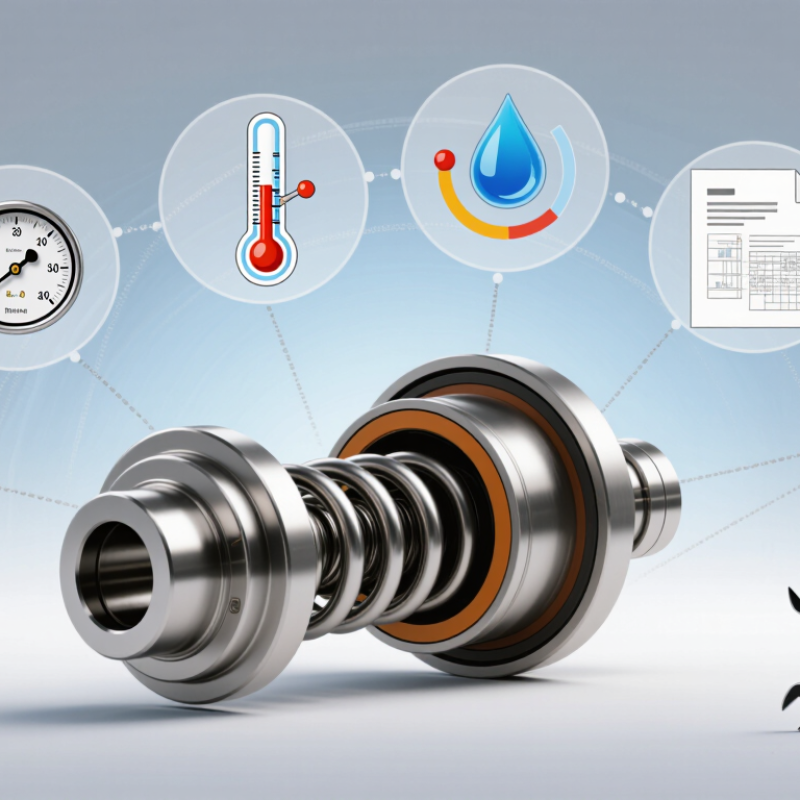
Choosing the right spring mechanical seal starts with the manufacturer’s operating data, not a guess based on shaft size. Record the allowed pressure, speed, temperature, and PV limit. “Set pressure” can be misunderstood, so confirm whether the value means operating pressure, pressure differential, or a test condition. A seal rated for 10 bar may perform differently when pressure fluctuates rapidly.
Check speed at the actual shaft diameter and rotation direction. Surface speed increases with diameter, even when RPM stays unchanged. Temperature also deserves close attention. Measure the fluid temperature near the seal chamber, not only at the process tank. Hot fluid can expand, reduce lubrication, and harden elastomers. Cold fluid may increase viscosity and restrict spring movement.
PV limits help connect pressure with sliding speed. A seal may tolerate high pressure at low speed, but fail at the same pressure during fast rotation. Keep a written selection record with fluid type, solids, pressure spikes, RPM, and temperature changes. Small details matter. In one review, the listed pressure looked acceptable, but startup pressure was much higher than normal running pressure. The first selection was reasonable, yet incomplete. Recheck the data under startup, shutdown, and cleaning conditions. If the application approaches any published limit, request a technical review instead of treating the rating as a target.