What is Cartridge Seal and How Does It Work?
Cartridge seals play a vital role in various industrial applications. They provide a reliable barrier that prevents leaks and contamination. Understanding how a cartridge seal functions can help in choosing the right solution for your needs.
A cartridge seal typically consists of multiple components, working together to ensure effective sealing. This design simplifies installation and maintenance as it comes as a complete unit. Many industries rely on cartridge seals for their durability and efficiency. However, improper installation can lead to issues like premature failure.
In addition to their benefits, it is crucial to recognize the potential drawbacks of cartridge seals. For instance, they may not be suitable for all fluid types or temperatures. Careful consideration of the application is essential. This understanding fosters better decision-making when selecting a sealing solution for various processes.
What is a Cartridge Seal?
A cartridge seal is a mechanical device used to prevent leakage in rotating equipment. It consists of a seal mounted in a housing. This design simplifies installation and maintenance. The key aspect lies in its ability to offer durability and reliability. Cartridge seals feature a compact design, making them ideal for tight spaces. They often use two or more sealing surfaces to enhance efficiency.
These seals work by creating a barrier against fluids. The contact between the rotating and stationary parts generates a pressure differential. This dynamic interaction minimizes leaks. Many industries benefit from using cartridge seals, including chemical processing and oil extraction. However, they require careful installation to function properly. Misalignment can lead to premature wear or failure.
Users often overlook the importance of regular maintenance. Over time, seals can degrade, leading to inefficiencies. It’s crucial to monitor their condition and address any signs of wear. A proactive approach can save significant costs and downtime. Despite their advantages, the learning curve for installation and inspection can be steep for some operators. Understanding the nuances of cartridge seals enhances overall equipment performance.
What is Cartridge Seal and How Does It Work?
| Dimension |
Description |
| Type |
Mechanical Seal |
| Application |
Used in pumps and mixers |
| Material |
Ceramic, Carbon, Stainless Steel |
| Function |
Prevents fluid leakage |
| Installation |
Easy to replace and install |
| Advantages |
High durability and efficiency |
| Maintenance |
Minimal maintenance required |
Components of a Cartridge Seal
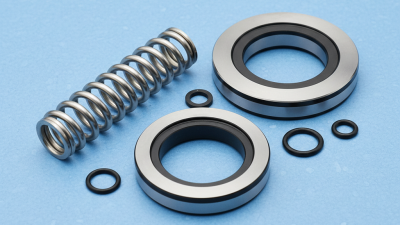
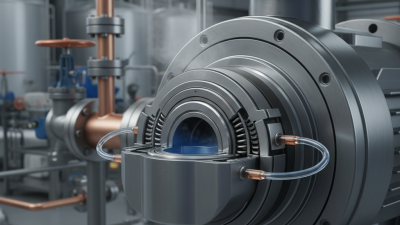
A cartridge seal is an essential component in various machines, particularly in pumps. Understanding its components helps in appreciating how it functions effectively. A typical cartridge seal consists of a rotating element, a stationary element, and a spring mechanism. The rotating element is attached to the shaft and rotates with it. The stationary element is fixed in place, creating a sealing interface against the fluid. The spring maintains pressure, ensuring that the seal does not leak.
Tips: Regular maintenance of cartridge seals can prevent leaks and extend their life. Check for signs of wear or damage during routine inspections.
The design of cartridge seals often incorporates materials resistant to high temperatures and corrosive environments. This allows them to perform under various conditions. Each part’s interaction contributes to the overall reliability of the seal. However, improper installation can lead to premature failure. It's crucial to follow proper guidelines during the installation process.
Tips: Always refer to installation guides for the specific seal being used. This can save time and resources in the long run. Regular evaluations help identify potential issues before they escalate.
Principle of Operation for Cartridge Seals
Cartridge seals are integral parts of many industrial applications. Their operation is based on a relatively simple principle. They prevent leaks in rotating equipment, primarily pumps and mixers. These seals utilize a combination of stationary and rotating elements to create a barrier. This design results in fewer parts than traditional seals, which often leads to reduced maintenance.
The principle of operation involves a dynamic sealing interface. A rotating part, often called the seal face, engages with a stationary face. This interaction generates a frictional force that keeps the fluids contained. Material choice plays a critical role here. Hard materials resist wear but can struggle with specific applications. Softer materials might excel at creating a seal but wear out faster. This duality requires careful consideration during selection.
Operational challenges exist. Temperature fluctuations and pressure changes can impact performance. Regular monitoring is necessary to ensure continued efficacy. Wear can be accelerated by misalignment or improper installation. These factors highlight the importance of understanding the specific application's conditions. Adapting the design to fit unique operational needs can significantly enhance longevity and reliability.
Advantages of Using Cartridge Seals
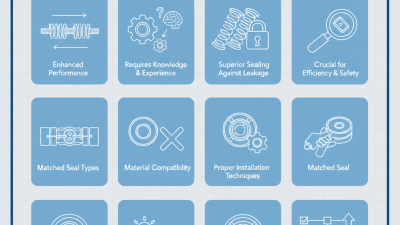
Cartridge seals are widely known for their reliability in various industries. One significant advantage of using cartridge seals is their ease of installation. Unlike traditional seals that require careful alignment, cartridge seals come as a pre-assembled unit. This reduces the chances of installation errors and minimizes downtime.
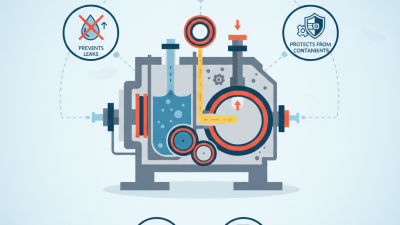
Another notable benefit is the enhanced safety they provide. Cartridge seals are designed to contain fluid leaks effectively. This containment reduces the risk of contamination and protects the environment. Companies can save on cleanup costs and prevent potential fines. The design also protects the components from wear, leading to a longer lifespan.
Tips: Regular maintenance is crucial. Inspect cartridge seals periodically. Look for any signs of wear or leakage. If you notice anything unusual, replace them immediately. Doing so will prevent major issues later. Additionally, ensure to train your staff on proper seal handling techniques. This training can significantly reduce installation errors.
These seals can be more expensive upfront. However, they often prove to be cost-effective over time. Consider the long-term benefits. Less downtime and lower maintenance costs contribute to better overall efficiency. Many companies will appreciate the trade-off between initial cost and lifetime savings. Reflecting on your choices can lead to better decision-making.
Advantages of Using Cartridge Seals
Applications of Cartridge Seals in Various Industries
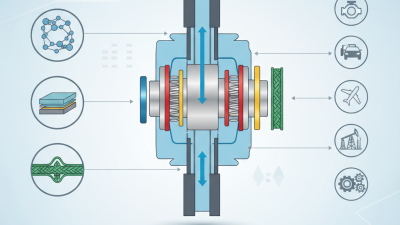
Cartridge seals play a vital role in various industries, ensuring efficient operations and preventing leaks. These seals are commonly used in chemical processing, oil and gas, and water treatment sectors. According to a report by Research and Markets, the global cartridge seal market is expected to grow at a CAGR of 4.3% from 2021 to 2026, illustrating their increasing importance.
In the chemical processing industry, cartridge seals are crucial for maintaining the integrity of systems handling corrosive substances. They minimize downtime and reduce maintenance costs. In oil and gas, these seals prevent leakage, which can lead to catastrophic failures and environmental hazards. A study from the American Petroleum Institute reveals that leaks can cost the industry billions annually. Similarly, water treatment facilities benefit from cartridge seals by ensuring reliable operations and meeting regulatory standards.
Despite their advantages, there are challenges users must consider. Proper installation is essential for effective performance. If not installed correctly, even the best cartridge seals can fail. Continuous training and awareness about these seals is necessary for maintenance teams. Companies should also keep a close eye on wear and tear, as defects can lead to safety issues and costly repairs. Engaging knowledgeable professionals for regular evaluations is crucial to maintaining these seals’ efficiency.