What is a Mechanical Shaft Seal and How Does It Work?
A Mechanical Shaft Seal is a critical component in many machines. It ensures that fluids stay contained within a system, preventing leaks. These seals protect equipment from damage, enhancing reliability and efficiency.
Understanding how a Mechanical Shaft Seal works is essential. It typically consists of two main components: a rotating part and a stationary part. The seal creates a barrier, minimizing friction and wear. This protects both the shaft and the surrounding environment.
In practice, the effectiveness of a Mechanical Shaft Seal depends on its design and material. Factors like temperature and pressure play a role in seal performance. Not all seals may function perfectly in every scenario. Therefore, proper selection and maintenance are vital for optimal operation.
What is a Mechanical Shaft Seal?
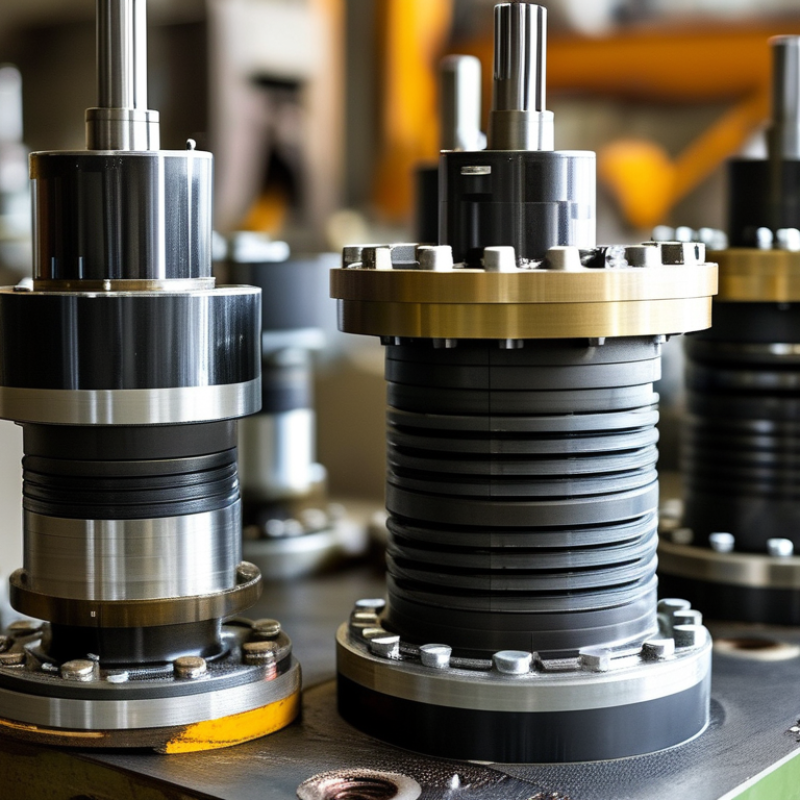
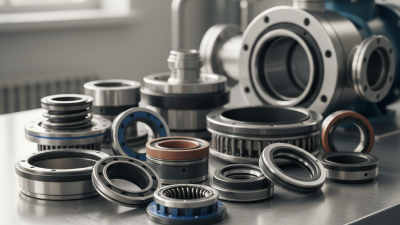
A mechanical shaft seal is a vital component in various machinery, designed to prevent fluid leakage. These seals are commonly used in pumps, motors, and compressors. They help maintain the integrity of a system by ensuring that liquids or gases do not escape from the rotating shaft. The seal consists of two main parts: the stationary part and the rotating part. Together, they create a barrier against leaking fluids.
The operation of a mechanical shaft seal relies on friction. The stationary part is mounted on the housing, while the rotating part is attached to the shaft. When the shaft spins, the two components work against each other, forming a tight seal. This prevents contamination and loss of pressure, crucial in maintaining system efficiency. Poorly installed seals can lead to leaks, which may damage the machinery over time.
In the real world, selecting the right seal can be a challenge. Each application has unique requirements. Factors like pressure, temperature, and the type of fluid are essential in making decisions. Sometimes, seals fail unexpectedly, leading to costly repairs. Regular maintenance and inspections are necessary to ensure optimal performance. Overlooking these aspects can have detrimental effects on equipment lifespan.
Components of a Mechanical Shaft Seal
Mechanical shaft seals are critical components found in various machinery. They prevent fluids from leaking along the rotating shaft, playing a vital role in maintaining operational efficiency. Understanding their components can highlight their importance.
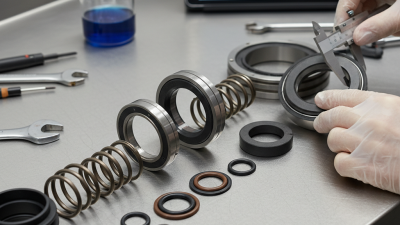
At the heart of a mechanical shaft seal is the sealing face. This is where the primary sealing occurs. Typically made from materials like carbon or ceramic, the sealing face can resist wear and heat. Another key component is the secondary sealing element. This rubber or elastomer part ensures that any possible leaks are minimized. Spring-loaded mechanisms often provide the necessary pressure to keep the sealing faces in contact, adapting to wear over time.
Additionally, a sealing gland houses and supports these components. It plays a crucial role in maintaining alignment and stability. However, not every installation is perfect. Misalignment can lead to premature wear or failure. Maintenance is essential to recognize these flaws early. Regular checks can ensure optimal operation, but human error is always possible. Understanding these complexities can help in improving seal design and performance.
How Mechanical Shaft Seals Function
Mechanical shaft seals play a crucial role in various industrial applications.
They are designed to prevent fluids from leaking along the rotating shaft.
Understanding how these seals function helps in maintenance and replacement decisions.
The primary components of a mechanical shaft seal include two flat surfaces pressed against each other.
One surface is stationary, while the other rotates with the shaft.
This simple design effectively creates a barrier.
During operation, the faces must remain perfectly aligned to avoid leakage.
However, wear and tear can affect this alignment, leading to potential failures.
Regular inspections can help identify such issues.
In many cases, there are subtle signs of seal wear.
These may include slight leakage or unusual noise.
Addressing these symptoms early can save time and resources.
Despite their effectiveness, troubleshooting mechanical seals requires expertise.
Operators should stay informed about best practices for installation and maintenance.
This ensures optimal performance and extends the life of the seals.
Applications of Mechanical Shaft Seals in Industry
Mechanical shaft seals play a vital role in various industrial applications. They are primarily designed to prevent leaks in rotating equipment. This is crucial in processes that involve liquids or gases under pressure. In pumps, for example, these seals help maintain efficiency and safety. A well-functioning seal can significantly reduce the risk of contamination.
In the automotive industry, mechanical shaft seals are essential. They ensure that oil stays inside the engine, preventing leaks that could lead to failures. Similarly, in manufacturing, these seals are used in motors and turbines. They protect internal components from dirt and moisture, extending the lifespan of the equipment. However, improper installation or degradation over time can lead to unexpected failures.
Industries rely heavily on these seals for operational integrity. Yet, some sectors face challenges with seal compatibility in extreme conditions. High temperatures or aggressive chemicals can compromise performance. Continuous monitoring and regular maintenance are necessary. Striking a balance between performance and durability remains an ongoing challenge for engineers in the field.
What is a Mechanical Shaft Seal and How Does It Work? - Applications of Mechanical Shaft Seals in Industry
| Application Area |
Seal Type |
Operating Conditions |
Common Materials |
Benefits |
| Pumps |
Single Mechanical Seal |
High Pressure and Temperature |
Carbon, Ceramic, Elastomer |
Leak Prevention, Low Maintenance |
| Compressors |
Dual Mechanical Seal |
Vacuum and High Pressure |
Stainless Steel, Carbon, Graphite |
Extended Life, Reduced Emissions |
| Mixers |
Cartridge Mechanical Seal |
High Viscosity Fluids |
Thermoplastics, Elastomers |
Easy Installation, High Performance |
| Dryers |
Bellows Seal |
High Temperature Applications |
Teflon, Silicone |
Chemical Resistance, Versatile Use |
| Hydraulic Systems |
Rotary Seal |
Dynamic Pressure Fluctuations |
Polyurethane, Metal Alloys |
High Reliability, Low Leakage |
Maintenance and Troubleshooting for Mechanical Shaft Seals
Mechanical shaft seals play a crucial role in many industrial applications. They prevent fluid leakage in rotating equipment. However, proper maintenance is essential to ensure their longevity and performance.
One fundamental aspect of maintenance is regular inspection. Signs of wear, such as discoloration and surface damage, indicate potential failures. A study by the American Society of Mechanical Engineers states that 30% of mechanical seal failures stem from installation errors. Proper installation can mitigate these risks significantly.
**Tip:** Always refer to installation guidelines specific to your application.
Troubleshooting involves various factors. Overheating is a common issue. This can arise from misalignment or excessive vibration. Monitoring these conditions can help identify problems early. According to industry reports, up to 60% of mechanical seal issues can be traced back to improper lubrication or operating conditions.
**Tip:** Keep detailed maintenance records to identify recurring issues.
By regularly assessing seal conditions and addressing potential problems, you can extend the lifespan of mechanical shaft seals. Ignoring small signs can lead to costly breakdowns. It’s essential to invest in preventive measures to avoid significant downtime.
Mechanical Shaft Seal Efficiency Over Time
This bar chart illustrates the efficiency of mechanical shaft seals over a period of time. As indicated, the efficiency starts at 100% when new and gradually declines each year, showcasing the importance of regular maintenance and timely replacement to ensure optimal performance.