2026 How to Choose Metal Bellow Mechanical Seals for Optimal Performance?
In the world of sealing technology, Metal Bellow Mechanical Seals stand out for their reliability and performance. Expert John Smith, a recognized authority in mechanical engineering, once said, “Choosing the right seal can make or break an operation.” This highlights the significance of selecting the appropriate Metal Bellow Mechanical Seals for industrial applications.
Many factors influence the choice of these seals. Material selection, pressure ratings, and temperature tolerances are all critical. Knowing the specific requirements of your operation is essential. An ineffective choice can lead to leaks and increased maintenance costs. The intricacies of various designs may overwhelm engineers, particularly those new to this field.
Understanding the nuances of Metal Bellow Mechanical Seals takes experience and critical analysis. Each choice should be backed by data. Users must not overlook the importance of consulting experts like Smith. Imperfections in seal design can lead to operational setbacks, making informed decisions crucial. In this industry, the stakes are high, and every detail matters.
Understanding the Basics of Metal Bellow Mechanical Seals
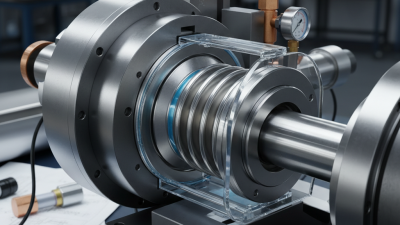
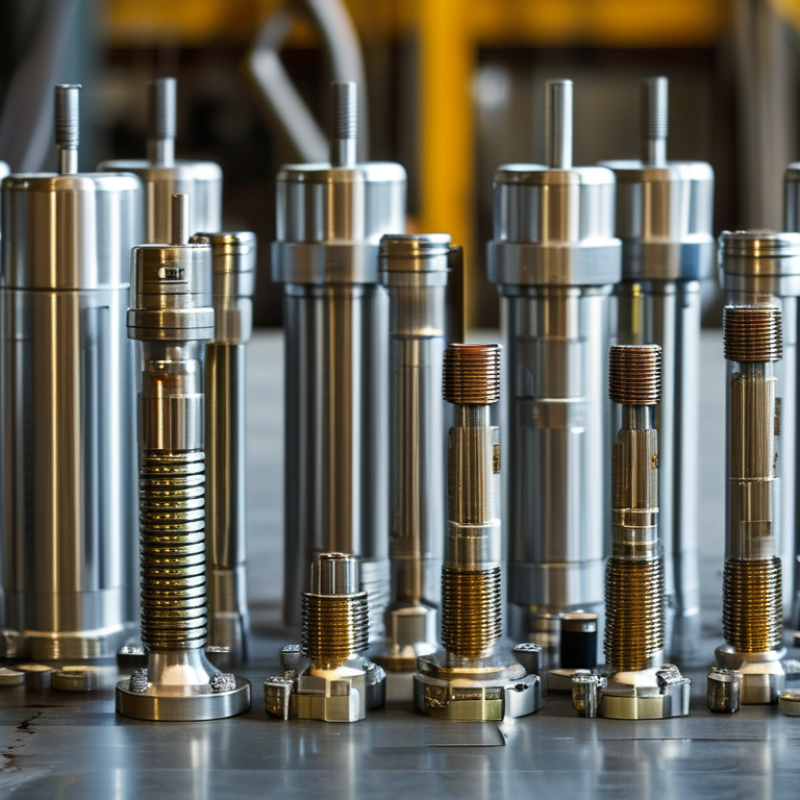
Metal bellow mechanical seals are crucial in many industrial applications. They provide effective sealing solutions, especially in rotating equipment. Understanding the basic components is essential for optimal performance. These seals consist of a flexible metal bellows, which responds to pressure changes. This design helps maintain a tight seal under various conditions.
One common issue is wear and tear. Over time, the metal bellows can degrade due to vibrations or improper installation. Regular maintenance and inspection can help identify these problems early. It’s also important to select the right materials for the intended environment. Corrosive substances can impact the seal's lifespan.
Another critical factor is the alignment of the sealing components. Misalignment can lead to premature failure. Combining correct installation techniques with the right materials maximizes the seal's effectiveness. Engineers must evaluate every operational detail to ensure reliability. Balancing these aspects is not always straightforward, but attention to detail pays off in performance.
Key Factors Influencing Performance of Metal Bellow Seals
Metal bellow mechanical seals play a critical role in various industrial applications. Understanding their performance is essential for optimum efficiency. Several key factors can significantly influence how well these seals function. Material selection is paramount. Different environments lead to varying wear rates. The right material can enhance durability and performance.
Installation quality is another crucial factor. Improper installation can cause leaks or seal failures. Training is important for technicians to ensure correct fitting. Regular maintenance is vital too. Over time, seals can degrade due to temperature fluctuations or chemical exposure. Monitoring seal integrity helps prevent costly downtime.
Furthermore, pressure considerations cannot be overlooked. Metal bellows must withstand different pressure levels based on their application. Choosing the right design for the specific operating conditions is essential. The geometry of the bellow impacts both flexibility and compressibility. An effective design aligns with the system's operational requirements, leading to improved performance.
Performance Influencing Factors of Metal Bellow Mechanical Seals
Materials Selection for Optimal Durability and Functionality
When selecting materials for metal bellow mechanical seals, durability and functionality are paramount.
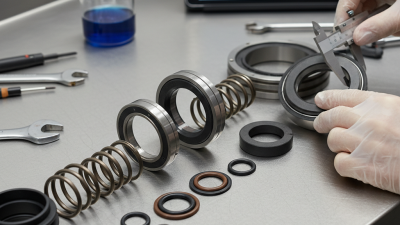
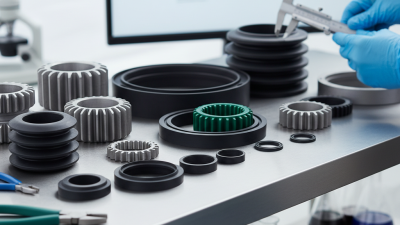
The ideal material must resist wear, corrosion, and extreme temperatures. Common materials include
stainless steel, PTFE, and elastomers. Each has unique properties tailored for specific applications.
Tips: Consider the operating environment. High temperatures might require specialized materials like Inconel. Assess the chemical compatibility with the fluids being sealed. Make sure to consult technical data sheets for guidance.
It’s essential to evaluate the application demands. Certain environments can create unexpected challenges. Frequent maintenance might indicate material fatigue. Often, engineers must refine their choices based on
real-world performance data.
Tips: Don't overlook the seal's lifecycle. A thorough analysis of historical performance can enlighten future decisions. Regular testing can help in
identifying optimal materials that withstand wear.
Installation Best Practices for Enhanced Seal Efficiency
When installing metal bellow mechanical seals, attention to detail is crucial for performance. Proper alignment and precise torque application can greatly enhance seal efficiency. Misalignment often leads to premature wear. A focus on uniform torque across all bolts prevents leakage.
Tips:
Always use a torque wrench. Ensure the bellow is undamaged before installation. Inspect the mating surfaces for cleanliness and geometry.
Temperature and pressure ratings should match the application. During installation, avoid contamination from oils and dust. This could compromise seal integrity.
Regular inspections post-installation can reveal weaknesses early.
Tips: Keep a clean workspace. Use lint-free cloths for any contact areas. Document installation parameters for future reference.
When seals fail, it may be tempting to blame the product. However, understanding installation best practices is often key to optimal performance. Regular training for maintenance personnel can aid in avoiding common pitfalls.
Maintenance Tips for Prolonging the Life of Metal Bellow Seals
Metal bellow mechanical seals are vital in various industries. To extend their lifespan, regular maintenance is essential. According to a report by the American Society of Mechanical Engineers, improper maintenance is responsible for up to 40% of seal failures. Checking the seals for wear and tear every few months can prevent costly downtimes.
Lubrication plays a key role in the performance of metal bellow seals. Many professionals recommend using appropriate lubricants to minimize friction. However, over-lubrication can lead to contamination, which hampers the seal's effectiveness. It's crucial to find a balance based on operational conditions. The choice of lubricant should align with the specific environment in which the seal operates.
Monitoring operational conditions regularly can reveal potential issues early. Temperature fluctuations and pressure variations can be particularly damaging. Research indicates that seals operating in extreme conditions can lose functionality 30% faster than those in stable environments. Keeping a consistent work environment may require adjustments in equipment settings. Ignoring these factors can lead to premature failures. Regular training for maintenance teams is necessary to emphasize the importance of these checks and balances.