How to Choose the Right Mechanical Seals for Your Needs?
Choosing the right mechanical seals is crucial for various applications, including pumps and compressors. The mechanical seal market is projected to grow significantly, with an estimated value of $5.24 billion by 2027, according to recent industry reports. As industries evolve, the demand for efficient and reliable sealing solutions increases.
Mechanical seals play a vital role in preventing leaks and ensuring operational efficiency. Inadequate selection can lead to increased downtime, safety hazards, and higher operational costs. For instance, a slight error in choosing the wrong material can cause premature failures. Studies show that around 50% of seal failures are due to improper selection and installation.
To navigate these challenges, it’s essential to understand the types, materials, and applications of mechanical seals. Consulting with industry experts can provide valuable insights. Remember, a thoughtful approach to your mechanical seal choice can make a significant difference.
Understanding Mechanical Seals and Their Applications
Mechanical seals play a crucial role in many industries. Understanding their applications can help in selecting the right type for your needs. These seals are designed to prevent leakage in rotating equipment, commonly found in pumps and compressors. According to a report by MarketsandMarkets, the global mechanical seal market is projected to reach $6.2 billion by 2025, indicating their increasing relevance in various sectors.
Applications of mechanical seals vary widely. They are essential in chemical processing, water treatment, and food production. Each application has different requirements concerning pressure, temperature, and fluid characteristics. For example, in the chemical industry, seals must withstand aggressive chemicals. In contrast, seals for food processing need to meet strict hygiene standards. Understanding these specifics is vital.
Despite advancements, challenges remain. Seals can fail due to improper installation or material incompatibility. A study from the American Society of Mechanical Engineers indicates that nearly 50% of seal failures are caused by these factors. Thus, evaluating operational conditions and aligning them with the right seal type is essential. Proper selection can drastically reduce downtime and maintenance costs. It’s a detailed process requiring careful thought and often, reevaluation.
This chart illustrates the usage distribution of different types of mechanical seals, showing the frequency of application in various industries. Elastomeric seals are the most commonly used, while graphite seals are the least frequent.
Types of Mechanical Seals and Their Suitability
Choosing the right mechanical seal can be challenging. Understanding the types of mechanical seals is essential for effective application. Each type serves a specific purpose, depending on the fluid dynamics and operational conditions.
There are several common types of mechanical seals. Spring-loaded seals are versatile and widely used in various industries. They are effective for moderate pressure and temperature conditions. T-ring seals, on the other hand, provide excellent sealing capabilities for rotating shafts. They work well in environments with contaminants. Magnetic seals offer a unique benefit by eliminating wear, but their application is limited to specific scenarios.
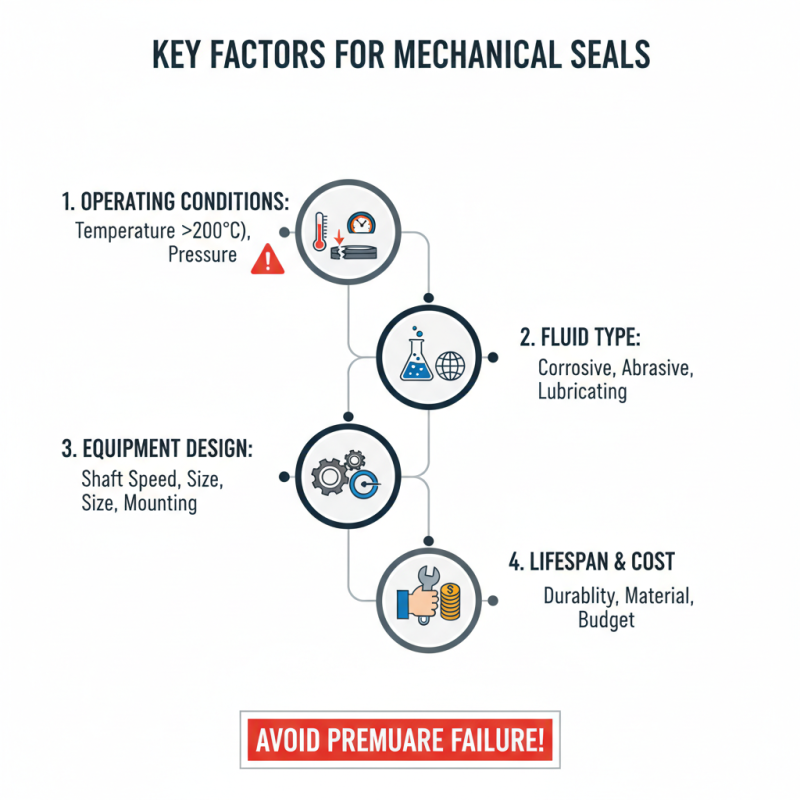
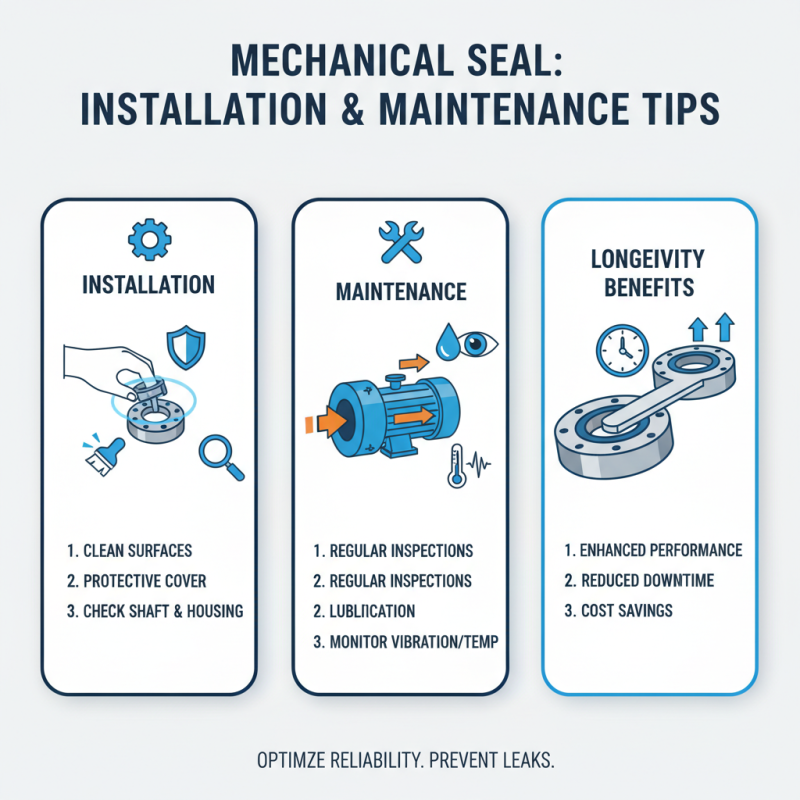
Consider the environment where the seals will operate. Compatibility with the fluid is crucial. The temperature and pressure ratings must also align with the chosen seal. It’s vital to reflect on potential maintenance issues. Sometimes, a seal might fail prematurely due to misalignment or installation errors. Therefore, investing time in selecting the appropriate seal can prevent larger issues down the line.
How to Choose the Right Mechanical Seals for Your Needs? - Types of Mechanical Seals and Their Suitability
| Type of Mechanical Seal |
Application |
Material |
Temperature Range |
Pressure Range |
Special Features |
| Elastomeric Seals |
Water and wastewater treatment |
Rubber compounds |
-30°C to 100°C |
Up to 10 bar |
Good resistance to abrasion |
| Spring Loaded Seals |
Chemical processing |
PTFE or ceramic |
-40°C to 200°C |
Up to 20 bar |
Self-adjusting ability |
| Mechanical Seals with Graphite |
Pumps and compressors |
Graphite and stainless steel |
-50°C to 300°C |
Up to 50 bar |
Excellent thermal conductivity |
| Cartridge Seals |
Heavy-duty applications |
Various alloys |
-25°C to 150°C |
Up to 40 bar |
Easy installation and maintenance |
| Dual Mechanical Seals |
High-pressure applications |
Ceramic and metal |
-20°C to 250°C |
Up to 100 bar |
Reduces leakage and contamination |
Material Selection for Mechanical Seals: What to Know
When selecting mechanical seals, material choice is crucial to ensure performance and longevity. Factors like temperature, pressure, and chemical exposure must guide this choice. Common materials include elastomers, PTFE, and metal. Each material offers unique benefits and drawbacks. For instance, PTFE is highly resistant to chemicals and temperatures but may not handle high pressures well. In contrast, metal components are strong but can corrode if not properly coated.
Consider the application type. In industries such as oil and gas, choosing the right seal can prevent costly leaks. According to a report by the Mechanical Seal Association, improper seal selection can lead to failures in 60% of applications. This statistic underlines the importance of careful material analysis. Pay attention to your specific conditions. The right seal can significantly enhance system reliability and efficiency.
Tips: Test the seal material against your application conditions. Seek expert advice when unsure. Regularly review your system's performance to identify areas for improvement. Different environments may require different materials over time. Stay flexible and informed to adapt successfully.