Top Elastomer Bellows Uses and Benefits for Global Buyers?
Elastomer Bellows play a crucial role across various industries. These flexible components offer excellent sealing solutions and dampening properties. The global demand for elastomer products is projected to reach $80 billion by 2025, highlighting their importance. Companies seek high-performance materials to enhance productivity and reliability.
In industrial settings, elastomer bellows are vital for protecting sensitive machine parts. They isolate moving components, preventing dust and moisture ingress. Reports suggest that nearly 30% of equipment failures stem from contamination. Thus, investing in quality elastomer bellows can significantly improve operational efficiency.
Nonetheless, the selection process can be daunting. Buyers must consider factors like material compatibility and environmental conditions. Some may overlook the importance of supplier reliability, leading to costly mistakes. Overall, understanding the benefits and applications of elastomer bellows is essential for making informed purchasing decisions.
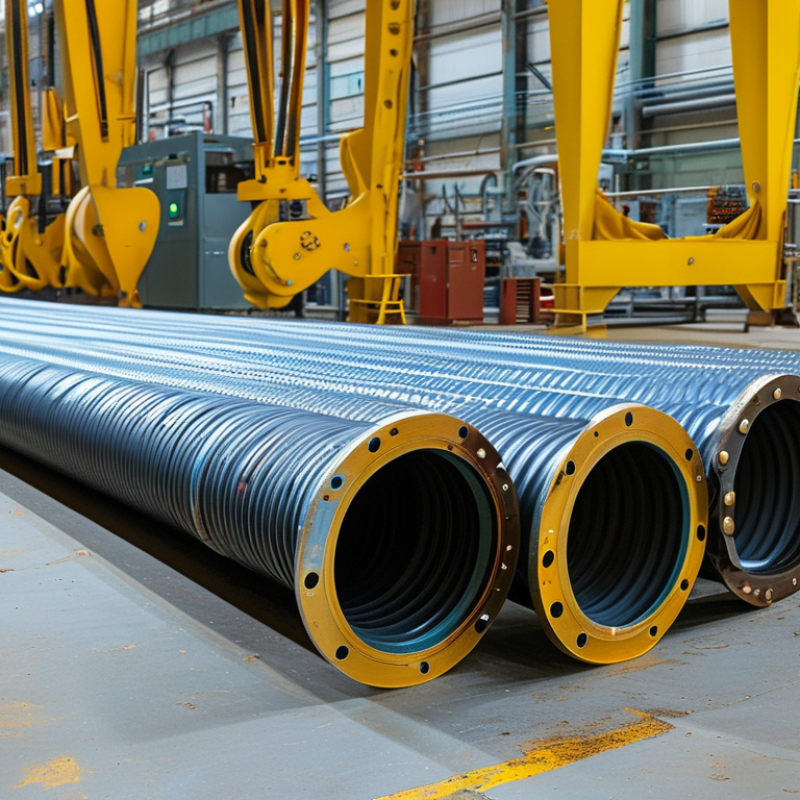
Top Applications of Elastomer Bellows in Various Industries
Elastomer bellows serve crucial roles across various industries, thanks to their flexibility and durability. They are ideal for applications in automotive, aerospace, and manufacturing sectors. In automotive systems, these bellows accommodate changes in pressure and temperature, allowing for efficient performance and reducing wear and tear. In aerospace, they help maintain integrity under extreme conditions, ensuring safety during operation.
Some applications of elastomer bellows include sealing components in engines and hydraulic systems. Their resilience to harsh chemicals makes them invaluable in chemical processing. They can prevent leakage and ensure that systems operate smoothly under pressure. However, users must regularly inspect these components. Over time, exposure to environmental factors can degrade their material properties.
**Tip:** Choose elastomer bellows that match your specific application requirements, as this can significantly affect their performance and lifespan. It’s also wise to consider the working environment. Regular maintenance checks will aid in identifying wear early and potentially prevent costly downtimes. Being proactive can save time and resources in the long run.
Benefits of Using Elastomer Bellows for Sealing and Protection
Elastomer bellows are essential components in various industrial applications. Their primary role is to provide effective sealing and protection. According to a recent industry report, the global market for elastomer bellows is projected to reach over $5 billion by 2025, highlighting their significance in sectors like automotive and aerospace.
The use of elastomer bellows offers numerous advantages. They are flexible, allowing movement while maintaining a tight seal. This flexibility is crucial in applications where components frequently expand and contract. These bellows can withstand harsh environments, including extreme temperatures and corrosive substances. Industry estimates indicate that elastomer bellows can extend the lifespan of machinery by reducing wear and tear.
However, it’s essential to recognize the limitations of elastomer bellows. Improper installation can lead to failures. Regular inspections are vital to ensure they remain functional. While these components are robust, they are not immune to wear over time. Understanding their maintenance needs is key for users. Overall, elastomer bellows serve as a reliable solution for sealing and protection in a variety of applications, despite the ongoing challenges related to durability and maintenance.
Factors to Consider When Selecting Elastomer Bellows for Your Needs
When selecting elastomer bellows, several key factors stand out. Material choice plays a crucial role. Different elastomers, like silicone or neoprene, have specific properties. These can affect durability and chemical resistance. Consider the operating environment. Exposure to temperature extremes or harsh chemicals can degrade materials over time.
Size and flexibility are also important. Bellows must fit well within your system to function correctly. Too tight or loose can lead to inefficiencies. Additionally, check for pressure ratings. Each application has unique demands that bellows must meet. Underestimating these factors can lead to premature failures.
Another aspect to ponder is installation ease. Some bellows designs allow for simpler installation than others. This can save time and costs during setup. Always evaluate the long-term performance. Some less expensive options may not offer the lifespan you need. Reflecting on these key criteria can direct you toward a better choice. Ensure your decision matches your specific application requirements.
Top Elastomer Bellows Uses and Benefits for Global Buyers
Global Market Trends Influencing Elastomer Bellows Demand
The demand for elastomer bellows is on the rise, largely influenced by various global market trends. Industries such as automotive, aerospace, and manufacturing drive this growth. Research indicates that the elastomer bellows market is projected to grow at a CAGR of 5.8% from 2022 to 2029. This growth is attributed to their excellent flexibility, durability, and resistance to chemicals and heat.
Environmental concerns also play a significant role in shaping market dynamics. Many manufacturers are shifting towards eco-friendly materials. This trend aligns with the global push for sustainability. As green technologies develop, elastomer bellows are becoming essential to various applications. They are used in dampening vibrations in electric vehicles and other machinery, which helps minimize noise pollution.
While the market shows promise, challenges remain. Supply chain disruptions can impact production timelines. Additionally, fluctuating raw material prices pose a risk to manufacturers. These variables create uncertainty that companies must navigate. Understanding these trends is crucial for stakeholders aiming to leverage elastomer bellows effectively.
Top Elastomer Bellows Uses and Benefits for Global Buyers
| Application |
Benefits |
Market Demand Influences |
| Automotive Industry |
Vibration dampening, fluid containment |
Increasing vehicle production, demand for electric vehicles |
| Aerospace |
Lightweight, high performance under extreme conditions |
Growth in air travel, innovations in aerospace technology |
| Industrial Equipment |
Durable, resistant to chemicals and wear |
Expansion of manufacturing sector, focus on automation |
| Medical Devices |
Biocompatibility, flexibility in design |
Rising healthcare demands, innovations in medical technology |
| Construction |
Weather resistance, sealing properties |
Infrastructural developments, green building initiatives |
Sustainability and Innovations in Elastomer Bellow Manufacturing
The sustainability of elastomer bellow manufacturing is crucial in today’s market. As companies seek eco-friendly materials, innovative solutions have emerged.
Natural rubber, silicone, and thermoplastic elastomers are gaining popularity.
These materials not only reduce environmental impact but also promise durability. Consumers are increasingly aware of their choices. They prefer products that contribute to a sustainable future.
Innovations in manufacturing processes further enhance these benefits. Techniques such as 3D printing allow for precise designs and reduced waste.
Energy-efficient machinery is being adopted to lower carbon footprints. Still, challenges remain. Sourcing sustainable materials can be inconsistent.
Quality control in new manufacturing methods requires careful monitoring. Buyers need to be vigilant about production standards.
Adaptability is key in this evolving landscape. Companies must balance cost with eco-friendly practices. Staying informed helps navigate these changes.
The right partnerships can lead to improvements in sustainability. Continuous innovation is essential for meeting customer demands.
As elastomer bellows gain traction, their potential for positive environmental impact grows.