10 Essential Tips for Using Multiple Spring Seals Effectively?
Using multiple spring seals can significantly enhance the performance of various mechanical systems. However, effectively managing these components requires knowledge and experience. Multiple spring seals are designed to provide superior sealing capabilities against leakage, which is crucial in maintaining efficiency and safety in any application.
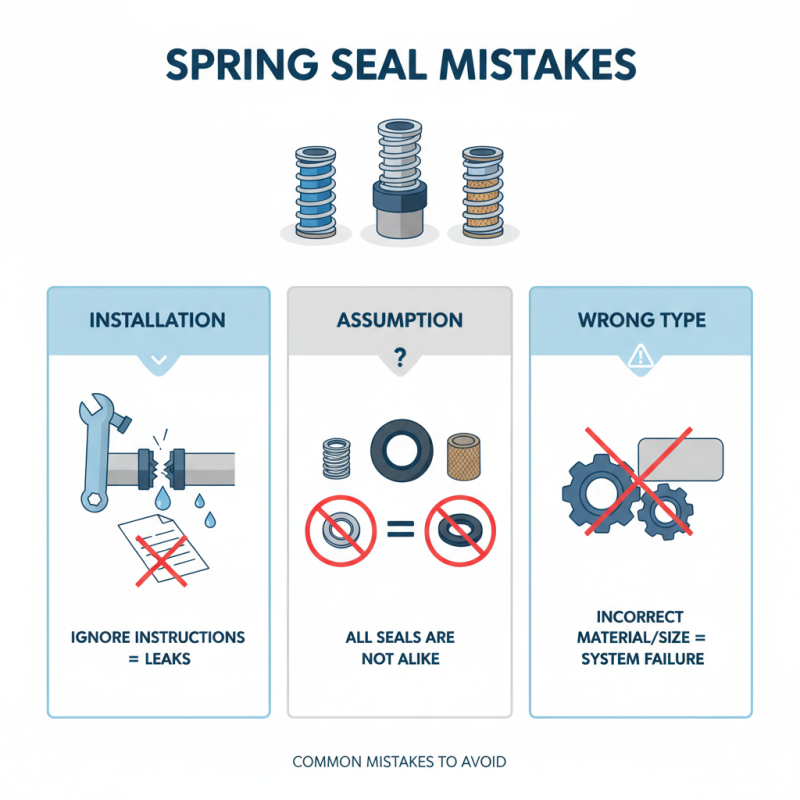
Understanding how to use them properly is essential. Many users overlook important aspects, leading to premature failures or inefficiencies. Common issues arise from inadequate installation techniques or mismatched seal types. It's vital to consider material compatibility and environmental factors to ensure optimal performance.
This guide will provide you with ten essential tips for using multiple spring seals effectively. These insights will help you avoid common pitfalls. With a focus on practical applications and strategies, you'll gain the knowledge needed to enhance your sealing solutions. Emphasizing real-world examples, this guide aims to improve both your understanding and application of multiple spring seals.

Understanding the Basics of Spring Seals and Their Applications
Spring seals play a pivotal role in various industries, including automotive and machinery. Their functionality is rooted in preventing fluid leakage, ensuring system efficiency. According to a recent industry report, approximately 30% of equipment failures are linked to seal failures. This highlights the importance of choosing the right spring seal for each application. Understanding the environment, pressure, and temperature can directly impact seal performance.
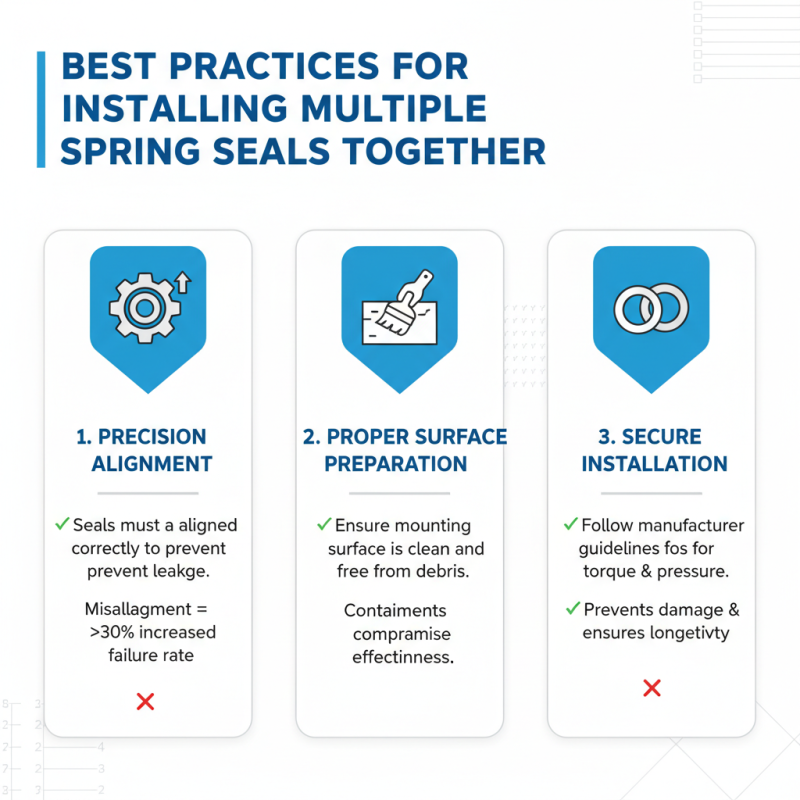
Installation practices also significantly affect seal longevity. Many users overlook proper alignment, which can lead to premature wear. A study found that over 50% of seal failures were due to improper installation. This emphasizes the need for meticulous attention during setup. Regular maintenance checks are equally critical. Routine inspections can help identify wear patterns, allowing for timely replacements and avoiding costly downtime.
The selection of materials influences seal effectiveness. Different industries may require seals that withstand chemicals or extreme temperatures. Studies suggest that around 40% of users may not consider material compatibility, risking system integrity. Real-world applications demand a proactive approach to understanding both the basic mechanics and the specifics of spring seals. Such awareness can greatly improve operational reliability across various sectors.
Effectiveness of Different Spring Seal Types in Various Applications
Identifying the Different Types of Spring Seals Available
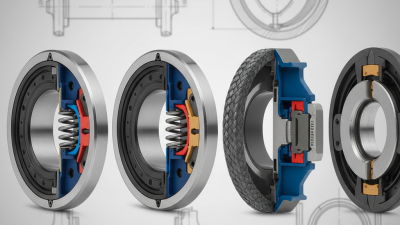
Spring seals play a crucial role in various applications, ensuring tight sealing under pressure. There are several types of spring seals available, each designed for specific conditions. Understanding these types can enhance their effectiveness. Common types include rubber, metal, and composite materials. Each type has its strengths and weaknesses, which can affect performance.
Rubber spring seals are versatile and widely used. They are often found in automotive and industrial applications due to their resilience.
Metal spring seals, on the other hand, offer superior durability. These are preferred in high-temperature or high-pressure environments. Composite seals combine the benefits of both materials, providing enhanced flexibility and strength.
It’s essential to assess the application's requirements before selecting a seal.
Choosing the right spring seal involves careful consideration. Factors like temperature, pressure, and medium must be evaluated. Not all seals perform well in every condition. Testing different types ensures compatibility and effectiveness.
Be ready to experiment and refine choices based on feedback and performance results. An effective seal can reduce leaks and improve overall system efficiency.
Maintenance Tips for Ensuring Longevity of Spring Seals
Maintaining multiple spring seals requires a consistent approach to ensure their longevity and effectiveness. Regular inspection is crucial. Look for any signs of wear, such as cracks or deformation. This can help you catch potential issues early. Ensure that the seals are properly lubricated. Insufficient lubrication can lead to increased friction and faster wear, shortening their lifespan.
Cleaning is another vital aspect. Accumulated dirt and debris can compromise the seal's performance. Use a soft cloth to wipe away residue without damaging the seal. Storing seals in a cool, dry place when not in use can prevent deterioration. Remember, exposure to extreme temperatures can change the material properties of seals.
Lastly, it’s essential to install seals correctly. Misalignment or improper fitting can lead to premature failure. Take your time during installation. Checking pressure levels periodically helps to identify if seals are functioning as intended. This proactive method promotes reliability in your system and enhances the overall performance of your equipment.
10 Essential Tips for Using Multiple Spring Seals Effectively
| Tip Number |
Maintenance Tip |
Description |
Frequency |
| 1 |
Regular Inspection |
Inspect seals for wear and tear. |
Monthly |
| 2 |
Lubrication |
Apply appropriate lubricant to extended life. |
Every 3 months |
| 3 |
Avoid Overstretching |
Ensure seals are not under excessive strain. |
Constantly |
| 4 |
Maintain Clean Environment |
Keep work areas clean to reduce contamination. |
Ongoing |
| 5 |
Check Temperature Conditions |
Ensure seals are operating within recommended temperature. |
Every 2 months |
| 6 |
Monitor Pressure Levels |
Keep pressure within specified limits for longevity. |
Daily |
| 7 |
Proper Installation |
Ensure seals are properly installed to prevent leaks. |
As needed |
| 8 |
Replace Damaged Seals |
Replace seals that show signs of damage immediately. |
As detected |
| 9 |
Use Compatible Materials |
Choose seals compatible with the fluids used. |
Always |
| 10 |
Training for Personnel |
Ensure staff is trained on handling spring seals properly. |
Annually |