How to Choose the Right Mechanical Shaft Seal for Your Needs?
Choosing the right Mechanical Shaft Seal is critical for optimal equipment performance. These seals prevent leaks in rotating shafts, protecting machinery and enhancing efficiency. According to a 2022 industry report, improper sealing can lead to losses of up to 30% in fluid management systems. This impacts operating costs and environmental safety.
Understanding the various types of Mechanical Shaft Seals is essential. Each type serves specific applications, from pumps to mixers. A mismatched seal can cause premature failure or even catastrophic equipment breakdowns. The market for mechanical seals is projected to grow steadily, reaching $4 billion by 2025. This growth highlights the increasing importance of selecting the right seal for each application.
Recognizing the unique demands of your equipment aids in making informed decisions. Consider factors like pressure, temperature, and fluid type. Additionally, some reports indicate that over 25% of mechanical seal failures result from installation errors. Continuous education and expert consultation are vital in avoiding such pitfalls.
Understanding the Basics of Mechanical Shaft Seals
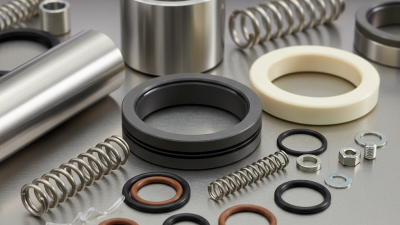
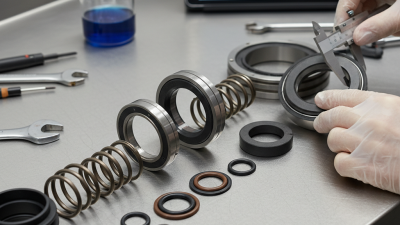
Mechanical shaft seals play a crucial role in various applications across industries. They prevent leakage and protect machinery from contaminants. Understanding their basic components can help in choosing the right seal for specific needs. These seals typically consist of rotating and stationary parts, a spring mechanism, and a sealing surface. Each component must be compatible with the fluids being contained, and the operating conditions should be considered.
Tips: Evaluate the material of the sealing surfaces. Different materials offer varying levels of durability against corrosion and wear. The working environment's temperature and pressure also influence your choice. It’s essential to have seals that can withstand these factors.
The design of the seal impacts its performance significantly. Mechanical seals can be single or double, each serving different purposes. Single seals are simpler but might not be suitable for all applications. On the other hand, double seals require more space and maintenance. Researching the seal design can lead to better choices.
Tips: Regular maintenance is key. Inspections can catch minor issues before they escalate. Don’t overlook the importance of proper installation. An incorrectly installed seal can lead to leaks and, ultimately, equipment failure. Always consider consulting with experts when making decisions.
Identifying Your Application's Requirements and Conditions
When selecting a mechanical shaft seal, understanding your application's requirements is crucial. First, you must consider the fluids involved. Different fluids have varying chemical properties. For instance, aggressive chemicals may require seals made from specific materials. Even small variations can lead to seal failure if not properly aligned with fluid characteristics.
Pressure and temperature also play significant roles. High-pressure environments demand durable seals that can withstand force. Similarly, extreme temperatures can weaken materials. It's essential to analyze the working conditions thoroughly. Take note of operational extremes and how they can affect seal performance.
**Tips:** Always assess installation space. Insufficient room can complicate seal replacement. Regular maintenance checks can prevent unexpected failures. Monitoring any changes in the application can provide insights into the seal's performance. A proactive approach to evaluation is often better than reactive repairs. Understanding these operational conditions will lead to better choices in mechanical shaft seals.
Evaluating Different Types of Mechanical Shaft Seals
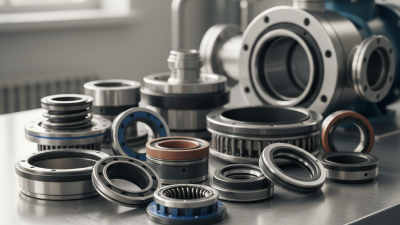
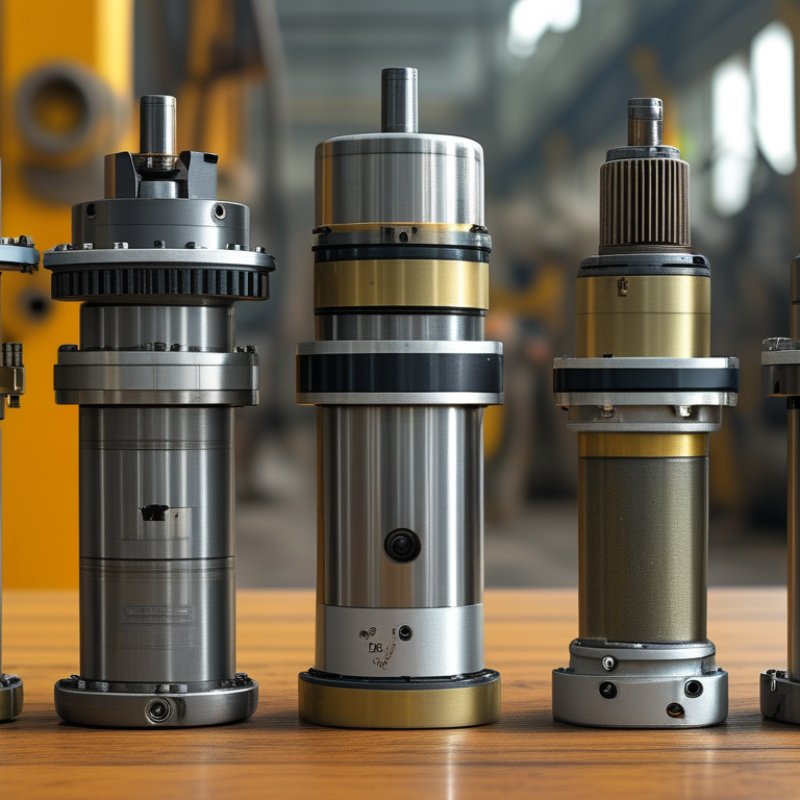
Choosing the right mechanical shaft seal can significantly impact equipment performance. Evaluating different types is essential. Mechanical shaft seals are classified into several categories. These include single seals, double seals, and cartridge seals. Each type suits various applications, offering unique advantages.
Single seals are cost-effective but may not handle high pressure well. They work best in low to moderate environments.
Double seals, however, provide an additional layer of protection. They prevent leakage more effectively, making them ideal for more demanding applications.
Cartridge seals are pre-assembled units, simplifying installation.
Tip: Consider the operating environment when selecting a seal. Temperature and fluid type can affect seal longevity.
Understanding fluid dynamic effects is crucial. The right seal type ensures minimal leakage and enhances efficiency. When mistakes occur, re-evaluating seal choices can prevent future issues.
Tip: Always consult technical specifications. They provide guidance for the best fit for your needs. Evaluating applications before making a decision can save time and resources.
Key Factors to Consider When Selecting a Mechanical Shaft Seal
Choosing the right mechanical shaft seal can significantly affect your machinery's efficiency. Understanding the key factors is essential. One main consideration is the operating environment. Temperature and pressure specifications can dictate which materials are appropriate. According to industry data, around 30% of mechanical seal failures are related to material incompatibility.
Another crucial factor is the type of fluid being sealed. Different fluids can cause varied reactions depending on the seal material. Hydrocarbon fluids, for instance, may require a different approach compared to water or corrosive substances. Research indicates that selecting the wrong seal type can lead to up to a 25% drop in sealing performance, impacting operational efficiency.
Tips: Ensure you conduct a thorough assessment of all conditions. Consider the seal's construction and the wear resistance of the materials involved. Regularly scheduled maintenance can also help identify early signs of wear, preventing costly failures. Furthermore, consider consulting industry reports for updated best practices in seal selection.
Maintenance and Replacement Considerations for Mechanical Shaft Seals
Mechanical shaft seals are crucial in preventing leaks in various industrial applications. Regular maintenance is essential for optimizing their performance. Studies indicate that a well-maintained seal can extend equipment life by up to 40%. Neglect can lead to premature failures and costly downtime.
Signs of wear often appear as leakage or unusual noises. Monitoring these early signs can help avoid larger issues. According to the American Society of Mechanical Engineers, about 30% of mechanical failures can be traced back to incorrect seal installation or material selection. Ensuring the right materials match operational conditions is vital. Factors such as temperature, pressure, and fluid type significantly influence seal longevity.
Replacement should be timely, often guided by manufacturers’ specifications. However, an average seal can have a lifespan of 2 to 5 years, depending on use. Regular inspections can reduce unexpected replacements. It’s best to consult industry reports and expert guidelines when evaluating seal performance and replacement timings. The reliability of your mechanical systems greatly hinges on diligent maintenance and informed decision-making.