Leave Your Message

How to Choose Spring Seals for Global Buyers?

Choosing Spring Seals for global equipment requires more than comparing prices or catalog dimensions. A seal that performs well in a clean water pump may fail quickly in chemical processing equipment. Temperature, pressure, shaft speed, media compatibility, and installation conditions must guide every decision. Small details matter.

Experienced buyers usually begin with the operating environment. They check whether the seal faces will contact hot oil, abrasive particles, solvents, or food-grade fluids. They also confirm shaft diameter, housing space, spring design, face materials, and elastomer options. Carbon, ceramic, silicon carbide, and tungsten carbide each offer different advantages. No material is universally best.

Reliable sourcing depends on more than technical selection. Global buyers should request material certificates, dimensional drawings, inspection records, and performance data from qualified manufacturers. Supplier experience with similar pumps or rotating equipment can reduce costly mistakes. Clear packaging and traceability also help prevent confusion during international delivery. Regional standards and customer requirements should be reviewed before purchase.

Still, selection is not always perfect. Application data may be incomplete, and laboratory results may not match field conditions. A practical buyer should identify these gaps instead of hiding them. Pilot testing, sample evaluation, and feedback from maintenance teams can reveal problems early. Seal performance is often influenced by alignment, surface finish, and installation quality. The right Spring Seals solution therefore combines engineering judgment, verified documentation, and realistic field experience. A lower initial price may become expensive after leakage, downtime, or repeated replacement. Careful questions create safer and more dependable purchasing decisions.

How to Choose Spring Seals for Global Buyers?

Understanding Spring Seal Designs and Their Operating Principles

How to Choose Spring Seals for Global Buyers?

Understanding Spring Seal Designs and Their Operating Principles

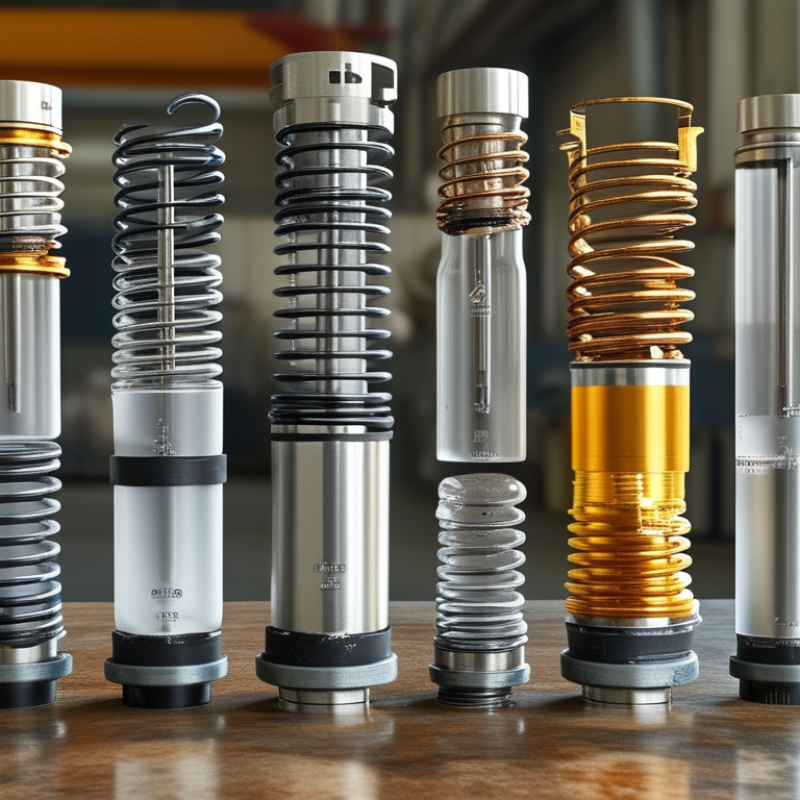
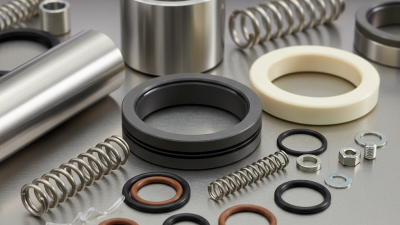
Spring seals use an elastic metal element to maintain contact when polymers relax, shrink, or face low pressure. Common designs include helical springs, canted-coil springs, and wave springs. Each creates a different loading pattern. A helical spring offers strong radial force, while a canted-coil spring supports controlled friction during reciprocating motion. Wave springs suit compact grooves and lower-load applications.

The operating principle is simple, but selection is not. The spring pushes the sealing jacket against the shaft or housing. Pressure then improves contact on one side. For vacuum service, the spring must maintain closure without relying on process pressure. Material compatibility matters equally. PTFE-based jackets often support low friction and broad chemical resistance, while engineered polymers may provide better wear resistance under abrasive movement.

Check the details.

A 2024 industrial sealing market report estimates that automotive, chemical processing, and energy applications remain major demand areas for advanced seals. However, market data does not replace application testing. I have seen a seal perform well in a static pressure test but fail after repeated dry strokes. Review temperature, pressure cycling, speed, surface roughness, groove tolerance, and media exposure. ISO 3601 dimensional guidance can support standard O-ring interfaces, but spring-seal designs may require customized grooves. One overlooked issue is installation damage: a sharp thread or dry edge can cut the jacket before commissioning. Test the actual assembly, not only the material sample.

How to Choose Spring Seals for Global Buyers?

Typical operating benchmarks for common seal designs

Spring-energized PTFE seals generally provide the widest temperature range and strong pressure capability, while U-cup seals are well suited to dynamic hydraulic applications. O-rings offer a cost-effective solution for many static and moderate-duty applications, and V-rings are commonly selected for low-pressure rotary or axial sealing. Actual performance depends on material grade, spring design, surface finish, clearance, lubrication, temperature, and installation conditions.

Matching Seal Materials to Temperature, Pressure, and Chemical Conditions

How to Choose Spring Seals for Global Buyers?

Matching seal materials to temperature, pressure, and chemicals requires more than a catalog lookup. Heat changes everything. PTFE compounds often suit cryogenic service and temperatures approaching 260°C, while FKM commonly handles around 200°C. EPDM may perform better with hot water and steam, but it can fail quickly in petroleum fluids. These figures are typical guidance, not guarantees. Compound formulation, spring material, and installation clearance can change performance.

Pressure creates a separate risk. A seal rated for high pressure may still extrude through a small gap during cycling. For demanding equipment, engineers should check pressure differential, shaft speed, compression, and rapid decompression requirements. API 6A and ISO 23936-2 provide useful qualification frameworks for oil, gas, and process applications. NACE’s IMPACT study estimated global corrosion costs at US$2.5 trillion annually, equal to about 3.4% of global GDP. Seal compatibility deserves similar financial attention.

Chemical exposure is rarely simple. Consult compatibility data for concentration, temperature, exposure time, and cleaning fluids. Hydrogenated nitrile rubber can suit many fuels, while perfluoroelastomers offer broader chemical resistance at higher cost. Spring alloys also need review in aggressive media. Small gaps matter. I still verify every selection with immersion testing or supplier qualification data, because charts cannot reproduce pressure pulses, contamination, or imperfect installation. A safer specification records the actual fluid, peak temperature, pressure cycle, tolerances, and maintenance interval.

Selecting the Right Seal Size, Profile, and Spring Type

How to Choose Spring Seals for Global Buyers?

Selecting the Right Seal Size, Profile, and Spring Type

Seal selection starts with measured hardware, not a catalog guess. Record shaft diameter, housing bore, groove width, radial clearance, pressure, speed, temperature, and fluid. ISO 3601-1 provides standardized O-ring dimensions and tolerances, but spring seals require their own groove calculations. A seal that fits the shaft may still fail through excessive squeeze or extrusion. Small errors matter.

Choose the profile around the movement. A U-cup suits many reciprocating applications, while a lip profile can reduce friction in rotary service. Scraper profiles help exclude dust and moisture. For pressure cycling, confirm the energized lip faces the pressure side. The United States Department of Energy reports that pumping systems consume about 27% of industrial motor-system electricity. Poor sealing can increase friction, leakage, and maintenance demand.

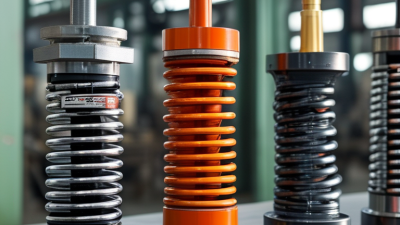
Spring type changes performance. Helical springs offer strong energizing force, but they can clog in dirty media. Canted-coil springs provide broader deflection and stable contact. Wave springs suit tighter spaces and lower friction requirements. Select spring alloy and coating against temperature, chemicals, and corrosion exposure. ISO 23936-2 offers guidance for polymeric materials in oil and gas environments. It is useful, not magic. In practice, drawings often miss surface finish or real pressure spikes. Ask for operating records, not only design values. Test the selected size and profile under actual motion, temperature, and fluid conditions. A technically correct choice can still disappoint when installation tools are poor or shaft edges remain sharp.

How to Choose Spring Seals for Global Buyers? - Selecting the Right Seal Size, Profile, and Spring Type
Application Recommended Profile Typical Cross-Section Selection Spring Type Common Spring Material Typical Temperature Range* Main Selection Priority Buyer Verification
Static axial sealing Cap seal with a face-oriented sealing lip Small: 1.78–2.62 mm
Medium: 3.53–5.33 mm
Helical compression spring Stainless steel or corrosion-resistant nickel alloy Usually governed by the jacket material; PTFE-based jackets are often selected from approximately −60°C to +260°C Groove depth, gland fill, compression, and thermal expansion Measure the gland diameter, groove width, and axial clearance
Static radial sealing Radial cap seal for a bore or housing Small: 1.78–2.62 mm
Medium: 3.53–5.33 mm
Helical compression spring or canted-coil spring Stainless steel for general service; nickel alloy for higher-temperature or corrosive service Selected according to the jacket, spring alloy, and media compatibility Radial squeeze, extrusion gap, surface finish, and installation direction Confirm bore diameter, plug or piston diameter, and available radial space
Reciprocating motion Dynamic reciprocating profile with a balanced sealing lip Generally 2.62–5.33 mm for compact equipment; larger sections may be used for heavy-duty assemblies Canted-coil spring Stainless steel or nickel alloy, depending on temperature and corrosion exposure Often limited by jacket wear resistance, speed, lubrication, and mating-surface temperature Low friction, controlled lip loading, stroke speed, and surface finish Provide stroke length, speed, pressure direction, lubrication, and surface hardness
Rotary shaft sealing Rotary profile with a low-drag sealing lip Commonly 2.62–5.33 mm; use the smallest stable section that meets extrusion and installation requirements Canted-coil spring or rotary-compatible helical spring Stainless steel for standard environments; nickel alloy for elevated temperature or aggressive media Limited by jacket wear, shaft speed, heat generation, and lubricant compatibility Peripheral speed, shaft runout, eccentricity, lubrication, and friction Specify shaft diameter, rotational speed, runout, pressure, and surface finish
High-pressure service Anti-extrusion profile with a supported sealing lip Medium or large cross-section is commonly preferred when space permits; exact size depends on pressure and gap High-load canted-coil spring or reinforced helical spring Stainless steel or nickel alloy; select for pressure, temperature, and chemical exposure Use the certified operating limits of the selected jacket and spring combination Extrusion gap, pressure cycling, backup support, and gland design State maximum pressure, pressure cycling rate, clearance gap, and hardware tolerances
Low-temperature service Flexible low-temperature jacket profile with sufficient spring energization Choose a section that maintains adequate compression after thermal contraction; avoid excessive squeeze Helical compression spring for continuous loading Stainless steel or nickel alloy selected for low-temperature ductility Fluoropolymer-based jackets can be suitable below −50°C when the specific grade and design are verified Material flexibility, spring recovery, contraction, and start-up leakage Provide minimum temperature, dwell time, thermal cycling, and media exposure
High-temperature service Heat-resistant jacket profile with a spring cavity protected from the media where required Medium or large section may improve thermal stability, but gland fill must remain within design limits Nickel-alloy helical or canted-coil spring Nickel alloy for elevated-temperature and oxidizing environments Some PTFE-based jackets are used up to approximately 260°C; higher temperatures require specialized materials and validation Jacket temperature rating, spring relaxation, oxidation resistance, and thermal cycling Confirm continuous temperature, peak temperature, atmosphere, and exposure duration
Chemical or pharmaceutical media Cleanable, crevice-minimized profile with a chemically compatible jacket Use the smallest practical cross-section that provides reliable compression and cleaning access Canted-coil spring or low-load helical spring Corrosion-resistant stainless steel or nickel alloy, based on the chemical environment Temperature limit depends on the jacket compound, cleaning chemicals, and sterilization cycle Media compatibility, extractables, cleanability, surface finish, and spring corrosion Review chemical concentration, cleaning method, sterilization temperature, and regulatory needs
Vacuum service Low-outgassing profile with a stable, continuous sealing line Small or medium section is commonly selected to reduce compression volume and installation space Helical compression spring or canted-coil spring Low-outgassing stainless steel or suitable nickel alloy Set by jacket outgassing performance, bake-out temperature, and spring material Leak rate, outgassing, permeation, compression stability, and cleanliness Specify vacuum level, allowable leak rate, bake-out temperature, and cleaning process
Electrically conductive sealing Profile designed to maintain controlled spring-to-housing or spring-to-shaft contact Cross-section is selected from the available groove and required contact force Canted-coil spring for repeatable contact force Conductive stainless steel or nickel alloy, selected for contact resistance and corrosion resistance Determine from the jacket, spring alloy, current load, and thermal environment Contact resistance, shielding continuity, spring force, and galvanic compatibility Define resistance limit, current, frequency, mating materials, and environmental exposure
Selection note: The dimensions and ranges shown are general engineering guidance rather than a replacement for a controlled seal design. Final sizing should be checked against groove geometry, pressure, temperature, speed, media compatibility, tolerances, surface finish, and applicable international standards.

Checking Standards, Certifications, and Supplier Quality

How to Choose Spring Seals for Global Buyers?

When selecting spring seals, begin with the application, not the catalog title. Confirm media, pressure, temperature, speed, shaft finish, and installation space. A seal for dry gas may fail quickly in abrasive fluid. Ask for dimensional tolerances and spring-load data. Short lists help.

Standards provide a useful baseline, but they do not replace engineering review. Check whether the supplier follows relevant quality systems, such as ISO 9001, and whether certification covers the actual manufacturing site. For regulated applications, request material declarations and compliance documents for applicable chemical and environmental requirements. Verify certificate numbers, issue dates, scope, and issuing bodies. A certificate can look impressive. It may still be outdated or unrelated to the product.

Supplier quality is easier to judge through records than promises. Request batch traceability, incoming-material inspection reports, hardness results, and final dimensional checks. For critical seals, ask about first-article inspection, leak testing, and corrective-action procedures. Samples should match production parts, including material, spring type, and surface finish. I have found that small documentation gaps often signal larger process weaknesses. However, perfect paperwork does not guarantee perfect seals. Independent testing may be sensible when failure could stop equipment or create safety risks. Keep a written approval checklist, and review it when the design, material, or production location changes.

Comparing Global Suppliers, Costs, Lead Times, and After-Sales Support

How to Choose Spring Seals for Global Buyers?

Spring seals look small, but supplier differences can affect machine uptime, freight costs, and maintenance risk. Start with the working conditions: pressure, temperature, shaft speed, media, and installation space. ISO 3601 provides standardized O-ring dimensions, yet spring-seal performance still depends on material and energizer design. Fit comes first. A lower unit price means little if leakage causes repeated shutdowns.

Compare suppliers through total landed cost, not quotation price alone. Include tooling, inspection, packaging, duties, freight, and replacement inventory. McKinsey’s 2020 supply-chain survey found that 93% of leaders planned to increase resilience after major disruptions. That supports dual sourcing for critical seal sizes. Lead times need written evidence. Request production capacity, sample approval dates, and realistic shipping windows. Regional stock can reduce delays, but it may increase storage costs. This trade-off is easy to overlook.

Tips: Ask for a lot-traceability report, material certificate, and pressure-test record. Require suppliers to explain their after-sales process before placing an order. A useful agreement should define response times, failure analysis, replacement rules, and technical support. DHL’s 2024 Global Connectedness Report shows how deeply international trade depends on cross-border logistics. Still, logistics data cannot replace supplier experience. I would also test seals in the actual fluid and temperature range. Laboratory success is not field proof. Some buyers skip this step. That mistake can become expensive.