How to Choose the Right Mechanical Seal Parts for Your Needs?
Choosing the right mechanical seal parts is crucial for ensuring the lifespan and efficiency of machinery. Mechanical seals play a vital role in preventing leakage in rotating equipment. Selecting appropriate parts can be daunting due to the variety of options available.
There are numerous factors to consider when choosing mechanical seal parts. You need to evaluate the application, fluid type, and operating conditions. Remember that each component contributes to a successful sealing solution. Sometimes, making the wrong choice may lead to failures, requiring costly repairs and downtime.
Reflect on your specific needs before making a decision. Have you consulted with experts in the field? Their insights can significantly influence your choice. Balancing quality and cost is not always straightforward. Take time to research and assess available options carefully. This process ensures you select the best mechanical seal parts for your applications.
Understanding Mechanical Seals and Their Components
Mechanical seals play a crucial role in various industries. They prevent leakage between rotating shafts and stationary components. Understanding their components helps in making informed choices.
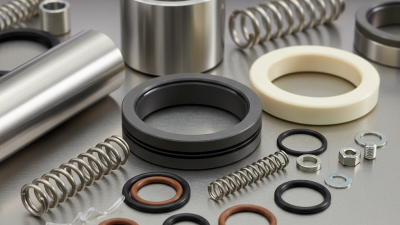
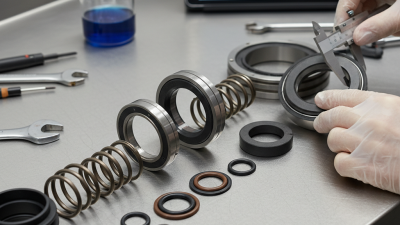
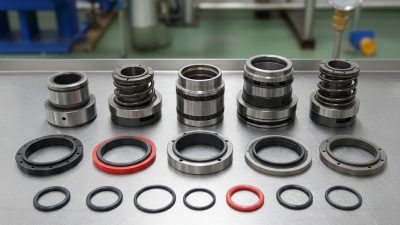
Typically, a mechanical seal consists of several key parts:
the seal faces,
springs, and
elastomers.
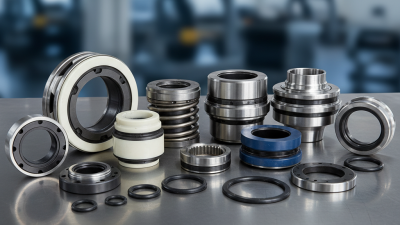
The seal faces provide the primary sealing surface, while springs maintain the necessary pressure. Elastomers ensure tight sealing against potential contaminants. Each component must be selected based on the application and environmental conditions.
Tips: Always consider the pressure and temperature requirements of your application. Ensure the materials resist the fluids involved. Compatibility is essential for long-lasting performance. Regular inspections can help detect wear and tear, preventing failures.
Choosing the right mechanical seal parts is not solely about specifications. It requires understanding unique operational challenges. For instance, if the environment is particularly corrosive, materials must be chosen carefully. Sometimes, trial and error may reveal more about which components work best together. Assessing failures can lead to better choices in future seal purchases.
Identifying Your Application Requirements for Mechanical Seals
When selecting mechanical seal parts, understanding your application requirements is vital. This involves assessing the specific conditions under which the seal will operate. Consider factors like pressure, temperature, and the type of fluids being sealed. Each application has unique demands that affect performance. For example, high temperatures may require materials that withstand heat, while corrosive environments call for chemical-resistant components.
The choice of materials is crucial. Common material options include elastomers, metals, and ceramics. Each material has distinct properties that suit different applications. A miscalculation here can lead to frequent failures or costly downtimes. It's essential to map out potential risks and reflect on how various environmental factors impact seal longevity.
Collaboration with experienced professionals can greatly enhance your decision-making. They offer valuable insights into common pitfalls and best practices. They can guide you in a reliable selection process. However, relying solely on expert advice without analyzing your specific needs may lead to misalignment. Understanding your application is the foundation of a successful mechanical seal selection.
Selecting the Right Materials for Mechanical Seal Parts
Selecting the right materials for mechanical seal parts is crucial for optimal performance. The performance of a seal largely depends on the materials used. According to industry reports, more than 30% of seal failures are attributed to unsuitable materials. Common materials include elastomers, ceramics, and metals, all with unique properties. For example, elastomers provide flexibility but can wear under extreme conditions.
When selecting materials, consider the application environment. Factors like temperature, pressure, and fluid compatibility play vital roles. A well-suited material can enhance durability and reduce maintenance costs. Tip: Always research the chemical compatibility of your chosen materials to prevent premature failure.
Another important aspect is the seal’s load capacity. High-load applications demand tougher materials such as carbon or silicon carbide. These options can withstand high pressures and resist wear more effectively. However, they may come with higher costs. Tip: Evaluate the trade-offs between material costs and long-term performance to make informed choices. Reflections are essential; a wrong material can lead to significant downtime and financial loss.
Evaluating Performance Criteria for Mechanical Seal Selection
Choosing the right mechanical seal parts requires careful evaluation of performance criteria.
Focus on factors such as pressure limits, temperature thresholds,
and compatibility with the fluid being sealed. Each application has unique demands, and understanding these can lead to better choices.
Consider the environment in which the seal will operate. Are there exposures to harsh chemicals or
extreme temperatures? These variables influence material selection significantly.
The design of the mechanical seal also matters. Look for features like secondary seals or dynamic O-rings.
They enhance reliability but may increase costs. Comparing seal types, like elastomeric versus metal bellows,
can lead to insights into efficiency and lifespan. Not every seal will perform well under every condition.
Testing in situ can help in identifying weaknesses early, potentially saving time and resources.
It's essential to consider maintenance needs.
Some seals require regular checks, while others can remain idle for longer. Evaluate how often equipment will be serviced.
A good selection doesn’t just maximize performance; it ensures ease of maintenance too.
Reflecting on past experiences with seal failures may provide valuable lessons
for future selections.
Maintaining Mechanical Seals for Longevity and Reliability
Mechanical seals play a critical role in industrial applications. To extend their longevity, regular maintenance is essential. One key aspect is ensuring proper lubrication. Insufficient lubrication can lead to friction and premature wear. It’s advisable to follow manufacturer recommendations for lubricant types and change intervals.
Another important factor is monitoring the operating conditions. Mechanical seals have specified limits for temperature and pressure. Regular checks can prevent unexpected failures. If the seal operates outside its limits, it may fail sooner than expected. Regular inspections can help detect issues early.
Tips: Always keep the sealing environment clean. Debris can compromise seal integrity. Pay attention to any leakages or unusual noises. These signs often indicate that maintenance is needed. Lastly, consider using proper installation techniques. Improper installation can lead to misalignment, resulting in quicker seal degradation.