What is an Agitator Seal and How Does It Work?
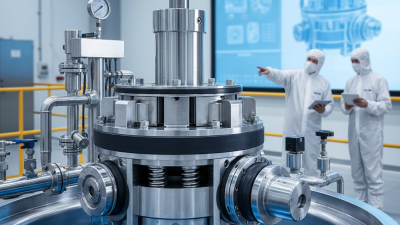
An Agitator Seal plays a crucial role in various industrial applications. Understanding its function is essential for ensuring equipment longevity and efficiency. This seal minimizes leakage in agitators, which are vital for mixing processes in liquids.
The Agitator Seal consists of a mechanical design that resists wear and tear. It operates under pressure and facilitates smooth operation, but improper installation can lead to significant failures. Regular maintenance is necessary to avoid costly downtime.
Getting familiar with the Agitator Seal's mechanics is beneficial for engineers and technicians alike. Knowledge about this component can help prevent issues related to performance and safety in industrial settings. Reflecting on the importance of this seal emphasizes the need for ongoing education and awareness in the field. Would you consider upgrading your equipment for better efficiency?
What is an Agitator Seal?
Agitator seals play a crucial role in various industrial processes. These seals are designed to prevent leaks in mixing equipment where fluid dynamics are essential. The integrity of the seal ensures that the process remains efficient and safe. In manufacturing, any failure can lead to downtime, affecting productivity. According to a recent industry report, leakage issues can result in losses of up to 30% of operational efficiency.
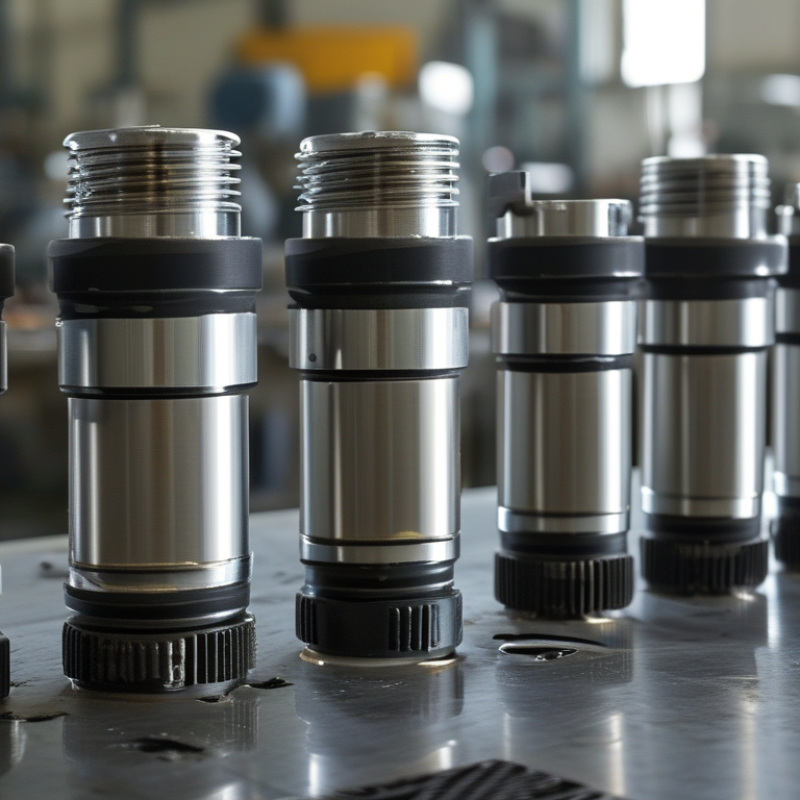
When discussing what an agitator seal is, it is important to note its components. Typically, it consists of a rotating shaft and stationary parts, with materials selected based on the specific process conditions. The interaction must support fluid containment while withstanding mechanical wear. Various seal designs are available, each with unique benefits tailored to different applications. For instance, some seals excel in high-pressure scenarios, while others are better for corrosive environments.
Tip: Regular maintenance is critical for seal longevity. Inspect seals periodically for wear and replace them before failure to avoid costly downtime.
Many professionals may overlook the importance of the correct installation of agitator seals. A poorly fitted seal can compromise the entire system. The right installation ensures that seals maintain their functions efficiently. The responsibility is heavy on maintenance teams to ensure proper setup and ongoing performance.
Tip: Training staff on seal installation can enhance team performance and minimize costly mistakes.
The Functionality of Agitator Seals in Mixing Equipment
Agitator seals are crucial components in mixing equipment, ensuring effective performance. They maintain the integrity of the process by preventing leaks. According to a recent report from ResearchAndMarkets, improper sealing could result in a fluid loss of up to 20%. This not only impacts efficiency but also raises operational costs significantly.
The functionality of agitator seals is straightforward yet critical. These seals are designed to withstand various pressures and temperatures, facilitating the efficient mixing of materials. Studies indicate that 75% of mixing failures are related to seal malfunctions. Regular inspection and maintenance are essential to avoid these issues. It may seem trivial, but even minor wear can lead to major inefficiencies.
Understanding how agitator seals work can save companies time and resources. They create a barrier that allows agitators to function smoothly without contamination. Yet, many overlook this component in their maintenance routines. A proactive approach to seal maintenance is essential. Delaying inspections can lead to bigger problems down the line, including costly repairs and production downtime.
Types of Agitator Seals and Their Applications
Agitator seals are crucial components in various industries. They ensure that liquids remain contained while allowing for effective mixing. Different types of agitator seals serve unique functions and are tailored for specific applications.
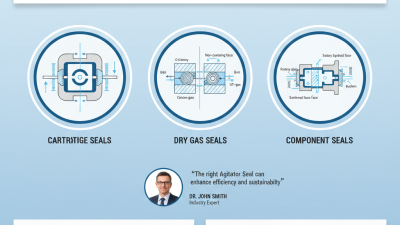
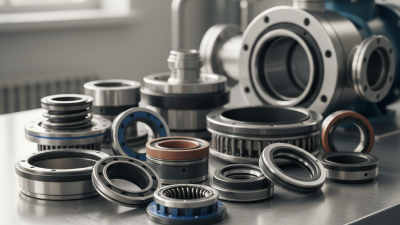
Mechanical seals are popular in this category. They prevent leakage during operations, making them ideal for high-pressure environments. Another type is the lip seal, known for its simplicity and cost-effectiveness. It works well in low-pressure situations, typically found in food processing where hygiene is vital. Magnetic seals are gaining traction too, particularly in pharmaceutical applications. Their non-contact design minimizes wear and maintains cleanliness.
Tips: Regular maintenance of agitator seals prolongs their lifespan. Inspect seals for wear and tear periodically. Always choose materials that withstand the specific conditions of your application. Using incompatible materials can lead to failures over time.
Choosing the right agitator seal is not always straightforward. Each application has unique demands, and a seal’s performance can vary greatly based on materials and design. Consider the operating environment carefully, as temperature and pressure can greatly influence effectiveness. Reflecting on the potential pitfalls will help make an informed choice.
Common Issues and Maintenance Tips for Agitator Seals
Agitator seals play a crucial role in maintaining the integrity of process equipment. These seals prevent leaks in agitators, which mix liquids and solids. Over time, they can face wear and tear due to continuous motion and pressure variations. It's essential to recognize common issues that may arise with agitator seals.
One frequent problem is leakage, often caused by improper installation or wear. If an agitator seal fails, it can lead to contamination, affecting product quality. Regular inspections can help identify early signs of wear. Additionally, monitor for unusual noises during operation, which may signal seal failure.
Maintenance of agitator seals includes regular cleaning and lubrication. Remove debris to avoid abrasion. During maintenance checks, ensure seals are correctly aligned and tightened. Industry professionals suggest establishing a routine for evaluating seal condition. Keeping a detailed log can help track performance over time. Regular maintenance not only extends the life of seals but also enhances overall efficiency in the process.
The Importance of Agitator Seals in Industrial Processes
Agitator seals play a crucial role in industrial processes. They are designed to prevent leaks in mixing equipment. This is especially important in industries like chemicals, food processing, and pharmaceuticals. A reliable seal ensures that materials are contained securely during mixing. A malfunctioning seal can lead to contamination. This not only affects product quality but can also pose safety risks.
The effectiveness of an agitator seal impacts overall efficiency. When seals are worn or damaged, downtime may increase. This results in higher operational costs. Proper maintenance and timely replacements are necessary. Understanding the environment where these seals operate is essential. For example, high temperatures and aggressive chemicals can accelerate wear. Companies must assess the specific conditions to choose suitable sealing solutions.
While agitator seals are vital, not all seals perform equally well in every scenario. Each application has unique challenges. This means that ongoing evaluation is essential. Engineers and technicians need to monitor seals regularly. This can help identify potential issues before they escalate. Investing time in understanding how seals work can greatly enhance process reliability.