Leave Your Message

2026 Top Oil Pump Seals Manufacturers for Global Buyers

Choosing reliable Oil Pump Seals manufacturers requires more than comparing catalog prices. Global buyers must examine sealing performance, material quality, production consistency, and technical support. A seal may look simple, yet it operates beside heat, pressure, vibration, and chemically aggressive lubricants. Small differences matter.

This 2026 guide introduces manufacturers that serve automotive, industrial, agricultural, marine, and heavy-equipment applications. It considers practical buyer concerns, including rubber compound selection, shaft compatibility, dimensional accuracy, leakage testing, packaging, and international delivery capability. It also reviews evidence such as quality systems, laboratory capacity, customer experience, and traceable production records. These details help purchasing teams move beyond attractive claims and assess dependable suppliers.

Real sourcing work is rarely perfect. Product data may change. Factory capabilities can vary between plants, and published certifications may require direct verification. Buyers should request current technical drawings, sample seals, test reports, and clear warranty terms before placing large orders. A trial shipment can reveal issues that brochures hide, such as damaged lips, inconsistent hardness, or poor protective packaging. That step is worth the time.

The manufacturers discussed here are evaluated from a practical, evidence-focused perspective rather than popularity alone. Experienced engineers, distributors, and procurement teams should still confirm fitment for each pump model and operating condition. No universal seal exists. Careful verification remains essential for reliable service, controlled maintenance costs, and long-term supply confidence.

2026 Top Oil Pump Seals Manufacturers for Global Buyers

Oil Pump Seals: Definition, Functions, and Key Applications

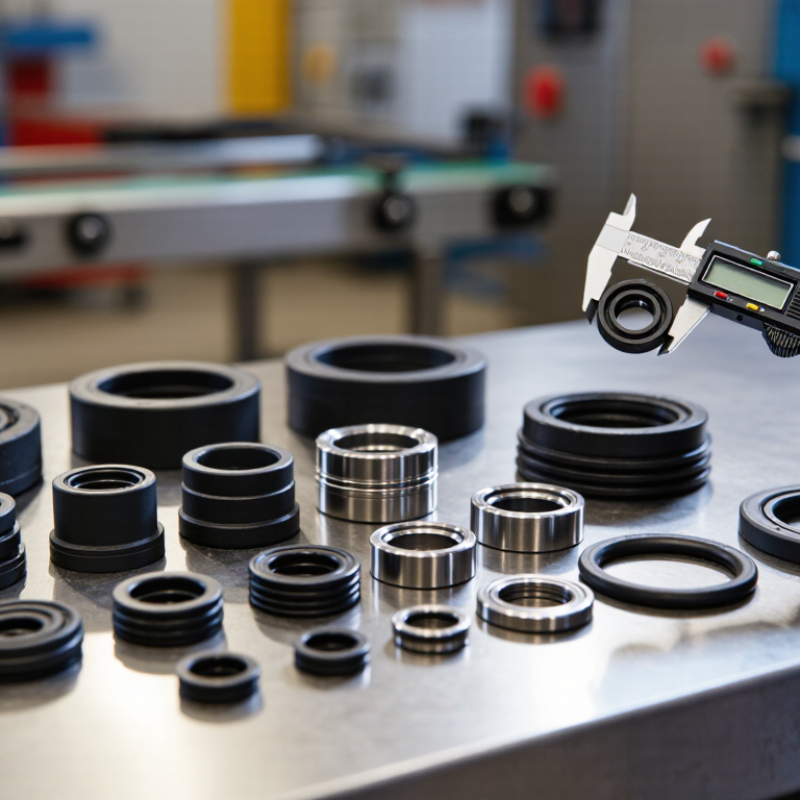
Oil pump seals are precision components that prevent lubricating oil from escaping around rotating shafts. They also block dust, moisture, and abrasive particles from entering the pump housing. In practical use, a seal maintains stable pressure while the shaft rotates thousands of times per minute. Small leaks matter.

Common designs include lip seals, mechanical seals, and O-rings. Each design suits different temperatures, pressures, shaft speeds, and fluids. Nitrile rubber works well with many mineral oils. Fluoroelastomers usually tolerate higher temperatures and aggressive fluids. Material choice still depends on the actual oil formula.

Oil pump seals support engines, hydraulic units, compressors, agricultural machines, and industrial gear systems. During inspection, technicians often find a thin oil ring near the shaft before visible dripping begins. A worn shaft surface can damage a new seal quickly. Therefore, buyers should check shaft finish, sealing-lip hardness, dimensional tolerance, and operating temperature. Test reports, traceable materials, and documented quality controls help evaluate manufacturers. Supplier experience with similar pump models is also valuable. However, no selection method is perfect. Field conditions can differ from laboratory tests. A seal may pass pressure testing yet fail after repeated thermal cycling. My practical preference is to review installation records, failure photos, and service feedback alongside technical data.

2026 Top Oil Pump Seals Manufacturers for Global Buyers - Oil Pump Seals: Definition, Functions, and Key Applications

Oil pump seals are sealing components designed to prevent lubricant leakage and protect oil pumps from contamination. The specifications below summarize commonly used seal types, materials, operating ranges, and application considerations for international buyers. Actual performance depends on seal design, fluid formulation, pressure, speed, temperature, and installation quality.

Seal Type Primary Function Common Materials Typical Temperature Capability Typical Pressure Capability Suitable Fluids Key Applications
Rotary Shaft Seal Retains oil around a rotating shaft while excluding dust and moisture. NBR, FKM, PTFE, ACM, stainless steel spring Approximately −40°C to 200°C, depending on elastomer Usually low pressure; commonly below 0.5 bar for standard designs Engine oil, hydraulic oil, gear oil, lubricating oil Automotive oil pumps, industrial gearboxes, hydraulic power units
O-Ring Seal Provides static or limited dynamic sealing between mating surfaces. NBR, FKM, EPDM, silicone, polyurethane Approximately −50°C to 225°C, material dependent Can reach several hundred bar in properly designed static applications Mineral oils, synthetic lubricants, water-glycol fluids where compatible Pump housings, cover plates, relief valves, inspection ports
Mechanical Seal Controls leakage between a rotating shaft and stationary housing using mating faces. Carbon, silicon carbide, ceramic, PTFE, elastomers, stainless steel Approximately −40°C to 250°C, depending on face and elastomer selection Commonly suitable for higher pressure than standard lip seals Lubricating oils, process oils, coolants, and selected chemicals High-duty industrial pumps, circulating oil systems, compressor lubrication units
Gasket Seal Seals stationary joints between pump casings, covers, and flanges. Compressed fiber, graphite, PTFE, copper, elastomer-coated materials Approximately −50°C to 450°C, depending on material and design Determined by gasket material, bolt load, flange condition, and fluid pressure Engine oil, hydraulic oil, fuel-related fluids, and industrial lubricants Pump covers, casing joints, mounting flanges, serviceable assemblies
V-Ring Seal Acts as an axial seal and helps deflect external contaminants from rotating shafts. NBR, FKM, polyurethane Approximately −40°C to 200°C, depending on compound Generally used in low-pressure applications Lubricating oils, grease, and lightly contaminated industrial fluids External shaft protection, agricultural equipment, motors, pump drives
PTFE Lip Seal Provides low-friction sealing for high-speed or chemically demanding shaft applications. Filled PTFE, stainless steel, FKM energizer Approximately −60°C to 260°C, depending on formulation Usually low to moderate pressure; design-specific Synthetic oils, aggressive lubricants, and fluids requiring low friction High-speed oil pumps, specialty machinery, chemical-processing equipment
Bonded Seal Washer Seals threaded connections and bolted joints under compression. Steel or stainless steel with NBR or FKM sealing element Approximately −40°C to 200°C, depending on elastomer Suitable for moderate to high static pressure when correctly installed Hydraulic oil, engine oil, transmission fluid, and lubricating oil Drain plugs, pressure ports, pipe fittings, pump service connections
Labyrinth Seal Uses a non-contact tortuous path to reduce oil migration and contamination entry. Aluminum, steel, stainless steel, engineered polymers Temperature depends mainly on housing and polymer selection Not intended for pressure sealing Lubricating oils and grease in non-pressurized systems High-speed rotating equipment, bearing housings, continuous-duty pumps

Key Purchasing and Quality Dimensions

Evaluation Dimension What Buyers Should Verify Why It Matters
Dimensional Accuracy Shaft diameter, housing bore, seal width, groove dimensions, and tolerance control Incorrect dimensions can cause leakage, excessive friction, or premature wear.
Material Compatibility Compatibility with oil type, additives, temperature, pressure, and cleaning chemicals Elastomer swelling, hardening, cracking, or loss of elasticity may result from chemical incompatibility.
Operating Conditions Rotational speed, pressure, temperature cycles, vibration, and shaft runout Seal performance ratings must match the complete operating environment rather than oil type alone.
Quality Control Incoming material inspection, dimensional inspection, leakage testing, and batch traceability Documented controls help maintain consistent performance across repeat orders.
Packaging and Storage Protection from ozone, ultraviolet light, heat, humidity, deformation, and contamination Improper storage can age elastomers and reduce sealing life before installation.
Documentation Technical drawings, material declarations, inspection reports, test records, and installation instructions Complete documentation supports engineering approval, customs processing, and quality audits.

Technical note: Temperature and pressure figures are general industry ranges, not universal ratings. Buyers should confirm the final specification with the seal drawing, application conditions, fluid data, and validated test results before placing an order.

How to Evaluate Oil Pump Seal Manufacturers in 2026

In 2026, evaluating an oil pump seal manufacturer requires more than comparing unit prices. Start with operating conditions. Share the oil type, temperature range, pressure, shaft speed, and housing dimensions. An experienced manufacturer should explain material compatibility clearly. Look for evidence from similar pumps, not vague claims. Ask how the seal performs during cold starts, long idle periods, and sudden temperature changes.

Technical control matters. Review drawings, tolerance records, batch identification, and inspection procedures. Reliable manufacturers can provide sample reports and explain their testing equipment. Useful tests may include leakage measurement, wear inspection, pressure cycling, and accelerated aging. Certification helps, but it does not replace product evidence. Check whether the quality system is independently audited and consistently applied. Small details matter.

Request production samples before placing a large order. Examine the lip finish, spring tension, rubber uniformity, and packaging condition. Ask about tooling control, replacement parts, minimum order quantities, and realistic delivery times. Strong suppliers communicate when a specification is unclear. That is a good sign.

No manufacturer is perfect. One supplier may offer excellent testing but weak technical support. Another may respond quickly but provide incomplete traceability. I once overlooked packaging during evaluation, and several seals arrived slightly deformed. The failure was avoidable. A factory visit, video inspection, or technical interview can reveal practical discipline that documents miss. Keep written records of every answer, change, and agreed tolerance.

Top Oil Pump Seal Manufacturers for Global Buyers

Top Oil Pump Seal Manufacturers for Global Buyers

Global buyers need more than a low quotation when selecting oil pump seal manufacturers. According to Grand View Research, the global mechanical seals market is projected to grow at about 5% annually through 2030. Oil pump seals remain important in refineries, chemical plants, power stations, and industrial machinery. Reliable manufacturers should provide material traceability, pressure ratings, temperature limits, and documented inspection records.

Performance depends on application details. Buyers should confirm shaft speed, fluid viscosity, operating temperature, pressure fluctuations, and installation space. Carbon, silicon carbide, ceramic, and elastomer combinations behave differently in abrasive or high-temperature oils. API 682 and ISO 21049 offer useful guidance for many process-pump sealing systems. The U.S. Department of Energy also reports that pumping systems can consume roughly 25% of industrial electricity, making leakage control and maintenance efficiency financially important.

Experienced manufacturers usually support dimensional drawings, test reports, spare-part planning, and technical communication across languages. Ask for evidence from similar pump conditions, not only laboratory claims. A factory audit can reveal machining accuracy, cleaning practices, and inventory discipline. Certifications help, but they do not replace field experience. I have seen technically suitable seals fail because installation training was ignored. That weakness deserves attention. Delivery speed also matters, especially when one damaged seal can stop a production line for several hours. Market reports provide direction, but buyers still need independent validation before approving a supplier.

Materials, Designs, Standards, and Quality Certifications

Oil pump seals face heat, pressure, friction, and chemical exposure every day.

In 2026, global buyers should compare materials before comparing prices. NBR suits many mineral oils and moderate temperatures. FKM handles higher heat and aggressive fluids more reliably. PTFE reduces friction, but installation requires careful alignment. Material choice must match the oil, shaft speed, temperature, and pressure.

Design details affect service life.

Check lip geometry, spring construction, shaft finish, and sealing direction. Mechanical seals may require carbon, ceramic, or stainless-steel components. Ask manufacturers for dimensional drawings and operating limits.

Their testing should cover leakage, wear, pressure cycling, and temperature changes. Standards matter too. Confirm compliance with applicable ISO, API, or customer specifications.

ISO 9001 certification supports process control, but it does not prove every seal is perfect. That distinction is often missed.

Tips:

Request batch traceability, material certificates, inspection reports, and sample seals. Measure the shaft before ordering. A small sample saves time.

Review storage conditions, because rubber can harden or deform. Ask how suppliers control molding tolerances and surface defects.

No design fits every pump. Even experienced buyers can overlook installation tools, shaft damage, or incompatible cleaning fluids. Recheck these points before approving a large order.

Pricing, Export Services, and Supplier Selection Factors

2026 Top Oil Pump Seals Manufacturers for Global Buyers

For global buyers, oil pump seal pricing depends on more than unit cost. Material choice, shaft diameter, pressure rating, tolerances, tooling, and order volume can change the quotation. A practical comparison should include samples, packaging, inspection, replacement terms, and freight separately. The lowest offer may exclude tooling or export packing. That mistake is common. Ask suppliers for a clear cost breakdown and confirm whether prices are based on EXW, FOB, or another agreed delivery term. Small differences in rubber compound or spring material can also affect service life.

Tips: Request three sample sets, not one. Check dimensions, surface finish, leakage resistance, and packaging after transport. Ask for recent test records and production photos. Export support matters too. Reliable suppliers should provide commercial invoices, packing lists, certificates, and shipment tracking. Confirm their experience with your destination market, but verify customs requirements independently. Documentation errors can delay a container for days. A responsive export team should explain lead times, minimum order quantities, payment stages, and warranty handling in writing.

Supplier selection should balance engineering evidence and communication quality. Look for traceable raw materials, controlled production records, stable capacity, and documented inspection procedures. Video audits can help, although they cannot replace physical checks. Request references from similar applications and test one production batch before scaling. Be cautious when answers change between sales and technical staff. Pricing forecasts are rarely perfect, especially when freight or material costs move. Leave room for review rather than treating the first quotation as final.