How to Choose the Right Pump Shaft Seal for Your Needs?
Choosing the right pump shaft seal is crucial for optimal equipment performance. In a recent industry report, it was found that improper seals can lead to a 25% increase in maintenance costs. The pump shaft seal plays a vital role in preventing leakage and ensuring the longevity of pumping systems. Selecting the right seal also impacts energy efficiency, with a 10% improvement observed in well-chosen seals.
However, many industries overlook this component. Common challenges include incorrect material selection and inadequate installation. Studies indicate that almost 30% of pump failures result from seal-related issues. This highlights the need for informed decision-making when selecting a seal that aligns with operational demands.
Understanding specific applications and conditions is essential. Factors like temperature, pressure, and fluid type directly affect seal performance. Experts recommend evaluating these aspects thoroughly. As we explore the process of choosing the right pump shaft seal, a detailed understanding of each requirement is necessary for long-term success.
Understanding Pump Shaft Seal Types and Their Applications
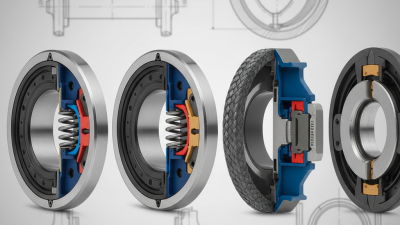
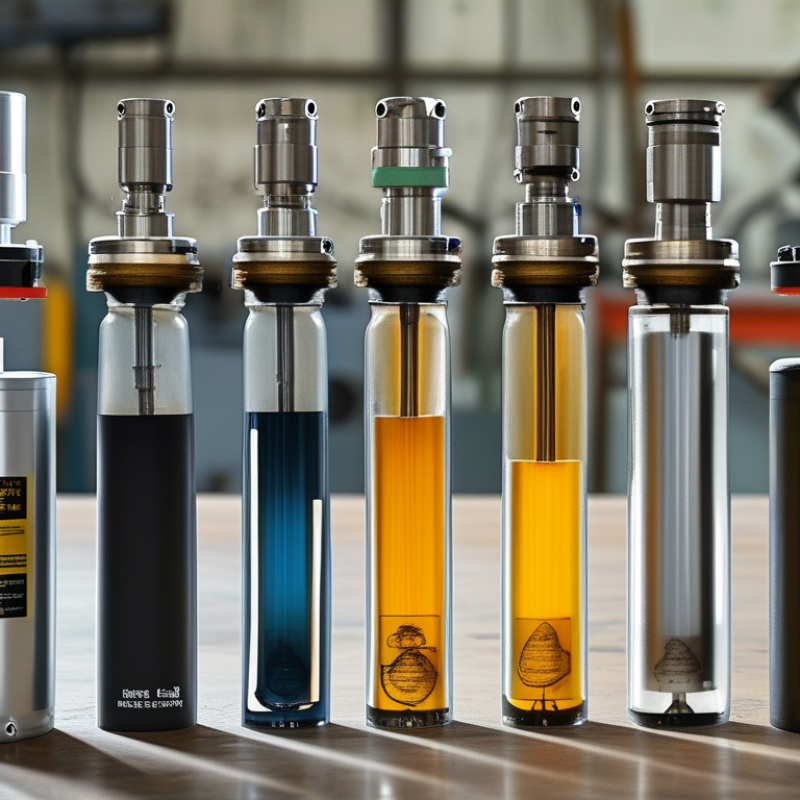
When selecting the right pump shaft seal, understanding the various types and their applications is crucial. Mechanical seals are among the most common types. They offer low maintenance and robust leak-proof performance. Typically, these seals are used in water, oil, and chemical applications. Studies indicate that nearly 40% of seal failures relate to improper selection. Choosing the correct type can prevent costly downtime and enhance efficiency.
Aside from mechanical seals, packing seals are another option. These seals involve a fiber material compressed into the stuffing box. They are excellent for high-viscosity fluids but may require periodic adjustments. Data shows that using packing seals can result in higher friction, leading to increased wear on the shaft. Therefore, understanding the specific operational conditions is essential before making a selection.
Additionally, lip seals are often employed in rotary pumps. They are effective against dirt and moisture but are less efficient at higher temperatures. According to industry reports, nearly 30% of fluid leakage in poorly sealed systems can be traced back to lip seals. Assessing application requirements, such as pressure and temperature, is vital. Each seal type presents unique advantages and potential drawbacks, reinforcing the need for careful evaluation.
Evaluating Material Compatibility for Pump Shaft Seals
When choosing a pump shaft seal, material compatibility is crucial. Different materials react differently to various fluids. Understanding these reactions helps in selecting the right seal. For instance, nitrile rubber is effective for oils. However, it may fail in high-temperature water applications.
Consider the operating conditions. If the pump handles corrosive substances, a fluoropolymer seal may be necessary. These materials resist chemicals but can be more expensive. Reflect on the temperature and pressure limits as well. In extreme conditions, standard materials may degrade quickly, leading to leaks.
It's also essential to evaluate the environment where the pump operates. Factors like humidity, vibration, and contamination can impact seal performance. Regular inspections can reveal early signs of wear. This proactive approach can save resources and downtime. Always remember, a small oversight can lead to significant issues later.
Assessing the Operational Conditions for Optimal Seal Selection
When selecting the right pump shaft seal, understanding the operational conditions is crucial. Factors like temperature, pressure, and media type play significant roles in seal performance. According to a report by the American Society of Mechanical Engineers (ASME), the incorrect seal choice can lead to leaks, equipment failure, and costly downtime, highlighting the importance of meticulous analysis.
Operating temperatures can vary from ambient conditions to extreme heat. For instance, seals rated for higher temperatures can deteriorate more quickly if not suited to actual service conditions. Seals must also withstand the pressure conditions they are exposed to. The Hydraulic Institute notes that over 30% of pump failures are attributed to improper sealing due to pressure miscalculations. This places immense importance on understanding both the normal and peak pressure scenarios.
Tip: Always consult technical data sheets for seal materials based on temperature and pressure specifics. Evaluate the fluid's chemical compatibility too. Remember to reassess conditions regularly; environments can change, affecting seal integrity.
Another pivotal factor is fluid characteristics. Viscosity, solids content, and corrosiveness significantly influence seal life. Seals exposed to abrasive media wear out faster, while corrosive fluids may require specialized materials. Certain studies suggest that up to 40% of seals fail prematurely due to incompatible media interaction.
Tip: Use flow analysis tools to determine fluid behavior within your system. Regularly inspect seals for signs of wear and potential leaks. This proactive approach can prevent unexpected failures.
Analyzing Seal Leakage Rates: Industry Standards and Expectations
When it comes to pump shaft seals, leak rates are a critical concern. Industry standards highlight that acceptable leakage rates vary. Many experts suggest an acceptable leak rate of about 0.1% to 0.5% of the pump flow rate. Exceeding these benchmarks can lead to operational inefficiencies. In some cases, even a small increase in leakage can significantly impact overall system performance and maintenance costs.
Data from various studies indicates that improper seal selection can result in leak rates that double or even triple acceptable limits. This highlights the importance of precision in choosing seals that match operational conditions. For instance, temperature and chemical compatibility are crucial. A seal that fails to withstand specific operational conditions can lead to premature wear and excessive leakage, indicating a need for reevaluation.
Many facilities have reported that seal failure led to unplanned downtime. This emphasizes the necessity for diligent analysis of seal performance. Regular assessments and adaptations based on real-time data can mitigate leak rates effectively. It's essential to integrate these insights into seal selection processes for more reliable pump performance.
Cost-Benefit Analysis of Different Pump Shaft Seal Solutions
Choosing the right pump shaft seal can significantly impact operational efficiency and maintenance costs. A cost-benefit analysis reveals that investing in high-quality seals may lead to higher initial costs but can reduce long-term expenses. According to industry reports, up to 60% of pump failures relate to seal issues. Focusing on reliable sealing solutions can decrease those failures and enhance pump lifespan.
Different types of seals, such as mechanical seals and packing seals, each have unique advantages. Mechanical seals often provide superior leak prevention, which can result in lower operational costs. However, their initial investment can be substantial. On the other hand, packing seals are less expensive but may require more frequent replacement and maintenance. Balancing upfront costs with ongoing maintenance is crucial for an informed decision.
**Tip:** Assess the application environment. Chemical compatibility and temperature range affect seal performance.
Another point of consideration is the required service frequency. A seal that demands constant maintenance might incur additional costs over time. Understanding your operating conditions is essential.
**Tip:** Seek expert evaluations. Engaging with knowledgeable professionals can help you choose the best option for your specific needs.