Centrifugal Pump Seal performance can shape a pump’s reliability, maintenance needs, and operating costs. A seal that suits clean water may not perform well with abrasive slurry, hot fluids, or frequent starts. Temperature, pressure, shaft speed, fluid chemistry, and equipment design all matter. Small details matter. Even the seal faces and elastomers must match the service conditions.
This overview introduces ten centrifugal pump seal suppliers with international reach. It considers practical factors such as product range, application support, manufacturing capabilities, and access to replacement parts. Supplier information can change, and a broad reputation does not guarantee a fit for every pump or site. Buyers should confirm specifications directly, including operating limits, material options, documentation, and service availability in their region. Ask how the supplier supports installation and troubleshooting, too; a detailed datasheet is useful, but it cannot replace sound application review. No ranking can fit every plant. The right choice depends on the pump, the process, and the cost of downtime. This guide is a starting point, not a purchase verdict, and some comparisons may simplify differences between manufacturers and distributors. Reviewing those limits is worthwhile before making a shortlist.
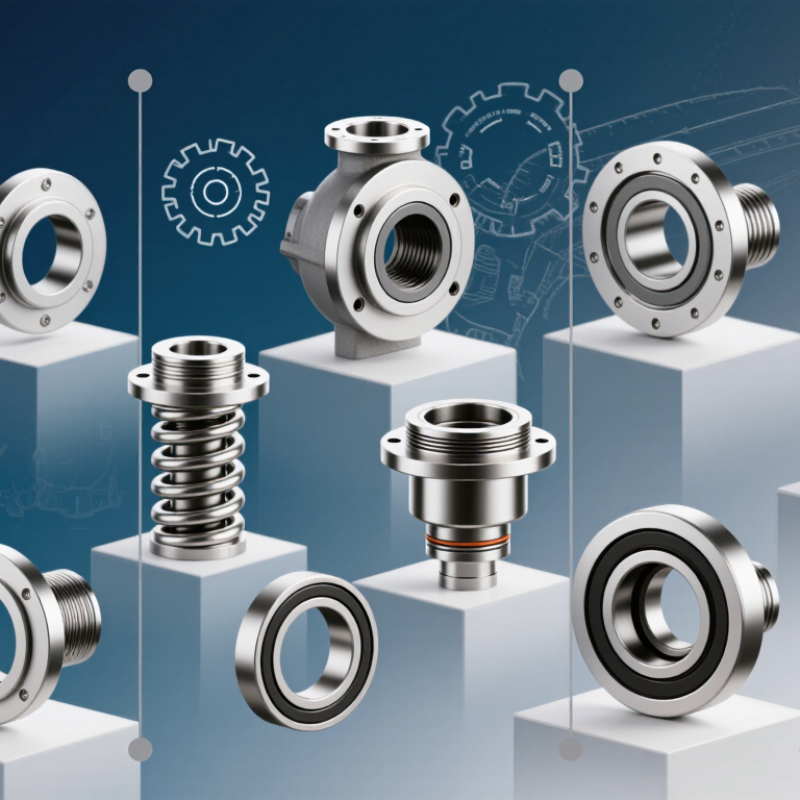
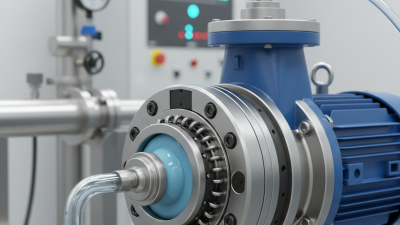
A centrifugal pump seal controls leakage where the rotating shaft passes through the pump casing. Its two seal faces meet under spring pressure: one turns with the shaft, while the other remains stationary. A thin fluid film between them reduces friction and carries away heat. The faces must stay flat and clean. Even a small scratch, trapped particle, or dry start can disturb that film.
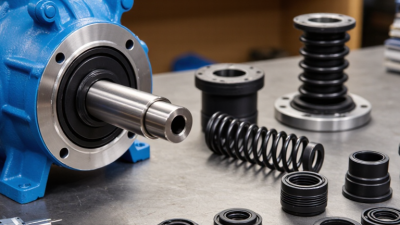
Seal faces do not work alone. Secondary seals, such as O-rings or flexible bellows, close gaps around the seal assembly and accommodate slight movement. Their material must suit the pumped fluid, temperature, and cleaning conditions. An incompatible elastomer may swell, harden, or lose its shape. That failure can be easy to miss until a damp patch appears near the shaft.
Good selection begins with real operating details, not just pump size. Check fluid properties, pressure, temperature, shaft movement, and startup frequency. During inspection, look for uneven face wear, hardened elastomers, and deposits around the seal chamber. A clean-looking exterior is not proof of a healthy seal. Maintenance records help reveal recurring patterns, though they rarely tell the whole story; vibration and installation alignment matter too. Small details matter.
API 682 defines three seal arrangements for centrifugal pumps, based mainly on seal count and supporting-fluid pressure. Arrangement 1 uses one mechanical seal. It is commonly selected for services where a single seal can manage leakage and process conditions. Arrangement 2 uses two seals with an unpressurized buffer fluid between them. The buffer pressure stays below the seal-chamber pressure, making this arrangement suitable when leakage needs containment or monitoring. That distinction matters.
Arrangement 3 uses two seals with a pressurized barrier fluid. Barrier pressure remains higher than process pressure, helping prevent process fluid from escaping through the inner seal. It is often considered for hazardous, valuable, or difficult-to-handle fluids, though the support system adds complexity. Actual selection depends on fluid properties, temperature, pressure, operating cycles, and site maintenance capability. A simple category chart cannot replace a review of the pump’s real operating conditions.
Tips: Confirm the pressure relationship and fluid plan before choosing an arrangement. Check buffer or barrier-fluid levels, pressure alarms, and piping details during commissioning. Small installation errors can undermine a sound design. The best choice is not always obvious, and service experience should inform the final review.
Selecting a centrifugal pump seal begins with the actual operating envelope, not the pump’s nameplate alone. Record normal and upset pressure, startup temperature, and shaft speed. Pressure affects seal-face loading; excess heat can reduce fluid-film stability and accelerate wear. Speed matters too: a faster shaft raises sliding velocity and may increase heat at the faces. API Standard 682 provides a framework for mechanical seal selection in process industries, but site conditions still need checking. Small details matter.
Process fluid is often the hardest variable. Note viscosity, solids, abrasiveness, volatility, and whether the liquid crystallizes or polymerizes near the seal. A clean water test does not prove suitability for a hot slurry or a fluid that leaves deposits on shutdown. The U.S. Department of Energy’s 2006 Improving Pumping System Performance sourcebook estimates that pumping systems use nearly 20% of global electricity. That figure concerns pumping systems, not seals specifically, yet it underlines why avoidable leakage and repeat maintenance deserve attention. A neat specification can still miss a short, severe upset.
Tips: Ask suppliers to confirm the seal’s rated pressure, temperature, and speed against both normal and transient conditions. Share the fluid composition and operating history, including seal failures. If conditions vary, document the worst credible case; “usually stable” is not a design value.
Compare suppliers against the actual pressure, temperature, shaft speed, and process-fluid conditions of your application.
Shaft-speed reference: These are calculated synchronous motor speeds (rpm), using speed = 120 × frequency ÷ number of poles. An induction motor’s actual running speed is usually slightly lower because of slip; variable-frequency drives can also change operating speed. Use the pump’s actual operating speed when checking seal suitability. Confirm pressure, temperature, and fluid compatibility separately with each supplier—the acceptable limits depend on the seal design and service conditions.
Top 10 Centrifugal Pump Seal Suppliers Worldwide: Seal Technologies and Market Applications
Leading centrifugal pump seal suppliers serve industries with very different operating demands. Their expertise may include mechanical seals, cartridge assemblies, and material selection for specific fluids and temperatures. A wastewater pump handling grit needs different protection from a food-processing pump requiring frequent washdowns. Fit matters. Buyers should compare documented operating limits, service support, and replacement-part availability, not just catalog breadth.
Seal technologies vary in their strengths. Single seals suit many standard duties, while dual arrangements can provide added control when leakage risks or process conditions call for it. Harder face materials may resist abrasive wear, but they are not automatically the right choice for every fluid. Elastomers must also match the chemical and temperature range. Small details count: shaft movement, pressure changes, and dry-running events can shorten seal life. Supplier guidance helps, though final selection depends on the pump and installation.
Market applications shape supplier capabilities. Chemical plants may need corrosion-resistant combinations; mining operations often prioritize abrasion tolerance; and building services usually value reliability and straightforward maintenance. Ask suppliers for relevant application records and clear limits for pressure, speed, and temperature. A polished datasheet is useful, but it cannot replace an accurate operating profile. I may give serviceability too much weight; in remote plants, though, a seal that is easy to inspect can reduce avoidable downtime. Some trade-offs remain.
When comparing the top 10 centrifugal-pump seal suppliers, look beyond catalog price. API 682 compliance offers a useful baseline for seals used in petroleum, natural-gas, and chemical service. Ask for the proposed seal arrangement, material traceability, and test documentation. A certificate alone tells you little about field performance.
Service reach matters when a pump stops at 2 a.m. Check local stock, technician availability, and realistic response times. The U.S. Department of Energy’s Improving Pumping System Performance sourcebook reports that pumping systems account for nearly 20% of global electricity demand and 25–50% of energy use in some industrial operations. This is system-level data, not a seal-specific saving. Still, it underlines the value of reliable maintenance and efficient operation. Compare lifecycle support too: installation guidance, failure analysis, repair options, and access to replacement parts. A polished service promise can be hard to verify.
Tips: Request a sample service record and confirm what “24/7 support” means in your region. Ask how failures are investigated, not just how quickly parts ship. Supplier comparisons are imperfect; plant conditions can change the result.
Supplier names and supplier-specific ratings are intentionally omitted. API 682 conformity applies to the specified seal system and application; it should not be treated as blanket certification of a supplier. Use the criteria below to compare shortlisted suppliers and request evidence for the exact pump duty.
| Comparison dimension | What to compare | Evidence to request | Why it matters |
|---|---|---|---|
| 1. API 682 conformity | Whether the proposed seal configuration is designed and documented to the API 682 requirements specified for the project. | A compliance statement identifying the standard edition, seal configuration, deviations, and applicable operating limits. | A general claim of compliance does not establish that every seal model or installation meets the project requirements. |
| 2. Seal arrangement and type | Suitability of the proposed arrangement and seal type for the process fluid, pressure, temperature, speed, and operating mode. | A seal datasheet and cross-sectional drawing showing the proposed arrangement and design limits. | The appropriate configuration depends on the application and cannot be selected from pump type alone. |
| 3. Seal support system | Compatibility of the proposed piping plan and support equipment with the seal arrangement and process conditions. | A piping and instrumentation diagram, component list, and stated utility or barrier-fluid requirements. | Support-system design affects heat removal, lubrication, and reliable operation of the seal. |
| 4. Application engineering | Ability to review process data, transient conditions, pump details, and site requirements before recommending a seal. | A documented technical review, completed application datasheet, and written list of assumptions or exclusions. | A technically suitable selection depends on accurate duty and installation information. |
| 5. Materials and fluid compatibility | Compatibility of wetted materials, faces, elastomers, and secondary components with the process fluid and cleaning practices. | A bill of materials and written compatibility confirmation for the stated fluid composition and conditions. | Material suitability can depend on concentration, contaminants, temperature, and operating changes. |
| 6. Testing and quality records | Available inspection, testing, and documentation scope for the ordered seal and support system. | Inspection and test plan, applicable test procedures, material traceability, and final manufacturing records. | Required tests and records should be agreed for the purchase; they are not identical for every project. |
| 7. Global service reach | Availability of qualified service personnel, local support, and practical response coverage at the installation site. | Service-location list, coverage hours, escalation process, and confirmed response commitments for the site. | A worldwide sales presence does not necessarily mean local repair capability or a guaranteed response time. |
| 8. Installation and commissioning | Availability of installation supervision, commissioning assistance, and troubleshooting support. | Defined scope of work, personnel qualifications, site requirements, and service terms. | Correct installation and commissioning help reduce avoidable start-up problems. |
| 9. Spare parts and repair | Availability of replacement parts, repair capability, and support for the installed seal configuration over time. | Recommended spare-parts list, repair-center locations, parts lead times, and repair process. | Parts availability and repair logistics influence maintenance planning and equipment downtime. |
| 10. Lifecycle support and performance review | Support for maintenance planning, failure analysis, operating reviews, and recommendations across the seal's service life. | Service agreement options, failure-analysis process, reporting format, and clearly defined performance or availability commitments. | Lifecycle value depends on the agreed scope, site conditions, operating practices, and measurable service terms. |

Comparison note: API 682 is a technical standard for pump shaft sealing systems, not a supplier ranking or a universal supplier certification. Confirm the applicable project specification, standard edition, operating envelope, service locations, and commercial commitments directly with each shortlisted supplier.