Why Choose a Centrifugal Seal for Your Applications?
In today’s industrial landscape, choosing the right sealing technology is crucial. "Centrifugal Seal" systems have gained popularity for their efficiency. Dr. Jane Thompson, a recognized expert in fluid dynamics, states, "Centrifugal Seals provide reliability where traditional seals fail." This insight highlights their importance.
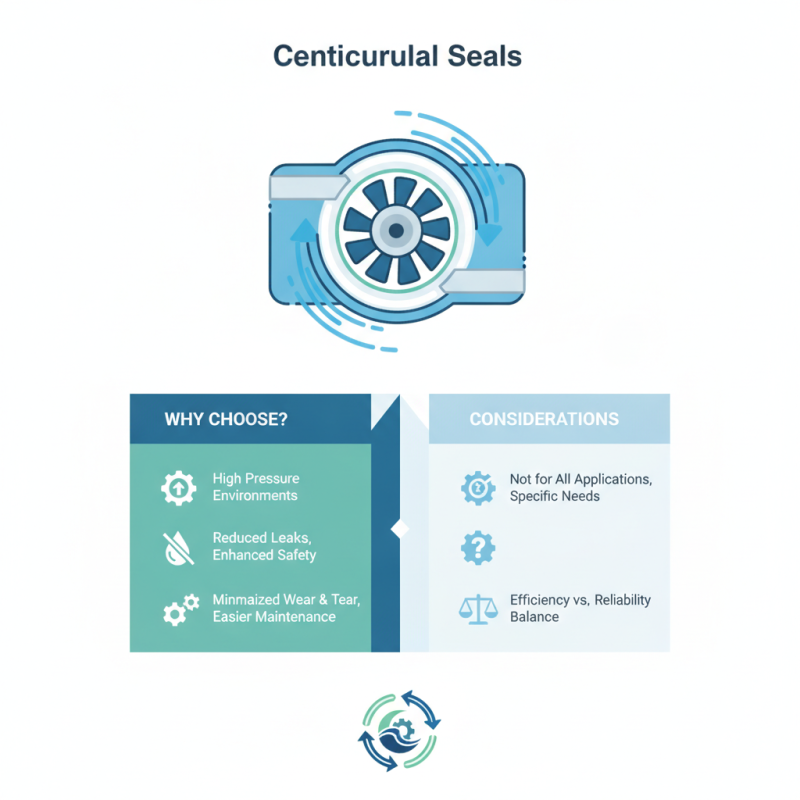
Centrifugal Seals excel in high-pressure environments. They effectively reduce leaks, enhancing safety and performance. Various industries, especially those involving liquids and gases, benefit immensely from these seals. Their design minimizes wear and tear, making maintenance easier.
However, selecting a Centrifugal Seal requires careful consideration. Not all applications suit this technology perfectly. Understanding specific operational needs is vital for optimizing performance. The balance between efficiency and reliability is not always straightforward. Users must reflect on their unique requirements for the best results.
Benefits of Centrifugal Seals in Industrial Applications
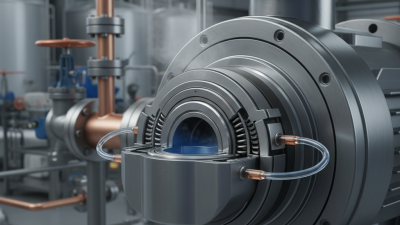
Centrifugal seals are increasingly popular in various industrial applications due to their unique advantages. These seals function by utilizing centrifugal force to keep fluids contained. They are especially useful in high-speed machinery and processing environments. The design minimizes leakage, which can lead to costly downtimes and safety hazards.
One significant benefit of centrifugal seals is their durability. Made from robust materials, they withstand extreme temperatures and pressures. This resilience allows them to perform effectively even in harsh conditions. Additionally, they often require less maintenance compared to traditional seals. This can save time and reduce operating costs.
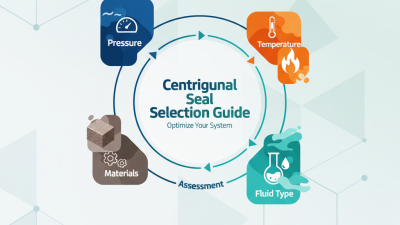
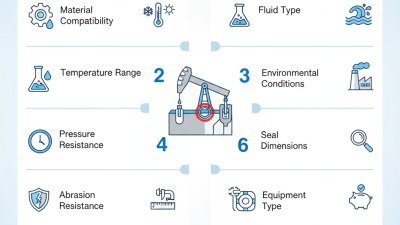
However, not every application is suitable for centrifugal seals. It's essential to evaluate the specific requirements of your system. Factors like fluid type, viscosity, and operating speed can influence performance. Understanding these variables can help in making an informed decision. Regular assessments are necessary to ensure optimal functionality. This can lead to better efficiency and longevity of your equipment.
Why Choose a Centrifugal Seal for Your Applications? - Benefits of Centrifugal Seals in Industrial Applications
| Feature |
Benefit |
Application |
| High Efficiency |
Reduces energy consumption and operational costs. |
Pumps and Compressors |
| Durability |
Long lifespan minimizes the need for replacements. |
Chemical Processing |
| Versatile Materials |
Can handle various fluids and conditions. |
Oil and Gas |
| Low Maintenance |
Less downtime and maintenance overhead. |
Mining and Wastewater Treatment |
| High Performance |
Maintains performance even under extreme conditions. |
Pharmaceutical Manufacturing |
Comparison of Centrifugal Seals to Other Seal Types
Centrifugal seals stand out when compared to traditional seal types. Unlike mechanical seals, which depend on contact for sealing, centrifugal seals utilize fluid dynamics. This approach minimizes wear and tear, leading to increased service life. The design of centrifugal seals promotes self-cleaning abilities, making them ideal for challenging environments.
When considering maintenance, centrifugal seals require less frequent interventions. This factor can greatly reduce operational downtime. Mechanical seals may need regular adjustments or replacements. In harsh conditions, other seals can degrade quickly, leading to costly leaks. Centrifugal seals hold up better, even in demanding applications.
However, it’s important to acknowledge their limitations. Centrifugal seals may not perform optimally at very low flow rates. Their efficiency also depends on proper installation. A well-designed system is crucial for maximum performance. Users must check compatibility with their specific application needs. By understanding these aspects, engineers can make informed choices.
Comparison of Centrifugal Seals to Other Seal Types
Performance Metrics of Centrifugal Seals in High-Pressure Systems
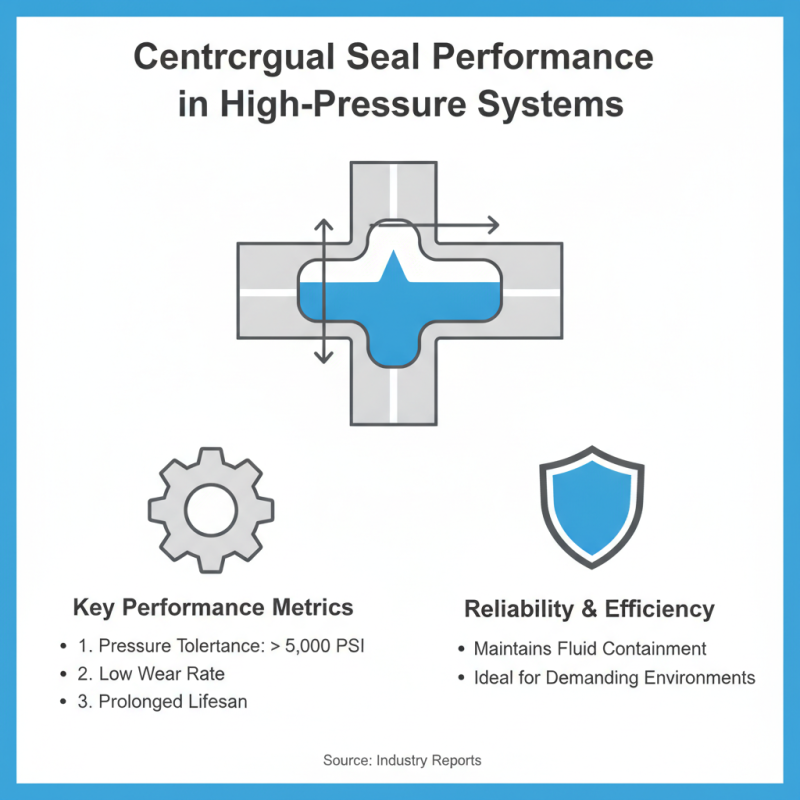
Centrifugal seals play a vital role in high-pressure systems, providing reliable containment of fluids. Performance metrics indicate their efficiency, particularly in demanding environments. According to industry reports, these seals maintain integrity under pressure levels exceeding 5,000 psi. With a wear rate significantly lower than traditional seals, they ensure prolonged operational lifespans.
When selecting a centrifugal seal, consider your application’s specific requirements. Look for seals rated for your pressure conditions. Regular monitoring is essential. Some reports suggest that up to 30% of seal failures result from improper installation. Focus on proper alignment and fitting during installation.
Centrifugal seals benefit from innovative materials, enhancing performance durability. A recent analysis highlighted improved resistance to chemical corrosion. These advancements can lead to less downtime and reduced maintenance costs. Yet, not all designs fit every application. Evaluate your operational environment carefully. Regular testing and evaluation can prevent unexpected failures.
Cost-Effectiveness and Maintenance of Centrifugal Seals
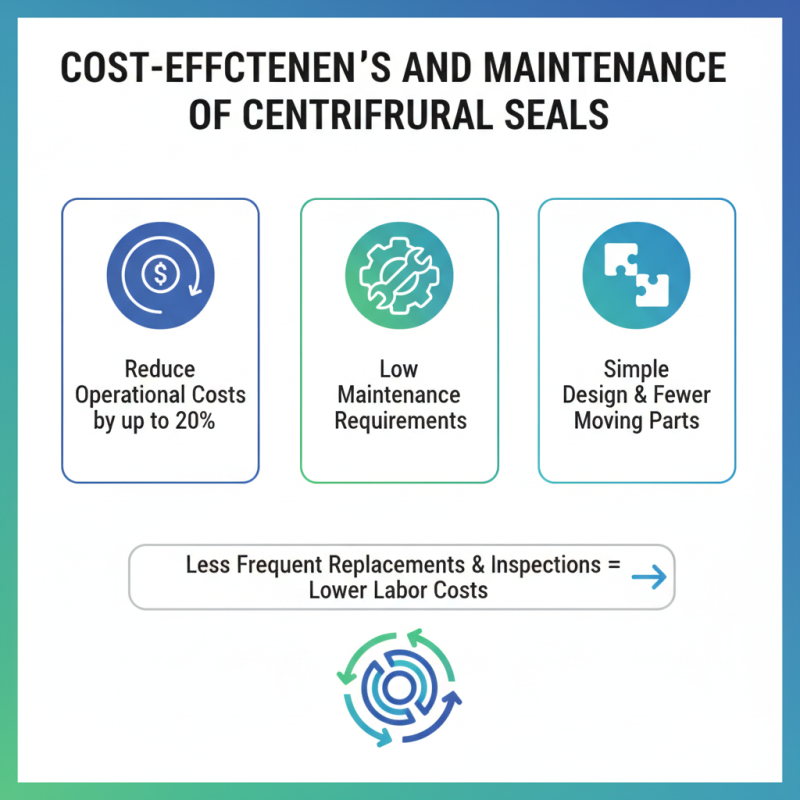
Centrifugal seals are gaining attention for their cost-effectiveness and low maintenance requirements. Industry reports suggest that these seals can reduce operational costs by up to 20%. This significant savings arises from their simple design and efficiency in preventing leaks. With fewer moving parts, these seals require less frequent replacements and inspections, which translates to lower labor costs.
Moreover, the maintenance of centrifugal seals is straightforward. A recent study indicated that manufacturers of centrifugal seals experience a 30% reduction in maintenance downtime compared to conventional seals. However, this efficiency can sometimes lead to complacency in monitoring their performance. Regular checks are still essential to avoid unexpected failures, especially in high-pressure environments. Ignoring routine maintenance can result in costly damages and operational interruptions.
Despite the advantages, reliance solely on centrifugal seals should be evaluated. They may not be suitable for all applications, particularly where extreme temperatures or aggressive chemicals are involved. Understanding the specific operational conditions is crucial. An informed decision can help leverage the benefits while mitigating potential pitfalls.
Industry Case Studies Highlighting Centrifugal Seal Successes
Centrifugal seals have gained traction in various industries for their effectiveness in preventing fluid leakage. In a recent case study from the energy sector, a major company faced frequent failures due to traditional seals. After switching to centrifugal seals, they observed a marked reduction in maintenance costs. This innovation resulted in fewer downtime incidents, enabling smoother operations.
In the chemical processing industry, another case highlighted the struggles with corrosion and abrasion. A manufacturer replaced their aging seals with centrifugal designs. The new seals showed greater durability against abrasive materials. This change not only extended seal life but also improved safety protocols, as leakage risks diminished significantly.
However, not every implementation has been flawless. Some installations faced challenges during the transition phase. Engineers noted the necessity of thorough training for staff. Misalignment issues were common during initial installs, leading to a few setbacks. This reflects the importance of continuous learning in seal technology adoption.