What is a Metal Mechanical Seal and How Does It Work?
In the world of industrial applications, Metal Mechanical Seals play a crucial role. These seals are essential for preventing leaks in rotating equipment. Dr. John Smith, a leading expert in mechanical engineering, notes, "Metal Mechanical Seals are the backbone of reliable machinery." His insight emphasizes their importance, ensuring operational efficiency in various industries.
Understanding how a Metal Mechanical Seal works can be complex. These seals involve intricate designs that allow them to withstand high pressures and temperatures. They often consist of a combination of metal parts, elastomers, and special coatings. This combination creates a barrier, effectively preventing fluid loss.
Yet, challenges persist. Regular maintenance is necessary to ensure their longevity and performance. As industries evolve, the demand for innovative solutions grows. Engineers must constantly adapt designs to meet new expectations. The journey of the Metal Mechanical Seal continues to unfold, reflecting the dynamic nature of engineering itself.
What is a Metal Mechanical Seal?
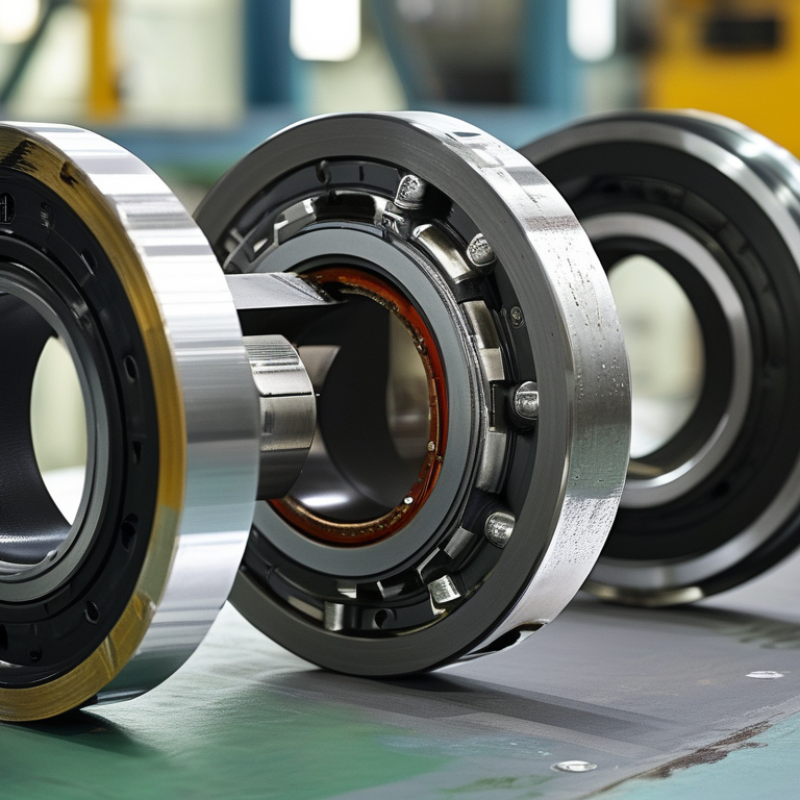
A metal mechanical seal is a vital component in various industrial applications. It seals the space between rotating and stationary parts, preventing fluid leaks. This device greatly enhances the efficiency of machinery by maintaining pressure and minimizing product loss.
The key components of a metal mechanical seal include the seal face, spring, and gland. The seal face is critical, as it creates a barrier against leakage. When these seals are properly installed, they can withstand extreme conditions. However, installation does require precision. A small error could lead to failure.
Proper maintenance is essential for reliability. Even the best seals can fail if not monitored. Regular inspections can help identify wear and prevent leaks. Users must also recognize that not all seals are equal; application-specific requirements must be considered. There’s always room for improvement in design and functionality. Understanding these challenges can lead to better operational practices and enhanced safety standards.
Components of a Metal Mechanical Seal
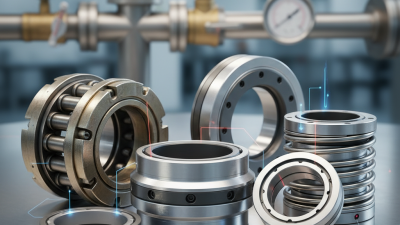
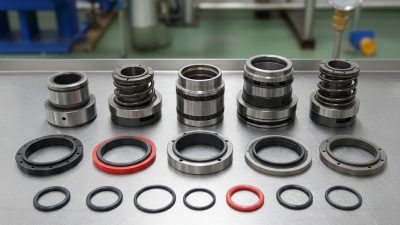
A metal mechanical seal is crucial in many applications where fluid containment is necessary. Understanding its components is essential for anyone involved in maintenance or engineering. The primary components generally include the sealing faces, hardware, springs, and clamps.
The sealing faces are made of hard materials, often ceramic or tungsten carbide. These materials resist wear and can withstand high temperatures. Proper alignment of these faces is vital. Misalignment can lead to premature failure. Springs provide the necessary force to keep the sealing faces in contact, ensuring a tight seal. They must be designed accurately to match the specific application requirements.
Clamps secure the components and maintain the integrity of the seal. Over time, these clamps can experience wear, which compromises their holding capacity. Regular inspections can help identify such issues before they lead to larger problems. In summary, understanding these components and their functions is vital for anyone working with metal mechanical seals. Balancing durability and efficiency requires a thoughtful approach and continual learning.
| Component |
Material |
Function |
Typical Application |
| Spring |
Stainless Steel |
Provides radial force to maintain contact |
Pump Sealing |
| Rotating Seal Face |
Ceramic or Carbon |
Rotates with the shaft; prevents leakage |
Industrial Pumps |
| Stationary Seal Face |
Tungsten Carbide |
Remains still; forms a seal with rotating face |
Chemical Processing |
| O-Ring |
Rubber or Elastomer |
Provides secondary sealing and prevents dust |
Oil & Gas Industry |
| Housing |
Metal Alloy |
Holds all components together |
Water Treatment Systems |
How Metal Mechanical Seals Function in Different Applications
Metal mechanical seals are critical components in various industries, ensuring leak prevention in rotating equipment. They are commonly used in pumps, compressors, and mixers. These seals operate by creating a dynamic barrier between the rotating and stationary parts of a machine. The metal materials provide strength and durability, especially in harsh environments. According to a recent report by the International Sealing Distribution Association, nearly 40% of pump failures are attributed to seal failures. This highlights the importance of reliable metal seals.
In the oil and gas industry, metal mechanical seals are essential for maintaining pipeline integrity. They withstand high pressures and temperatures while preventing corrosive materials from escaping. The American Petroleum Institute emphasizes that choosing the right seal can improve operational efficiency by over 15%. Similarly, in the chemical industry, seals play a crucial role in handling aggressive substances. The wrong choice can lead to costly leaks and downtime. Many operators still underestimate the impact of proper seal selection.
However, metal mechanical seals are not without their challenges. Misalignment can lead to premature wear. Regular maintenance is often overlooked, resulting in failures. The need for thorough checks and preventive actions remains a topic of discussion among engineers. Data shows that around 30% of seal failures could have been prevented with better maintenance practices. Operators must reflect on their strategies and take proactive steps to ensure longer seal life.
Advantages of Using Metal Mechanical Seals Over Other Types
Metal mechanical seals are increasingly favored in various industrial applications due to their robust design. These seals provide superior durability compared to traditional seals, which enhances their reliability in demanding environments. According to a recent industry report, metal mechanical seals can reduce leakage rates by over 90% compared to elastomeric seals. This significant reduction translates to lower environmental risks and improved operational efficiency.
Another advantage is their ability to withstand extreme temperatures and pressures. Metal seals can perform effectively in conditions exceeding 500°F and at high pressures of up to 5,000 PSI. This resilience makes them ideal for use in critical applications, such as oil and gas, chemicals, and pharmaceuticals. However, their higher initial cost can be a concern for some operators. While the long-term savings from reduced maintenance and downtime are often substantial, the upfront investment may require careful consideration.
The material versatility of metal mechanical seals also plays a critical role in their effectiveness. They can be made from various alloys and materials tailored to specific environments. Nevertheless, selecting the wrong material could compromise performance. Operators must fully understand their application requirements to ensure optimal performance and longevity. Regular assessment and review of seal conditions are necessary to prevent premature failure, highlighting the importance of proper application knowledge.
Maintenance and Troubleshooting for Metal Mechanical Seals
When dealing with metal mechanical seals, routine maintenance is crucial. These seals are critical in preventing leaks in rotating equipment. Regular inspections help identify wear and tear before major issues arise. Reports suggest that approximately 40% of seal failures result from improper installation or maintenance. Understanding the specific requirements of your machinery can minimize these failures.
Regular lubrication of the seal faces is essential for optimal performance. Without adequate lubrication, friction increases, leading to faster wear. Implementing a maintenance schedule helps in tracking the condition of seals. Consider using condition monitoring tools to assess seal performance. These tools can provide valuable insights, helping diagnose potential problems early.
**Tip:** Keep a log of maintenance activities. This documentation aids in identifying any recurring trends that may indicate a more significant issue. Regular training for staff can also enhance their understanding of sealing systems, which can lead to fewer operational mistakes. Recognizing the signs of wear can enhance efficiency and prolong the life of your seals.