Leave Your Message

How to Choose the Right Mechanical Seals?

Choosing the right Mechanical Seals begins with the process, not the catalog.

A seal may look suitable on paper and still fail beside a hot pump casing. Fluid chemistry, pressure, temperature, shaft speed, and equipment movement must be examined together. The U.S. Department of Energy reports that pumping systems can consume nearly 20% of industrial electricity. Poor sealing can increase energy loss, emissions, maintenance work, and production downtime. Small leakage matters.

Industry evidence supports a disciplined selection method. The Grand View Research Mechanical Seals Market report identifies continued demand from chemical processing, oil and gas, water treatment, and power generation. However, market growth does not make every seal suitable for every service. Application data remains decisive. API Standard 682 also provides widely used guidance for centrifugal and rotary pump sealing systems in petroleum, petrochemical, and natural gas services. It addresses seal arrangements, testing, materials, and support systems.

Start with the actual operating envelope. Record shaft diameter, rotational speed, fluid concentration, pressure, temperature, and expected equipment movement. Then compare face materials, elastomers, metal parts, springs, and secondary seals. Silicon carbide may suit abrasive media, while carbon faces can perform well in cleaner services. That choice changes with dry running, crystallization, or poor flushing.

Experience matters here. A seal failure often reflects an overlooked detail, not a defective product. No checklist is perfect. Verify the flush plan, installation quality, alignment, and maintenance history before approval. A qualified seal supplier or reliability engineer should review the final specification against site conditions and applicable standards. That extra review can prevent a small wet spot from becoming an expensive shutdown.

How to Choose the Right Mechanical Seals?

Mechanical Seal Basics and Their Role in Equipment Protection

How to Choose the Right Mechanical Seals?

Mechanical Seal Basics and Their Role in Equipment Protection

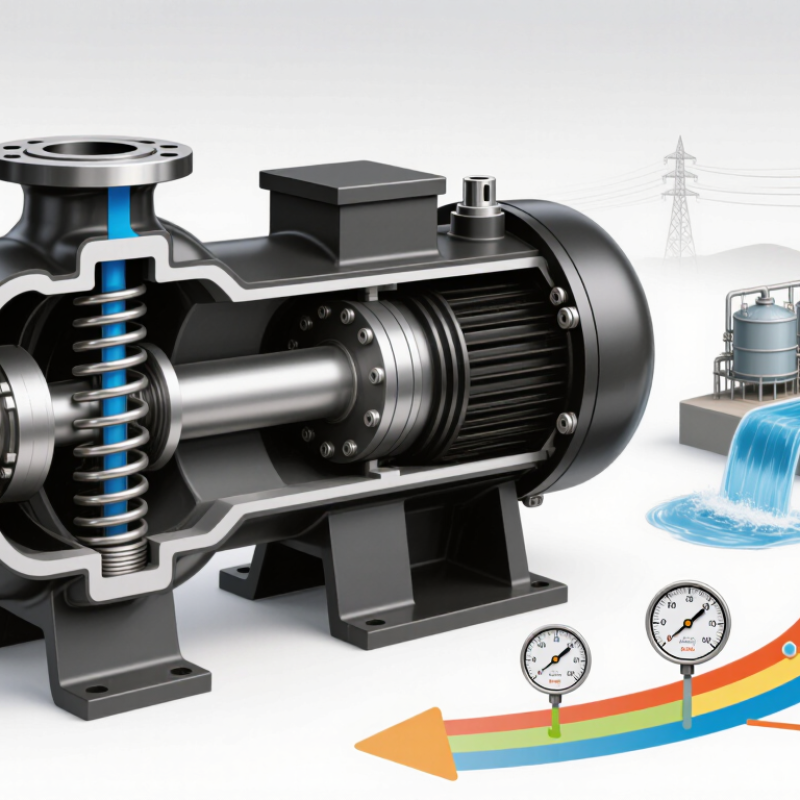
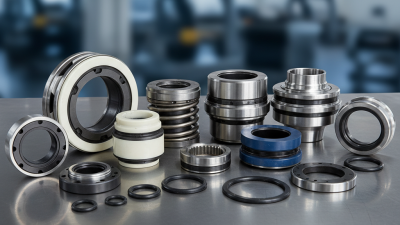
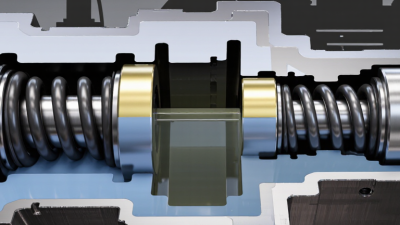
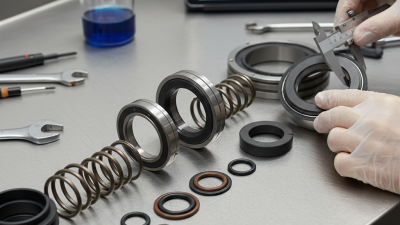
A mechanical seal closes the gap between a rotating shaft and stationary housing. Its faces press together to control fluid leakage during operation. Common parts include rotating and stationary faces, springs, elastomers, and a gland. When selected correctly, the seal protects bearings, motors, and nearby surfaces from harmful fluids. It also helps maintain process pressure and reduce unplanned maintenance.

Selection begins with the operating conditions. Check fluid type, temperature, pressure, shaft speed, and shaft diameter. Material compatibility matters because a suitable face can still fail with the wrong elastomer. Hard particles may require stronger face materials or an external flush system. Do not rely on a previous seal without checking changes in the equipment. Small changes can create large problems.

Installation quality is equally important. Technicians should inspect the shaft for scoring, confirm alignment, and keep seal faces clean. A dry start can damage faces within seconds. Excessive vibration often signals equipment trouble, not poor seal design. A common field lesson is simple: the seal is sometimes blamed too quickly. In practice, incorrect assembly, blocked flush lines, or unstable bearings may be responsible. Even experienced teams miss details occasionally. That is why measured checks, clear records, and honest review of each failure remain valuable.

How to Choose the Right Mechanical Seals? - Mechanical Seal Basics and Their Role in Equipment Protection

Practical comparison of common mechanical seal arrangements, operating conditions, and equipment protection considerations

Mechanical Seal Selection Guide
Seal Type or Selection Factor Basic Design or Function Typical Operating Guidance Suitable Applications Equipment Protection Benefit Main Limitations or Risks
Single Mechanical Seal Uses one pair of precision-machined faces, normally a rotating face and a stationary face, pressed together by a spring and hydraulic pressure. Commonly selected for moderate pressure and temperature duties. Actual limits depend on face materials, elastomers, speed, fluid properties, and equipment design. Water pumps, cooling-water systems, general process pumps, and non-hazardous liquid service. Reduces leakage, protects bearings and shafts from liquid contamination, and limits product loss. A failure can release the pumped fluid directly to the atmosphere. Poor lubrication, dry running, or solids can rapidly damage the seal faces.
Double Mechanical Seal Has two seal face sets with a barrier or buffer fluid between them. The fluid system controls pressure and lubricates the faces. Preferred for hazardous, toxic, volatile, abrasive, crystallizing, or poorly lubricating fluids. Barrier pressure is commonly maintained above process pressure for containment service. Chemical processing, hydrocarbons, flammable liquids, slurry service, and fluids that must not escape to the surrounding environment. Provides a secondary containment barrier and can prevent process fluid from reaching the atmosphere if the primary seal face is damaged. Higher installation cost, more auxiliary equipment, and the need to monitor barrier-fluid pressure, level, temperature, and compatibility.
Cartridge Seal A pre-assembled unit containing the seal faces, springs, gland, and secondary seals. It is installed as a complete cartridge. Suitable when consistent installation and reduced setup time are important. Operating limits remain dependent on the selected materials and equipment. Standardized pump fleets, maintenance-sensitive facilities, and equipment where incorrect spring positioning is a concern. Reduces assembly errors, protects shaft sleeves, and improves repeatability during maintenance. May have a larger axial envelope and higher initial cost than component seals. Dimensional compatibility must be checked carefully.
Component Seal Individual parts are assembled directly into the pump. The installer sets spring compression and component alignment. Useful for common equipment dimensions and cost-sensitive applications where trained maintenance personnel are available. General-purpose pumps, agricultural systems, utility water service, and replacement maintenance. Can restore leakage control economically when correct installation procedures are followed. More sensitive to installation errors, face contamination, incorrect spring setting, and shaft or sleeve damage.
Balanced Seal The effective hydraulic area is reduced so process pressure creates less closing force on the seal faces. Generally selected for higher-pressure service or applications where reduced face loading and heat generation are required. Pressurized process pumps, hot liquids, and applications with demanding pressure-speed combinations. Reduces frictional heat and face wear, helping maintain a stable lubricating film and extend seal life. Requires accurate selection and installation. An unsuitable balance ratio can cause face opening, leakage, or excessive wear.
Unbalanced Seal The process pressure acts over a larger effective area, producing greater closing force between the seal faces. Often suitable for lower-pressure, general-purpose service with stable lubrication and moderate operating conditions. Clean-water pumps, low-to-moderate pressure utility systems, and uncomplicated liquid applications. Simple construction can provide dependable leakage control when pressure, speed, and fluid conditions remain within the design range. Higher face loading can increase friction, temperature, power consumption, and wear at elevated pressure or speed.
Seal Face Materials Common combinations include carbon versus silicon carbide, carbon versus tungsten carbide, and silicon carbide versus silicon carbide. Carbon is commonly used for good conformability and dry-running tolerance; hard faces provide strong wear and abrasion resistance. The correct pairing depends on fluid and lubrication. Clean liquids, abrasive slurries, corrosive chemicals, and high-wear process duties, depending on material compatibility. Proper face selection controls wear, heat generation, chemical attack, and leakage over the expected service interval. Hard faces can be brittle and vulnerable to impact or thermal shock. Carbon faces can wear quickly in abrasive or chemically incompatible fluids.
Elastomer Selection O-rings, wedges, or bellows provide secondary sealing and allow controlled axial movement of the seal assembly. Temperature and chemical resistance must be checked against the actual fluid, concentration, pressure, and cleaning chemicals. Water, oils, fuels, solvents, acids, alkalis, food-processing fluids, and high-temperature services with suitable elastomer selection. Prevents leakage around the shaft and housing while accommodating thermal expansion and minor movement. Incorrect elastomer compatibility can cause swelling, hardening, cracking, extrusion, or rapid loss of sealing force.
Fluid Cleanliness and Lubrication A very thin fluid film between the faces carries heat and reduces direct contact during operation. The seal should not run dry. Startup, shutdown, low-flow operation, flashing, and entrained air require particular attention. All liquid services, especially hot liquids, low-viscosity fluids, and systems with intermittent operation. Maintains stable face temperature and reduces thermal cracking, blistering, distortion, and premature leakage. Abrasive particles, crystals, gas bubbles, or dry running can score the faces and cause rapid failure.
Operating Data Required for Selection Selection is based on the complete operating envelope rather than pressure or temperature alone. Record fluid name and concentration, pressure, temperature, shaft speed, shaft diameter, equipment dimensions, solids content, viscosity, vapor pressure, and operating cycle. Applicable to pumps, mixers, agitators, compressors, and other rotating equipment. Accurate data reduces underspecification, prevents unnecessary cost, and improves reliability and environmental containment. Using nominal or incomplete data can result in face opening, overheating, elastomer damage, vibration-related wear, or unsafe leakage.
Installation and Maintenance Seal faces must remain clean, correctly aligned, and free from scratches. Shaft runout, vibration, and bearing condition affect performance. Inspect shaft or sleeve condition, replace damaged secondary seals, follow the specified spring setting, and verify flush or barrier systems before startup. Every mechanical seal application, particularly critical or hazardous services. Correct maintenance prevents premature leakage and protects the shaft, bearings, coupling, motor, and surrounding workplace. Contamination, misalignment, excessive shaft movement, incorrect tightening, or inadequate flushing can invalidate an otherwise suitable design.

Selection note: The operating guidance in this table is general. Confirm the seal design, material compatibility, pressure-temperature limits, speed capability, dimensions, and applicable safety requirements for the specific equipment and process.

Key Factors for Matching a Seal to Operating Conditions

How to Choose the Right Mechanical Seals?

Matching a mechanical seal to operating conditions requires more than checking shaft diameter. Start with pressure, temperature, speed, and fluid chemistry. A seal running in hot oil faces different demands than one handling abrasive water. Record normal and peak values. Peaks often explain unexpected failures.

The fluid’s properties guide face and elastomer selection. Crystallizing liquids may damage faces when equipment stops. Suspended solids can scratch sealing surfaces during startup. Consider corrosion, viscosity, lubrication, and dry-running risk. Seal faces need suitable hardness and compatibility. Elastomers also require resistance to swelling, hardening, or chemical attack.

Shaft movement matters. Check runout, vibration, alignment, and axial movement before choosing the design. A technically suitable seal can fail on a poorly supported shaft. Installation details matter too. Clean faces carefully. Avoid touching them with oily gloves. Follow the specified compression and spring orientation.

Experience shows that operating records improve seal selection. Maintenance teams should note leakage rate, temperature changes, and failure location. A simple log can reveal patterns missed during a single inspection. Calculations are useful, but not perfect. I have seen reasonable assumptions fail when actual startup conditions were ignored. Review the seal after commissioning, and question any result that does not match field behavior.

Mechanical Seal Materials, Designs, and Compatibility

How to Choose the Right Mechanical Seals?

Mechanical seal selection begins with the fluid, not the equipment catalog. Record temperature, pressure, shaft speed, and fluid concentration. Compatibility matters because a seal may look suitable yet fail after several weeks. Carbon faces often suit clean, lubricating fluids. Silicon carbide handles abrasive or corrosive service better. Ceramic can work well in less demanding conditions. Elastomers must tolerate the fluid and operating temperature.

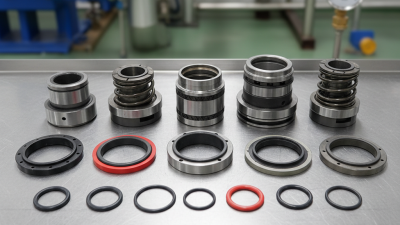
Design also changes performance. Balanced seals reduce face loading during high-pressure operation. Unbalanced designs can remain practical for lower pressures. Cartridge seals usually simplify installation and reduce alignment mistakes. Single seals suit many standard applications. Double seals provide extra control when leakage risks, toxic fluids, or poor lubrication demand it. I once assumed a harder face always meant longer service. That was not always true. Poor cooling, dry running, or shaft movement can defeat excellent materials.

Tips: Confirm the real operating range, not only the normal range. Check startup and shutdown conditions. Ask whether solids can enter the seal faces. Inspect the shaft for scoring, runout, and burrs. Match the elastomer to the complete chemical mixture. Keep written test results and maintenance observations. Small details matter. When uncertain, compare material data with measured site conditions and consult a qualified seal engineer. A technically correct choice can still fail if installation practices are overlooked.

How to Choose the Right Mechanical Seals?

Mechanical seal materials, designs, and compatibility

Typical continuous-service temperature ranges for common mechanical seal elastomers. Actual limits depend on formulation, pressure, shaft speed, fluid chemistry, and mechanical seal design. Always verify the selected material against the manufacturer’s technical data and the application conditions.

Step-by-Step Process for Selecting the Right Mechanical Seal

Choosing the right mechanical seal starts with the operating conditions, not the equipment name.

Record the fluid, temperature, pressure, shaft speed, and shaft diameter. Note whether the liquid contains solids, crystals, or abrasive particles. Small details matter.

Inspect the pump and measure the shaft carefully. Check the seal chamber depth, face dimensions, and available installation space. Compare these measurements with the equipment drawing. Then select suitable face, elastomer, and metal materials.

Carbon and ceramic faces may suit clean liquids, while harder materials can handle abrasive service. Confirm chemical compatibility at the highest operating temperature. A material that works at room temperature may fail in hot fluid.

Review the seal’s pressure and speed limits together. Do not assess either value alone. Ask whether the pump starts and stops frequently, because repeated cycling can increase wear. Consider cooling, flushing, or quenching when heat control is difficult.

Keep the fluid clean during installation. Even a small fiber can damage the sealing faces.

I once focused too much on material selection and overlooked shaft runout. That mistake taught me to inspect the whole system, not only the seal.

After installation, rotate the shaft by hand and check alignment. Start the pump slowly, observe leakage, and record vibration and temperature.

Minor leakage may occur during bedding-in, but rising leakage needs investigation. Selection is not complete until field performance confirms the calculations.

Installation, Testing, and Maintenance Considerations

How to Choose the Right Mechanical Seals?

A mechanical seal performs well only when installation, testing, and maintenance receive equal attention. Before installation, confirm shaft size, operating temperature, pressure, speed, and fluid compatibility. The seal faces and elastomer must suit the process fluid. A correct design can still fail quickly when conditions change.

Measure shaft runout and check the sleeve for scratches, burrs, or corrosion. Inspect the seal faces under clean light. Even a small chip can create a visible leak. Cleanliness matters. Use lint-free wipes and approved cleaning fluid. Never force the seal over a sharp thread or keyway. Protect the elastomer with a temporary sleeve when needed. During assembly, follow the drawing for spring direction and setting dimensions. Guessing here is risky, although experienced technicians sometimes rely on habit too much.

After installation, turn the shaft by hand to detect binding. Pressure-test the equipment gradually, then hold the test pressure long enough to observe leakage. Do not hide minor leakage with excessive tightening. That can damage the faces. After startup, monitor leakage, vibration, temperature, and noise during the first hours. Record actual readings, not impressions. Listen closely. A rising squeal may indicate poor lubrication or face contact. Set maintenance intervals from operating data, not a convenient calendar. Check filters, flush lines, and alignment during inspections. Some failures blamed on seal quality actually begin with pipe strain. I have seen that mistake more than once. Keep a failure record, and revise the installation method when evidence contradicts the original assumption.